
An emergency kit in a Singapore Housing & Development Board (HDB) flat is incomplete without a reliable, dedicated light source. While smartphones are ubiquitous, relying on them during a sudden power outage drains critical communication lifelines and offers suboptimal illumination. A dedicated mini flashlight provides a compact, powerful, and long-lasting alternative. Choosing the right device involves understanding battery shelf life, beam patterns, and build quality to ensure that when the power goes out, your household remains safe and functional.
Why HDB Residents Need a Dedicated Mini Flashlight
HDB flats are designed with specific layouts, often featuring central corridors, household shelters, and windowless bathrooms or kitchens. During a sudden blackout, these interior spaces can plunge into absolute darkness. Navigating tight corners, avoiding furniture, and locating family members requires immediate, portable light that does not rely on the grid.
Many HDB flats feature a designated household shelter (often referred to as a bomb shelter) with reinforced concrete walls and a heavy steel door. These structural elements completely block out ambient light from windows, meaning a blackout will leave the shelter in absolute darkness. Having a dedicated mini flashlight stored inside or immediately outside this shelter is essential for safety and peace of mind.
Products mentioned in this guide
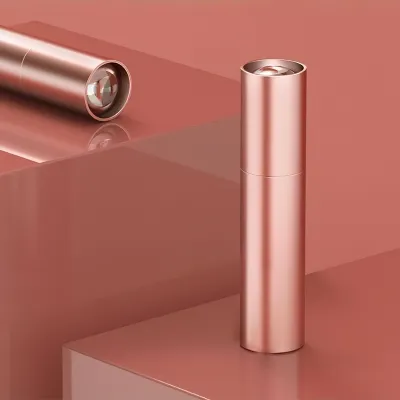
![UnihomSG [ReadyStock] Japan Mini LED Police Torch light | 50K Super Strong Small TorchLight l Zoom](https://img.lazcdn.com/g/p/0c61e174d7c1bb96cf83e3906d13fef0.png_400x400q80.png_.webp)
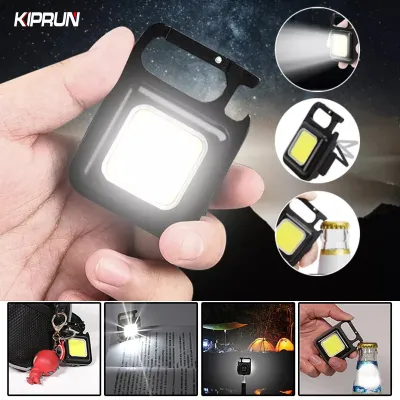
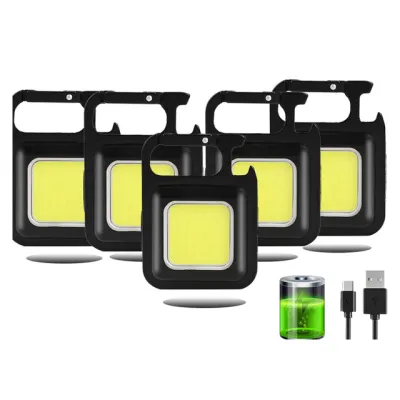
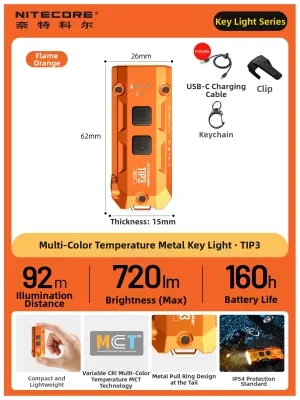
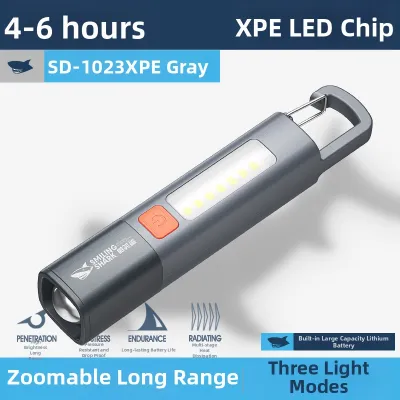
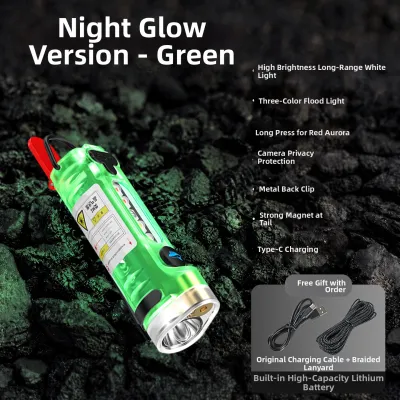
Prices are valid at publication and may change. Please refer to the product page for the latest price.
A mini flashlight is small enough to fit into a bedside drawer, a pocket, or a dedicated emergency grab-bag. Unlike bulky traditional lanterns, a compact light can be carried effortlessly while moving through the home or checking the main electrical distribution board (DB box). This portability ensures you can keep one hand free to guide family members, hold handrails, or operate doors safely.
Furthermore, while some modern HDB developments or individual units may have basic emergency lighting in common areas, these systems do not cover the interior of your home. A portable mini flashlight bridges this gap, allowing you to move safely between bedrooms, bathrooms, and the main living area without relying on fixed fixtures that may fail or run out of power.
Key Features to Evaluate in a Mini Flashlight
Flashlight performance is measured in lumens, but raw output is only part of the equation. For indoor HDB use, a wide, floody beam is generally superior to a tight, long-distance spotlight. A floodlight disperses light evenly across a room, making it easier to see your surroundings and avoid tripping hazards. Look for models with multiple brightness levels. A low mode of around 5 to 15 lumens is perfect for reading or navigating without blinding yourself, while a medium-to-high mode of 100 to 300 lumens can illuminate an entire living room when bounced off a white ceiling.

Color temperature is another factor to consider, though it remains a matter of personal preference rather than a strict performance metric. Cool white light (around 5000K to 6500K) often feels brighter and more clinical, which can help with high-contrast visibility. Warm white or neutral white light (around 3000K to 4000K) is softer on the eyes, reduces glare against light-colored HDB walls, and provides better color rendering, which can be useful if you need to distinguish between colored wires in your electrical panel.
Emergency tools must withstand accidental drops on hard tiled floors, which are common in Singaporean homes. Look for flashlights constructed from aircraft-grade aluminum with hard-anodized finishes, or high-impact polycarbonate. These materials offer excellent impact resistance, typically rated to drops of 1 to 2 meters. Additionally, check the ingress protection (IP) rating. An IPX4 rating protects against splashing water, while IPX7 or IPX8 ratings ensure the device remains functional even if dropped into a filled sink or bucket.
In a high-stress situation like a sudden blackout, you do not want to struggle with a complex user interface. Avoid flashlights that require multiple rapid clicks, long presses, or programming sequences just to turn on. The ideal emergency flashlight should feature a simple, intuitive interface—ideally a single tail-switch or side-switch that turns the light on at a sensible default level. If the flashlight has multiple modes, it should have a mode-memory feature or start on the lowest setting to preserve night vision and battery life.
Power Source Options for Emergency Readiness
Many modern mini flashlights use rechargeable lithium-ion batteries, such as 16340, 14500, or 18350 sizes. These batteries offer high energy density, excellent brightness, and are highly cost-effective for regular use. However, lithium-ion cells suffer from self-discharge over time. If stored in an emergency kit for months without attention, they may lose charge. If you choose a rechargeable model, select one with a built-in USB-C charging port for convenience, and commit to a regular recharging schedule.
Choosing a rechargeable flashlight that utilizes a standard USB-C interface allows you to leverage the same portable power banks you use for your mobile phones. During an extended blackout, this cross-compatibility ensures you can keep your primary light source operational even if the main grid remains down for hours. Verify that the charging voltage matches standard USB outputs (typically 5V) to prevent overheating.
For a pure “set-and-forget” emergency kit, disposable primary batteries are often the safer choice. Primary lithium batteries, such as CR123A or lithium AA, have an exceptional shelf life of up to 10 to 15 years and perform reliably across a wide temperature range. Alkaline batteries (AA or AAA) are highly accessible and inexpensive, but they carry a significant risk of leaking corrosive chemicals over time, which can ruin your flashlight. If using alkalines, store them outside the flashlight and check them annually.
Flashlights with built-in, non-replaceable batteries are compact and convenient, but if the battery degrades, the entire unit becomes useless. Removable battery designs offer greater flexibility, allowing you to swap in a fresh cell instantly during a prolonged outage. For maximum readiness, consider a dual-fuel flashlight that can accept both a rechargeable lithium-ion battery and a standard disposable battery.
Building and Storing Your HDB Emergency Lighting Kit
Do not store all your emergency lights in a single closet. Distribute them logically throughout your HDB flat. Keep at least one mini flashlight in each bedroom drawer, one near the main entrance, and another directly adjacent to your electrical distribution board (DB box) so you can safely reset tripped circuit breakers.
The electrical distribution board (DB box) in an HDB flat is typically located near the main entrance or foyer. Navigating to this box in complete darkness can be hazardous due to shoe racks, umbrellas, or other entryway obstacles. Placing a glow-in-the-dark marker or a small, easily accessible mini flashlight right next to the DB box ensures you can safely inspect the circuit breakers without stumbling.
Establish a routine to inspect your emergency gear. A simple biannual check—perhaps aligned with seasonal cleaning or every six months—is sufficient. Turn on each flashlight, verify all modes work, and check the battery status. If using rechargeable models, top up the charge. If using disposable batteries, inspect the contacts for any signs of corrosion or leakage.
Singapore’s tropical climate features high relative humidity, which can accelerate the degradation of electronic components and battery terminals. Store your flashlights in airtight containers or zip-lock bags with silica gel desiccant packs if they are kept in storage boxes. Avoid storing flashlights in hot, unventilated spaces like utility closets near water heaters or outdoor service yards, as prolonged heat degrades battery capacity and shortens shelf life.
What to Check Before Buying Online or In-Store
When browsing online marketplaces or local hardware stores, prioritize products that carry recognized safety and quality certifications. Look for marks such as CE, RoHS, or FCC, which indicate compliance with international environmental and electrical safety standards. Avoid unbranded, ultra-cheap flashlights that lack these markings, as they may use substandard circuitry or low-quality lithium batteries that pose a fire hazard during charging.
For rechargeable models, verify that the internal charging circuit is designed to handle standard 5V USB inputs safely. High-quality brands incorporate overcharge and over-discharge protection to prevent the lithium battery from overheating or swelling. When purchasing online, avoid generic listings that do not specify these safety features, as poorly regulated lithium-ion charging circuits present a genuine safety hazard.
Purchase from authorized distributors, official brand stores, or reputable local retailers. Check customer reviews specifically looking for feedback on product authenticity, packaging quality, and shipping times. Ensure the seller offers a clear return policy in case the product arrives defective or does not match the advertised specifications. Budgeting around S$30 to S$80 for a high-quality mini flashlight from an established manufacturer is a reasonable investment for long-term reliability.
A reliable emergency tool should be backed by a solid manufacturer’s warranty. Reputable flashlight brands typically offer warranties ranging from 2 to 5 years. Verify whether the warranty is supported locally in Singapore or requires shipping the item overseas for repairs. Additionally, check if the brand offers easily sourceable replacement parts, such as spare O-rings, pocket clips, or replacement battery caps, to extend the lifespan of your investment.
Frequently Asked Questions (FAQ)
How many lumens do I need for an HDB power outage?
For indoor navigation within an HDB flat, you do not need an extremely bright searchlight. A flashlight capable of producing 100 to 300 lumens is more than sufficient to illuminate a standard room when pointed at the ceiling (a technique known as ceiling bouncing, which diffuses light evenly). For close-up tasks like reading a utility meter, checking your DB box, or finding items in a drawer, a low mode of 5 to 30 lumens is ideal because it prevents glare and preserves your eyes’ natural adaptation to the dark.
Should I keep batteries inside the flashlight during long-term storage?
It depends entirely on the battery chemistry. If your flashlight uses alkaline batteries (AA or AAA), you should absolutely store them outside the device. Alkaline batteries are prone to off-gassing and leaking potassium hydroxide, which forms a crusty white residue that corrodes metal contacts and ruins the flashlight. If you use primary lithium batteries (like CR123A) or high-quality rechargeable lithium-ion batteries, they are highly resistant to leakage and can be safely left inside the flashlight, provided you engage the physical lockout (such as slightly unscrewing the tail-cap) to prevent accidental activation or parasitic drain.
Are keychain flashlights sufficient for emergency kits?
Keychain flashlights are excellent backup lights, but they should not be your primary emergency light source. Because of their extremely small size, they typically use tiny batteries with limited capacity, resulting in shorter runtimes—often less than an hour on high settings. They also lack the thermal mass to handle higher brightness levels without getting hot. A dedicated mini flashlight (roughly the size of a marker or a tube of lipstick) offers a much better balance of runtime, brightness, and physical durability, making it far more suitable as the primary light in your household emergency kit.

Community discussion
Share your experience or ask a question. Comments are reviewed before publication.