
To find the right Seiko alarm clock as a heavy sleeper, you must match the clock’s physical alerting mechanism—such as high-decibel mechanical twin bells or progressive digital buzzers—to your specific sensory threshold and morning habits. There is no single universal model that works for everyone; instead, the ideal choice depends on whether you need sheer acoustic volume, a progressive sensory escalation to ease sleep inertia, or a physical layout that prevents you from mindlessly hitting the snooze button. By evaluating how your brain responds to different sounds and physical cues, you can select a timepiece that serves as an effective, reliable tool to start your day.
Understanding Wake-Up Needs for Heavy Sleepers
Waking up successfully requires your brain to transition smoothly from deep, slow-wave sleep to active wakefulness. For heavy sleepers, this transition is often blocked by sleep inertia, a state of cognitive impairment and grogginess that can last from several minutes to over an hour. During this period, the brain struggles to register external stimuli, meaning a standard, low-volume alarm may simply be integrated into your dreams rather than waking you up. Understanding whether your primary barrier is a high auditory threshold or severe sleep inertia is the first step in choosing an effective timepiece.
Another common challenge is habituation, which occurs when your brain becomes accustomed to a repetitive, predictable sound pattern. If you have used the same digital beep for months, your subconscious may begin to treat it as background noise, allowing you to sleep right through it. This is why many heavy sleepers find that they need to periodically change their alarm tone or opt for clocks that offer varied sound profiles. A clock that allows you to switch between different frequencies or melodies can prevent this sensory adaptation, keeping the alarm effective over the long term.
Products mentioned in this guide
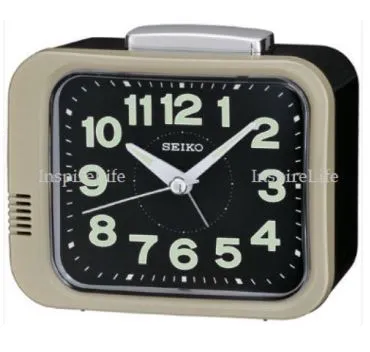


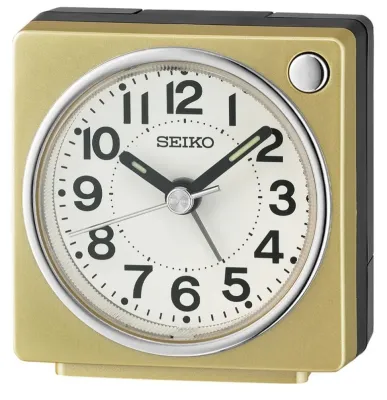
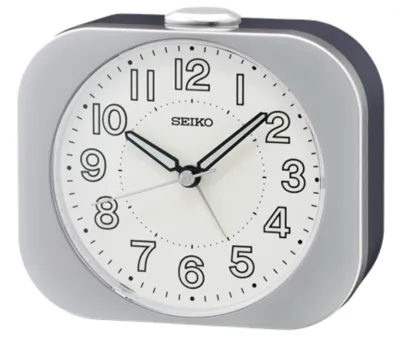
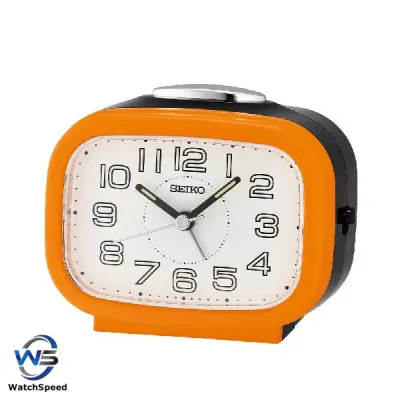
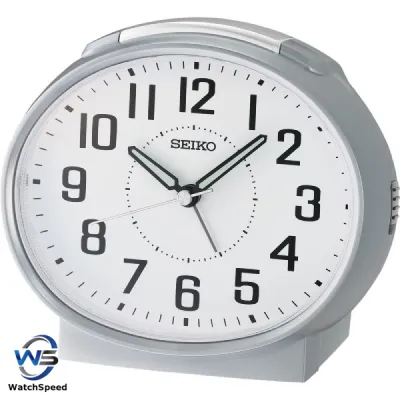
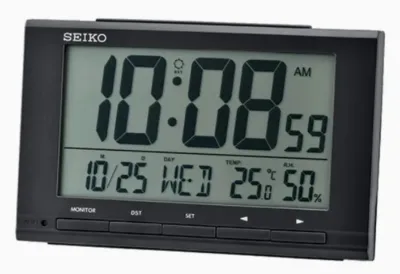
Prices are valid at publication and may change. Please refer to the product page for the latest price.
For other individuals, the issue is not hearing the alarm, but rather the behavioral reflex of turning it off while still half-asleep. This “snooze abuse” is a common coping mechanism for sleep inertia, where you mindlessly press the snooze button or slide the alarm switch to the off position without fully regaining consciousness. If you find yourself waking up late with no memory of turning off your alarm, your primary need is not necessarily a louder clock, but rather one with a physical design that forces conscious interaction, such as a hard-to-reach switch or a layout that requires you to sit up.
Environmental factors also play a significant role in how deeply you sleep and how loudly an alarm needs to ring. In typical Singaporean households, bedrooms may be cooled by air conditioning or ventilated by ceiling fans, both of which generate a constant, low-frequency ambient hum. This white noise can mask quiet or high-frequency alarm tones, making it even harder for a heavy sleeper to wake up. Additionally, the high humidity of a tropical climate can affect how sound travels through a room, meaning a sharp, resonant mechanical sound often cuts through the air more effectively than a small, muffled digital speaker.
Ultimately, being a heavy sleeper is a spectrum that requires tailored feature combinations rather than a one-size-fits-all solution. Some people respond best to the sudden, high-energy acoustic shock of a mechanical bell, while others require a gradual, multi-sensory approach that combines sound, light, and physical movement to gently coax the brain out of deep sleep. By identifying where you fall on this spectrum, you can avoid wasting money on alarms that are either too quiet to wake you or so jarring that they leave you feeling exhausted and disoriented for the rest of the morning.
Key Seiko Alarm Features to Evaluate
When browsing Seiko’s extensive catalog of timepieces, understanding how to read product specifications and labels is crucial for identifying clocks capable of waking heavy sleepers. The first and most obvious feature to evaluate is the sound profile and volume capability. Seiko categorizes its alarm sounds into several distinct types, including mechanical twin bells, electronic beeps, and melodic chimes. Mechanical twin-bell models utilize a physical hammer that rapidly strikes two metal bells, producing a resonant, high-decibel acoustic sound that is exceptionally difficult to ignore.

If you prefer a digital model, you should look closely at the volume specifications on the product packaging or official user manuals. Many of Seiko’s high-volume digital clocks feature dedicated volume control sliders or switches, allowing you to adjust the output from a standard level to an extra-loud setting. It is important to verify whether a model has a fixed volume or an adjustable one, as a fixed-volume clock may either be too quiet for your needs or too loud for shared living spaces. Look for terms like “Super Bell” or “high-output electronic buzzer” in the manufacturer’s official specifications to identify models designed specifically for high-volume performance.
Progressive alarm controls and snooze functions are equally important to evaluate. A progressive alarm, often listed as a “snooze with ascending volume” or “stepping beep,” starts with a quiet, slow beep and gradually increases in both speed and volume over several minutes. This feature is highly effective for reducing morning shock, as it allows lighter sleepers to wake up gently while still providing the high-volume output necessary to wake a deeper sleeper if they do not respond initially. When checking snooze specifications, note the duration of the snooze interval—typically five minutes—and whether the clock has an automatic shut-off feature that stops the alarm after a certain period to prevent battery drain.
Visual and physical cues can provide valuable sensory reinforcement to supplement audio alarms. Some Seiko digital models are equipped with high-intensity backlights or flashing LED indicators that sync with the alarm rhythm. When the alarm triggers, the light flashes rapidly, creating a visual stimulus that can penetrate closed eyelids and signal the brain to wake up. This is particularly useful for individuals who have partial hearing loss or those who sleep with earplugs to block out ambient city noise. When evaluating these models, check if the backlight can be set to activate automatically in the dark or if it only triggers during the alarm cycle.
Finally, always verify the physical build quality and button layout of the clock. A well-designed alarm clock for heavy sleepers should have a sturdy, stable base that prevents it from being easily knocked off a nightstand when you reach for it in the dark. The buttons should have a distinct tactile feel, allowing you to easily distinguish between the snooze bar and the main alarm switch without needing to turn on the room lights. Checking these physical details in official product descriptions or by examining the clock in person at an authorized retailer ensures that the timepiece will be practical and durable for daily use.
Matching Seiko Clock Types to Your Sleep Habits
To simplify your decision-making process, it is helpful to match specific categories of Seiko alarm clocks to your identified sleep habits and morning challenges. For volume-dependent wakers who simply sleep through standard alarms, the classic mechanical twin-bell analog clock is often the most reliable choice. The physical hammer-and-bell mechanism creates a raw, metallic resonance that digital speakers cannot easily replicate. When selecting a twin-bell model, look for those with a sturdy metal casing and a quartz movement, which combines the traditional acoustic power of mechanical bells with the precise timekeeping of modern battery-powered quartz technology.
If you prefer a digital interface but still require high volume, look for Seiko’s specialized high-output digital series. These models are engineered with large, high-decibel electronic speakers that produce a piercing, multi-frequency beep. The advantage of these digital models over traditional twin bells is their versatility; they often include adjustable volume sliders, multiple alarm tone options, and clear digital displays that show the exact alarm time, current time, and date. This makes them highly suitable for modern bedrooms where space is limited and precise digital timing is preferred.
For gradual wakers who experience severe morning grogginess or anxiety when startled by a loud alarm, a clock with melodic chimes or progressive volume escalation is a much better fit. Seiko offers a variety of analog and digital clocks that feature pleasant melodies, nature sounds, or soft electronic beeps that start quietly and gradually build in intensity. This progressive approach allows your brain to transition out of deep sleep more naturally, reducing the physiological stress associated with sudden, loud noises. These models are ideal if you want to wake up feeling refreshed rather than startled, provided your sleep depth is not so profound that you sleep through the quieter initial phases.
For chronic snooze abusers, the physical layout of the clock and its controls is the most critical factor. If you tend to turn off your alarm in your sleep, avoid models with a giant, easily accessible snooze button on the top. Instead, look for Seiko clocks where the main alarm-off control is a slide switch located on the back or side of the casing. This design requires a higher level of physical coordination and conscious effort to locate and slide, helping to wake your brain up in the process. Additionally, placing the clock across the room on a dresser or shelf forces you to physically get out of bed to turn it off, breaking the sleep cycle entirely.
Before making a final purchase, it is essential to verify these specific features and model availability on the manufacturer’s official website or through authorized retail listings. Because Seiko’s product lineup and model numbers can vary significantly by region, a specific model you see recommended online may not be directly available in your local market. Checking with local authorized distributors ensures that you receive a genuine product with a valid warranty, protecting your investment whether you are spending S$30 on a basic analog model or S$100 on a feature-rich digital timepiece.
Pre-Purchase Checks for Bedroom Clocks
Before finalizing your choice of a Seiko alarm clock, there are several practical, safety, and compatibility checks you should perform to ensure the clock fits seamlessly into your bedroom environment. The first check involves the power source and backup capabilities. Most Seiko table clocks are battery-powered, utilizing standard AA or AAA alkaline batteries. This battery-operated design is highly advantageous for an alarm clock, as it ensures the alarm will still ring even during a local power outage or blackout.
However, in Singapore’s humid tropical climate, battery maintenance is a critical consideration. High humidity can accelerate battery corrosion and leakage, which can permanently damage the clock’s internal quartz movement. To prevent this, always use high-quality, brand-name alkaline batteries and avoid mixing old and new batteries. Some advanced digital models may run on AC power via a wall adapter; for these, always verify that the clock includes a battery backup compartment (often using a small button cell or AAA batteries) to preserve the time and alarm settings if the main power is disconnected.
The second check concerns display illumination and sleep hygiene. While a clear, readable display is important for checking the time, a clock that emits a constant, bright glare can disrupt your body’s natural melatonin production, making it harder to fall into a deep, restful sleep. For digital clocks, look for models that offer adjustable display brightness or a “smart” backlight that only illuminates when you press a button. For analog clocks, Seiko’s proprietary LumiBrite technology is an excellent option; this non-radioactive, highly luminous paint absorbs light during the day and glows softly in the dark, allowing you to read the hands and hour markers clearly without any disruptive electrical glare.
Finally, consider the physical size and placement of the clock relative to your bedside setup. Measure the available space on your nightstand to ensure the clock’s footprint is appropriate and will not be easily crowded by other items like phones, water glasses, or bedside lamps. If you plan to place the clock across the room to prevent snoozing, ensure the display is large enough to read from your bed and that the clock is stable enough to withstand being handled while you are half-awake. Taking the time to perform these pre-purchase checks will ensure that your new Seiko alarm clock is not only an effective wake-up tool but also a safe, practical, and long-lasting addition to your bedroom decor.
Frequently Asked Questions (FAQ)
Can I adjust the alarm volume on all Seiko digital clocks?
No, volume adjustability is not a universal feature across all Seiko digital models. While many high-volume or premium digital clocks feature dedicated volume sliders or multi-level switches (such as high, medium, and low settings), some basic or compact models operate at a single, fixed volume level. Before purchasing, it is highly recommended to check the product specifications on the packaging or the official user manual to confirm if the model has adjustable volume controls, especially if you are sensitive to loud noises or live in a shared household.
Do Seiko alarm clocks have a battery backup for power outages?
Most Seiko table clocks are powered entirely by batteries (typically AA or AAA), meaning they are naturally immune to power outages and will continue to run and ring as long as the batteries have charge. For the select digital models that plug directly into a wall outlet, they generally feature a battery backup compartment that utilizes a small button cell or auxiliary batteries. It is crucial to install these backup batteries immediately during setup, as they preserve the clock’s internal memory, time, and alarm settings during a blackout, ensuring you still wake up on time.
How do I stop a Seiko alarm clock from ringing continuously?
To stop a Seiko alarm clock from ringing, you must locate and engage the main alarm shut-off switch rather than simply pressing the snooze button. On most analog and digital models, the snooze button is a large, easily accessible bar located on the top of the clock, which only pauses the alarm for a few minutes. To fully deactivate the alarm, you must slide or press the dedicated alarm switch, which is typically located on the back or side of the casing. Consulting the specific model’s user manual will help you familiarize yourself with this layout so you can operate it easily in the morning.

Community discussion
Share your experience or ask a question. Comments are reviewed before publication.