
Finding the perfect bedside companion requires balancing visibility with restfulness. A sleep-friendly digital clock led display must provide clear timekeeping during the day without transforming your bedroom into a brightly lit runway at night. The ideal bedroom clock features highly adjustable brightness controls, a non-disruptive color spectrum, silent operation, and intuitive physical controls. By selecting a clock designed specifically for sleep hygiene, you can maintain a dark, peaceful sleeping environment while ensuring you wake up reliably on schedule.
Why Standard LED Clocks Can Disrupt Your Sleep
Standard digital clocks are designed for high visibility in bright living rooms, making them poorly suited for the bedroom. A typical high-intensity blue or cool white LED display emits short-wavelength light that mimics daylight, signaling alertness to your brain and potentially delaying your natural transition into deep sleep. Even minor light pollution in a dark room can prevent your eyes from fully relaxing, leading to micro-arousals throughout the night.
Beyond visual disruption, standard electronic clocks can introduce auditory distractions. While digital clocks lack physical ticking gears, lower-quality models can produce a faint, high-pitched electronic hum or coil whine. In a quiet, air-conditioned bedroom, this subtle noise can become highly noticeable when trying to fall asleep. Furthermore, loud, clicky buttons can easily wake up a sleeping partner during nighttime adjustments.
Products mentioned in this guide
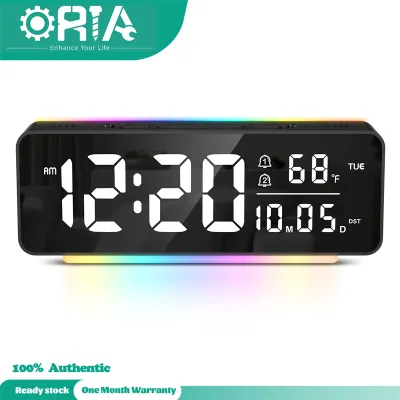
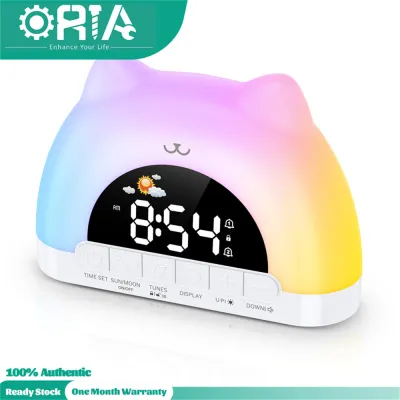
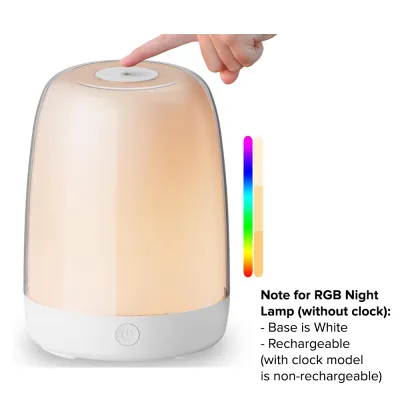
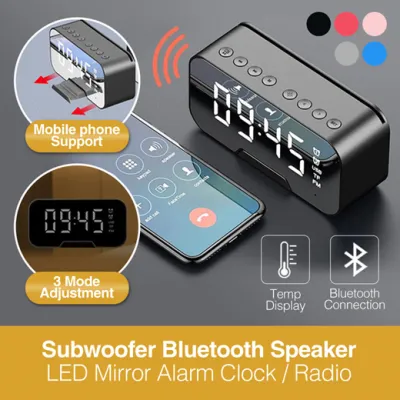
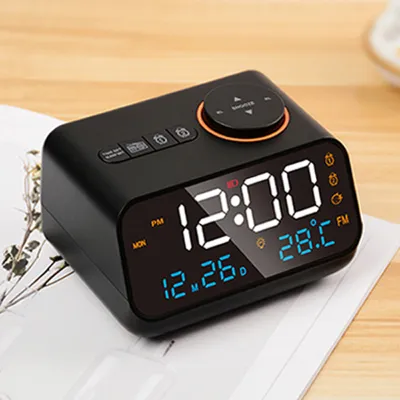
Prices are valid at publication and may change. Please refer to the product page for the latest price.
Essential Sleep-Friendly Features for Bedroom Clocks
To maintain an optimal sleep environment, look for features designed to minimize sensory stimulation. The most critical is the display’s dimming mechanism. Clocks with built-in light sensors offer automatic dimming, which adjusts the LED brightness dynamically based on ambient light. Alternatively, manual multi-level brightness controls allow you to set a fixed, low-intensity level that suits your personal sensitivity.

Silent operation is another non-negotiable requirement. Ensure the device features quiet, soft-touch buttons or rubberized controls rather than hard plastic switches that snap loudly. If the clock includes any moving parts or secondary analog hands, verify that it utilizes a silent sweep movement rather than a stepped ticking mechanism.
The alarm function should also support a gentle waking transition. Look for clocks that offer progressive alarm volumes, starting with a soft, low-frequency beep that gradually increases in intensity over several minutes. This prevents the sudden spike in heart rate associated with loud, abrupt alarms.
Finally, a well-designed bedroom clock must feature a prominent, tactile snooze button. A large, top-mounted button with a distinct texture or raised profile allows you to pause the alarm without needing to open your eyes, turn on a light, or risk knocking the clock off your bedside table.
Evaluating Display Brightness and Dimming Controls
When evaluating a digital clock led display, the color of the LEDs plays a significant role in sleep quality. Warm colors, such as red, orange, or amber, have longer wavelengths that are far less disruptive to night vision and natural sleep cycles. Cool colors, such as blue, green, and bright white, should be avoided unless the clock offers an exceptionally low minimum brightness setting.
To ensure complete darkness, look for clocks that feature a true “lights out” or display-off mode. These models allow you to turn the LED display completely dark during the night. The time only reappears temporarily when you touch the top of the clock, tap the bedside table, or make a soft sound, making this feature ideal for light-sensitive sleepers.
Before purchasing, check the product specifications or user manual to verify the dimming range. Look for models that specify “stepless dimming” or a wide adjustment range, such as 0% to 100% brightness. This level of control ensures you can fine-tune the display to a barely visible glow that does not cast shadows across your bedroom walls.
Power Sources and Nighttime Reliability
Choosing the right power configuration is essential for both convenience and reliability. Mains-powered clocks provide a consistent display and eliminate frequent battery replacements. In Singapore, ensure the power adapter is compatible with local 230V outlets and carries recognized safety certifications, such as the Safety Mark, to guarantee safe continuous operation.
To prevent missed alarms during a power trip, choose a clock equipped with a reliable battery backup system. Typically powered by a small button-cell battery (such as a CR2032), this backup keeps the internal clock running and preserves your alarm settings even if the main power cuts out. While the display itself may go dark during an outage, the alarm will still sound at the scheduled time.
Fully battery-operated clocks offer maximum placement flexibility and keep your bedside table free of cable clutter. However, because continuous LED displays consume significant power, many battery-only models default to a power-saving mode where the display remains off until manually activated. If you prefer a display that stays illuminated all night, a mains-powered clock with a battery backup is generally the more practical choice. Ensure power cords are neatly routed behind furniture to prevent tripping hazards.
Setting Up Your Bedroom Clock for Optimal Sleep Hygiene
Once you have selected a sleep-friendly clock, its placement within your bedroom is key to maximizing its benefits. Position the clock at least an arm’s length away from your bed, ideally on a nightstand that sits slightly below your eye level when lying down. This distance prevents the display from dominating your field of vision and reduces the perceived brightness of the LEDs.
If you find yourself frequently checking the time during sleepless nights—a habit that can increase sleep anxiety—try angling the clock face slightly away from your direct line of sight. Position it so that you must actively turn your head or lean over to read the display. This simple adjustment helps break the habit of clock-watching while keeping the time accessible when you actually need it.
Finally, always test your clock’s settings before your first night of use. Adjust the alarm volume to a comfortable level and test the dimming controls in a fully darkened room. Making these adjustments during the day ensures you will not have to struggle with unfamiliar buttons or bright screens when you are tired and ready to sleep.
Frequently Asked Questions (FAQ)
Do I need a smart clock with Wi-Fi for my bedroom?
While smart clocks with Wi-Fi connectivity offer convenient features like automatic time synchronization, they are often less suitable for a dedicated sleep environment. Many smart clocks feature full-color screens that emit significant ambient light, even when dimmed. They can also display notifications or background light changes that disrupt your sleep. Additionally, smart clocks raise privacy considerations due to built-in microphones and rely heavily on a stable home network. For a peaceful, distraction-free bedroom, a simple, offline digital clock led model is generally the superior choice for sleep hygiene.
Can I use a projector clock instead of a standard LED display?
Projector clocks can be an excellent alternative to traditional bedside displays, especially for those who prefer not to turn their head to check the time. These devices project a soft, low-intensity image of the time directly onto your ceiling or wall. In typical Singapore homes with standard ceiling heights of 2.6 to 2.8 meters, the projected numbers are usually sharp and easy to read without being overly bright. When choosing a projector clock, ensure the projection unit features adjustable focus, brightness controls, and a 180-degree flip function so the numbers do not appear upside down.

Community discussion
Share your experience or ask a question. Comments are reviewed before publication.