
A standing mirror is one of the most powerful design tools for transforming a compact home, offering an immediate way to bounce light, extend sightlines, and create the illusion of depth. In space-constrained apartments, such as modern condominiums and Housing & Development Board (HDB) flats, floor space is at a premium, making traditional bulky furniture impractical. A strategically selected and positioned floor mirror bypasses the need for extensive renovations, instantly tricking the eye into perceiving a room as twice its actual size. However, achieving this spatial transformation requires more than simply leaning a large glass pane against a wall. To maximize the spatial benefits without introducing visual clutter or safety hazards, you must carefully evaluate the mirror’s dimensions, frame profile, silhouette, and placement relative to your home’s natural light sources and layout.
While mirrors visually expand a room, the actual spatial effect and perceived brightness are conditional on your room’s layout, existing light sources, and personal styling preferences rather than being guaranteed universal outcomes. By understanding the core principles of light reflection and visual weight, you can make an informed decision that enhances both the functionality and aesthetic appeal of your living space.
Understanding How Mirrors Amplify Small Spaces
The spatial magic of a standing mirror relies on fundamental optical principles that alter how we perceive physical boundaries. When light hits the highly reflective silvered backing of a mirror, it bounces back into the room rather than being absorbed by dark, matte surfaces like concrete, plaster, or wood. By reflecting both natural daylight from windows and ambient light from overhead fixtures, a mirror effectively doubles the illumination in its vicinity. This increased brightness eliminates dark corners and shadows, which are notorious for making small rooms feel even more enclosed and cramped.
Products mentioned in this guide
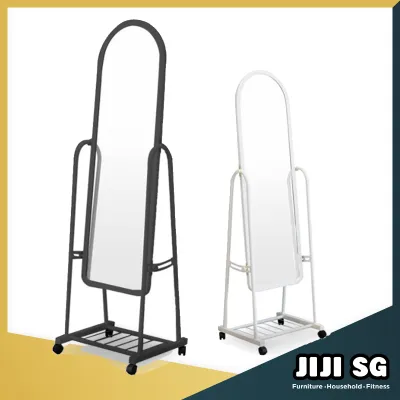
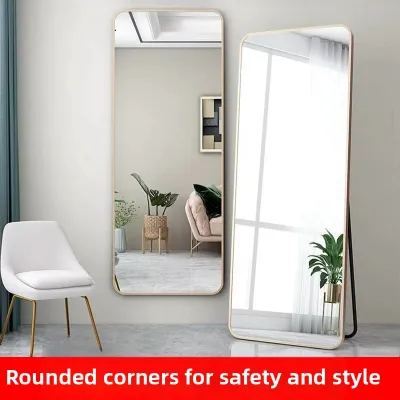
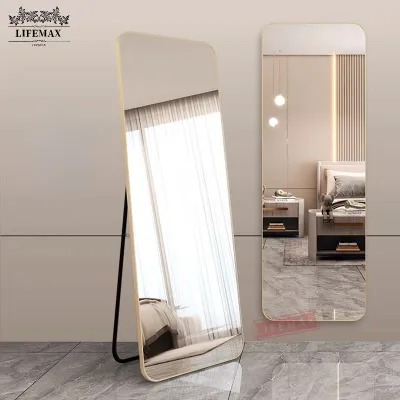
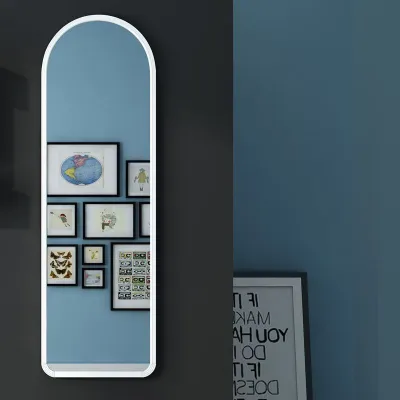
![[Delivered in 1 days]Standing Mirror Full length Mirror Floor Mirror Home Bedroom Large Mirror Hanging Wall Hanging Fitting](https://img.lazcdn.com/g/p/e18709c82d74ad5234f1ada3475c9a3d.jpg_400x400q80.jpg_.webp)
Prices are valid at publication and may change. Please refer to the product page for the latest price.
Beyond light distribution, mirrors introduce a powerful psychological phenomenon known as visual depth. When you look into a mirror, your brain registers the reflected scene as an extension of the physical room, creating a virtual corridor or “window” that breaks the solid barrier of a wall. In narrow floor plans, such as long entryways or compact living-dining areas, this extended sightline prevents the feeling of being boxed in. The eye travels through the reflection, registering a sense of openness and breathing room.
However, the frame surrounding the glass plays a critical role in determining whether a mirror expands or constricts a space. Every object in a room possesses “visual weight”—the amount of attention it commands and the physical space it appears to occupy. A mirror with a thick, dark, or heavily carved frame acts as a strong visual stop sign, drawing attention to its physical boundaries and emphasizing the limits of the room. Conversely, a frameless mirror or one with an ultra-thin metal frame allows the reflection to blend seamlessly with the surrounding wall, minimizing visual weight and maximizing the illusion of continuous space.
Core Selection Criteria for Space-Enhancing Mirrors
Selecting the right standing mirror for a compact home requires a careful balance of proportions, frame design, and silhouette. The goal is to choose a piece that feels intentional and integrated rather than an oversized afterthought that dominates the room.

Proportional Sizing and Height
In compact homes, vertical space is your greatest asset. Standard residential ceilings in Singapore typically range from 2.6 to 2.8 meters. To make a room feel taller, select a standing mirror that stands at least 1.6 to 1.8 meters tall. A tall mirror draws the eye upward, emphasizing the vertical volume of the room rather than its limited floor area. When evaluating width, aim for a proportion that complements adjacent furniture. For instance, if placing a mirror next to a sideboard or console table, the mirror’s width should ideally be around one-half to two-thirds the width of the furniture piece to maintain a balanced, harmonious scale.
Frame Profiles and Visual Clutter
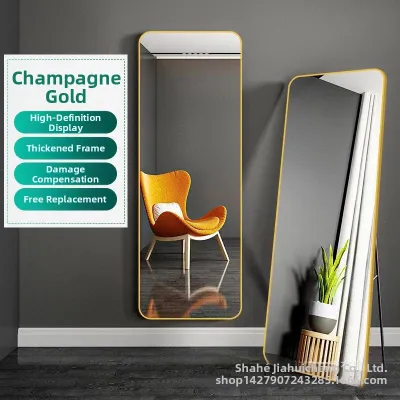
To keep visual clutter to a minimum, prioritize frames with clean, minimalist profiles. Frameless mirrors offer the most seamless transition between the wall and the reflection, making them ideal for ultra-minimalist or modern interiors. Thin metal frames made from slim aluminum or powder-coated steel (typically 1 to 2 centimeters wide) provide structural support and a clean border without adding unnecessary visual weight. Matte black, brushed brass, or satin silver finishes work well to complement existing hardware in the home. Alternatively, recessed or shadow-box frames feature a slight inset where the glass sits a few millimeters behind the front edge of the frame, adding subtle depth and architectural interest without protruding into the room’s physical footprint.
Silhouette and Room Geometry
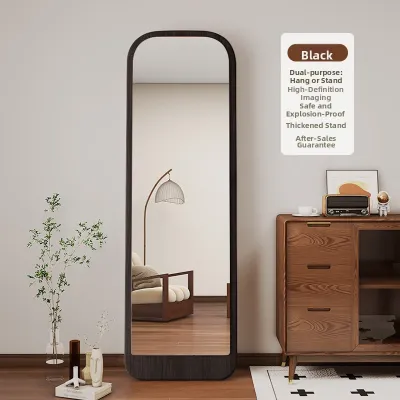
The shape of the mirror’s top edge significantly influences the mood and flow of a compact room. An arched or curved top softens the rigid, linear angles common in modern apartments. The gentle curve guides the eye upward in a smooth arc, creating a sense of height and architectural elegance. Arched mirrors work exceptionally well in living rooms and entryways where you want to create a welcoming, organic feel. On the other hand, clean, sharp rectangular mirrors offer structured symmetry and align perfectly with the vertical and horizontal lines of walls, doors, and windows. They are highly effective for creating formal focal points and work well when aligned parallel to dining tables or long hallways.
Comparing Mirror Shapes and Styles for Compact Rooms
Different mirror styles offer distinct spatial advantages and limitations. Understanding these trade-offs allows you to select a style that aligns with your specific layout and aesthetic goals.
| Mirror Style | Spatial Effect | Ideal Room Placement | Potential Limitations in Small Spaces |
|---|---|---|---|
| Oversized Rectangular | Maximizes light reflection and creates a dramatic "window" effect that doubles the perceived room size. | Living room accent wall, dining area parallel to the table. | High physical footprint; can feel imposing if the frame is too thick. |
| Arched Floor Mirror | Softens harsh room corners, draws the eye upward, and adds architectural interest. | Entryway, bedroom corner, or adjacent to a low-profile sofa. | Slightly reduced reflective surface area at the top corners compared to rectangular shapes. |
| Beveled Edge Leaner | Frameless design offers seamless integration; beveled edges catch and refract light like a prism. | Narrow hallways, walk-in wardrobes, or minimalist bedrooms. | Requires careful wall anchoring as there is no protective outer frame to absorb impacts. |
| Slim Metal-Framed | Provides a clean, modern border that defines the reflection without adding visual weight. | Study rooms, small living areas, or transitional spaces. | Minimal decorative impact if you prefer a bold, statement-making design. |
When choosing a style, avoid heavily ornate, chunky, or deeply carved wooden frames. While beautiful in spacious rustic or classic settings, these frames consume valuable physical clearance and create visual noise. In a compact room, a heavy frame acts as a boundary marker, reminding the viewer of the room’s physical limitations rather than expanding them.
Strategic Placement to Maximize Light and Depth
The effectiveness of a standing mirror depends heavily on where it is placed and what it reflects. Poor placement can result in glare, visual confusion, or simply a reflection of a cluttered corner.
Capturing and Bouncing Light
To maximize brightness, position your standing mirror adjacent to or opposite a primary light source, such as a balcony sliding door or a large window. When placed at an angle to a window, the mirror catches incoming daylight and bounces it deep into the darker recesses of the room. If natural light is limited, place the mirror near an artificial light source, such as a floor lamp or a warm pendant light. The reflection will amplify the artificial glow, creating a warm, layered ambiance during evening hours.
Reflecting Intentional Focal Points
A mirror reflects everything in its path, so it is crucial to curate its field of view. Angle the mirror to reflect visually pleasing elements of your home, such as a piece of artwork, a well-styled bookshelf, or indoor plants. Reflecting greenery from indoor potted plants or an outdoor balcony garden creates a refreshing, biophilic connection that makes the indoor space feel more expansive and alive. Avoid placing a mirror directly opposite high-traffic walkways, utility areas, kitchen counters, or open storage shelves, as reflecting these areas will double the visual clutter and make the home feel disorganized.
Avoiding Glare and Environmental Damage
While bouncing light is desirable, avoid placing a mirror where it will receive direct, intense tropical sunlight for extended periods. Direct sunlight can create blinding glare that makes the room uncomfortable to sit in. Furthermore, prolonged exposure to intense heat and UV rays can damage the mirror’s backing material, leading to “black edge” or desilvering, where the reflective coating degrades and peels away. Position the mirror slightly offset from direct sunbeams to enjoy the ambient brightness without the harsh glare or material degradation.
Safety, Anchoring, and Pre-Purchase Logistics
Because standing mirrors are large, heavy objects, safety and logistical planning are paramount before making a purchase. This is especially true in high-density housing where space is tight and safety risks must be minimized.
Anti-Tip Measures and Secure Anchoring
A freestanding mirror that simply leans against a wall poses a significant safety risk, particularly in homes with children, pets, or frequent guests. To prevent accidental tipping, always secure the mirror using anti-tip wall anchors, safety straps, or heavy-duty brackets. Many modern standing mirrors come equipped with pre-installed D-rings or mounting hardware on the back. Ensure the wall anchors used are appropriate for your wall type (such as heavy-duty toggle bolts for drywall or masonry plugs for concrete walls). If you are leaning a mirror, the base should be positioned on a non-slip surface or fitted with rubber grip pads to prevent the bottom from sliding outward.
Delivery Clearance and Transit Logistics
Before finalizing your purchase, measure the entire delivery path from the building’s entrance to the mirror’s final destination. In Singapore, this includes measuring the height, width, and diagonal clearance of elevator cabins, stairwells, corridor corners, and your front doorway. A mirror that is 2 meters tall may not fit into a standard residential lift if the ceiling height of the lift cabin is low. Verifying these dimensions beforehand prevents costly delivery failures, return fees, or the logistical headache of maneuvering a fragile, heavy item up multiple flights of stairs.
Electrical Safety for LED-Integrated Mirrors
If you select a standing mirror with integrated LED lighting, additional electrical safety checks are required. Ensure there is an accessible power outlet near the mirror’s intended location to avoid running long, unsightly extension cords across the floor, which present a tripping hazard. Verify that the mirror’s power adapter and electrical components are compatible with local voltage standards (220V-240V, 50Hz) and carry recognized safety certifications, such as the Singapore Safety Mark. For any integrated lighting that requires fixed wiring or installation in damp areas like bathrooms, always isolate the power supply at the main circuit breaker before proceeding, follow the manufacturer’s installation instructions, and consult a qualified electrician to ensure compliance with local electrical standards.
Frequently Asked Questions (FAQ)
Can a standing mirror make a dark room feel brighter?
Yes, a standing mirror can significantly brighten a dark room, but it requires an existing light source to do so. Mirrors do not generate light; they only redirect it. To achieve a brightening effect, position the mirror where it can capture light from a nearby window, a hallway light, or a floor lamp. Placing the mirror opposite a light-colored wall also helps, as the mirror will reflect the light wall, visually opening up the dark space and distributing ambient light more evenly throughout the room.
How do I clean a large standing mirror without leaving streaks?
To clean a large standing mirror without leaving streaks, use a clean, lint-free microfiber cloth and a mild glass cleaner or a DIY solution of equal parts distilled water and white vinegar. Avoid using paper towels, which can leave lint and residue behind. Spray the cleaning solution directly onto the microfiber cloth rather than the glass to prevent liquid from pooling at the bottom edges, which can damage the silver backing over time. Wipe the mirror in a consistent S-pattern from top to bottom, and use a second dry microfiber cloth to buff the surface to a crystal-clear finish.

Community discussion
Share your experience or ask a question. Comments are reviewed before publication.