
Finding the perfect wabi-sabi floor lamp requires looking beyond its organic beauty to evaluate how its physical dimensions, material textures, and light output interact with your living room. A well-chosen lamp acts as a quiet focal point, balancing the scale of your furniture while casting a soft, glare-free glow that enhances the room’s natural warmth. By matching the lamp’s physical presence to your space and verifying its technical compatibility, you can create a harmonious, relaxing environment.
Assessing Your Living Room Dimensions and Lamp Scale
Selecting a floor lamp starts with understanding the physical proportions of your living room. Standard floor lamps typically range from 150 to 180 centimeters in height. If your living room has a standard ceiling height, a lamp within this range will feel balanced; however, an exceptionally tall lamp can make a low ceiling feel lower, while a short lamp may look visually lost in a double-volume space.
The floor footprint of the lamp base is equally critical, especially in compact urban living rooms. Before purchasing, measure the available floor space next to your sofa, armchair, or in your chosen corner. Tripod bases and arched designs require a wider clearance and can easily obstruct walkways if placed in tight spots, whereas a slender vertical pole with a compact, heavy base fits neatly into tight corners.
Products mentioned in this guide
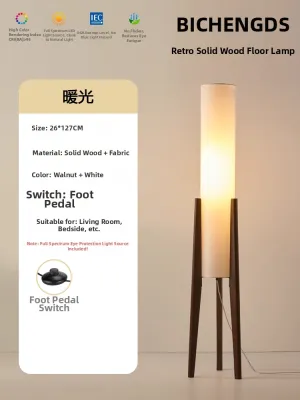
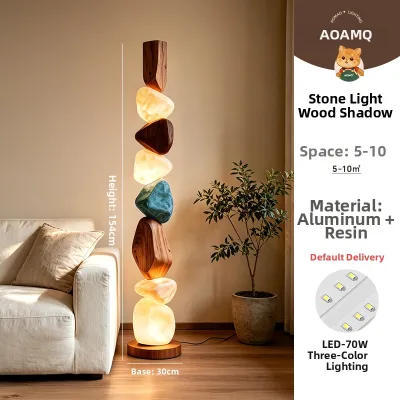
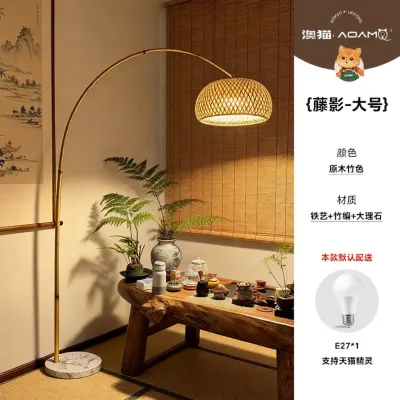
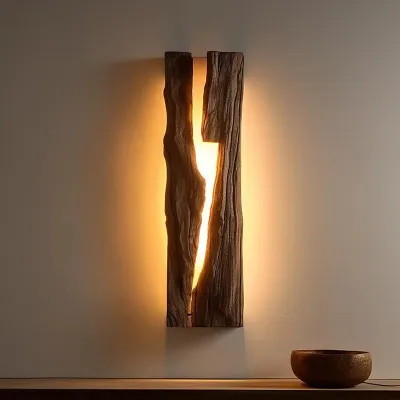
Prices are valid at publication and may change. Please refer to the product page for the latest price.
Visual weight also dictates how a lamp fits into a room’s layout. A lamp with a bulky, rough-hewn stone or thick ceramic base has high visual weight, meaning it draws the eye immediately and requires plenty of open space around it to avoid looking cluttered. Conversely, a lamp featuring a slender timber stem and a delicate paper shade has a lighter visual weight, allowing it to blend effortlessly into smaller seating areas without overwhelming the surrounding decor.
Matching Wabi Sabi Materials with Your Existing Decor
Wabi-sabi design celebrates the beauty of natural, imperfect materials. Common elements include weathered wood, unglazed ceramics, textured linen, and handmade paper. To integrate a wabi-sabi floor lamp successfully, observe the dominant finishes of your existing furniture and choose a lamp material that offers a complementary contrast rather than a direct clash.

If your living room features sleek, modern surfaces like polished metal, glass, or high-gloss lacquer, a lamp with a highly textured ceramic or raw timber base provides an inviting tactile contrast. For spaces that already embrace rustic or bohemian styles, a lamp with a simpler texture, such as a smooth linen shade or a minimalist wooden stand, helps maintain visual balance without creating sensory overload.
Color harmony is essential for achieving a cohesive look. Wabi-sabi lamps typically utilize an earthy, neutral color palette consisting of sand, clay, charcoal, cream, and soft ochre. These organic tones allow the lamp to bridge the gap between different design styles, serving as a grounding element that ties together minimalist, Scandinavian, or traditional rustic interiors.
Embracing intentional imperfections is a core tenet of this aesthetic. Visible wood grain, asymmetrical ceramic shapes, and uneven weaves in paper or fabric shades are characteristics to be celebrated. Before finalizing your choice, ensure these organic, handcrafted traits align with your personal style preferences and enhance the overall character of your living space.
Selecting the Right Light Quality and Bulb Type
The primary function of a wabi-sabi lamp is to provide soft, diffused ambient lighting that fosters a sense of calm. Harsh, direct light from an exposed bulb contradicts this design philosophy. To achieve the desired atmosphere, prioritize lamps that completely shield the light source or diffuse it through semi-translucent materials.
When selecting a bulb, pay close attention to the color temperature, which is measured in Kelvin (K). For a warm, relaxing glow that mimics candlelight or a sunset, look for bulbs labeled as warm white or extra warm white, typically ranging between 2200K and 2700K. Avoid cool white or daylight bulbs, which can make natural materials look sterile and cold.
The shade material plays a pivotal role in how light is distributed throughout the room. Woven rattan, thick linen, and handmade washi paper are excellent choices because they scatter light gently, eliminating harsh shadows and glare. A paper shade will offer a soft, uniform glow, while a woven rattan shade will cast intricate, organic shadow patterns across your walls.
Before purchasing, always verify the technical specifications on the product label. Check the socket type, such as E27 or E14, and ensure the bulb’s wattage does not exceed the manufacturer’s maximum limit to prevent overheating. Additionally, confirm that the lamp is compatible with local voltage standards (220V-240V) and carries recognized electrical safety certifications. If you plan to adjust the light levels throughout the evening, verify that both the lamp’s switch mechanism and your chosen bulb support dimming.
Placement and Safety Checks for Floor Lamps
Proper placement enhances both the functionality and safety of your floor lamp. Position your lamp in underutilized areas, such as reading nooks, beside an armchair, or in dark corners, to create layered lighting zones. Avoid placing the lamp directly in high-traffic pathways where the power cord or the base could present a tripping hazard.
Stability is a crucial safety consideration, particularly in active households. Lamps with heavy stone or ceramic bases offer excellent stability but can be difficult to move and may cause damage if tipped. Lightweight paper or slender wooden lamps are easy to reposition but are more susceptible to being knocked over by pets or young children. Test the balance of the lamp on your specific flooring, ensuring it sits level on both hard floors and thick carpets.
Always review the manufacturer’s instructions regarding cord management and heat emission. Keep power cords tucked neatly along baseboards or secured under furniture to maintain a clean look and prevent accidents. Because some natural shade materials like paper or dried grasses are flammable, ensure there is adequate physical clearance between the bulb and the shade, and never exceed the recommended bulb wattage.
Frequently Asked Questions (FAQ)
Can a wabi sabi floor lamp work in a modern minimalist living room?
Yes, a wabi-sabi floor lamp can serve as an excellent organic focal point in a modern minimalist living room. The natural textures of wood, paper, or ceramic soften the clean lines and stark surfaces typical of minimalist design, adding warmth and character. To maintain a cohesive look, select a lamp with a streamlined silhouette, such as a slender wooden stand with a simple paper shade, which respects the minimalist aesthetic while introducing a touch of natural warmth.
How do I clean natural materials like rice paper or raw wood on a lamp?
Natural materials require gentle care to preserve their texture and appearance. Use a soft, dry microfiber cloth or a clean feather duster to gently remove dust from paper shades and untreated wood bases. Avoid using water, liquid cleaners, or damp cloths, as moisture can warp paper, stain raw wood, or damage unglazed ceramics. Always consult the manufacturer’s specific care instructions before attempting any deep cleaning or spot removal.

Community discussion
Share your experience or ask a question. Comments are reviewed before publication.