
Selecting the right oil lamp for the Hungry Ghost Festival (Zhong Yuan Jie) involves balancing cultural reverence with practical safety. During the Seventh Month in Singapore, families and business owners set up altars to pay respects to ancestors and wandering spirits. The oil lamp serves as a vital beacon on these altars, symbolizing warmth, guidance, and continuous light. Choosing the ideal lamp requires evaluating where the offerings are placed, the durability of the materials, and how to manage open flames safely in residential or outdoor environments.
Understanding Traditional Requirements for Seventh Month Worship
In Chinese tradition, the continuous flame of an oil lamp represents the spark of life and serves as a guiding light for visiting spirits. During the Hungry Ghost Festival, keeping a lamp lit on the altar signifies respect and ensures that ancestors can find their way to the offerings. The light is believed to dispel darkness and bring comfort to the spirits as they traverse the earthly realm.
When selecting a lamp, color and design play significant roles in setting the correct tone for worship. Red is highly favored for ancestral altars as it symbolizes vitality, auspiciousness, and family continuity. Yellow or gold lamps are also common, representing reverence and spiritual transition. Clear glass lamps are widely accepted for their purity and simplicity. It is generally recommended to avoid dark, somber colors that do not align with the welcoming nature of the offerings.
Products mentioned in this guide
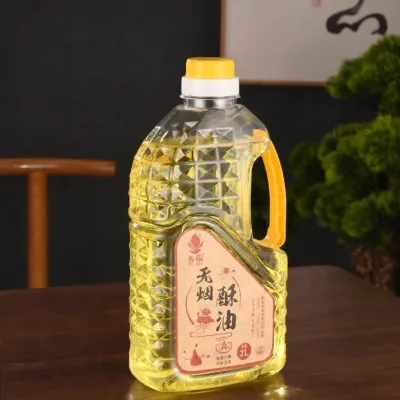
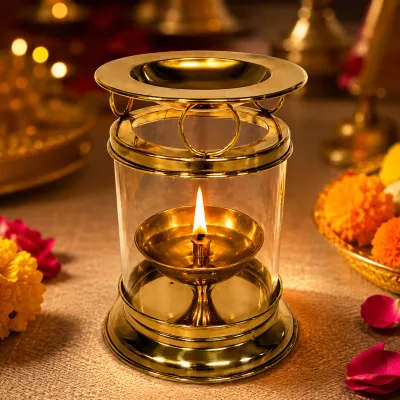
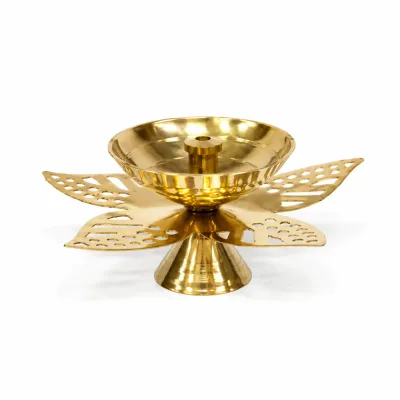
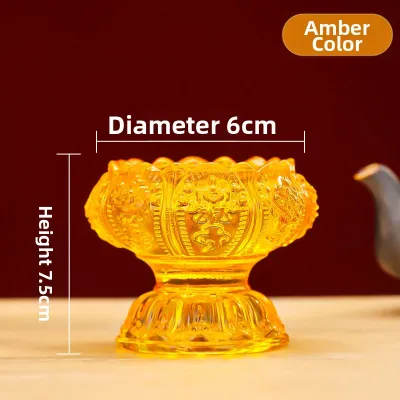
Prices are valid at publication and may change. Please refer to the product page for the latest price.
The physical environment of your worship setup dictates the type of lamp you need. Indoor ancestral altars, typically situated in HDB flats or private homes, require stable, clean-burning lamps that produce minimal smoke. Conversely, outdoor street offerings—often arranged on temporary tables near estate burner bins—are exposed to wind and drafts. These outdoor setups require heavy-duty lamps with protective glass chimneys or windproof designs to prevent the flame from being extinguished prematurely.
Comparing Oil Lamp Materials for Altar Use
Glass and crystal oil lamps are highly popular due to their transparency and reflective beauty. The clear body allows you to monitor the oil level at a glance, ensuring the lamp does not run dry during prayers. Crystal lamps catch and scatter the flame’s light, creating a bright and serene atmosphere on the altar. However, glass can be sensitive to sudden temperature changes. It is essential to check the manufacturer’s specifications to ensure the glass is rated for high thermal resistance before purchasing.

Ceramic and porcelain lamps offer a classic, traditional aesthetic that complements heritage altars. These materials are generally heavier than glass, providing excellent base stability that reduces the risk of accidental tipping. The primary trade-off is their opacity; you cannot visually track the oil level from the outside. Users must manually check the reservoir before lighting to avoid burning the wick dry, which produces unpleasant smoke and damages the wick holder.
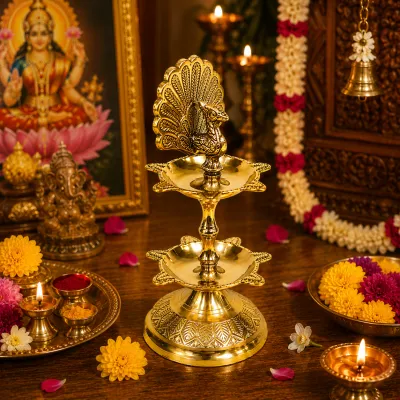
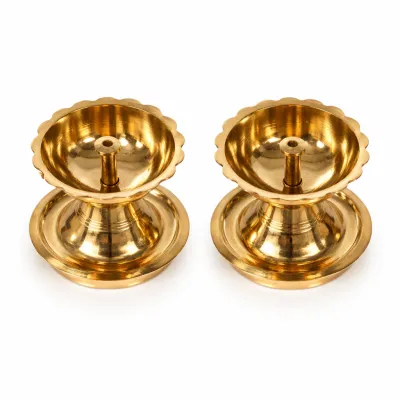
Metal lamps, typically crafted from brass or copper, are valued for their exceptional durability and resistance to breaking. They bring a dignified, timeless look to any offering table. However, metal conducts heat rapidly, meaning the entire lamp body can become extremely hot to the touch during use. Metal also requires regular maintenance, as exposure to Singapore’s humid climate and spilled lamp oil can cause tarnishing and corrosion over time.
Before finalizing your choice, always verify the manufacturer’s instructions regarding material limits. Ensure the lamp is explicitly rated for the environment you intend to use it in, whether indoors on a dedicated altar or outdoors on a temporary offering table.
Sizing and Placement Guidelines for Offering Tables
An oil lamp should be proportioned appropriately to the size of your altar. A lamp that is too large can crowd the offering space, leaving little room for incense burners, fruit plates, tea cups, and food offerings. Conversely, a lamp that is too small may look out of place and hold insufficient oil for the duration of your prayers. Measure your available altar space before shopping to ensure a balanced layout.
Symmetry is a core principle in traditional Chinese altar arrangements. Typically, oil lamps are purchased and placed in identical pairs. Position one lamp on the far left and the other on the far right of the altar, framing the central deity statues or ancestral tablets. This balanced placement represents harmony and ensures even illumination across the entire offering setup.
Safety clearances are critical when positioning open flames on an offering table. Maintain a generous distance between the oil lamps and any combustible materials, such as paper offerings, joss sticks, decorative fabrics, or low-hanging curtains. Ensure there is ample vertical clearance as well, keeping the flame far below any wooden shelving or low ceilings to prevent heat damage or ignition.
Evaluate the oil reservoir capacity against your intended burn time. If your family tradition requires the lamps to burn continuously throughout the night, select a lamp with a larger reservoir designed for extended use. If you only light the lamps during active prayer sessions, a smaller, more compact reservoir is sufficient and easier to manage.
Safety and Maintenance for Open-Flame Lamps
Using the correct fuel is the most critical factor in operating an oil lamp safely. Only use high-quality, refined lamp oils, such as pure paraffin oil or specialized liquid wax designed specifically for indoor altars. Never use volatile fuels like kerosene, petrol, methylated spirits, or cooking oil. Unapproved fuels can produce toxic fumes, excessive soot, or flash fires that are incredibly difficult to control.
Proper wick management keeps the flame stable and minimizes smoke. Keep the wick trimmed to a height of approximately one to two millimeters above the burner nozzle. A wick that is too long will create a high, dancing flame that flickers wildly, generates heavy black soot, and consumes fuel too quickly. Regularly trim away the charred tip of the wick before relighting the lamp.
To protect your furniture and prevent fire hazards, always place your oil lamps on a flat, non-combustible surface. A ceramic tray, stone tile, or heat-resistant metal plate works well to catch accidental oil drips or heat buildup. Keep the altar area free from drafts caused by open windows, air conditioning units, or standing fans, as sudden gusts can blow the flame onto nearby items.
Inspect your lamps regularly for signs of wear and tear. Discontinue use immediately if you detect hairline cracks in glass or ceramic, structural instability, or oil seeping through the seams of the lamp. If you decide to transition from open-flame lamps to electrical altar fixtures, consult a qualified professional to ensure the wiring, voltage, and electrical certifications meet local safety standards.
Frequently Asked Questions (FAQ)
Can I use LED flameless candles instead of traditional oil lamps?
Yes, LED flameless candles are an increasingly popular and practical alternative to traditional oil lamps. They eliminate the risks associated with open flames, hot wax, and smoke, making them highly suitable for households with young children, pets, or strict fire safety regulations. They are also excellent for outdoor setups where wind constantly blows out real flames. While some traditionalists prefer the symbolic warmth of a living flame, many modern families accept LED alternatives for their safety and convenience. Check with your family elders or temple guidelines if you wish to align with specific household traditions.
How do I safely dispose of leftover lamp oil after the festival?
Leftover lamp oil must be handled with care to protect your home plumbing and the environment. Store any remaining oil in its original, tightly sealed container, clearly labeled and kept in a cool, dry place away from direct sunlight and heat sources. Never pour unused lamp oil down the kitchen sink, toilet, or public drains, as it can solidify, clog pipes, and contaminate local water systems. For disposal, seal the oil in a leak-proof container and check with local municipal waste management guidelines for instructions on disposing of household chemical waste safely.

Community discussion
Share your experience or ask a question. Comments are reviewed before publication.