
Selecting the right kumkum for your daily home worship is a decision that balances spiritual devotion with personal well-being. In many households across Singapore, the daily ritual of applying kumkum to the forehead or offering it to deities is a sacred practice that signifies energy, protection, and auspiciousness. Because this powder comes into direct contact with your skin every single day, understanding what goes into its production is just as important as its role on your prayer altar. Choosing an authentic, high-quality product ensures that your daily rituals remain a source of peace and purity, free from the worry of skin irritation or chemical exposure.
Navigating the local market requires a discerning eye, especially with the wide variety of imported religious goods available. From traditional powders to modern liquid formulations, the options can be overwhelming for those seeking genuine ingredients. By focusing on the formulation, evaluating physical quality indicators, and knowing where to source verified products locally, you can confidently select a kumkum that honors your traditions and protects your health. This guide provides practical steps to help you identify authentic kumkum, maintain its purity at home, and make informed choices during your next shopping trip.
Understanding Kumkum Formulations for Daily Rituals
Kumkum is available in several distinct forms, each catering to different preferences, lifestyles, and ritual requirements. The most traditional form is dry kumkum powder, which is highly favored for formal deity worship and elaborate home pujas. This powder can be applied dry or mixed with a small drop of water, ghee, or sesame oil to create a paste that adheres smoothly to the skin. For those with busy daily schedules, liquid kumkum and ready-made pastes offer a convenient, mess-free alternative that dries quickly and resists smudging throughout the day. However, these modern formulations often require stabilizers and binders to maintain their liquid state, making it crucial to examine their ingredient lists closely.
Products mentioned in this guide
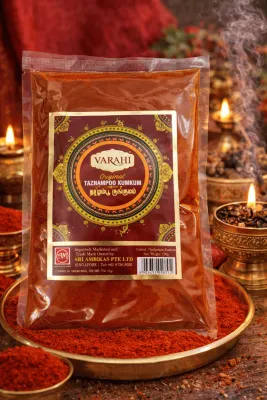
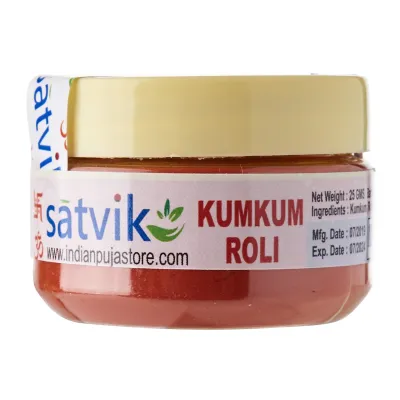
Prices are valid at publication and may change. Please refer to the product page for the latest price.
To make an informed choice, it is essential to understand the difference between natural and synthetic bases. Authentic, traditional kumkum is crafted through a natural chemical reaction between pure turmeric powder and slaked lime (calcium hydroxide). This traditional process transforms the bright yellow turmeric into a rich, deep red or maroon powder, retaining the natural antiseptic and soothing properties of turmeric. In contrast, many mass-produced commercial varieties substitute these natural ingredients with synthetic dyes, industrial pigments, and heavy artificial fragrances to lower production costs and achieve an unnaturally bright red hue. These synthetic additives can be harsh on the skin, particularly when applied daily to the sensitive forehead area.
When browsing products in Singapore, always prioritize brands that provide clear ingredient transparency on their packaging. Look for labels that explicitly state the use of a natural turmeric base or identify the product as herbal kumkum. Some reputable manufacturers also highlight skin-safe certifications or dermatological testing on their packaging to reassure consumers. While traditional religious items may not always carry the same clinical labels as modern cosmetics, choosing brands that actively commit to chemical-free or non-toxic formulations is a reliable way to safeguard your skin from unwanted reactions during daily worship.
How to Evaluate Kumkum Quality and Purity
Evaluating the quality of kumkum before regular use involves assessing its physical characteristics, packaging, and how it interacts with your skin. Authentic, turmeric-based kumkum typically exhibits a deep, earthy red or maroon color rather than an unnaturally vibrant, fluorescent, or neon red shade. When you touch the powder, it should feel incredibly fine, soft, and smooth, resembling the texture of finely milled flour. If the powder feels gritty, excessively heavy, or contains hard clumps, it may be adulterated with cheap fillers like starch, chalk, or industrial talc, or it may have been exposed to excessive moisture during storage.

Packaging plays a critical role in preserving the purity and longevity of kumkum. High-quality brands package their products in airtight containers, sealed foil pouches, or sturdy glass jars to prevent exposure to ambient humidity and airborne contaminants. When shopping, inspect the packaging to ensure the factory seal is completely intact and look for clearly printed manufacturing and expiration dates. Because natural ingredients can degrade over time, using fresh, well-sealed kumkum ensures that the powder retains its natural aroma, color, and skin-friendly properties without harboring bacteria.
Before incorporating a new brand of kumkum into your daily routine, performing a simple skin patch test is a highly recommended safety measure. Mix a tiny amount of the powder with water and apply it to a small, discreet area of skin, such as your inner forearm or behind your ear. Leave it on for a few hours while monitoring for any signs of redness, itching, burning, or swelling. If your skin remains clear and comfortable, the product is likely safe for daily facial application. This quick check is especially important for individuals with sensitive skin or pre-existing dermatological conditions.
To ensure safety and authenticity, it is best to avoid purchasing unbranded, loosely packed bulk powders that are often sold in plain, unlabeled plastic bags. These products rarely provide information regarding their ingredients, origin, or manufacturing standards, making it impossible to verify their safety. Investing a small amount more in a branded, properly packaged product gives you peace of mind, ensuring that the offerings on your altar and the mark on your forehead are of the highest possible standard.
Where to Source Authentic Kumkum in Singapore
Finding authentic kumkum in Singapore is straightforward if you know where to look and how to identify credible sellers. Traditional brick-and-mortar shops located in cultural enclaves like Little India are excellent starting points. Specialized Indian grocery stores and dedicated religious supply shops in these neighborhoods carry established, time-tested brands that are trusted by the local community. Shopping in person allows you to physically examine the packaging, check for secure seals, and sometimes even sample the texture or scent of the powder before making a purchase. The shopkeepers in these specialized stores are often highly knowledgeable and can guide you toward traditional, turmeric-based options.
If you prefer the convenience of online shopping, navigating online marketplaces and ecommerce platforms requires a cautious approach. To avoid counterfeit or low-quality products, filter your search results to focus on official brand stores or highly rated, verified sellers who specialize in authentic prayer items. Take the time to read recent customer reviews, looking specifically for feedback regarding the product’s color, texture, scent, and whether other buyers experienced any skin irritation. Avoid listings that feature vague descriptions, lack clear packaging photos, or offer prices that seem unusually low compared to established market rates.
Regardless of whether you buy in-store or online, always verify the import labels and distributor information on the product packaging. In Singapore, reputable imported goods typically feature a label or sticker detailing the local distributor’s name, address, and contact information. This label indicates that the product has entered the country through legitimate supply chains and complies with basic consumer safety and labeling standards. Checking for these details is a simple yet effective way to ensure you are purchasing a genuine product rather than an unregulated parallel import.
Storing and Maintaining Kumkum for Daily Use
Proper storage is essential to maintain the quality, hygiene, and spiritual purity of your kumkum over time. Store your kumkum containers in a cool, dry place that is completely shielded from direct sunlight and high humidity. While it is customary to keep prayer accessories on or near your home altar, try to position the kumkum container away from direct heat sources, such as oil lamps, brass diyas, or burning incense. Excessive heat and moisture can cause the natural pigments in turmeric-based kumkum to fade, alter its texture, and degrade its natural fragrance.
Maintaining strict hygiene practices when handling your kumkum will prevent contamination and extend its shelf life. Instead of dipping damp or unwashed fingers directly into the main container, use a clean, dry spoon or a dedicated applicator, such as a traditional brass or silver stick, to scoop out the required amount. Introducing moisture, natural skin oils, or dust into the container can cause the powder to clump and create an environment where mold or bacteria can thrive. If you prefer applying kumkum with your fingers, ensure your hands are thoroughly washed and completely dry before touching the powder.
Regularly inspect your kumkum supply for any signs of spoilage or degradation. If you notice a change in its characteristic earthy aroma, observe visible mold growth, or find that the powder has developed hard, damp clumps that do not easily break apart, discard the product immediately. Using compromised kumkum not only detracts from the sanctity of your daily prayers but also poses a direct risk of skin infections or allergic reactions. Establishing a habit of replacing your kumkum regularly ensures that your daily offerings remain fresh, pure, and safe.
Frequently Asked Questions (FAQ)
Can I use regular cosmetic sindoor as kumkum for puja?
Regular cosmetic sindoor and traditional ritual kumkum are formulated differently and serve distinct purposes. Cosmetic sindoor is specifically designed for long-lasting wear on the skin and often contains synthetic binders, adhesive chemicals, and sometimes even metallic compounds or fine glitter to help it adhere to the parting of the hair. While these additives make cosmetic sindoor highly durable for daily wear, they are generally not suitable for traditional ritual offerings to deities. Authentic kumkum, made from a natural turmeric and lime base, is formulated with simple, traditional ingredients that respect ritual purity while remaining safe for both personal application and altar offerings.
What should I do if kumkum causes skin irritation?
If you experience any redness, itching, burning, or swelling after applying kumkum, you should immediately stop using the product. Gently wash the affected area with cool water and a mild, fragrance-free soap to remove all traces of the powder from your skin. Avoid applying other cosmetics, perfumed lotions, or unverified home remedies to the irritated area, as these can exacerbate the reaction. Keep the skin clean and dry, and monitor the irritation closely. If the redness or discomfort persists, spreads, or develops into a persistent rash, consult a qualified healthcare professional or dermatologist to receive appropriate medical advice and treatment.

Community discussion
Share your experience or ask a question. Comments are reviewed before publication.