
To make a compact bedroom feel significantly larger, the right bedroom mirror must do more than simply reflect your image; it must strategically manipulate light and sightlines. Choosing the right brand involves looking past aesthetic appeal to evaluate structural integrity, glass purity, and mounting safety. By focusing on brands that prioritize high-fidelity glass, slim profiles, and secure installation systems, you can transform a cramped sleeping area into an airy, light-filled sanctuary.
When space is at a premium, every design choice carries extra weight. A poorly constructed mirror can distort reflections, warp over time, or fail to catch the light effectively, which actually emphasizes the room’s physical boundaries rather than expanding them. Conversely, a high-quality mirror acts as a visual escape valve, creating depth where none exists. To achieve this effect, you must understand the technical and design features that differentiate premium mirror brands from low-grade alternatives.
Beyond the physical reflection of light, a well-chosen mirror has a profound psychological impact. It breaks the visual monotony of solid walls, tricking the brain into perceiving an extended pathway or an additional window. This simple shift in perception can make a compact sleeping area feel significantly less claustrophobic, transforming your bedroom from a tight, functional space into a relaxing retreat.
Products mentioned in this guide
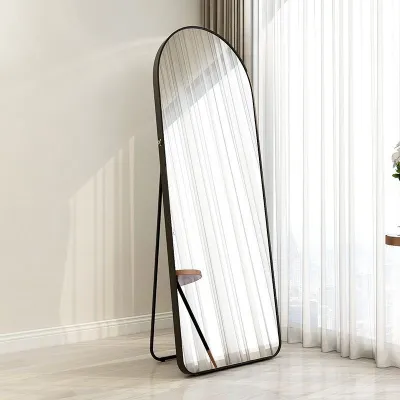
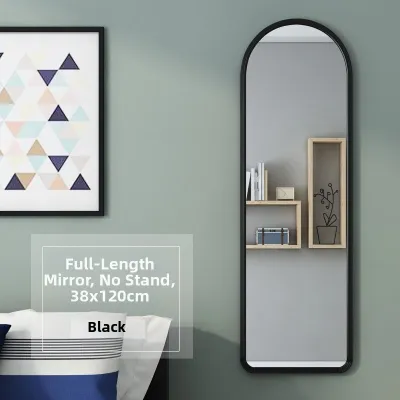

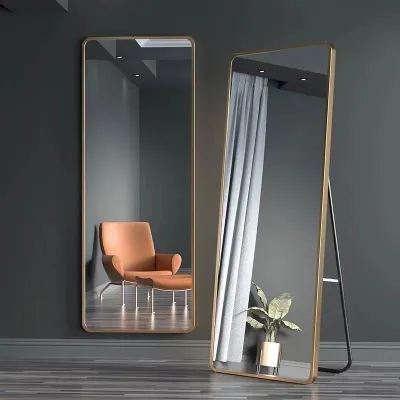
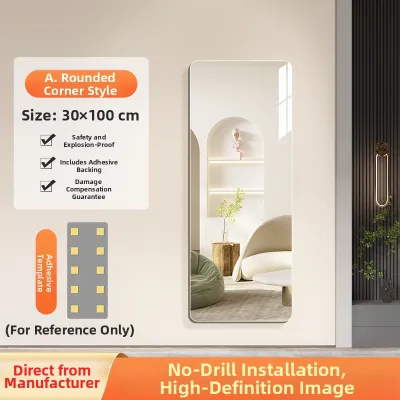
![[SG] Garolini High Quality Dressing Table With white Vanity Dressing Table Mirror](https://img.lazcdn.com/g/p/ee07feaa35cb5feeaa5f699f071a5b99.jpg_400x400q80.jpg_.webp)

Prices are valid at publication and may change. Please refer to the product page for the latest price.
Key Design Features That Create the Illusion of Space
The relationship between a mirror’s physical dimensions and the surrounding wall space dictates its spatial impact. In a small bedroom, a mirror that is too small can look like an afterthought, breaking up the wall and highlighting the room’s limited footprint. To create a convincing illusion of depth, the mirror should occupy a significant portion of the wall’s width or height. For instance, when hanging a mirror above a dresser or bed, selecting a brand that offers widths spanning approximately two-thirds to three-quarters of the furniture’s width ensures a balanced, expansive look.
Frame styles play a pivotal role in how our eyes perceive spatial boundaries. Frameless mirrors are highly effective for small rooms because their edges blend directly into the wall. This lack of a hard border allows the reflected image to merge seamlessly with the physical room, minimizing visual clutter. If you prefer a framed aesthetic, look for brands that specialize in ultra-thin metal frames, particularly in light or reflective finishes like brushed brass, satin nickel, or matte white. These slim profiles provide a clean, modern boundary without adding visual weight. In contrast, thick, ornate, or dark wooden frames tend to draw the eye inward and project forward, which can make the walls feel closer and the room more confined.
The shape of the mirror and its edge details also influence how light is distributed throughout the space. Arched and tall rectangular mirrors are excellent for low-ceilinged rooms because they draw the eye upward, emphasizing vertical space. Round and oval mirrors soften the harsh angles of a small square bedroom, making the layout feel more fluid and open. Additionally, pay attention to edge treatments. Beveled edges, where the glass tapers down to meet the frame or wall, act as subtle prisms. They catch and refract both natural and artificial light along the perimeter, adding a layer of shimmer and depth that flat-edged mirrors cannot replicate.
When selecting shapes, consider how they interact with the room’s existing lines. A bedroom dominated by sharp rectangular wardrobes and a square bed frame benefits immensely from a round or oval mirror. The curved lines break up the rigid geometry, creating a softer, more organic flow that makes the space feel less boxed-in. Conversely, if you want to emphasize clean, minimalist lines, a tall rectangular mirror with a thin metal frame can align with your furniture to create a structured, architectural feel.
How to Evaluate Mirror Brands for Small Spaces
When comparing mirror brands, glass quality should be your primary consideration. Low-cost mirrors often use thin sheet glass that is prone to bending, resulting in a “funhouse” effect that distorts reflections and ruins the illusion of an expanded room. Reputable brands use high-quality float glass, typically with a thickness of 4mm to 6mm. This thickness ensures the glass remains perfectly flat and rigid, providing a true, distortion-free reflection. Furthermore, look for brands that specify the use of silver backings rather than aluminum, as silver offers superior reflectivity and depth. In humid climates, it is also crucial to verify that the brand uses copper-free backing paint, which prevents the silver layer from oxidizing and developing unsightly black spots along the edges over time.

The availability of diverse sizing and customization options is another hallmark of a brand suited for compact spaces. Because small bedrooms often feature awkward layouts, alcoves, or narrow wall segments, a standard off-the-shelf mirror may not fit perfectly. Brands that offer modular sizing, custom-cut services, or a wide array of non-standard dimensions allow you to maximize your wall real estate. A custom-fitted floor-to-ceiling mirror, for example, can completely erase a wall, making the bedroom feel twice its actual size.
Evaluate the structural engineering of the mirror’s backing and mounting hardware. High-quality glass is heavy, and a secure mounting system is essential for both safety and aesthetics. Look for brands that bond the glass to a solid backing material, such as medium-density fiberboard (MDF) or a reinforced metal frame. This backing prevents the glass from bowing under its own weight. Additionally, premium brands will supply or recommend robust mounting systems, such as French cleats or heavy-duty D-rings, rather than simple picture wires. A secure, flush-to-wall mount ensures the mirror does not tilt forward, which can distort the room’s perspective and reduce the spatial illusion.
Safety is another critical factor when evaluating mirror brands, especially for large wall-mounted or floor-leaning designs. High-quality brands apply a safety backing film to the rear of the glass. In the rare event of an impact or structural failure, this adhesive film holds the broken glass fragments together, preventing dangerous shards from scattering across your bedroom floor. This feature is particularly important in high-traffic areas or if the mirror is positioned near the bed.
Strategic Placement and Installation for Maximum Impact
The spatial magic of a bedroom mirror relies heavily on what it reflects. To maximize the illusion of space, position the mirror where it can capture and bounce natural light. Placing a mirror directly opposite or adjacent to a window is highly effective, as it reflects the outdoor view and scatters daylight deep into the darker corners of the room. If natural light is limited, position the mirror to reflect an attractive light fixture, such as a pendant lamp or wall sconce. Avoid placing a mirror directly opposite a cluttered closet, an unmade bed, or a busy storage rack, as doubling the reflection of clutter will make the bedroom feel twice as disorganized and cramped.
Before mounting your mirror, you must carefully assess your wall structure and select the appropriate anchoring system. In many modern apartments and homes, walls are constructed from either solid concrete or hollow drywall partitions. Mounting a heavy mirror on drywall requires specialized toggle bolts or heavy-duty self-drilling anchors that grip the cavity behind the board; never rely on standard plastic plugs or simple nails. For solid concrete or brick walls, you will need a rotary hammer drill, masonry drill bits, and high-quality expansion plugs or concrete screws. Always verify the weight rating of both the wall anchors and the mirror’s integrated hanging brackets to ensure they can support the load with a comfortable safety margin.
While maximizing light is key, you must also be mindful of glare. Placing a mirror directly opposite a strong, unshaded light source can create harsh, uncomfortable reflections that disrupt the peaceful ambiance of a bedroom. Instead, aim to catch diffused light. For example, positioning the mirror so it reflects the soft glow of a bedside lamp or the filtered daylight from a sheer curtain achieves a gentle, ambient illumination that enhances the room’s spaciousness without causing eye strain.
For exceptionally large, heavy, or complex mirror installations—such as floor-to-ceiling panels, mirrored wall tiles, or heavy ornate pieces hung above the bed—it is highly recommended to hire a qualified professional installer. Handling large sheets of glass at height carries significant safety risks. Professional installers have the specialized tools, suction cups, and structural expertise to ensure the mirror is perfectly level, flush, and securely anchored. If you are installing an illuminated or LED-backlit mirror that requires fixed electrical wiring, you must engage a licensed electrician to handle the power-isolation, wiring, and compliance with local electrical safety standards.
Where to Source Quality Decorative Mirrors in Singapore
Finding the perfect mirror in Singapore requires navigating a mix of physical showrooms, specialized decor boutiques, and online platforms. To truly assess the quality of a mirror, visiting a physical showroom is highly recommended. This allows you to inspect the glass from various angles to check for distortion, evaluate the true color and finish of the frame under realistic lighting, and feel the weight and rigidity of the construction. Specialized home decor and lighting stores in design districts such as Outram, Tai Seng, or Ubi often showcase curated selections of high-quality mirrors where you can verify these details firsthand.
When sourcing mirrors, pay close attention to the retailer’s delivery and return policies. Glass is inherently fragile, and transit damage is a common issue. Ensure the brand or retailer offers a comprehensive delivery service that includes professional packing, safe transport, and an inspection upon arrival. Verify that the return policy explicitly covers hairline cracks, chipped edges, or silvering defects discovered during delivery. Additionally, ask about the warranty terms; a reputable brand should offer a warranty against manufacturing defects, including premature silvering degradation caused by Singapore’s high relative humidity.
While online catalogs are excellent for comparing dimensions, styles, and prices, they should ideally be used in tandem with physical verification. If you must purchase online, look for retailers that provide detailed technical specifications, including glass thickness, backing materials, and weight. Reading customer reviews specifically focused on packaging quality and delivery reliability can also help you avoid the disappointment of receiving a damaged product. By combining online research with physical inspection, you can confidently select a mirror that meets both your aesthetic desires and structural requirements.
In addition to standard retail showrooms, consider exploring local custom framing shops in Singapore. These specialized workshops allow you to select your own high-grade glass and pair it with a custom-built, ultra-slim frame tailored precisely to your bedroom’s dimensions. While a high-quality, custom-framed mirror might cost anywhere from S$200 to over S$600, the investment pays off in durability and visual appeal.
Frequently Asked Questions (FAQ)
Can a mirror be too large for a small bedroom?
Yes, a mirror can overwhelm a small bedroom if its scale is not carefully balanced with the surrounding furniture and walkways. While large mirrors are excellent for creating depth, an oversized piece that dominates an entire wall can create visual confusion, making the room feel unstable or overly exposed. To maintain a comfortable balance, ensure the mirror does not extend beyond the edges of the furniture below it, and leave some empty wall space around the frame to allow the eye to rest.
Do frameless mirrors work better than framed ones for small rooms?
Frameless mirrors are generally more effective at maximizing the illusion of space because they eliminate hard visual boundaries, allowing the reflection to blend seamlessly with the wall. This creates a continuous, uninterrupted sightline that tricks the brain into perceiving a larger area. However, thin, light-colored, or metallic frames can also work exceptionally well by providing a clean, modern structure that defines the space without adding heavy visual clutter.
How high should a decorative mirror be hung above a bed or dresser?
As a general guideline, a decorative mirror hung above a dresser or bed should sit approximately 15 to 20 centimeters above the top of the furniture. This clearance prevents the arrangement from looking cramped while keeping the mirror visually connected to the furniture piece. When hanging a mirror on an open wall, the center of the mirror should ideally align with average eye level, which is roughly 145 to 150 centimeters from the floor, adjusted slightly to accommodate the room’s ceiling height.

Community discussion
Share your experience or ask a question. Comments are reviewed before publication.