
Selecting the right joss stick coil incense for outdoor Hungry Ghost Festival offerings requires balancing traditional practices with practical safety and environmental factors. Whether you are setting up at a roadside altar or a designated void deck area, the ideal choice depends on your specific burn duration needs, local wind conditions, and fire safety boundaries. This guide helps you evaluate packaging labels, choose the appropriate physical dimensions, and set up your outdoor incense safely.
During the Seventh Lunar Month, many observers burn incense to pay respects to wandering spirits. While traditional stick incense is common for quick prayers, coil incense is highly favored for its ability to burn continuously over longer periods. However, burning incense outdoors presents unique challenges, such as unpredictable wind gusts, public safety regulations, and the comfort of nearby residents. Making an informed purchase ensures your offerings remain respectful, compliant, and safe.
Assessing Your Outdoor Offering Location
Before purchasing any joss stick coil incense, you must evaluate the specific outdoor environment where you plan to place your offering. In Singapore, public housing estates managed by Town Councils have strict regulations regarding where religious offerings can be burned. You must use the designated red or silver burning bins and avoid burning incense directly on the grass, pedestrian pathways, or void deck tiled floors.
Products mentioned in this guide
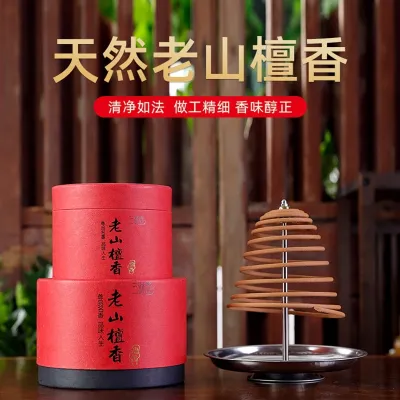
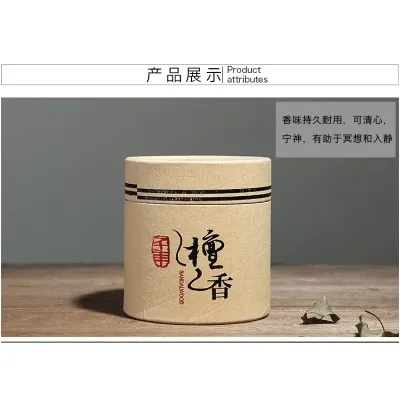
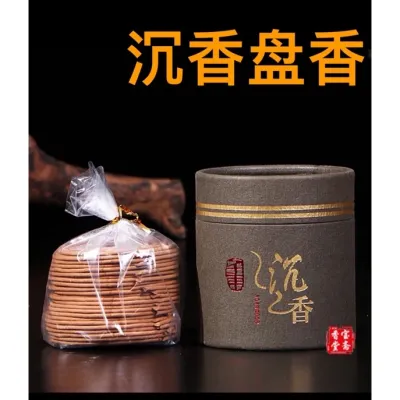
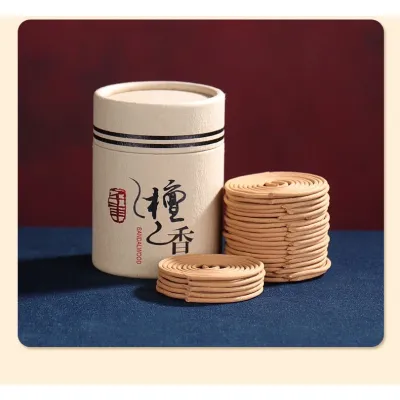
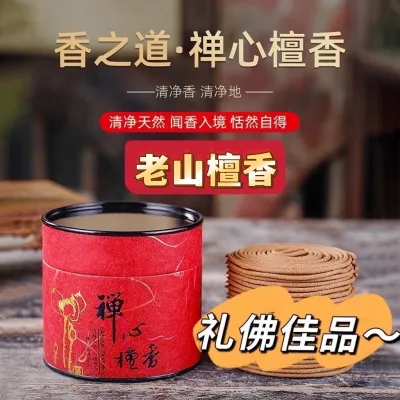
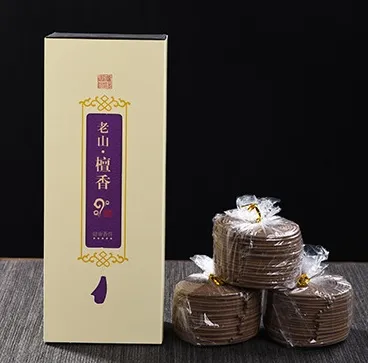
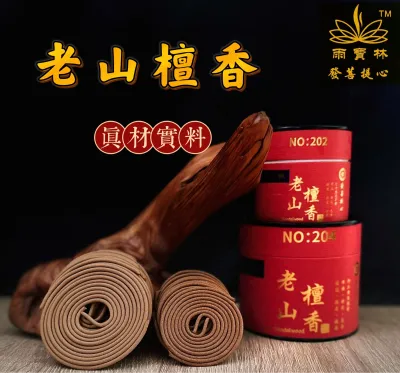
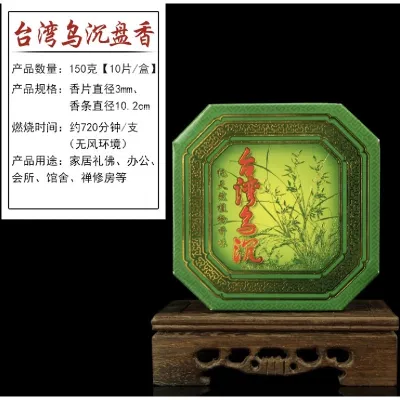
Prices are valid at publication and may change. Please refer to the product page for the latest price.
Wind exposure is a critical factor when choosing an outdoor location. Open-air roadside altars are highly susceptible to sudden drafts, which can accelerate the burn rate of your coil or cause it to sway violently if suspended. Look for areas that offer some natural windbreak, such as near a wall, while ensuring there is still adequate ventilation to prevent smoke from accumulating.
Overhead clearance is equally vital for fire safety. Never hang or place coil incense directly beneath low-hanging tree branches, canvas awnings, or building overhangs. Keep a safe distance of at least several meters from any flammable structures, dry vegetation, and active pedestrian walkways to prevent accidental contact with falling ash or embers.
Furthermore, pay close attention to the ground surface where you place your incense stand. Uneven grass, loose gravel, or sloped roadsides can cause even a heavy stand to tip over under a sudden gust of wind. Always choose a flat, paved surface, and if necessary, use heavy bricks or sandbags to secure the base of your stand before lighting the incense.
Matching Coil Size to Your Offering Schedule
When browsing for joss stick coil incense, you will find various sizes, typically categorized by their estimated burn times, such as 4-hour, 12-hour, or 24-hour coils. It is important to treat these manufacturer labels as estimates rather than absolute guarantees. Outdoor wind conditions introduce oxygen that can significantly accelerate the combustion process, causing a coil to burn down much faster than its indoor rating suggests.

For single-session prayers or shorter roadside offerings, smaller-diameter coils are generally more practical. They allow you to complete your ritual within a manageable timeframe without leaving the incense burning unattended for hours. Conversely, larger-diameter coils are designed for continuous, multi-day offerings, which are typically suited for managed temple grounds or secured private altars where someone is always present to monitor the flame.
You should also inspect the physical thickness and structural density of the coil before buying. Thinner coils are highly fragile and can easily snap under the pressure of outdoor breezes or when suspended from a hook. Opt for thicker, more robust coils that offer better structural integrity, ensuring they remain intact throughout their entire burn cycle.
Humidity levels also play a significant role in how your coil incense performs outdoors. High humidity or damp air can make the incense material slightly moist, which slows down the burn rate or causes the coil to extinguish repeatedly. If you are storing your coils before the festival, keep them in an airtight container with a desiccant pack to preserve their dryness and structural integrity.
Evaluating Materials and Smoke Output
The material composition of your joss stick coil incense directly affects both the quality of your offering and the comfort of the surrounding community. Traditional coils are made from ground wood powders, such as sandalwood or agarwood, mixed with natural binders. These materials produce a distinct, rich aroma and a visible plume of smoke, which is traditionally believed to carry prayers to the spiritual realm.
However, high smoke density can cause discomfort in densely populated residential areas. If your offering site is close to HDB residential windows or public walkways, consider choosing low-smoke alternatives. These coils are formulated to minimize visible emissions while still maintaining the symbolic burning process, helping you maintain good relations with your neighbors.
Always check the packaging labels for ingredient transparency. Avoid coils that contain synthetic fragrances, chemical accelerants, or excessive artificial binding agents, as these can produce harsh, irritating smoke when burned. High-quality, natural wood powders are generally safer for outdoor environments where wind can carry the smoke toward nearby pedestrians.
When evaluating materials, look for coils that use natural binders, such as tabu powder (derived from the bark of the Litsea glutinosa tree), rather than synthetic glues. Natural binders hold the wood powder together securely without altering the scent profile or producing toxic chemical emissions. This ensures a cleaner burn that is less irritating to the eyes and throat during outdoor prayers.
Securing Safe Placement and Hanging Methods
Properly securing your coil incense is essential to prevent fire hazards and ensure the coil burns completely without being extinguished prematurely. If you are suspending the coil, use a dedicated metal hanging hook or a sturdy, non-flammable stand designed specifically for outdoor incense. Avoid makeshift hangers made from plastic or thin wire that can melt or bend under heat.
Wind gusts can cause suspended coils to sway, which increases the risk of the coil falling or coming into contact with nearby objects. Secure the hanging mechanism to a stable anchor point using non-flammable ties, such as high-temperature metal wire. Ensure the stand itself is weighted at the base so it cannot be tipped over by a sudden gust of wind.
As a secondary safety barrier, always place a fireproof ash catcher, a metal tray, or a shallow bucket filled with sand directly beneath the suspended coil. This setup catches falling hot ash and provides a safe landing zone in case the coil breaks or falls. Never allow hot embers to drop directly onto dry grass, concrete, or tiled public floors.
Your Pre-Purchase and Setup Checklist
Before finalizing your purchase of joss stick coil incense, run through a quick verification checklist to ensure safety and compliance. First, read the packaging labels carefully to verify the estimated burn time, ingredient list, and any manufacturer safety warnings. Look for products that clearly state their composition and avoid those with vague or missing labels.
Next, inspect the physical coils inside the packaging before lighting them. Check for any visible cracks, moisture damage, or loose hanging strings that could compromise the structural integrity of the coil. A damp or cracked coil is highly likely to extinguish itself mid-burn or break apart unexpectedly while hanging.
Finally, ensure you have the necessary extinguishing tools readily available at your setup location. Keep a small bucket of sand or water nearby so you can quickly douse the incense in an emergency. Having these tools on hand allows you to manage your offering responsibly and leave the site clean and safe once your prayers are complete.
Frequently Asked Questions (FAQ)
Can I leave outdoor coil incense unattended overnight?
No, you should never leave burning or smoldering coil incense unattended in public or semi-public outdoor spaces overnight. Unattended open flames or smoldering materials pose a significant fire risk, as sudden wind shifts can blow embers onto nearby dry grass, trash bins, or flammable structures. Additionally, leaving burning incense unattended in public housing estates violates local municipal and Town Council safety guidelines.
If you wish to maintain a continuous offering but cannot physically monitor the site, consider using modern alternatives. Battery-operated LED incense coils or electronic joss sticks provide a safe, flame-free way to symbolize your devotion without creating a fire hazard or violating estate rules. These electronic options are highly suitable for overnight setups in public areas.
What should I do if the coil incense breaks while hanging?
If your coil incense breaks while hanging, your immediate priority is to manage the hot, smoldering pieces safely. Use non-flammable tools, such as metal tongs or a small shovel, to collect the broken segments and place them into a fireproof container. Do not attempt to catch falling pieces with your bare hands, as this can cause severe burns.
Once collected, you can transition the broken pieces to a flat, fireproof incense burner or a bed of clean sand. This allows the remaining segments to burn out safely without the risk of falling again. Never attempt to reattach broken segments using flammable adhesives, tape, or makeshift wire ties, as these materials will catch fire and release toxic fumes when the burn line reaches them.

Community discussion
Share your experience or ask a question. Comments are reviewed before publication.