
Selecting the perfect spotlight wall light for your corridor requires balancing the physical dimensions of your hallway with the fixture’s projection, beam angle, and light output. By matching these technical specifications to your corridor’s layout, you can transform a dark, narrow transit path into a safe, inviting, and beautifully illuminated space. Achieving this balance involves understanding how light interacts with vertical surfaces and planning your installation to avoid common pitfalls like glare and physical obstruction.
Assessing Your Corridor's Dimensions and Lighting Needs
Before purchasing any lighting fixture, you must accurately measure your corridor’s physical boundaries. Use a standard measuring tape to record the floor-to-floor width, the overall length, and the floor-to-ceiling height. In many Singapore apartments, such as standard HDB flats or compact condominiums, corridors tend to be narrow, often ranging from 90 to 120 centimetres in width. Knowing these dimensions prevents you from buying fixtures that crowd the physical space.
Next, define the primary function of your hallway. A corridor that serves purely as a transit route between bedrooms requires simple, functional ambient lighting to guide footsteps safely. If you plan to display family photographs, paintings, or architectural features along the walls, the space functions more like an art gallery, demanding precise accent lighting.
Products mentioned in this guide
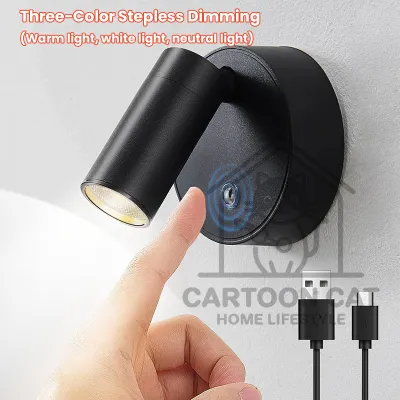
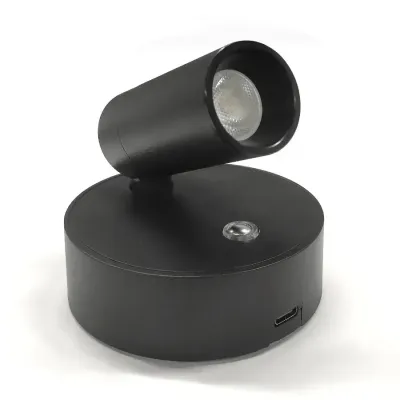
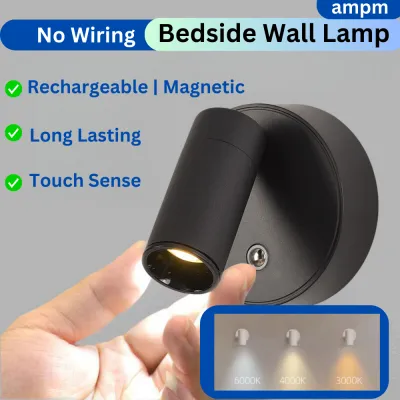
Prices are valid at publication and may change. Please refer to the product page for the latest price.
Additionally, observe the hallway at different times of the day to identify existing light sources. Note where natural light from adjacent windows or living areas fades, creating dark zones. Understanding these shadows allows you to position your new wall spotlight fixtures exactly where supplemental illumination is needed most, ensuring a seamless transition of light throughout your home.
Matching Spotlight Size and Placement to Corridor Proportions
The physical size of your spotlight wall light must remain proportional to the width of your corridor to ensure both visual balance and physical safety. In narrow hallways, fixtures with a deep profile can protrude excessively, creating a physical obstruction. For corridors under 120 centimetres wide, prioritize low-profile fixtures or semi-recessed spotlights that project no more than 10 to 12 centimetres from the wall surface. This keeps the walkway clear for carrying items or moving furniture.

Mounting height is critical to prevent direct glare while walking through the space. As a general rule, position wall-mounted spotlights slightly above average eye level, typically between 1.6 to 1.7 metres from the finished floor level. Alternatively, you can align the fixtures with existing architectural lines, such as the top of door frames, to create a clean, cohesive visual plane. This alignment helps the fixtures blend into the architecture rather than standing out as disjointed elements.
When installing multiple spotlights along a long corridor, spacing determines whether the light feels continuous or disjointed. Placing fixtures too far apart creates alternating patches of bright light and deep shadow, often referred to as a “zebra” effect. To achieve a smooth transition of light, space your spotlights approximately 1.5 to 2 metres apart, adjusting the distance based on the fixture’s light spread. This ensures that the light pools overlap slightly, creating a warm, continuous path.
Selecting the Right Beam Angle for Corridor Walls and Decor
The beam angle of a spotlight determines how concentrated or dispersed the light pool will be when it hits the wall or floor. Narrow beam angles, typically between 15 and 24 degrees, produce a highly focused, intense cone of light. This concentrated beam is ideal for accentuating specific focal points, such as framed artwork, sculptures, or distinct architectural niches, by creating dramatic contrast against the surrounding wall. It draws the eye directly to the display, mimicking a gallery setting.
Wider beam angles, ranging from 36 to 60 degrees, distribute light across a much broader surface area. This wider spread is highly effective for wall washing, which bathes textured surfaces like brick, stone, or detailed wallpaper in a soft, even glow. Wide beams are also excellent for general ambient lighting, as they soften harsh shadows and make narrow corridors feel more spacious and open by reflecting light off the walls.
To control the size and intensity of the light pool, you must also consider the distance between the spotlight and the target wall. A narrow beam mounted close to a wall will create a small, sharp hot spot, whereas moving the fixture further away or choosing a wider beam angle softens the edges of the light. Adjustable spotlight heads are particularly useful here, allowing you to tilt and fine-tune the direction of the beam after installation to achieve the exact visual effect you desire.
Calculating Brightness and Color Temperature for Hallways
Corridors are transitional spaces rather than task-oriented rooms, meaning they require lower overall illuminance levels to remain comfortable. A target illuminance of 100 to 200 lux is generally sufficient to ensure safe navigation without causing visual fatigue when moving from a dark bedroom. Keeping the brightness moderate prevents the corridor from feeling clinical or overly harsh, maintaining a relaxing home environment.
To calculate your total lumen requirements, multiply the corridor’s floor area in square metres by your target lux level. For example, a hallway measuring 1.2 metres wide by 5 metres long has an area of 6 square metres; aiming for 150 lux requires a total of 900 lumens. If you plan to install three wall spotlights along this path, you should select fixtures that emit approximately 300 lumens each. This simple calculation prevents under-lighting or over-lighting the space.
Color temperature significantly influences the atmosphere and perceived warmth of your hallway. Warm white light, ranging from 2700K to 3000K, is highly recommended for residential corridors as it creates a cozy, welcoming transition between living spaces. Neutral white light, around 4000K, is better suited for modern, minimalist interiors or corridors where high visibility and crisp color rendering of artwork are the main priorities.
Integrating dimmable spotlights provides excellent flexibility for managing brightness throughout the day and night. Lowering the light output during late-night hours ensures that family members can navigate the hallway safely without being startled by blinding glare. Always verify that both the spotlight fixture and your wall switch are fully compatible with dimming technology, checking the manufacturer’s specifications before completing your purchase.
Common Sizing and Placement Mistakes to Avoid
One of the most frequent errors in corridor lighting design is selecting fixtures with an excessive wall projection. In tight spaces, bulky spotlights not only make the hallway feel visually cramped but also pose a constant collision hazard for carrying groceries or moving furniture. Always check the physical dimensions and projection depth of the fixture before buying to ensure it fits comfortably within your corridor’s clearance limits.
Another common pitfall is using highly concentrated, narrow beam angles for general illumination purposes. When narrow spotlights are spaced too far apart without overlapping beams, they create harsh, disconnected pools of light on the floor and leave the upper walls in complete darkness. This uneven distribution makes the corridor feel choppy, casting dramatic shadows that can distort spatial perception and make walking uncomfortable.
Neglecting glare control is a major mistake that can make a hallway feel unpleasant to use. Mounting spotlights too low or choosing fixtures with exposed, flush-mount bulbs forces the light directly into the eyes of anyone walking down the corridor. To prevent this, look for spotlights featuring deep-recessed light sources, physical baffles, or adjustable heads that can be angled away from direct lines of sight, ensuring comfortable passage.
Installation Clearances and Electrical Safety Checks
Before mounting any wall fixture, you must identify your wall construction type to ensure a secure and stable installation. Solid masonry or concrete walls, common in Singapore’s HDB flats, require heavy-duty wall plugs and masonry drill bits to support the weight of the fixture. Drywall or partition walls, on the other hand, require specialized hollow-wall anchors to prevent the screws from pulling out over time. Ensuring a secure mount prevents the fixture from sagging or falling.
Electrical safety must be your top priority during any lighting installation process. Always switch off the main power supply at your home’s distribution board (DB box) and verify that the circuit is completely dead using a reliable voltage tester before touching any wiring. Additionally, check the product label on your spotlight to confirm that its rated voltage matches Singapore’s standard 230V mains supply at 50Hz, and look for local safety certifications to guarantee compliance.
Understand the boundaries of safe do-it-yourself electrical work. While mounting a replacement fixture to existing, functional wiring is manageable for many homeowners, you should stop and consult a licensed, qualified electrician for complex tasks. If your project requires running new concealed wiring behind walls, altering existing circuits, or if the manufacturer’s instructions conflict with your home’s physical setup, hiring a professional is essential to guarantee safety and compliance with local building regulations.
Frequently Asked Questions (FAQ)
Can I use outdoor-rated spotlight wall lights in an indoor corridor?
- Compatibility: Yes, you can safely install outdoor-rated spotlight wall lights in an indoor corridor. These fixtures feature higher Ingress Protection (IP) ratings, which provide superior resistance to moisture and dust, making them highly durable.
- Practicality: However, because indoor corridors are dry environments, paying a premium for high IP-rated fixtures is generally unnecessary, and outdoor models may offer a more industrial aesthetic that does not match interior decor.
How do I prevent glare from corridor wall spotlights?
- Fixture Design: To minimize uncomfortable glare in narrow transit spaces, select spotlight fixtures designed with deep-recessed light sources or integrated honeycomb louvers that physically block stray light.
- Adjustability: Choosing models with adjustable tilt mechanisms allows you to aim the light beam downward or directly toward the wall rather than into the eyes of passersby. Additionally, opting for fixtures with built-in diffusers or frosted glass covers will help soften the output, creating a more comfortable visual environment.

Community discussion
Share your experience or ask a question. Comments are reviewed before publication.