
When a sudden power outage hits a Housing & Development Board (HDB) flat, finding a reliable light source becomes an immediate priority. While handheld torches and smartphone flashlights are common stopgaps, they limit your mobility and tie up at least one hand. An emergency headlamp offers a hands-free solution, allowing you to navigate dark rooms, inspect your home’s electrical distribution board (DB box), and assist family members safely. Choosing the right headlamp for an HDB environment requires balancing compact design, appropriate brightness levels, and reliable battery maintenance.
Unlike outdoor wilderness environments where long-distance spot beams are essential, indoor residential emergencies demand wide, glare-free illumination. The close quarters of a typical flat mean that overly bright or highly focused lights can bounce off light-colored walls, causing temporary blindness or eye strain for you and your family. By focusing on specific design features—such as adjustable lumen outputs, comfortable headbands, and reliable power sources—you can select a headlamp that remains ready for years in storage and performs flawlessly when the grid goes dark.
Understanding Lighting Needs During HDB Power Outages
Power outages in HDB estates, though rare, present unique spatial challenges that differ significantly from rural or detached housing scenarios. Modern HDB blocks are densely populated, multi-story structures where a localized blackout can instantly plunge internal corridors, lift lobbies, and stairwells into complete darkness. If the emergency backup lighting in common areas is undergoing maintenance or has timed out, navigating these concrete pathways safely becomes a primary concern, especially if elevators are temporarily out of service.
Products mentioned in this guide
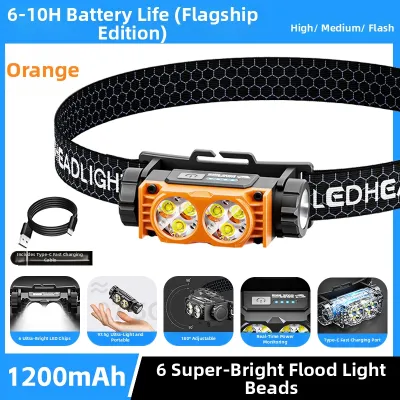
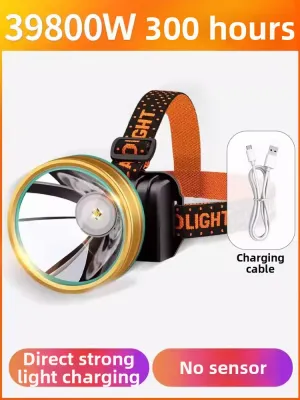
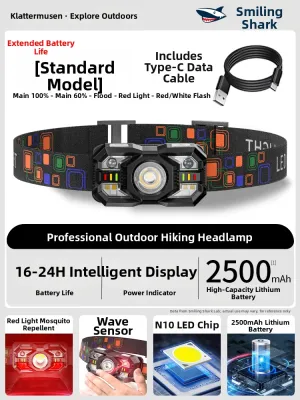
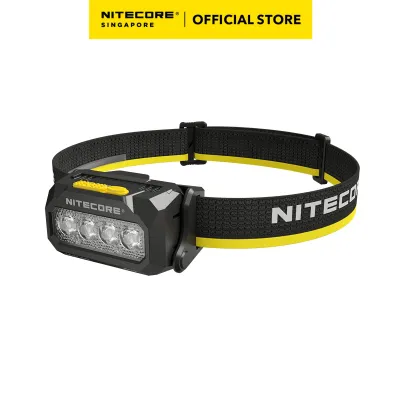
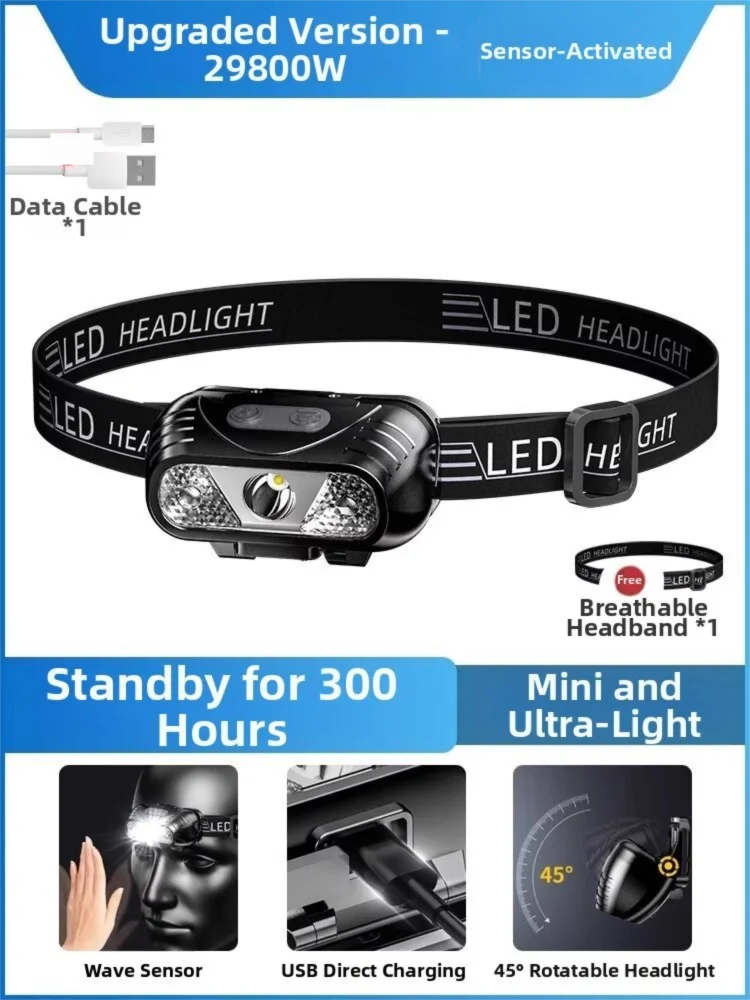
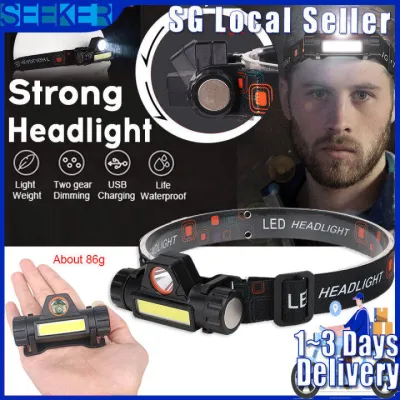
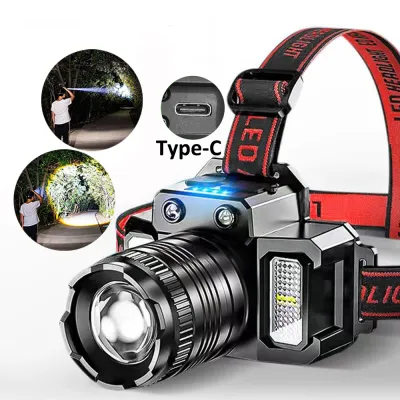
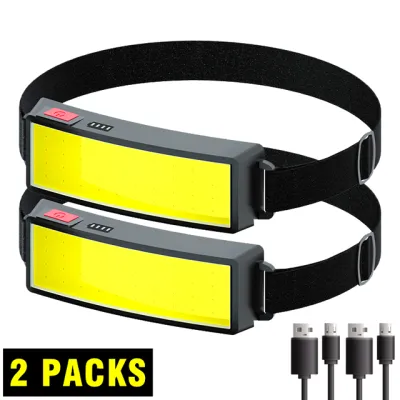
Prices are valid at publication and may change. Please refer to the product page for the latest price.
Stairwells in high-rise blocks require careful, sure-footed navigation. Carrying a handheld flashlight while walking down several flights of stairs with children, elderly relatives, or pets increases the risk of missteps. A headlamp keeps your hands completely free to hold onto handrails, carry emergency supplies, or guide family members. The light naturally follows your line of sight, illuminating steps and potential trip hazards directly in front of you without requiring manual adjustment.
Inside the flat, the immediate task during a blackout is usually locating the DB box to check if a tripped circuit breaker caused the outage. DB boxes are typically tucked away in utility closets, bomb shelters, or high up near the entrance of the flat. Accessing and inspecting these panels requires both hands—one to hold open the cover and the other to toggle the switches. A headlamp provides direct, focused illumination on the fuses and labels, allowing you to diagnose the issue quickly and safely.
Preparing food, administering basic first aid, or gathering essential documents in a dark kitchen or living room also demands dual-handed dexterity. Attempting to balance a smartphone on a counter or holding a torch between your teeth is unstable and inconvenient. Furthermore, a fixed flashlight beam can easily blind other family members sharing the same compact space. A headlamp with adjustable tilt angles and dimming capabilities ensures you can direct light precisely where it is needed, keeping communal areas comfortable and functional during an extended outage.
Key Criteria for Evaluating Emergency Headlamp Brands
When evaluating headlamp options on online marketplaces or at local hardware stores, it is easy to get distracted by high lumen ratings and rugged outdoor marketing. However, the ideal headlamp for an HDB flat must prioritize indoor usability and long-term storage reliability. Understanding the technical specifications of these devices helps you avoid purchasing over-engineered tactical gear that is impractical for domestic use.

Beam type and brightness control are the most critical factors for indoor environments. Many outdoor headlamps feature intense, narrow spot beams designed to throw light hundreds of meters down a trail. Indoors, this concentrated beam creates a harsh hotspot that reflects off white walls and glossy cabinetry, causing intense glare. Look for brands that offer a wide flood beam or a mixed beam option. A flood beam distributes light evenly across your peripheral vision, making close-up tasks much more comfortable. Additionally, adjustable brightness levels—ranging from a low “reading” mode of 5 to 10 lumens up to a moderate 100 to 150 lumens—are far more useful than a single high-power setting.
Power sources and charging interfaces dictate how reliable your headlamp will be after months of sitting in an emergency drawer. Modern headlamps generally fall into two categories: those with built-in rechargeable lithium-ion batteries and those powered by replaceable alkaline batteries (such as AA or AAA). Rechargeable models with USB-C ports offer excellent convenience, as they can be topped up using standard phone chargers, power banks, or even laptop ports during a prolonged outage. However, lithium-ion batteries naturally lose charge over time and can degrade if left completely flat. Hybrid models that accept both a rechargeable battery pack and standard AAA batteries offer the best of both worlds, providing a backup power option if you cannot access a charging source.
Comfort and weight directly influence how long you can wear a headlamp without discomfort. Heavy, front-loaded headlamps with bulky battery packs mounted on the back of the head are unnecessary for indoor use and can cause neck strain over extended periods. For domestic emergencies, a lightweight, low-profile design weighing under 80 grams is ideal. The headband should be made of soft, washable, and adjustable elastic material that fits securely without binding.
A dedicated red light mode is an invaluable feature for shared living spaces. Red light does not disrupt human night vision adaptation, allowing you to navigate a dark bedroom or check on sleeping children without waking them or causing sudden glare. It also consumes significantly less battery power than white light modes, extending the runtime of your device during multi-hour blackouts. When comparing brands, ensure the red light mode can be accessed directly without cycling through blinding white light settings first.
Ideal Headlamp Profiles for Compact Living Spaces
Rather than focusing on specific brand names that may change availability or pricing, it is more practical to categorize headlamps into distinct functional profiles. This approach allows you to match the specific needs of your household with the right category of lighting equipment.
The “Everyday Carry” profile is designed for maximum portability and quick access. These headlamps are ultra-compact, often weighing less than 50 grams, and can easily fit into a pocket, a bedside drawer, or a small emergency pouch. Some models feature clip-on designs that attach to caps, shirt pockets, or straps instead of a traditional headband. While they may have smaller battery capacities and lower maximum brightness levels, their convenience makes them perfect for quick tasks like checking the DB box, navigating a dark corridor to the rubbish chute, or finding a larger primary light source.
The “Family Emergency” profile focuses on ease of use, durability, and safety features suitable for all household members, including children and seniors. These headlamps feature simple, intuitive button interfaces that do not require memorizing complex click sequences to turn on or dim. A crucial feature for this profile is a physical or electronic lockout mode. This prevents the headlamp from accidentally turning on when bumped inside a drawer, which would otherwise drain the battery and leave you with a dead light when you need it most. These models should also have a robust, drop-resistant housing to withstand accidental falls on hard terrazzo or vinyl flooring.
The “Task-Oriented” profile is tailored for detailed work, such as minor home repairs, appliance troubleshooting, or administering first aid. The defining feature of this profile is a high Color Rendering Index (CRI) LED. Standard LEDs can wash out colors, making it difficult to distinguish between red, brown, and orange electrical wires or to assess skin tones during a medical emergency. A high-CRI headlamp renders colors accurately, reducing eye strain and improving accuracy during precision tasks. These headlamps often feature highly adjustable tilt mechanisms, allowing you to point the beam directly down at your hands while keeping your head in a natural position.
Pre-Purchase Checks for Safety and Battery Longevity
Before finalizing your purchase from an online retailer or local specialty shop, conducting a few safety and technical checks ensures your investment is safe to store and operate within your home. Because emergency equipment sits idle for long periods, build quality and battery safety are paramount.
First, verify the electrical safety certifications of the headlamp and any included charging accessories. If the headlamp charges via an external power adapter, ensure the adapter carries recognized safety marks, such as the Safety Mark regulated by Enterprise Singapore, to prevent overheating or short circuits during charging. Avoid purchasing unbranded, extremely cheap charging cables or adapters from unverified online sellers, as poor voltage regulation can damage the headlamp’s internal lithium battery.
Second, establish a realistic maintenance routine to combat battery degradation. Lithium-ion batteries naturally self-discharge over time, even when the device is turned off. Storing a rechargeable headlamp at absolute zero charge can permanently damage the battery cells, rendering the device useless. A good rule of thumb is to set a recurring calendar reminder every six months to check the battery level of your emergency gear. Recharge the headlamps to approximately 60% to 80% capacity for long-term storage, rather than keeping them at 100% indefinitely, which can also accelerate wear.
Finally, consider the environmental protection rating, commonly known as the IP (Ingress Protection) rating. While you do not need a fully waterproof diving headlamp for indoor use, a basic level of water resistance is highly beneficial. An IPX4 rating indicates that the device can withstand splashes of water from any direction, which is sufficient for navigating rainy outdoor corridors, void decks, or dealing with a leaking pipe during a household plumbing emergency. Ensure the rubber seals covering the charging ports are intact and securely closed to maintain this protection.
Frequently Asked Questions (FAQ)
How long should an emergency headlamp battery last in storage?
Most modern lithium-ion headlamp batteries can hold a functional charge for six to twelve months in storage before self-discharge reduces their capacity significantly. However, to guarantee readiness during an unexpected power outage, it is highly recommended to inspect and top up the battery every six months. If your headlamp uses disposable alkaline batteries, store the batteries outside the device in a cool, dry place to prevent chemical leakage, which can corrode the internal contacts and ruin the headlamp.
Is a high-lumen headlamp necessary for HDB power outages?
No, extremely high lumen ratings are generally unnecessary and can be counterproductive for indoor use. In the compact rooms of an HDB flat, a brightness level between 30 and 150 lumens is more than adequate for most tasks. High-lumen outputs (such as 500 lumens or more) generate significant heat, drain the battery rapidly, and create blinding reflections off light-colored walls, making it difficult for your eyes to adjust to the dark.
Can I use my camping headlamp for indoor emergencies?
Yes, a camping headlamp can serve as an excellent indoor emergency light, provided it has adjustable brightness settings. Many outdoor headlamps are designed with powerful spot beams for long-distance visibility, which may be too intense for close-up indoor tasks. If using a camping model, adjust the settings to the lowest comfortable flood or red-light mode to conserve battery life and prevent glare, and ensure the headband is adjusted comfortably for indoor wear.

Community discussion
Share your experience or ask a question. Comments are reviewed before publication.