
Setting up a dedicated home altar, or mandir, is a deeply personal and culturally significant endeavor. It creates a tranquil sanctuary within the household, serving as a focal point for daily reflection, meditation, and prayer. However, designing a complete and functional altar requires a thoughtful balance between spiritual tradition and the practical constraints of modern residential spaces. Whether you are setting up a prayer space in a spacious landed home or a compact high-rise apartment, selecting the right Indian prayer items involves evaluating materials, dimensions, and safety features to ensure the space remains both beautiful and secure.
A well-planned home altar does not need to be overly elaborate to be complete. Instead, it should focus on a few core, high-quality elements that facilitate daily rituals while respecting the physical limits of your living environment. By understanding the purpose, material characteristics, and maintenance needs of each essential item, you can curate a sacred space that is easy to maintain, safe to operate, and aligned with your personal devotional practices.
Core Indian Prayer Items Needed for a Functional Altar
The foundation of any home altar rests on a few essential items that serve specific ritual and symbolic purposes. Selecting these items requires careful consideration of their physical properties, sizes, and how they interact with one another within the designated altar space.
Products mentioned in this guide
Prices are valid at publication and may change. Please refer to the product page for the latest price.
Murtis and Framed Images At the heart of the altar are the murtis (deity idols) or framed sacred images. These representations serve as the primary focus of devotion. When choosing murtis, material selection plays a critical role in both aesthetics and long-term durability. Brass is a highly popular and traditional choice, valued for its weight, classic golden appearance, and structural resilience. However, in humid tropical climates, brass is prone to natural oxidation and requires regular polishing to maintain its luster. Marble murtis offer a serene, elegant aesthetic and a smooth texture, but they are exceptionally heavy and require a highly stable, robust support surface. Resin murtis have become increasingly common due to their lightweight nature, intricate detailing, and budget-friendly appeal. However, painted resin can be delicate; the painted finishes may peel, fade, or degrade if they frequently come into contact with water, ritual oils, or harsh cleaning agents.
Proportionality is equally vital when selecting murtis or frames. A large, heavy idol placed on a narrow shelf can create a cramped visual effect and present a serious tipping hazard. Conversely, a tiny image on a sprawling altar can feel visually lost. Before purchasing, measure the height, width, and depth of your altar shelves. Ensure there is at least a few centimeters of clearance around each image or idol to allow for the placement of decorative garlands, flowers, and offerings without crowding the deity.
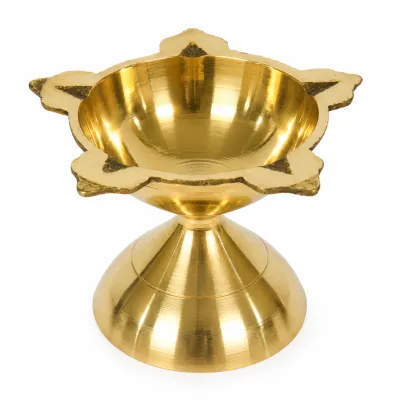
Lighting Elements Light is a fundamental symbol of purity, knowledge, and divine presence in Indian rituals. Traditionally, this light is provided by oil or ghee diyas (lamps). Traditional clay or brass diyas create a warm, living flame that is central to many ceremonial practices. However, open flames demand constant supervision and generate heat and soot, which can accumulate on nearby walls and ceilings over time.
For modern households—especially those with young children, curious pets, or strict building fire codes—modern electric altar lamps offer a highly practical alternative. Electric diyas and LED backdrop lights provide a consistent, worry-free glow that can be left on for extended periods or even unattended. Many families choose a hybrid approach, using a traditional oil diya during active, supervised prayer sessions and relying on electric lamps to maintain a warm, continuous ambient light throughout the day.
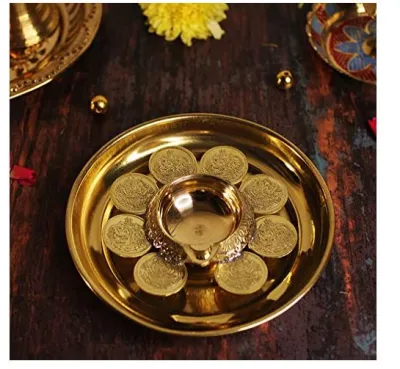
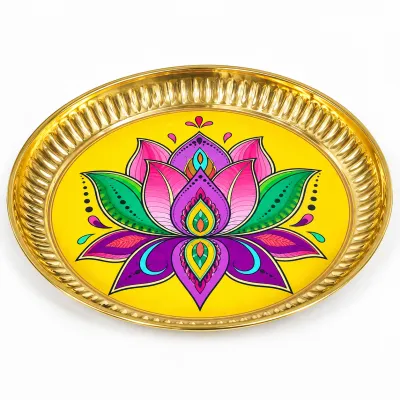
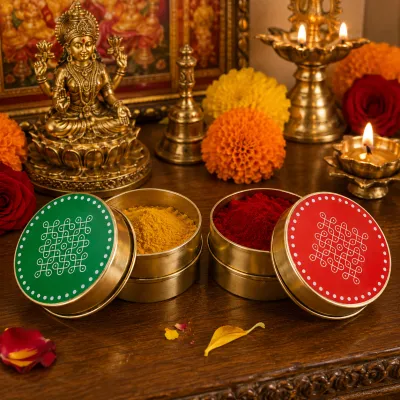
Ritual Accessories A functional altar requires several supporting accessories to facilitate daily offerings. The puja thali, or prayer plate, acts as the central organizer for these items. A well-designed thali holds small containers for kumkum (vermilion), haldi (turmeric), flowers, camphor, and prasad (food offerings).
Alongside the thali, an incense holder is essential for burning agarbatti (incense sticks) or dhoop. The primary safety requirement for an incense holder is its ability to catch all falling ash, preventing hot embers from contacting wooden altar surfaces or creating a messy cleanup. Finally, a small hand bell (ghanti) is used to mark the beginning and end of prayers. Choose a bell made of resonant metal, such as brass or bronze, with a size and weight that feels comfortable in your hand and fits neatly on the altar shelf without cluttering the layout.
How to Evaluate Altar Lighting and Decorative Pieces
Integrating lighting and decorative elements into your home altar enhances its visual appeal, but these items must be evaluated carefully to ensure they do not introduce safety hazards or excessive maintenance burdens.

Electrical Safety Checks When selecting electric diyas, LED string lights, or spotlighting for your mandir, electrical safety must be your top priority. Always verify that the voltage rating of the lighting fixtures matches your home’s electrical system (typically 220-240V in Singapore). Check the plug type to ensure it fits securely into your wall outlets without the need for unstable adapters.
Look for recognized national or international safety certification marks on all electrical components. These marks indicate that the product has undergone rigorous testing for insulation quality, wiring integrity, and fire resistance. Avoid unbranded, cheap electrical items sourced from unregulated online marketplaces, as poor internal wiring or substandard plastics can pose significant short-circuit and fire risks.
Material and Maintenance Trade-offs The materials you choose for your altar decor directly impact how much time and effort you must dedicate to upkeep. Polished brass is beautiful but highly reactive to moisture and air. In humid environments, brass items will gradually develop a dark patina or greenish spots. If you prefer a bright, shiny look, you must commit to regular polishing routines using specialized metal polishes or traditional acidic mixtures like tamarind paste.
Glass, stainless steel, and high-quality glazed ceramics offer excellent, low-maintenance alternatives. These materials are non-porous, meaning they do not absorb oils, ghee, or soot. They can be easily wiped clean with a damp cloth and mild dish soap, making them highly practical for daily use. On the other hand, unsealed terracotta, soft natural stones, or unlined wood are highly porous. If oil or colored powders spill on these surfaces, they can leave permanent stains that are nearly impossible to remove.
Spatial Planning and Heat Clearance Heat management is a critical consideration when planning your altar’s layout. Open-flame diyas generate substantial heat that rises directly upward. If your altar is housed within a wooden cabinet or beneath a low-hanging shelf, you must maintain a safe vertical clearance. As a general rule, keep at least 30 to 50 centimeters of open space above any active flame.
Even electric lighting can generate heat, particularly older incandescent bulbs or high-wattage spotlights. Ensure that any heat-emitting bulbs are positioned well away from flammable decorative items, such as synthetic flower garlands, paper backdrops, or fabric drapes. Leaving a clear physical boundary between your light sources and decorative elements prevents scorching, discoloration, and potential fire hazards.
Safe Arrangement and Installation of Your Prayer Space
A beautiful altar must also be structurally sound and safely arranged. Proper installation prevents accidental damage to your home and ensures a secure environment for daily rituals.
Weight Distribution and Structural Limits Home altars can become surprisingly heavy, especially if you favor solid wood mandirs, marble backdrops, and multiple brass murtis. Before installing a wall-mounted altar shelf or placing a heavy cabinet, you must assess the load-bearing capacity of your walls and flooring.
In modern apartments, wall construction varies significantly. Concrete walls, common in structural columns and external walls, provide exceptional support when paired with heavy-duty masonry bolts or sleeve anchors. However, internal partition walls are often made of drywall or gypsum board, which cannot support heavy loads on their own. If mounting an altar on a partition wall, you must locate the internal wooden or metal studs using a stud finder and secure your mounting brackets directly into them. Never rely on standard plastic drywall plugs to hold a heavy wooden or stone mandir, as they can pull out over time, leading to a catastrophic collapse.
Fire and Heat Safety Protocols Fire safety is paramount in any space where open flames, burning incense, or hot camphor are used. Establish a strict physical boundary around your prayer area. Keep all highly flammable materials—such as spare cotton wicks, matchboxes, lighter fluid, oil bottles, and paper prayer books—stored in a closed drawer or cabinet away from the active altar surface.
Always place traditional diyas on a stable, heat-resistant base. A slab of marble, granite, or thick tempered glass placed on top of a wooden altar shelf acts as an excellent thermal barrier, protecting the wood from heat damage and catching any accidental oil spills. Additionally, ensure the room has adequate ventilation. Burning incense and camphor releases smoke and particulate matter; keeping a nearby window slightly open or using an air purifier helps maintain healthy indoor air quality and prevents soot from staining your walls and ceilings.
Professional Installation Boundaries While assembling a small, freestanding altar shelf is a manageable DIY task, larger or more complex installations require professional expertise. If you are planning to mount a heavy, solid wood or marble mandir that weighs more than 15 kilograms, hiring a qualified professional installer is highly recommended. They have the specialized tools and fasteners required to secure the structure safely to your specific wall type.
Similarly, if your altar design includes integrated LED spotlights, concealed wiring, or dedicated power outlets inside a cabinet, do not attempt to modify your home’s electrical wiring yourself. Hire a licensed electrician to handle the installation. Professional electrical work ensures that all circuits are properly grounded, overloaded outlets are avoided, and the installation complies with local electrical safety codes.
Daily Care and Maintenance Routines for Altar Items
Establishing a consistent, condition-based maintenance routine preserves the beauty and sanctity of your prayer items, ensuring they remain in excellent condition for years to come.
Material-Specific Cleaning Different materials require specific cleaning approaches to prevent damage. For brass murtis and accessories, wash them periodically with warm water and a mild, non-abrasive dish soap to remove accumulated oil, dust, and soot. Dry them thoroughly with a soft microfiber cloth immediately after washing to prevent water spots. Avoid using harsh chemical cleaners or steel wool, which can scratch the metal or strip away protective lacquers.
For painted resin or gold-plated items, avoid water immersion entirely. Instead, gently dust them with a soft, dry brush or a slightly damp microfiber cloth. Acidic substances like lemon juice or vinegar are excellent for cleaning unlined brass or copper, but they should never be used on marble, limestone, or plated surfaces, as the acid will etch the stone and strip the plating.
Electrical Upkeep Electric lamps and LED backdrops require regular inspection to ensure safe operation. Periodically check the power cords, plugs, and switches for any signs of physical wear, such as cracking plastic, exposed wires, or discoloration from heat. If you notice any damage, discontinue use immediately and replace the fixture.
When replacing light bulbs in your altar lamps, always consult the manufacturer’s instructions to verify the maximum allowable wattage. Installing a bulb with a higher wattage than recommended can cause the lamp housing to overheat, melting plastic components and creating a serious fire hazard. Switching to low-wattage LED bulbs is an excellent way to reduce heat output and energy consumption while maintaining a bright, warm glow.
Safe Handling and Storage Deep cleaning or preparing the altar for major festivals often involves moving delicate murtis and heavy accessories. Always handle these items with clean, dry hands to prevent slipping. When washing items in a sink, place a soft silicone mat or a folded towel at the bottom of the basin. This simple precaution cushions the items against accidental drops, preventing chips in marble or dents in brass.
Keep your main altar space clutter-free by storing extra ritual supplies—such as seasonal decorations, spare oils, incense packets, and cleaning cloths—in a dedicated storage box or cabinet. Keeping these items organized and out of sight maintains the visual serenity of your prayer space and reduces the risk of accidental spills or knocks during daily use.
Frequently Asked Questions (FAQ)
Can I mix traditional oil diyas with electric lamps on the same altar?
Yes, combining traditional oil diyas with electric lamps is a common and practical practice, provided you maintain strict safety boundaries. Use the traditional oil diya for active, supervised rituals, such as morning or evening prayers, and extinguish it when you leave the room. Electric lamps or LED diyas can be kept on continuously to maintain a warm, symbolic glow throughout the day. To prevent hazards, ensure that the open flame of the oil diya is placed far away from any electrical cords, plastic housings, or light bulbs, minimizing the risk of heat damage or accidental ignition.
What size puja thali should I buy for my home altar?
The ideal size of your puja thali depends on the physical dimensions of your altar shelf and the complexity of your daily rituals. Before purchasing, measure the depth of your altar shelf; the thali should sit completely on the surface with at least 5 centimeters of clearance from the front edge to prevent it from being accidentally knocked over. For compact altars or wall-mounted shelves, a small thali with a diameter of 15 to 20 centimeters is usually sufficient to hold a small diya, a bell, and offering cups. Larger, freestanding altars can comfortably accommodate thalis measuring 25 to 30 centimeters, allowing more space for elaborate offerings.
How do I safely mount a heavy wooden or marble mandir on the wall?
Safely mounting a heavy mandir requires identifying your wall type and using the correct structural fasteners. For solid concrete or brick walls, you must use heavy-duty masonry sleeve anchors or expansion bolts that can support the specific weight of the mandir. If you are mounting onto a drywall or partition wall, you must locate the internal studs using a stud finder and secure the mounting brackets directly into the studs; standard plastic drywall anchors are not strong enough and pose a severe collapse risk. If the mandir is exceptionally heavy (over 15 kilograms) or if you are unsure of your wall’s structural capacity, always hire a professional installer to secure the unit safely.

Community discussion
Share your experience or ask a question. Comments are reviewed before publication.