
Choosing a powerful torchlight for a Housing & Development Board (HDB) emergency kit requires balancing high-lumen output with long-term battery stability, robust build quality, and reliable local support. While many generic options exist on online marketplaces, a true emergency tool must function instantly after months of storage in a household shelter. To find the best brand for your home, you must look past inflated marketing claims and focus on verified specifications like ANSI/PLATO FL 1 standards, battery chemistry, and local warranty coverage.
An emergency in an HDB flat presents unique environmental challenges, from navigating dark, windowless household shelters to traversing long, unlit common corridors during a localized power outage. A dependable torchlight serves as your primary tool for navigation, signaling, and executing basic repairs. By understanding how to evaluate technical specifications and brand reliability, you can assemble an emergency kit that provides peace of mind and practical utility when the power goes out.
Determining the Right Brightness and Beam Pattern for HDB Layouts
When evaluating a powerful torchlight, total lumen output is often the first specification buyers look at, but it does not tell the whole story. Lumens measure the total amount of light emitted by the source in all directions. For indoor HDB environments, a torchlight that emits between 300 and 1,000 lumens is generally more than sufficient. Extremely high-lumen devices can actually backfire in confined spaces, as the intense light reflects off light-colored concrete walls and glossy floor tiles, causing temporary glare and eye strain that impairs your vision.
Products mentioned in this guide
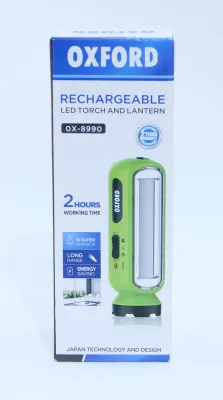
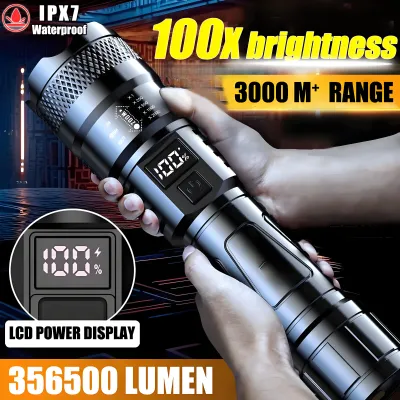
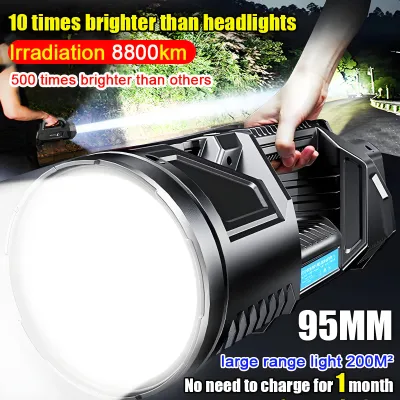
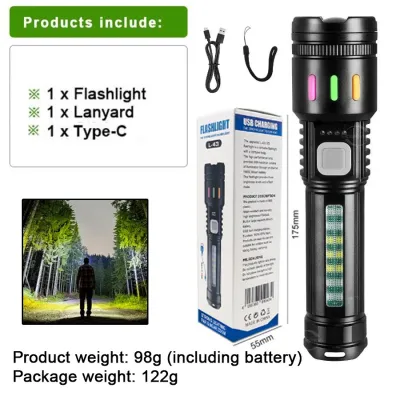
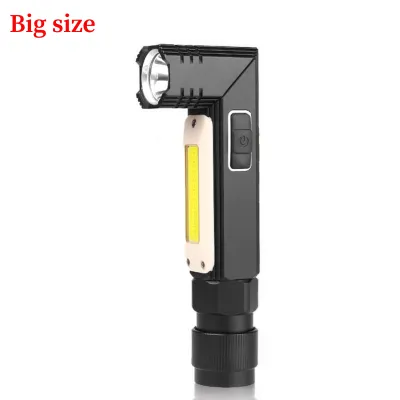
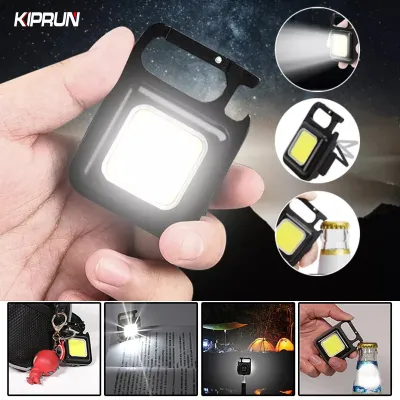
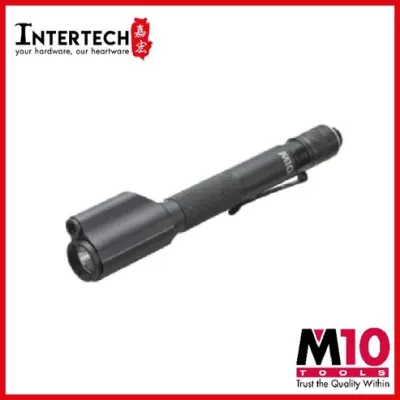
Prices are valid at publication and may change. Please refer to the product page for the latest price.
To choose the right beam pattern, you must understand the difference between flood and throw. A flood beam spreads light widely over a short distance, making it ideal for illuminating an entire living room, kitchen, or household shelter during a blackout. A throw beam uses a focused reflector or lens to project a tight spotlight over a long distance. This focused beam is highly useful for spotting hazards down long HDB common corridors, checking stairwells, or signaling for help from a window.
Many reputable lighting brands resolve this trade-off by offering adjustable output modes or hybrid beam patterns. A well-designed reflector can produce a bright central hotspot for distance viewing, surrounded by a soft, wide spill of light for peripheral awareness. When shopping, look for brands that provide detailed beam distance measurements in meters alongside their lumen ratings, allowing you to verify how the light will perform in both tight rooms and long hallways.
Selecting the Best Power Source for Long-Term Blackout Readiness
An emergency torchlight is only as reliable as its power source, making battery selection a critical decision for long-term readiness. Modern high-power torchlights typically rely on either rechargeable lithium-ion cells (such as 18650 or 21700 formats) or disposable primary batteries (such as AA, AAA, or CR123A). Each system has distinct advantages and trade-offs regarding shelf life, runtimes, and ease of maintenance.

USB-C rechargeable lithium-ion cells offer exceptional energy density, allowing the torchlight to sustain high-lumen outputs for extended periods. They are highly cost-effective for regular testing and can often be topped up directly inside the torchlight using a standard mobile phone charger or a portable power bank. However, lithium-ion batteries experience gradual self-discharge over time and can degrade more quickly when stored in Singapore’s hot, humid tropical climate. If you choose a rechargeable system, you must commit to a regular charging schedule to ensure the cells do not deplete while sitting in storage.
Disposable primary batteries, particularly lithium CR123A cells, offer an impressive shelf life of up to ten years and are highly resistant to temperature fluctuations. They do not suffer from the rapid self-discharge of rechargeable cells, making them excellent for “set-and-forget” emergency kits. The trade-off is lower peak brightness and the ongoing cost of replacement cells. To get the best of both worlds, consider a “dual-fuel” torchlight brand that can accept both rechargeable lithium-ion cells and disposable backup batteries, giving you maximum flexibility during a prolonged blackout.
Assessing Build Quality and Environmental Resistance Labels
An emergency torchlight must be built to survive demanding conditions, including accidental drops on hard surfaces and exposure to moisture. To verify a brand’s durability claims, look for standardized ratings rather than vague marketing terms like “waterproof” or “shock-resistant.” The industry standard for these specifications is the ANSI/PLATO FL 1 framework, which defines clear testing protocols for water resistance and impact durability.
Water resistance is measured using the Ingress Protection (IP) rating system. For an HDB emergency kit, a minimum rating of IPX4 (resistant to water splashes from any direction) is recommended to protect against leaking pipes or high humidity. If you want greater peace of mind, look for IPX7 or IPX8 ratings, which certify that the torchlight can withstand temporary submersion in water. This level of protection ensures the internal electronics and battery contacts remain dry and functional even in damp environments.
Impact resistance is equally vital, as dropping a torchlight on hard HDB flooring like ceramic tiles, homogeneous tiles, or polished concrete can easily shatter cheap plastic housings or damage internal circuitry. High-quality brands typically construct their torchlights from aircraft-grade aluminum (such as 6061-T6) with a Type III hard-anodized finish to resist scratches and corrosion. Look for an impact resistance rating of at least 1 to 2 meters, which indicates the device has been drop-tested on concrete to ensure it will continue working after a fall from cabinet or table height.
Vetting Brand Reliability and Local Warranty Support in Singapore
With thousands of generic lighting products available on online marketplaces, distinguishing between a reliable specialty brand and a low-quality white-label product is essential. Generic torchlights often feature highly exaggerated specifications, claiming outputs of tens of thousands of lumens that are physically impossible for their size. These cheap alternatives frequently lack proper thermal regulation, causing them to overheat rapidly, and may use uncertified batteries that pose safety risks.
Established specialty lighting brands design their own drivers, optical lenses, and thermal management systems to ensure safe, consistent performance. They publish honest, verified ANSI/PLATO FL 1 specifications on their packaging. When purchasing a high-power torchlight, look for authorized local distributors or official brand stores in Singapore. Buying through official channels guarantees you receive a genuine product with certified battery cells that comply with international safety standards like UN38.3 or IEC certifications.
Furthermore, local warranty support is a key indicator of brand reliability. A reputable brand typically offers a comprehensive warranty ranging from two to five years. Before buying, check the warranty terms to see if they cover the LED emitter, the switch mechanism, and the internal charging circuitry. Having a local distributor in Singapore means you can easily seek assistance, obtain replacement parts, or process a warranty claim without the expense and delay of shipping the product to an overseas manufacturer.
Prioritizing Usability Features for High-Stress Emergency Scenarios
In a sudden power outage, stress levels can run high, making simple, intuitive torchlight operation a necessity. A complex user interface with too many hidden modes can make a torchlight difficult to use when you are scrambling in the dark. Look for brands that offer straightforward mode cycling and a physical design that is easy to grip even with wet or sweaty hands.
One of the most critical usability features for an emergency torchlight is a dedicated low-lumen or “moonlight” mode, typically emitting between 1 and 5 lumens. While this may sound dim, it is highly useful in a pitch-black room for reading maps, finding keys, or navigating without waking others. More importantly, operating the torchlight on moonlight mode drastically extends battery life, often allowing the device to run continuously for several days on a single charge.
| Feature | Emergency Benefit | Practical HDB Scenario |
|---|---|---|
| Moonlight Mode (1-5 lm) | Maximizes battery runtime; prevents night-vision loss | Navigating a dark bedroom or reading emergency instructions |
| Tail-Cap Switch | Allows instant, tactical activation; easy to locate by feel | Quickly turning on the light during a sudden power failure |
| Magnetic Tail Cap | Enables hands-free illumination on metal surfaces | Sticking the light to a bomb shelter door or refrigerator |
| Physical Lockout | Prevents accidental activation and battery drain in storage | Storing the torchlight safely inside a tightly packed emergency kit |
Additionally, consider how you will position the light. A torchlight with a flat tail cap can be stood vertically on a table to bounce light off the ceiling, illuminating the entire room like a lamp. Hands-free accessories, such as magnetic tail caps, pocket clips, or high-quality lanyards, are incredibly valuable when you need both hands free to carry supplies, administer first aid, or guide family members safely down stairs.
Creating a Maintenance and Storage Routine for Your Emergency Kit
Owning a high-quality torchlight is only half the battle; you must also maintain it to ensure it functions perfectly when an emergency arises. A simple, semi-annual maintenance routine will prevent battery degradation, preserve water resistance, and extend the overall lifespan of your lighting equipment.
Start by inspecting the physical components of the torchlight. Unscrew the tail cap and check the rubber O-rings for cracks or dryness; applying a small amount of silicone grease to the O-rings and threads will maintain a tight, water-resistant seal. Use a clean, dry cloth or a cotton swab dipped in isopropyl alcohol to clean the battery contacts and threads, removing any dirt or oxidation that could interfere with electrical conductivity.
Next, address battery health. If your torchlight uses rechargeable lithium-ion cells, check their charge level every six months and top them up to around 50% to 70% for long-term storage, or fully charge them if you want maximum readiness. Never store alkaline batteries inside the torchlight for extended periods, as they are highly prone to leaking corrosive acid that can permanently ruin the internal electronics. For long-term storage, utilize the physical lockout feature by unscrewing the tail cap a quarter-turn to break the electrical circuit, preventing parasitic drain and accidental activation inside your emergency kit.
Frequently Asked Questions (FAQ)
How do I determine the exact lumen output needed for my HDB flat?
For basic indoor navigation and tasks within a typical HDB flat, an output of 100 to 300 lumens is highly effective and comfortable for the eyes. If you need to illuminate larger communal areas, such as a living room or a long common corridor, a torchlight capable of reaching 500 to 1,000 lumens is recommended. Rather than focusing solely on peak lumens, check the manufacturer’s beam distance and candela ratings to ensure the light spreads widely enough for indoor use without creating blinding glare on light-colored walls.
Is it safe to store rechargeable batteries inside the torchlight long-term?
Storing rechargeable lithium-ion batteries inside a torchlight long-term is generally safe, provided you take precautions against parasitic drain and accidental activation. Many modern torchlights draw a tiny amount of standby current even when turned off, which can slowly drain the battery to zero over several months, potentially damaging the cell. To prevent this, use the physical lockout method by slightly unscrewing the tail cap, or remove the battery entirely and store it in a dedicated plastic protective case in a cool, dry place away from direct sunlight.
Should I consider a headlamp instead of a handheld torchlight for emergencies?
A headlamp is an excellent addition to any HDB emergency kit and can serve as a primary or secondary light source. The main advantage of a headlamp is hands-free operation, which is incredibly useful if you need to carry emergency supplies, administer first aid, or navigate stairwells safely. However, handheld torchlights typically offer higher peak brightness, longer beam distances, and greater flexibility in quickly directing light where it is needed. For comprehensive emergency preparedness, keeping both a powerful handheld torchlight and a reliable headlamp in your kit is the ideal strategy.

Community discussion
Share your experience or ask a question. Comments are reviewed before publication.