
Choosing the right 360 infinity wall light for your Singapore home involves balancing striking visual design with strict electrical safety and spatial constraints. These unique fixtures use integrated LEDs and parallel mirrors to create a captivating illusion of infinite depth, making them an excellent focal point for hallways. However, because corridors in local apartments are often narrow and high-traffic, selecting a reliable brand requires looking beyond aesthetic appeal to evaluate build quality, local electrical compatibility, and installation safety.
To find a fixture that performs reliably over the long term, homeowners must focus on objective technical metrics and structural requirements. By understanding what makes a brand trustworthy and how to assess a light’s specifications, you can ensure your corridor lighting is both a stunning design statement and a safe, durable addition to your living space.
Key Criteria for Evaluating Wall Light Brands
When searching for a reliable lighting manufacturer, your first priority should be verifying local electrical safety certifications. In Singapore, electrical accessories and controlled goods must comply with safety standards established by Enterprise Singapore. Look for brands that supply products carrying the local Safety Mark or provide clear documentation of compliance with international standards, such as those from the International Electrotechnical Commission (IEC). This certification ensures that the internal LED driver can safely handle the local voltage grid without overheating or posing a fire hazard.
Products mentioned in this guide
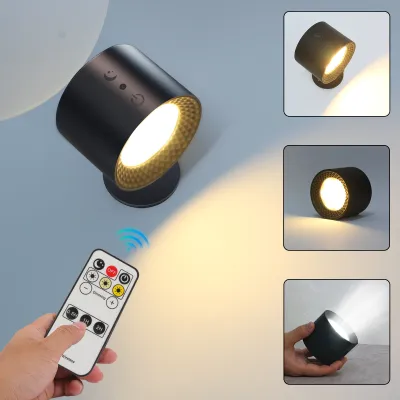
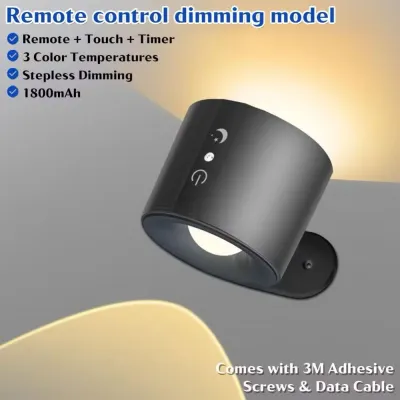
Prices are valid at publication and may change. Please refer to the product page for the latest price.
Warranty terms and the availability of after-sales support are equally critical indicators of a brand’s reliability. Because 360 infinity wall lights rely on integrated LED strips to create their seamless optical illusion, replacing a failed light source is not as simple as twisting in a new bulb. Trustworthy brands typically offer a comprehensive warranty that covers both the LED chips and the driver for a specified period. They should also have a clear process for sourcing replacement parts, ensuring you do not have to discard the entire fixture if a single internal component fails.
Build materials directly impact how well a fixture tolerates the daily activity of a busy household. Corridors are high-traffic zones where wall-mounted items are easily bumped by bags, vacuum cleaners, or moving furniture. Evaluate brands based on their use of robust materials, such as high-grade aluminum housing with powder-coated finishes. Aluminum provides excellent heat dissipation, which is vital for preserving the lifespan of integrated LEDs, while high-quality finishes resist scratches and corrosion far better than cheap plastics.
Finally, examine the optical specifications provided by the manufacturer. A reliable brand will clearly state the Color Rendering Index (CRI) of their LEDs, with a CRI of 90 or higher being ideal for rendering wall colors and decor accurately. Additionally, check for glare control features. The optical design should project the infinite loop cleanly without exposing raw, blinding LED hotspots directly to your eyes as you walk down the hallway.
Corridor Lighting Requirements in Singapore Homes
Singaporean residential layouts, particularly HDB flats and executive condominiums, often feature corridors ranging from 90 to 120 centimeters in width. In these compact spaces, a wall light that protrudes too far becomes a physical hazard and restricts movement. When evaluating different brands, pay close attention to the depth profile of the fixture. Slim-profile 360 infinity lights that extend less than 12 centimeters from the wall are highly recommended to maintain comfortable clearance and a clean visual flow.

Balancing ambient illumination with decorative accent lighting is essential in narrow passages. While an infinity light serves as a beautiful decorative element, it should also contribute functional light to eliminate dark spots and shadows. Consider whether the fixture projects enough indirect light onto the surrounding wall surface to guide your steps, or if you will need to supplement the hallway with subtle recessed downlights to achieve a balanced, safe level of brightness.
Environmental factors also play a role in fixture longevity, especially if your corridor is located near a main entrance, an open balcony, or a kitchen. Singapore’s tropical climate brings high humidity, and open doors can introduce dust and moisture into the hallway. Over time, dust settling on the internal mirrors of an infinity light will ruin the clean visual effect. Choosing a brand that offers sealed optical chambers prevents airborne particles from entering the fixture, preserving the depth illusion.
Spacing and layout planning must align with your home’s existing electrical infrastructure. Because many Singapore homes feature solid concrete walls, routing new concealed wiring can be a costly and disruptive process. If you plan to use existing wall junction boxes, select a brand that offers versatile mounting brackets or backplates large enough to cover standard local wall boxes cleanly without leaving unsightly gaps.
Essential Specifications to Check Before Buying
Before finalizing your purchase, verify that the fixture’s electrical specifications match Singapore’s residential power supply. The standard domestic voltage is 230V AC at 50Hz. Ensure the brand’s product is rated for 220V-240V operation. Installing a light designed exclusively for 110V markets will cause immediate damage to the driver and presents a severe electrical hazard. You should also check the maximum wattage limit of the fixture to ensure it does not overload your lighting circuit.
Determine the wiring and switching requirements of the specific model. For a seamless, professional look in a corridor, hardwired fixtures are preferred over plug-in models that leave cords dangling down the wall. Additionally, verify if the fixture’s driver is compatible with your existing wall switches. If you plan to integrate the light with smart home switches or motion sensors that automatically turn the hallway lights on when you walk by, confirm that the driver supports these control systems without flickering.
If you want the flexibility to adjust the atmosphere of your corridor, dimming capabilities are a must. The intense visual effect of an infinity light can sometimes feel too bright late at night. Check that the fixture is explicitly labeled as dimmable, and verify which dimming protocol it uses, such as Triac or 0-10V. You must match this protocol with a compatible wall-mounted dimmer switch to prevent annoying buzzing sounds or unstable light output.
Ingress Protection (IP) ratings indicate how well a fixture resists dust and moisture. While standard indoor hallways generally only require an IP20 rating, fixtures installed near semi-outdoor areas, such as open-air common corridors or main doors facing external lift lobbies, benefit from a higher rating. An IP44 rating provides protection against splashing water and solid objects larger than 1 millimeter, offering extra peace of mind in humid or exposed entryways.
Installation and Safety Boundaries
Electrical safety must always be your top priority during any installation or maintenance task. Before touching any wiring or removing an existing fixture, you must isolate the power supply. Locate your home’s main distribution board (DB box) and switch off the miniature circuit breaker (MCB) dedicated to the corridor’s lighting circuit. Never rely solely on the wall switch to cut the power, as improper wiring in the past could leave live current running to the fixture.
In Singapore, any modification to fixed electrical wiring must be performed by a Licensed Electrical Worker (LEW). If your installation requires routing new cables behind walls, installing new junction boxes, or modifying your home’s electrical distribution, you must hire a qualified professional. Attempting to perform complex electrical work yourself violates local regulations, risks severe electrical shock, and can void your home insurance policy.
Assess the structural integrity of your corridor wall before mounting the fixture. Singapore homes typically feature either solid concrete walls or hollow drywall partitions. Concrete walls require a masonry drill and heavy-duty wall plugs to secure the mounting bracket. Drywall partitions, on the other hand, require specialized hollow-wall anchors to distribute the weight of the fixture safely and prevent it from pulling loose over time due to vibration or accidental bumps.
Always establish clear stop conditions during the installation process. If you encounter unexpected wiring colors, damaged insulation, or a lack of an earth wire when you open the junction box, stop immediately. Do not attempt to guess the wiring configuration. If the mounting surface feels unstable, or if the manufacturer’s instructions conflict with your home’s existing setup, leave the circuit switched off at the DB box and consult a professional installer.
Frequently Asked Questions (FAQ)
Can I install a 360 infinity wall light on a hollow drywall partition?
Yes, you can install a 360 infinity wall light on a hollow drywall partition, but you must use specialized hollow-wall anchors, such as toggle bolts or heavy-duty plastic expansion anchors, rather than standard wall plugs. Because these fixtures project outward from the wall, they exert leverage on the mounting bracket, and accidental impacts in a busy corridor can easily pull a poorly secured light out of the drywall. Always check the weight of the fixture against the load capacity of your chosen anchors. If the drywall feels soft, damp, or structurally compromised, stop the installation and consult a professional installer to reinforce the wall backing.
What is the ideal color temperature for corridor lighting?
The ideal color temperature for corridor lighting depends on your home’s overall interior design and personal preference, as there is no single performance standard. Warm white (2700K to 3000K) creates a cozy, welcoming ambiance that softens the narrow feel of a hallway, making it highly popular for residential spaces. Neutral white (4000K) offers a cleaner, more modern aesthetic that mimics natural daylight, which is excellent for highlighting wall art or decor. To maintain visual continuity, it is generally best to match the corridor’s color temperature with the adjacent living areas so your eyes do not have to constantly adjust to different light tones as you move between rooms.

Community discussion
Share your experience or ask a question. Comments are reviewed before publication.