
Finding a reliable bedside wall lamp in Singapore requires balancing aesthetic appeal with structural durability, electrical safety, and local compatibility. Because Singapore homes feature unique structural characteristics—such as concrete walls in Housing & Development Board (HDB) flats and specific electrical standards—selecting the right fixture involves verifying material quality, local warranty support, and compliance with national safety regulations. By focusing on these core evaluation metrics, you can secure a high-quality lighting solution that enhances both your bedroom’s design and your nightly comfort.
How to Evaluate Bedside Wall Lamp Brand Reliability
Assessing the build materials of a wall lamp is the first step in determining its long-term durability. Singapore’s tropical climate features high relative humidity, which can accelerate the corrosion of low-quality metals. Reliable brands construct their fixtures from solid brass, anodized aluminum, or high-grade stainless steel treated with protective powder coatings. Avoid brands that rely heavily on thin electroplated finishes or cheap plastics, as these materials tend to tarnish, discolor, or become brittle over time when exposed to ambient moisture.
Warranty coverage and local customer support are critical indicators of a brand’s commitment to quality. Look for manufacturers that offer at least a one-year warranty, with premium brands often extending this coverage to three or five years. A brand with a physical showroom or an authorized local distributor in Singapore ensures that you can easily source replacement parts, such as proprietary LED drivers or matching mounting brackets, without enduring long international shipping delays.
Products mentioned in this guide
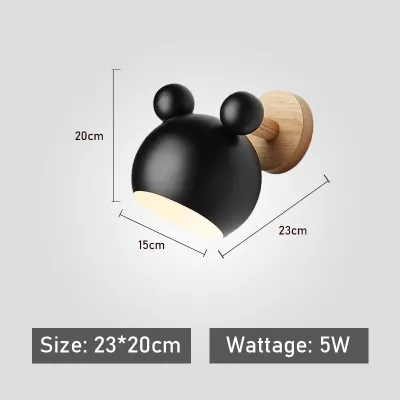
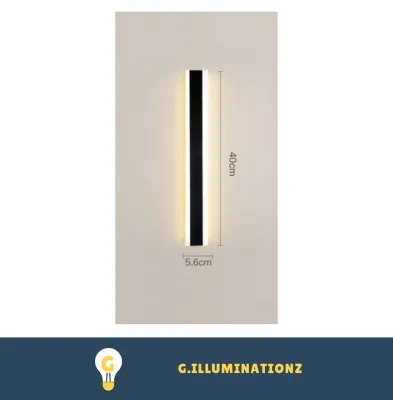
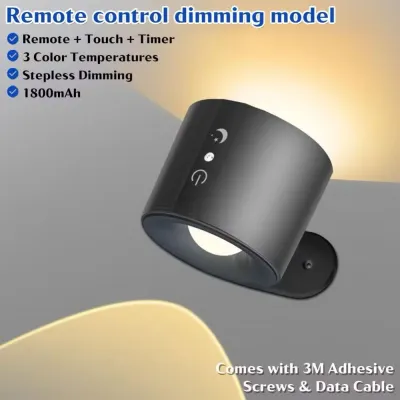
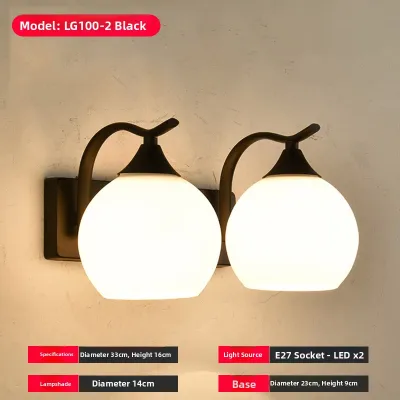
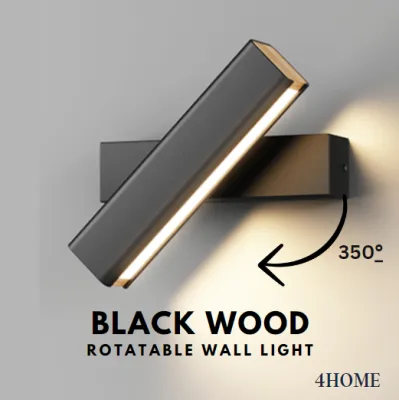
![[SG Seller] Premium Black White LED Wall Light Nordic Spot Light For Bedroom Beside Living Room Hotel Modern Rotation Folding Reading Headboard Lights](https://img.lazcdn.com/g/p/15e23a3097a890d446222eccdcec9618.png_400x400q80.png_.webp)
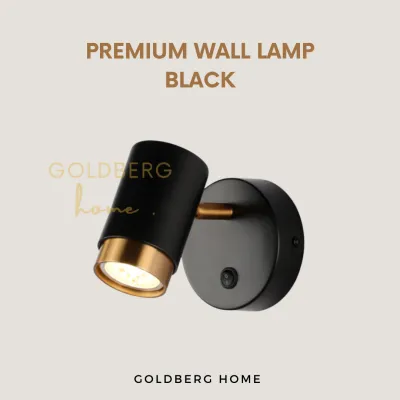
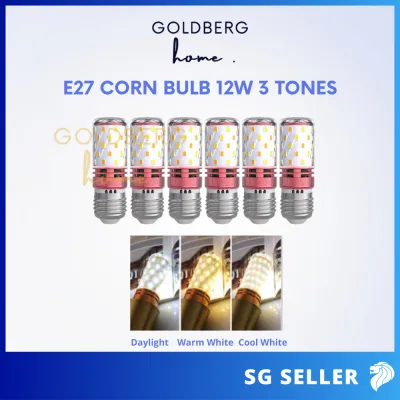
Prices are valid at publication and may change. Please refer to the product page for the latest price.
Evaluating design consistency across a brand’s product catalog can also guide your decision. Reputable lighting brands typically design their products in cohesive collections, allowing you to match your bedside wall lamps with corridor lighting, pendant lights, or ceiling fixtures. This structural and aesthetic consistency ensures a unified design language throughout your home, making it easier to plan comprehensive lighting layouts.
Before finalizing your choice, read verified user reviews on local home renovation forums and independent platforms. Focus on long-term feedback regarding mechanical wear, such as whether adjustable swing-arm joints remain stiff over months of use, or if built-in switches maintain a crisp, responsive click. Peer reviews that detail how a fixture performs after a year of daily use are far more valuable than initial unboxing impressions.
Must-Check Electrical and Physical Specifications
Singapore operates on a 230V, 50Hz electrical system, meaning any bedside wall lamp you purchase must be rated for this voltage. Imported fixtures from regions with different voltage standards can pose severe fire hazards or fail instantly if connected directly to local mains. Always look for the Safety Mark issued by Enterprise Singapore on the power adapters, LED drivers, or the fixtures themselves to ensure they have been certified safe for local household use.

Standardizing your bulb choices simplifies future maintenance and ensures consistent light output. Identify whether the fixture uses a standard bulb base, such as E27, E14, or GU10, and verify the manufacturer’s maximum wattage limits. Exceeding these limits, especially in enclosed fabric or glass shades, can cause heat buildup that damages the lamp’s internal wiring or shortens the lifespan of the bulb.
Physical dimensions require careful measurement relative to your bedroom layout. Calculate the projection of the lamp from the wall to ensure it does not obstruct your movement when sitting up, leaning against the headboard, or getting out of bed. For compact bedrooms, low-profile sconces or adjustable swing-arm models that fold flat against the wall help maximize limited space.
Decide early between hardwired and plug-in models based on your current renovation stage. Hardwired lamps offer a clean, minimalist look with all wiring concealed behind the wall, but they require pre-existing electrical points or professional wall hacking. Plug-in models are highly versatile and easy to install, requiring only a nearby wall socket, though you will need to manage the visible cord neatly using surface-mounted covers or decorative cable guides.
Matching Light Quality to Bedroom Comfort
To create a restful bedroom environment, prioritize warm white light with a color temperature between 2700K and 3000K. This range mimics the soft glow of sunset, which helps promote melatonin production and prepares your body for sleep. Avoid cool white or daylight temperatures above 4000K near the bed, as blue-enriched light can disrupt your natural sleep cycle, though a neutral 3000K spotlight is acceptable for dedicated reading.
To transition smoothly from evening relaxation to nighttime winding down, choose fixtures that support dimming. Ensure your selected wall lamp is compatible with your wall dimmer switch, or opt for models featuring built-in stepless dimming controls on the fixture itself. This flexibility allows you to adjust the light levels to suit different times of the night without installing complex external systems.
Glare reduction is essential for bedside comfort, as direct light shining into your eyes while lying down can cause immediate strain. Look for fixtures with frosted glass diffusers, fabric shades that soften the output, or opaque metal shades that direct the light downward. If you enjoy reading in bed, a dual-source lamp featuring a soft ambient backlight alongside a highly directional, low-glare LED reading spotlight offers the perfect balance.
Balancing ambient lighting with focused task lighting ensures your bedroom remains functional. While a soft, diffused wall sconce provides excellent background illumination for watching television or relaxing, a dedicated reading light with an adjustable arm allows you to focus light precisely on your book without disturbing a sleeping partner.
Installation Safety and When to Call an Electrician
Before attempting any electrical installation, always isolate the main power supply at your home’s distribution board (DB box). Never rely solely on the wall switch to cut the power, as improper wiring could leave the circuit live. Use a reliable voltage tester to confirm the wires are completely dead before touching any electrical connections.
Singapore homes feature diverse wall structures that dictate your mounting approach. HDB flats typically have solid concrete or precast walls, which require a masonry drill, heavy-duty wall plugs, and sturdy screws to mount fixtures securely. Condominiums and landed properties often use drywall or gypsum board partitions for bedroom walls; these require specialized toggle bolts or hollow-wall anchors to prevent the lamp from tearing through the plaster.
While mounting a simple plug-in lamp is a straightforward DIY task, any work involving fixed electrical wiring must be handled by a licensed electrical worker (LEW) in Singapore. You must call a professional if you need to run new concealed conduits, hack concrete walls to relocate light switches, or install new electrical points. Attempting to modify fixed wiring yourself violates local safety regulations and can void your home insurance.
Ensure the fixture’s weight does not exceed the mounting surface’s load-bearing capacity. Heavy brass, ceramic, or solid glass wall lamps require robust anchoring systems and should never be mounted directly to standard drywall without securing them to the underlying metal studs or using heavy-duty toggle anchors rated for the specific weight.
Where to Buy and How to Verify Authenticity
To ensure you are buying genuine, safe products, prioritize official brand showrooms, authorized local lighting retailers, and verified flagship stores on major e-commerce platforms. Established lighting hubs along Balestier Road and Jalan Besar allow you to inspect the build quality, material finishes, and light output of the fixtures in person before making a purchase.
Genuine products will feature clear branding, professional packaging, comprehensive installation manuals, and local warranty cards. Be cautious of unbranded or generic products sold by third-party sellers on online marketplaces at unusually low prices, such as under S$20, as these often lack proper electrical insulation, safety certifications, or reliable internal drivers.
If you are purchasing imported designer brands, always confirm stock availability and delivery lead times with the retailer. Made-to-order or imported fixtures can have lead times ranging from 6 to 12 weeks. Factoring these timelines into your home renovation schedule prevents unnecessary delays for your interior designer or electrical contractor.
Frequently Asked Questions (FAQ)
Can I install a hardwired wall lamp if my bedroom only has plug sockets?
Yes, you can adapt a hardwired wall lamp for use with a standard plug socket, but you must consider the aesthetic and safety implications. One option is to have a licensed electrician run surface-mounted plastic trunking from the lamp down to the nearest socket, though this can disrupt the clean look of your bedroom wall. Alternatively, if you want a completely seamless look without visible wires, the electrician must hack the concrete wall to lay concealed conduits, which is a messy and costly process. For rented properties or completed renovations where hacking is not feasible, choosing a dedicated plug-in wall lamp with an attractive, fabric-covered cord is the most practical and non-invasive solution.
Are smart bedside wall lamps worth the investment for a standard bedroom?
Smart bedside wall lamps offer significant convenience, allowing you to adjust brightness, change color temperatures, and set automated sleep schedules via mobile apps or voice commands. However, their reliability depends heavily on a stable home Wi-Fi network or a compatible smart home hub. If your bedroom has weak wireless coverage, the smart features may experience lag or disconnect frequently. Additionally, you must ensure that the physical wall switch controlling the lamp remains turned on; if someone manually flips the wall switch off, the smart lamp loses power and cannot be controlled remotely. To avoid this, consider pairing your smart lamp with dedicated smart wireless buttons or configuring your switches to remain constantly powered.

Community discussion
Share your experience or ask a question. Comments are reviewed before publication.