
To choose the best cherry blossom LED strip lights for your bedroom in Singapore, you must look beyond the initial visual appeal and focus on electrical safety, power configurations, and structural quality. Because these decorative lights combine delicate artificial flower petals with electrical components, selecting a reliable set requires verifying voltage compatibility, checking build materials, and planning your layout to suit the local climate and typical bedroom configurations. Balancing these technical details with your personal aesthetic preferences ensures a cozy, beautiful, and hazard-free sleeping space.
By focusing on certified power adapters, durable light-emitting diode (LED) chips, and appropriate installation methods for local wall types, you can avoid common pitfalls like premature light failure, peeling adhesives, or electrical hazards. This guide provides a comprehensive framework to help you evaluate specifications, plan your bedroom layout, navigate online marketplaces safely, and maintain your decorative lighting setup for the long term.
Key Specifications to Evaluate Before Buying
When shopping for cherry blossom LED strip lights, the quality of the light source itself is paramount. Look closely at the product packaging or online specifications for the type of Surface Mounted Device (SMD) used. Standard decorative strips often use SMD 2835 or SMD 5050 chips. SMD 5050 chips are generally larger and brighter, housing three light-emitting diodes in a single unit, which provides a richer color output and better illumination for the attached cherry blossom petals. SMD 2835 chips are smaller and more energy-efficient, making them suitable for subtle, low-intensity accent lighting where high brightness is not required.
Products mentioned in this guide

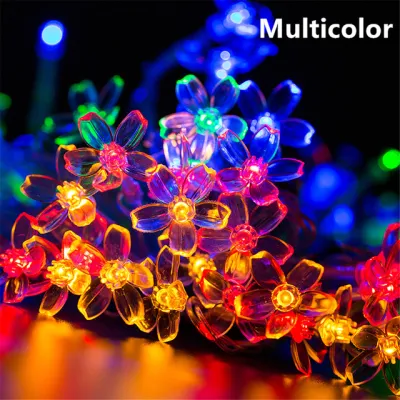
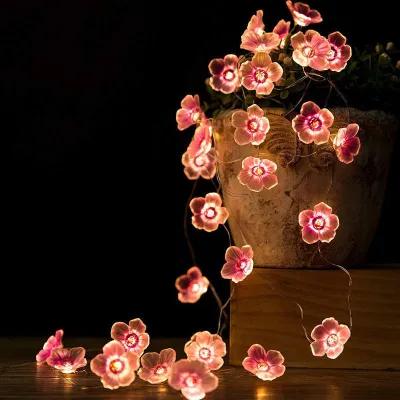
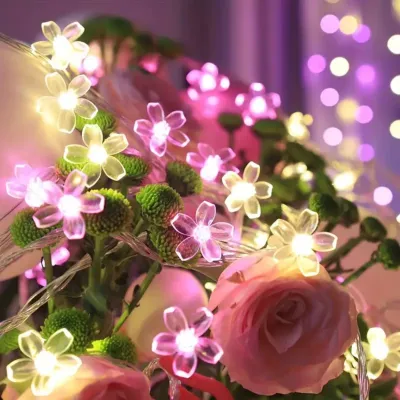
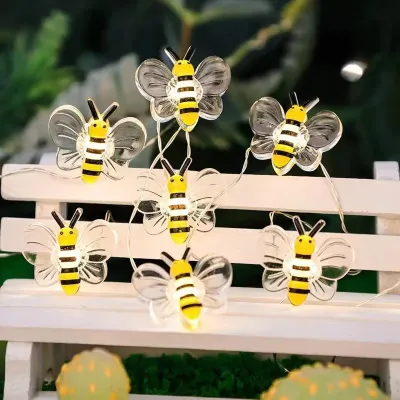
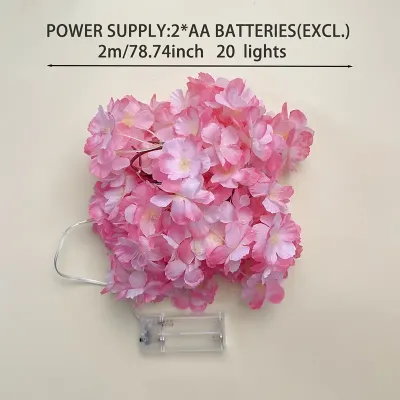
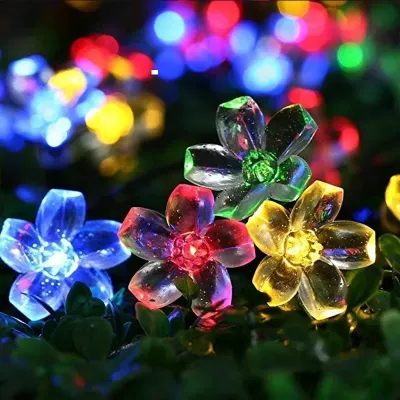
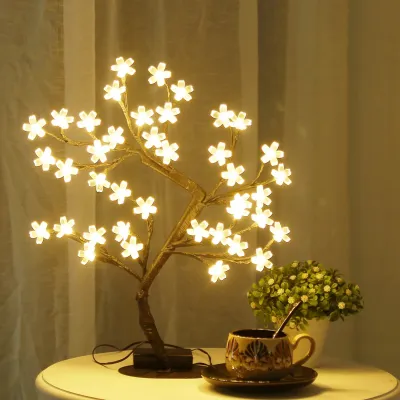
Prices are valid at publication and may change. Please refer to the product page for the latest price.
Another critical metric is the Color Rendering Index (CRI), which measures how accurately a light source reveals the true colors of objects compared to natural light. For a bedroom setting, aim for a CRI rating of 80 or higher. A high CRI ensures that the delicate pink and soft white hues of the artificial cherry blossom petals look vibrant and natural, rather than washed out, greyish, or unnaturally green under artificial illumination.
Power supply options significantly impact both the safety and flexibility of your lighting setup. Low-voltage USB-powered strips typically operate on 5V DC. These are highly convenient for short decorative runs, such as framing a vanity mirror or wrapping a small headboard, as they can be powered by standard USB wall chargers or power banks. However, USB-powered strips are prone to voltage drop over longer distances, which causes the lights at the far end of the strip to appear dimmer.
For longer installations that span the perimeter of a ceiling or run along an entire wall, opt for plug-in power adapters operating at 12V or 24V DC. These systems deliver consistent voltage across the entire length of the strip, ensuring uniform brightness from the first blossom to the last. Ensure the power adapter matches the total wattage consumption of your LED strip, leaving a 20% safety margin to prevent the adapter from overheating during extended use.
Control methods should align with your daily habits and bedroom layout. Basic models feature physical inline switches or simple infrared (IR) remote controls, which require a direct line of sight to the receiver. Radio frequency (RF) remotes offer better range and do not require line-of-sight operation. For maximum convenience, consider app-controlled smart strips that connect via Bluetooth or Wi-Fi, allowing you to adjust brightness, set schedules, and change color profiles directly from your smartphone.
Matching Aesthetics and Layout to Your Bedroom
Achieving a balanced look requires precise measurements and a clear understanding of where the lights will be installed. Before purchasing, use a measuring tape to map out your intended installation zones, such as the perimeter of your headboard, inside a ceiling cove, or along curtain rods. Purchasing a strip that is too short will leave your design looking incomplete, while an excessively long strip can result in awkward bunching or require you to cut the strip, which is only possible at designated cutting points marked on the copper contacts.

Color temperature plays a vital role in setting the mood of your bedroom. Warm white light, ranging from 2700K to 3000K, emits a soft, golden glow that promotes relaxation and complements wooden furniture and warm-toned bedding. Cool white light, ranging from 5000K to 6500K, offers a crisp, modern aesthetic but can feel overly clinical or disruptive to sleep patterns if used late at night. RGB (Red, Green, Blue) strips offer the ultimate flexibility, allowing you to transition from a soft pink cherry blossom glow during the evening to a calming blue or purple hue before sleep.
Evaluate the physical design of the cherry blossom attachments themselves. High-quality strips feature soft, flexible silicone or high-grade plastic petals that diffuse the LED light evenly, preventing harsh glare or hot spots. The spacing of the blossoms—often referred to as blossom density—should be balanced. If the blossoms are spaced too far apart, the strip may look sparse and stringy; if they are too dense, they may overlap awkwardly and block the light. Look for flexible branch wires that allow you to shape and drape the blossoms naturally around corners or architectural features.
Electrical Safety and Installation Boundaries
Electrical safety must be your top priority when installing any decorative lighting in your home. In Singapore, all mains-powered electrical accessories, including LED power adapters, must comply with local safety regulations. When purchasing a plug-in system, verify that the power adapter carries the Safety Mark issued by the local authority, Enterprise Singapore. This mark indicates that the adapter has undergone rigorous testing to ensure it is safe for use with the local 230V, 50Hz electrical grid.
Proper cable management is essential to prevent physical damage to the wires and eliminate tripping hazards. Route all power cables neatly along baseboards or behind furniture using adhesive-backed cable clips. Avoid running cables under rugs, carpets, or heavy furniture, as compressed or pinched wires can overheat and pose a severe fire hazard. Ensure that heat-generating components, such as the power adapter and the controller box, are placed in well-ventilated areas away from flammable materials like bedding, pillows, and curtains.
While low-voltage, plug-and-play LED strips are perfectly safe for DIY installation, certain scenarios require professional assistance. If your installation plan involves hardwiring the LED driver directly into your bedroom’s existing wall switches, running cables inside concrete walls, or making structural modifications to your ceiling, you must stop and consult a licensed electrical worker (LEW). Attempting complex electrical modifications without proper licensing is illegal in Singapore and poses significant safety risks.
Navigating E-Commerce Platforms and Verifying Sellers
Finding a reliable cherry blossom LED strip light on online marketplaces requires a cautious and methodical approach. Because many listings rely on heavily edited stock photos, you should prioritize listings that feature verified buyer reviews with real-life photos and videos. These user-uploaded images provide a much more accurate representation of the actual light output, blossom density, and overall build quality than promotional graphics.
Pay close attention to the seller’s overall rating and the responsiveness of their customer service. Reputable sellers on major ecommerce platforms will have a high positive feedback score and a history of resolving customer complaints promptly. Check the product’s return and refund policies before making a purchase, ensuring you have a clear recourse if the product arrives damaged, missing parts, or non-functional.
Warranty terms are a strong indicator of product reliability. Avoid sellers that offer no warranty or only a very short return window. A trustworthy manufacturer or distributor should provide at least a three-to-six-month warranty on the LED strip and the power adapter. This warranty protects you against premature component failures, such as dead LED segments or malfunctioning controllers, which often manifest within the first few weeks of regular use.
Be vigilant for common red flags when browsing online listings. Extremely low prices that seem too good to be true often indicate substandard materials, thin copper wiring that breaks easily, or uncertified power adapters that pose a fire risk. Listings that lack clear technical specifications, fail to state the operating voltage, or do not display safety certification details should be avoided entirely in favor of transparent, well-documented products.
Maintenance and Troubleshooting Common Issues
Keeping your cherry blossom LED lights clean and well-maintained will significantly extend their lifespan and preserve their aesthetic appeal. Over time, dust and airborne particles will accumulate on the delicate silicone or plastic petals, which can dim the light output and make the arrangement look dull. Before cleaning, always turn off the lights and unplug the power adapter from the wall outlet to eliminate any risk of electrical shock.
Use a dry, soft microfiber cloth or a clean, soft-bristled brush to gently sweep away dust from the petals and the LED beads. Avoid using wet cloths, liquid sprays, or harsh chemical solvents, as moisture can easily seep into the electrical connections, causing corrosion, short circuits, or permanent damage to the internal circuitry. If a petal is particularly dirty, a very slightly damp cloth may be used, but you must ensure the entire assembly is completely dry before plugging it back in.
If you encounter operational issues, a systematic troubleshooting approach can help you identify the root cause safely. If a specific segment of the strip fails to light up while the rest remains illuminated, inspect that section for physical damage, sharp bends, or broken copper traces. LED strips are wired in series-parallel circuits; a break in one section will cause that specific segment to go dark. If the entire strip is flickering, this usually points to an unstable power supply, an overloaded adapter, or a loose connection at the input jack.
When a power adapter fails, it can often be replaced independently of the LED strip, provided you select a replacement with identical output specifications. The replacement adapter must match the original’s voltage (e.g., 12V DC), meet or exceed its current rating (amperage), and feature the exact same barrel connector size and polarity. However, if you notice physical damage to the strip’s wiring, exposed copper, or signs of melting or scorching on the plastic components, do not attempt to repair it. Discard the entire strip immediately to prevent safety hazards.
Frequently Asked Questions (FAQ)
Can I leave cherry blossom LED strip lights on overnight?
It is generally not recommended to leave decorative LED strip lights on overnight unless the manufacturer’s guidelines explicitly state they are rated for continuous, unattended 24-hour operation. While LEDs generate significantly less heat than traditional incandescent bulbs, the power adapter and the controller box still produce heat during operation. To ensure safety, always turn off the lights before going to sleep, ensure the power adapter is placed in a well-ventilated area, and keep all electrical components completely clear of flammable bedding, pillows, and curtains.
Do these lights work with smart home systems?
Whether your cherry blossom LED lights work with smart home systems depends entirely on the controller included with the product. Standard models with basic physical switches or simple IR remotes do not have smart capabilities built-in, but they can often be integrated into your smart home by plugging them into a compatible smart plug. For seamless integration with platforms like Google Home or Apple Home, look for LED strips that explicitly feature built-in Wi-Fi or Zigbee controllers, and verify that the compatible smart protocols are clearly printed on the product packaging before you buy.
How do I remove the adhesive without damaging wall paint?
Removing adhesive backing from bedroom walls without peeling off the paint requires patience and gentle heat. Use a handheld hairdryer set to a low or medium heat setting and direct the warm air at the adhesive backing for 20 to 30 seconds to soften the glue. Once the adhesive becomes warm and pliable, slowly and gently peel the strip away from the wall at a shallow angle. Always test this method on a small, hidden area of your wall first, and stop immediately if you see any signs of paint lifting or cracking.

Community discussion
Share your experience or ask a question. Comments are reviewed before publication.