
Finding reliable indoor wall light brands in Singapore requires looking beyond aesthetic appeal to evaluate safety certifications, local electrical compatibility, and long-term product support. Because wall lights are often hardwired directly into your home’s electrical grid, choosing a reputable manufacturer ensures that the fixtures operate safely under local voltage conditions and resist the humid tropical climate. By focusing on verified safety marks, robust warranties, and precise technical specifications, you can confidently select wall lights that enhance your interior design while maintaining a safe living environment.
When shopping for indoor wall lights, the sheer volume of options on the market can be overwhelming. From minimalist LED sconces to ornate brass fixtures, different brands cater to various design aesthetics and functional needs. However, prioritizing structural integrity and electrical safety over pure visual design is essential for a successful, long-lasting installation. This guide outlines the key criteria for evaluating wall light brands, matching technical specifications to your home, navigating local purchase channels, and ensuring safe installation.
Core Criteria for Evaluating Wall Light Brands
Evaluating the reliability of a wall light brand starts with verifying its compliance with local safety standards. In Singapore, electrical accessories and lighting components must meet stringent safety guidelines. When assessing a brand, look for products that carry recognized safety certifications, such as the Safety Mark issued by Enterprise Singapore. This certification indicates that the electrical components, particularly the drivers and transformers used in LED fixtures, have undergone rigorous testing to prevent electrical shocks, short circuits, and fire hazards.
Products mentioned in this guide
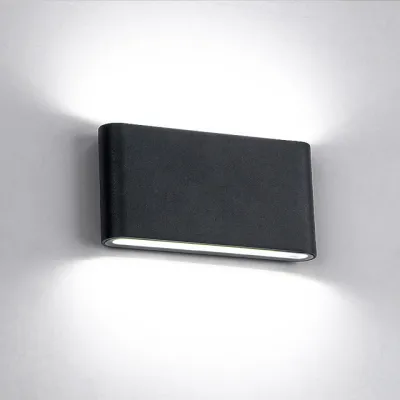
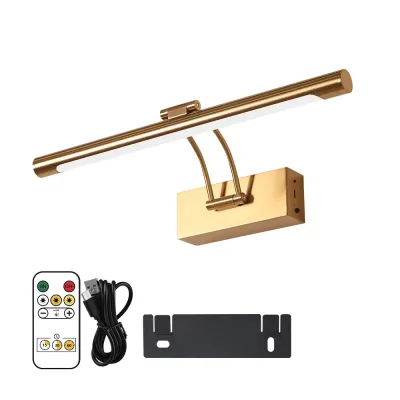
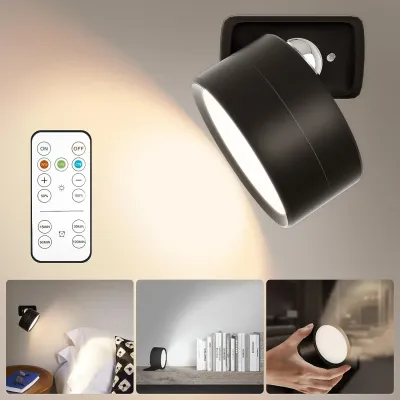
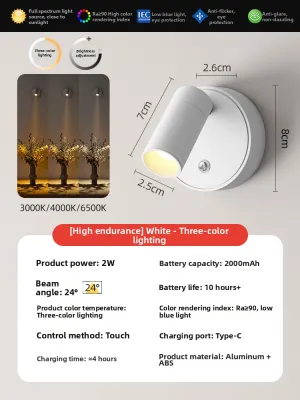
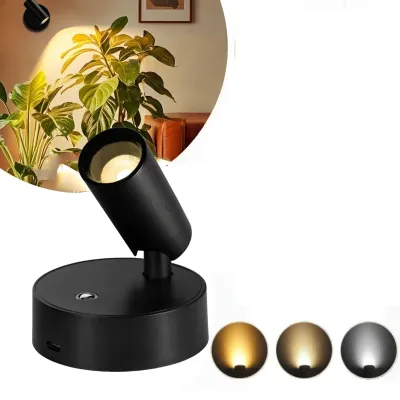
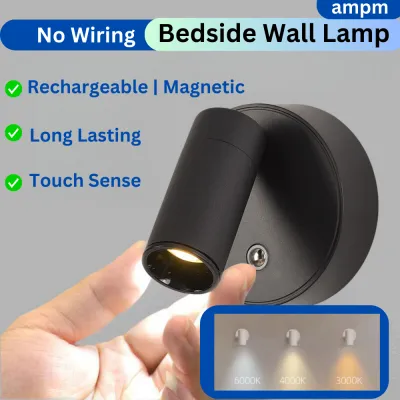
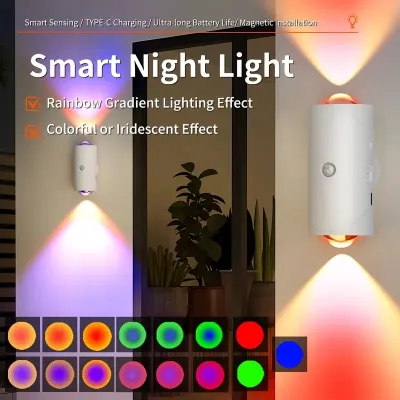
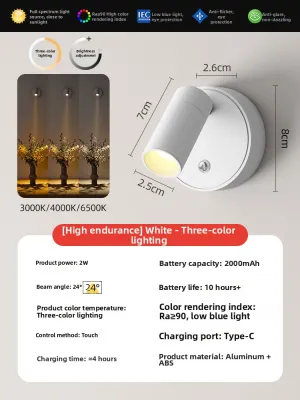
Prices are valid at publication and may change. Please refer to the product page for the latest price.
Warranty terms and the availability of local after-sales support are equally critical indicators of a brand’s reliability. A reputable brand typically offers a comprehensive warranty on both the fixture housing and the internal electrical components. When purchasing wall lights, verify whether the warranty is backed by a local distributor or physical showroom in Singapore. Having a local contact point ensures that if a driver fails or an integrated LED module malfunctions, you can easily source replacement parts without facing long shipping delays or high international freight costs.
Material durability and finish quality are vital considerations for indoor fixtures, especially given Singapore’s high relative humidity. Even inside air-conditioned homes, moisture can accelerate the tarnishing or corrosion of low-quality metals. Reliable brands utilize high-grade materials such as solid brass, powder-coated aluminum, or treated stainless steel. Inspect the finish of the fixture for consistency; high-quality brands apply protective clear coats or anodized finishes that prevent oxidation and keep the light looking pristine over years of use.
Additionally, consider the brand’s track record for thermal management, particularly for integrated LED fixtures. LEDs generate heat that must be dissipated efficiently to prevent premature degradation of the light output and color shifting. Reliable manufacturers design their fixtures with robust heat sinks, often integrated seamlessly into the metal housing. Brands that prioritize thermal engineering ensure their fixtures achieve their rated lifespans, saving you the hassle of frequent replacements.
Essential Specifications to Match Your Space
Before finalizing your choice of wall light brands, you must match the technical specifications of their catalogs to your home’s electrical infrastructure. Singapore operates on a nominal mains voltage of 230V AC at 50Hz. Ensure that any brand you consider designs its fixtures or drivers specifically for this voltage range. Using fixtures designed for lower voltages, such as 110V systems common in other regions, without a compatible transformer will damage the fixture and pose a severe safety hazard.

Another critical specification is the bulb base type or light source interface. Brands generally offer fixtures with either integrated LED modules or replaceable bulb sockets, such as E27, GU10, or G9 bases. Replaceable bulb fixtures offer maximum flexibility, allowing you to swap out bulbs to change color temperatures or brightness levels. Integrated LED fixtures, on the other hand, allow for incredibly slim and modern designs but require you to verify the lifespan of the built-in module and the ease of replacing the driver if it fails.
Physical dimensions and wall projection are crucial for spatial fit, particularly in high-traffic areas like corridors, stairwells, or bedside zones. A wall light that projects too far from the wall can become a physical obstruction or a safety hazard for occupants walking past. Compare the depth of the fixture against the available clearance in your space. Additionally, analyze the light distribution pattern of the fixture—whether it provides uplighting to emphasize ceiling height, downlighting to illuminate pathways, or diffuse ambient lighting for general illumination.
If you plan to adjust the light levels in your home, dimming compatibility must be verified before purchase. Not all LED wall lights are dimmable, and pairing an incompatible dimmer switch with a non-dimmable driver can cause annoying flickering, buzzing, or permanent damage to the electronics. Check the manufacturer’s specifications to determine if the fixture supports phase-cut dimming, 0-10V dimming, or smart dimming protocols. For smart home integration, ensure the brand’s drivers are compatible with your existing smart switches or wireless control systems.
Navigating Purchase Channels and Verifying Authenticity
Sourcing your wall lights from the right purchase channels is essential to ensure you receive genuine products with valid local warranties. In Singapore, consumers can choose between dedicated brand showrooms, authorized multi-brand lighting retailers, and general e-commerce platforms. While online marketplaces often present lower upfront prices, they carry a higher risk of parallel imports that may not comply with local electrical standards or lack valid local warranty coverage.
To verify the authenticity of a brand’s products, always ask the retailer for proof of authorized dealer status. Authorized dealers receive direct support from the manufacturer, ensuring that any warranty claims or replacement part requests are handled efficiently. If you are purchasing online, look for official brand stores or verified local sellers who explicitly state that their products carry the necessary local safety certifications and are covered by a local warranty.
Visiting a physical showroom or authorized retail store offers invaluable benefits when selecting wall lights. Seeing the fixtures illuminated in person allows you to assess the actual color rendering index (CRI) and visual comfort of the light. Online product renders often fail to capture how a light behaves in a real-world setting, such as how much glare it produces or how the light interacts with different wall textures. Physical inspection also allows you to evaluate the build quality, weight, and finish consistency of the fixture firsthand.
When budgeting for your lighting project, keep in mind that investing S$50 to S$150 on a high-quality, certified fixture from an authorized dealer is often more cost-effective in the long run than buying cheap, uncertified alternatives. High-quality fixtures require fewer replacements, operate more efficiently, and reduce the risk of electrical faults that could damage your home’s wiring system.
Installation Safety and Professional Boundaries
Installing indoor wall lights involves working with electrical wiring and structural mounting, both of which require strict adherence to safety protocols. In Singapore, any modification to fixed electrical wiring must be carried out by a Licensed Electrical Worker (LEW) registered with the Energy Market Authority (EMA). If your installation requires running new cables behind walls, cutting concrete chases, or adding new circuits to your distribution board, you must hire a professional electrician to perform the work.
Structural considerations are equally important when mounting wall lights. Singaporean homes commonly feature concrete or brick walls, which require masonry drill bits, heavy-duty wall plugs, and appropriate screws to secure the mounting bracket. If you are installing fixtures on drywall or partition walls, you must locate the timber or metal studs behind the wall or use specialized hollow-wall anchors. Always check the manufacturer’s specified weight limits for the fixture to ensure the mounting surface can support the load safely over time.
For basic maintenance, such as replacing a user-serviceable bulb or cleaning the fixture housing, always isolate the power at the main distribution board (DB box) before starting. Do not rely solely on the wall switch to turn off the power, as some wiring configurations may leave live current running to the fixture. Use a reliable non-contact voltage detector to confirm the wires are completely dead before touching any electrical connections.
Establish clear stop-conditions for any DIY attempts. If you encounter damaged insulation, loose wiring connections inside the wall box, or if the fixture exhibits unexplained flickering or buzzing after installation, stop immediately. Do not attempt to patch or bypass electrical issues yourself. Consult the manufacturer’s troubleshooting guide or contact a qualified professional electrician to diagnose and resolve the problem safely.
Frequently Asked Questions (FAQ)
Do indoor wall lights require special electrical wiring?
Yes, most standard indoor wall lights are hardwired, meaning they connect directly to the electrical cables inside your walls. This setup provides a clean, seamless look without visible cords but requires pre-existing wiring points. If your walls do not have built-in light points, a licensed electrician must run conduit or chase the walls to install them. Alternatively, some brands offer plug-in wall lights that mount to the wall and plug into a standard wall outlet, which is a viable DIY option that does not require structural electrical work.
How do I choose the right color temperature for hallway wall lights?
For hallways and transitional spaces, a warm white color temperature (typically between 2700K and 3000K) is generally recommended to create an inviting, comfortable atmosphere. It is important to maintain consistency with the color temperature of adjacent rooms to avoid harsh visual transitions. If the hallway connects to utility areas or requires high visibility, a neutral white (around 4000K) may be preferred. Always check the bulb or integrated LED specifications before purchasing to ensure the color temperature matches your existing lighting scheme.

Community discussion
Share your experience or ask a question. Comments are reviewed before publication.