
Preparing an emergency kit for a Housing & Development Board (HDB) flat in Singapore requires a deliberate approach to selecting portable lighting. While Singapore boasts an exceptionally reliable electrical grid, localized power trips, circuit breaker faults, or scheduled maintenance outages can instantly plunge an apartment into complete darkness. Relying solely on a smartphone flashlight is a poor strategy; it drains a critical communication device, offers a weak and highly diffused beam, and is difficult to position hands-free. A dedicated, high-quality LED torch light is an indispensable tool for household safety, but finding the right one requires looking past exaggerated online marketing claims and focusing on battery stability, physical durability, and local safety compliance.
To build a dependable emergency kit, you must understand how different torch designs perform within the specific layout of an HDB flat. The ideal emergency light must be easy for all household members to operate, safe to store long-term in Singapore’s humid climate, and capable of providing continuous illumination for hours or even days. By evaluating key technical specifications and understanding how to verify brand reliability, you can select a tool that will perform flawlessly when you need it most.
Key Features to Evaluate in Emergency LED Torch Lights
Selecting an LED torch light for indoor emergency use requires a different set of priorities than choosing a light for outdoor search-and-rescue or camping. Inside an HDB flat, your primary needs are navigating narrow hallways, locating essential items in windowless bomb shelters or bathrooms, and providing ambient light for tasks like cooking or reading. A torch that is too bright will bounce harsh glare off light-colored walls, temporarily blinding you and straining your eyes in confined spaces.
Products mentioned in this guide
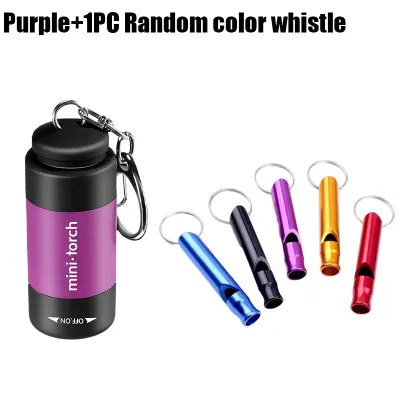
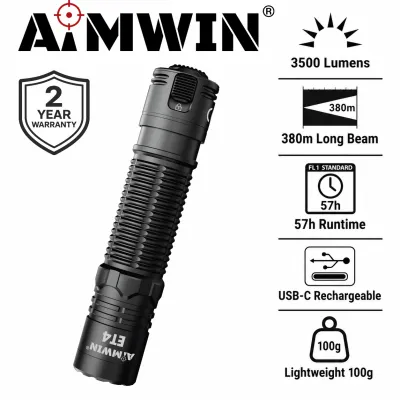
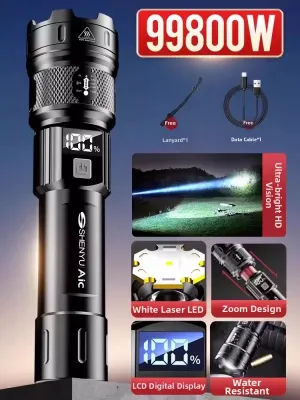
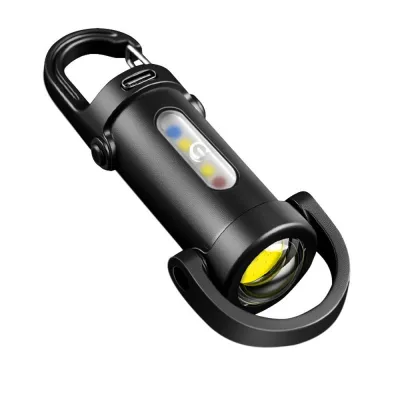
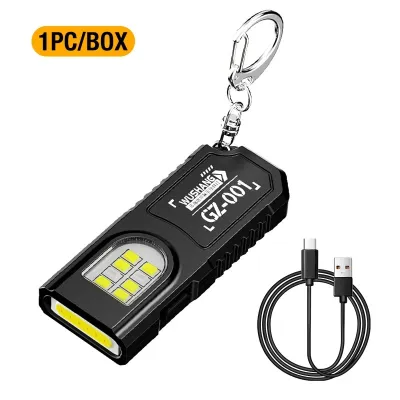
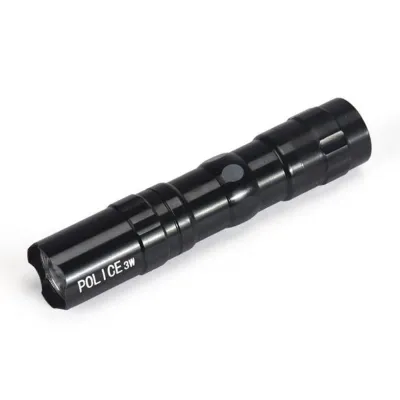
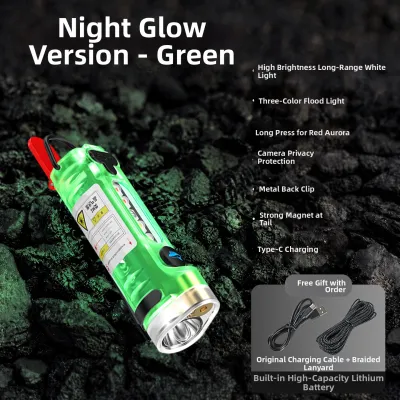
Prices are valid at publication and may change. Please refer to the product page for the latest price.
When evaluating the beam profile, look for a torch that offers a balanced mix of “flood” and “throw.” A floodlight disperses light widely across a room, making it easy to see your immediate surroundings. A thrower projects a narrow, focused beam over a long distance, which is useful for checking outdoor corridors or stairwells. For indoor emergency use, a heavy bias toward a smooth, wide floodlight is highly preferable. Some torches feature a zoomable lens that lets you adjust the beam width, though fixed-lens models with a naturally wide spill are often more durable and water-resistant.
Physical ergonomics and interface design are equally critical during a sudden blackout. The torch should feature a textured, non-slip grip that is easy to hold even with sweaty hands. It must be lightweight and compact enough for children or elderly family members to handle without fatigue. A highly desirable design feature is a flat tail-cap, which allows the torch to stand vertically on a table or countertop like a candle. This “tail-standing” capability lets you bounce the light off the ceiling, illuminating an entire room hands-free with soft, indirect light.
Finally, pay close attention to the available light modes. A dedicated emergency torch must have a low-power mode, often called a “moonlight” or “firefly” mode, which emits a soft 1 to 5 lumens. This mode is invaluable because it consumes minimal power, allowing a single battery to keep the light running for hundreds of hours. Additionally, a red-light mode is highly useful for preserving your eyes’ natural night vision when navigating in the dark. While strobe and SOS modes are standard on many tactical lights, ensure they are recessed or require a secondary action to activate, preventing you from accidentally blinding yourself when you simply want to turn the light on.
Checking Local Safety Certifications and Compliance
Electrical safety is a paramount concern when introducing any battery-powered device into your home, especially one intended for long-term storage. In Singapore, the Consumer Protection (Safety Requirements) Registration Scheme regulates key household electrical appliances. While portable, low-voltage torch lights themselves do not typically require a Safety Mark, any accompanying AC power adapters, wall chargers, or direct plug-in charging docks absolutely do. When purchasing a rechargeable torch kit, always verify that the charging adapter carries the distinctive blue Safety Mark logo to ensure it has been tested and approved for use with Singapore’s 230V, 50Hz electrical grid.

For torches powered by high-capacity lithium-ion batteries, battery safety is a critical consideration. Lithium-ion cells store a massive amount of energy in a compact space. If these cells are poorly manufactured, physically damaged, or subjected to extreme electrical stress, they can experience thermal runaway—a rapid, self-heating chemical reaction that can lead to severe fires or explosions. To mitigate this risk, prioritize brands that use “protected” lithium-ion cells. These batteries feature an integrated miniature circuit board (PCB) at the terminal that automatically cuts off power in the event of overcharging, over-discharging, or a short circuit.
Avoid purchasing unbranded, white-label torch lights from unregulated online marketplaces. These products are frequently sold without safety certifications, using substandard battery cells and low-grade internal wiring that lacks proper thermal management. During unattended charging, these cheap components can easily overheat. Investing in established brands that provide transparent technical specifications, clear safety documentation, and certified charging accessories is a fundamental step in protecting your household from electrical hazards.
Battery Chemistry and Long-Term Storage for HDB Kits
The choice of battery chemistry dictates how reliable your torch will be after sitting unused in a drawer for months or years. The two primary options for emergency kits are rechargeable lithium-ion batteries and disposable primary batteries. Each chemistry has distinct characteristics that affect its suitability for long-term standby storage in a tropical environment.
Rechargeable lithium-ion batteries (such as 18650 or 21700 cells) offer exceptional power output and are highly cost-effective if you use your torch regularly. However, they suffer from self-discharge, slowly losing their stored energy even when the torch is turned off. If a rechargeable torch is left unmonitored in an emergency kit for a year, the battery may be completely depleted when a blackout occurs. Furthermore, storing lithium-ion batteries at a constant 100% charge in hot environments accelerates their permanent capacity degradation.
Disposable alkaline batteries (AA or AAA) are cheap and widely available, but they present a severe risk for emergency storage: chemical leakage. As alkaline batteries discharge or age, they produce hydrogen gas, which builds up internal pressure. Eventually, the battery’s safety seals can rupture, releasing highly corrosive potassium hydroxide. This white, crusty leakage will quickly corrode the metal contacts and destroy the internal electronics of your torch. If you choose a torch that utilizes standard AA or AAA batteries, avoid alkaline cells entirely. Instead, invest in lithium primary batteries (such as L91 lithium cells). Lithium primaries have an outstanding shelf life of up to 20 years, do not leak, and perform exceptionally well across a wide temperature range.
Singapore’s tropical climate, characterized by high ambient temperatures and relative humidity levels often exceeding 80%, accelerates battery self-discharge and chemical corrosion. Storing your emergency kit in hot, unventilated areas like a service yard, kitchen cabinet near the stove, or a deep household shelter can significantly shorten battery life. To maximize reliability, store your torches in a cool, dry, and easily accessible location, such as a living room console or a dedicated emergency bag near the main entrance.
To guarantee readiness, establish a strict semi-annual maintenance routine. Every six months, remove all torches from your emergency kit for inspection. For rechargeable models, check the battery level and top it up to approximately 60% to 80%, which is the optimal storage charge for preserving lithium-ion health. For torches using disposable batteries, inspect the battery compartment for any signs of oxidation or damage, and replace the cells if they are nearing their printed expiration date. This simple habit ensures that your lighting gear will function instantly during a crisis.
Building Your Shortlist: Where to Verify Brand Reliability
When compiling a shortlist of reliable LED torch light brands, look beyond raw performance specifications and focus on long-term support and build quality. A reputable brand should offer a comprehensive warranty, typically ranging from two to five years. More importantly, verify whether the brand has an authorized distributor or a physical service center in Singapore. Having local support means you can easily resolve warranty claims, obtain replacement parts, or seek technical assistance without the hassle and expense of shipping the product back to an overseas manufacturer.
Another key indicator of a reliable brand is the use of standardized, non-proprietary components. Torches that charge via a standard USB-C port are highly versatile, as they can be powered using the same cables and power banks you use for your smartphone. Similarly, look for brands that design their torches to accept standard battery sizes rather than proprietary, custom-shaped battery packs. If a proprietary battery fails years down the road, finding a replacement can be incredibly difficult, effectively turning an expensive torch into electronic waste.
Before making a purchase, cross-reference user feedback on dedicated lighting forums, community groups, and independent review sites. Pay close attention to long-term durability reports rather than initial unboxing reviews. Look for comments regarding the reliability of the physical power switch, as cheap electronic switches are often the first component to fail. A high-quality torch should feature a robust mechanical switch or a well-engineered electronic switch with a physical lockout mode (such as slightly unscrewing the tail-cap) to prevent the light from turning on accidentally inside an emergency bag and draining the battery.
Frequently Asked Questions (FAQ)
How many lumens do I need for an HDB emergency torch light?
For indoor HDB emergency use, a torch light that produces between 100 and 300 lumens is more than sufficient. Lumens measure the total amount of light emitted by the source, while candela measures the intensity of the beam in a single direction. Inside a typical apartment, a wide, diffused beam (low candela) is far more practical than a highly focused spotlight (high candela), which can create blinding reflections off light-colored walls and cause severe eye strain. Avoid excessively bright torches claiming thousands of lumens; these high-power modes generate extreme heat, drain batteries within minutes, and are completely unnecessary for navigating a residential flat.
Should I keep my rechargeable emergency torch plugged in all the time?
No, you should not keep a standard rechargeable torch permanently plugged into a charger unless the manufacturer explicitly states that the device features an intelligent standby charging circuit designed for continuous wall connection. Keeping a standard lithium-ion battery at 100% charge indefinitely subjects the cell to high voltage stress, which accelerates capacity loss and can lead to battery swelling. Instead, charge the torch to full, store it in a cool place, and perform a manual top-up every six months. If you require a light that remains plugged in constantly, purchase a specialized emergency wall light that is specifically engineered to stay on standby and automatically illuminate only when the mains power cuts out.

Community discussion
Share your experience or ask a question. Comments are reviewed before publication.