
To find a reliable outdoor motion sensor flood light in Singapore, you must look beyond brand names and focus on how a manufacturer designs its fixtures to handle extreme tropical conditions. Singapore’s climate—characterized by intense UV exposure, high humidity, and sudden torrential downpours—will quickly expose weaknesses in poorly sealed or cheaply constructed outdoor lights. Instead of relying on universal brand rankings, the most dependable strategy is to evaluate specific technical specifications, local safety certifications, and physical build quality. By understanding what makes a fixture resilient, you can confidently select a model that keeps your driveway, garden, or balcony safely illuminated for years.
Selecting the right outdoor lighting involves balancing performance with durability. A flood light that works reliably in a dry, temperate climate may fail within months when subjected to Singapore’s near-constant humidity and heavy monsoon seasons. Water ingress is the leading cause of premature failure in outdoor electronics, making robust weatherproofing a highly important factor to consider. Additionally, the intense heat can degrade internal components and reduce the efficiency of LED drivers, meaning that thermal management is just as critical as water resistance.
By focusing on verifiable product specifications rather than marketing claims, you can identify high-quality fixtures that offer long-term value. This guide breaks down the essential criteria for evaluating outdoor flood light brands, compares the primary sensor technologies available, outlines critical electrical safety boundaries, and provides practical tips for sourcing genuine products with reliable local support.
Products mentioned in this guide
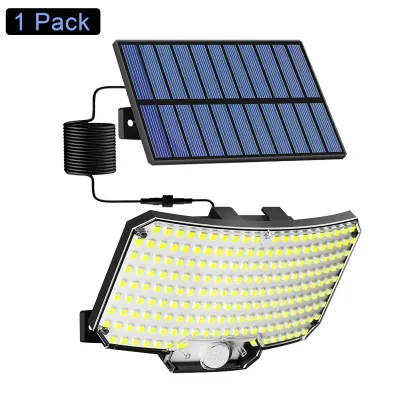
Prices are valid at publication and may change. Please refer to the product page for the latest price.
Key Criteria for Evaluating Outdoor Flood Light Brands
When comparing different manufacturers, the technical specifications listed on the product label provide the most objective measure of reliability. The first and most critical specification to check is the Ingress Protection (IP) rating. This two-digit code indicates how well the fixture’s enclosure protects the internal electrical components from solids and liquids. For outdoor use in Singapore, where heavy downpours are common, you should look for a minimum rating of IP65. An IP65 rating means the light is completely dust-tight and can withstand water jets from any direction. If the light will be installed in a highly exposed area, such as an unsheltered exterior wall or a garden post, opting for an IP66 or IP67 rating provides an extra layer of protection against powerful water jets and temporary submersion.
Beyond water resistance, electrical safety compliance is paramount. In Singapore, electrical accessories and appliances connected to the mains must meet strict safety standards to prevent hazards like short circuits, electrical shocks, and fires. When evaluating brands, verify that the products carry recognized safety marks or compliance certifications relevant to the local market. These marks indicate that the fixture’s internal driver, wiring, and insulation have undergone rigorous testing by independent bodies. Using uncertified fixtures not only risks damaging your home’s electrical system but can also void your property insurance in the event of an electrical fire.
The materials used in the construction of the flood light directly impact its lifespan and aesthetic appeal over time. High-quality brands typically use die-cast aluminum housings with UV-resistant powder coatings. Aluminum is highly resistant to rust and corrosion, making it ideal for humid environments. In contrast, cheap plastic housings tend to become brittle, discolor, and crack after prolonged exposure to intense tropical sunlight. Furthermore, aluminum acts as a highly effective heat sink. LEDs generate a significant amount of heat concentrated at their core; if this heat is not dissipated efficiently, the light output will degrade rapidly, and the internal motion sensor may malfunction. Look for fixtures with prominent cooling fins on the back of the housing, which maximize surface area for heat dissipation.
Finally, evaluate the warranty terms and the availability of local after-sales support. A manufacturer’s confidence in its product is often reflected in the length and coverage of its warranty. Reliable brands generally offer a warranty of at least two to three years for outdoor fixtures. However, a warranty is only useful if you can easily claim it. Check whether the brand has an official distributor, service center, or dedicated customer support team in Singapore. Sourcing from brands with a local presence ensures that if a unit does fail, you can obtain a replacement quickly without dealing with expensive international shipping or unresponsive overseas sellers.
Choosing the Right Sensor Technology for Your Space
The reliability of a motion sensor flood light depends heavily on the type of sensor technology it uses and how well that technology matches your specific outdoor environment. The two most common types of sensors found in outdoor flood lights are Passive Infrared (PIR) and microwave sensors. Understanding how these technologies interact with the surrounding environment is key to preventing frustrating false alarms and ensuring the light activates only when needed.

Passive Infrared (PIR) sensors are the industry standard for residential outdoor lighting. They work by detecting changes in infrared radiation, which corresponds to heat signatures moving across their field of view. When a person, vehicle, or large animal enters the detection zone, the sensor registers the sudden temperature difference relative to the background and switches on the light. PIR sensors are highly effective because they are relatively simple, energy-efficient, and less prone to detecting non-living motion, such as wind-blown leaves. However, their performance can be affected by extreme ambient temperatures. In very hot weather, when the ambient temperature matches human body temperature, the sensor’s sensitivity may decrease slightly.
Microwave sensors, on the other hand, emit high-frequency radio waves and measure the reflection off moving objects. They are incredibly sensitive and can detect even minor movements through light barriers like glass, thin walls, and heavy foliage. While this makes them highly reliable for security in open, unobstructed spaces, it also makes them prone to frequent false triggers in dense residential areas. In a typical Singaporean housing estate, a microwave sensor might be triggered by a neighbor walking on the other side of a thin partition wall or by swaying tree branches in a garden. Therefore, PIR sensors are generally preferred for residential driveways, balconies, and backyards, while microwave sensors are better suited for large, open commercial properties.
To ensure reliable performance, look for brands that offer adjustable sensor settings. The ability to fine-tune the detection angle, sensitivity levels, and time-delay settings is crucial for customizing the light to your specific space. For instance, if your flood light faces a public pathway or a busy road, you will want to reduce the detection range or adjust the sensor angle downward to prevent passing traffic from constantly triggering the light. Similarly, setting an appropriate time-delay—usually between 30 seconds and 5 minutes—ensures the area remains illuminated while you are active but turns off promptly to conserve energy once you leave.
Mounting position and height also play a vital role in sensor accuracy. Most manufacturers recommend installing outdoor flood lights at a height of 2.4 to 3 meters. This height provides a wide, downward-angled detection zone that covers a broad area while keeping the physical fixture out of reach of potential vandals. Avoid mounting the light near heat sources, such as air conditioning condenser units or outdoor kitchen vents, as the rising warm air can confuse PIR sensors and cause continuous cycling. Additionally, ensure the sensor’s line of sight is clear of large plants or hanging decorations that might sway in the wind and trigger false alarms.
Electrical Safety and Installation Boundaries
When planning your outdoor lighting setup, you must choose between three primary power sources: solar-powered, plug-in, and hardwired fixtures. Each option has distinct installation requirements and safety considerations. Solar-powered flood lights are highly convenient because they require no electrical wiring, making them an attractive DIY option. However, their performance depends entirely on the amount of direct sunlight the solar panel receives during the day. In Singapore, prolonged rainy seasons or shaded building orientations can limit battery charging, resulting in dimmer light or shorter operating times at night.
Plug-in flood lights offer a reliable power supply and are relatively easy to install if you already have an outdoor-rated electrical outlet nearby. These fixtures come with a pre-attached power cord and plug, allowing you to mount the light and plug it directly into a socket. However, the outlet itself must be housed in a weatherproof, IP-rated enclosure to prevent moisture from entering the socket during heavy rain. Running extension cords across outdoor areas is highly discouraged, as they can easily become tripping hazards and degrade quickly under UV exposure, leading to dangerous short circuits.
Hardwired flood lights are the most permanent and reliable solution, providing a clean look with no visible cords or plugs. However, because they connect directly to your home’s electrical mains, they carry the highest risk during installation. In Singapore, any modification, extension, or installation of fixed electrical wiring must be carried out by a licensed electrical worker (LEW). Attempting to perform DIY electrical work on high-voltage circuits is not only illegal but also extremely dangerous. Water and electricity are a lethal combination; a minor wiring mistake can lead to severe electrical shocks, short circuits, or localized fires.
A professional installation ensures that your outdoor lighting circuit is properly protected. Outdoor circuits must be connected to a Residual Current Circuit Breaker (RCCB) or a Residual Current Device (RCD) with a high sensitivity rating. This safety device instantly cuts off the power supply if it detects any current leakage, such as water entering the light fixture. Furthermore, all wire connections must be housed inside an IP-rated weatherproof junction box. The cables entering the junction box should be sealed with tight-fitting cable glands or outdoor-grade silicone to prevent moisture from seeping along the wire jacket and into the electrical connections.
Purchasing Channels and Authenticity Verification
To ensure you receive a genuine product that complies with local safety standards and includes a valid warranty, it is essential to source your flood lights from reputable purchasing channels. Avoid buying from unverified third-party sellers on online marketplaces, as these listings often feature counterfeit goods or parallel imports that lack local safety certifications and warranty support. Instead, look for official brand stores, authorized local distributors, or established lighting showrooms. Many reputable brands maintain official storefronts on major ecommerce platforms, which are clearly marked with authenticity badges.
When your order arrives, take the time to verify the authenticity and condition of the product before installation. Inspect the packaging for official holographic stickers, safety marks, and clear manufacturer labeling. Genuine products will always include a comprehensive user manual, mounting hardware, and clear specifications printed on the box. Examine the physical fixture closely; the housing should feel solid, with no loose parts, and the rubber gaskets sealing the lens and sensor module should be securely seated with no visible gaps or tears.
Keep your proof of purchase, such as a physical invoice or a digital receipt, in a safe place. Many manufacturers require you to register your product online within a few weeks of purchase to activate the warranty. Familiarize yourself with the retailer’s return policy so that you can quickly exchange the unit if you notice any manufacturing defects or shipping damage. Sourcing your outdoor lighting through authorized channels not only guarantees a safer, more reliable product but also provides peace of mind knowing that professional customer support is available if you ever encounter issues.
Frequently Asked Questions (FAQ)
Do motion sensor flood lights work reliably during heavy rain?
Yes, high-quality motion sensor flood lights can work reliably during heavy rain, provided they have an adequate IP rating (IP65 or higher) and are properly adjusted. Heavy downpours can occasionally trigger false alarms on PIR sensors because the rapid temperature changes caused by cold rainwater hitting warm surfaces can mimic heat signatures. To minimize false triggers during severe weather, choose a model with adjustable sensitivity so you can lower the sensor’s responsiveness, and ensure the sensor head is angled slightly downward to prevent water droplets from pooling on the lens.
Can I install a hardwired outdoor flood light myself?
No, you should not attempt to install a hardwired outdoor flood light yourself. In Singapore, connecting a light fixture directly to your home’s fixed electrical wiring is a regulated activity that must be performed by a licensed electrical worker (LEW). Outdoor environments present a high risk of moisture ingress, which can lead to dangerous short circuits or electrical shocks if the wiring is not properly sealed and grounded. A professional electrician will ensure the installation complies with local safety codes, uses the correct weatherproof junction boxes, and is safely integrated into a circuit protected by an RCCB.

Community discussion
Share your experience or ask a question. Comments are reviewed before publication.