
Finding reliable wall LED lights for your home in Singapore involves looking beyond aesthetic appeal to evaluate safety, build quality, and long-term performance. Because wall lights are often integrated into a home’s permanent electrical infrastructure, choosing a substandard fixture can lead to frequent replacements, flickering, or even electrical hazards. By focusing on certified brands, robust materials, and proper technical specifications, you can ensure your home’s corridors, bedrooms, and outdoor spaces remain safely and beautifully illuminated for years to come.
In Singapore’s unique residential landscape—characterized by high-density HDB flats, modern condominiums, and landed properties—lighting fixtures must withstand specific environmental challenges. The tropical climate’s high humidity and ambient temperatures can accelerate the wear and tear on electronic components, particularly the LED drivers that power these lights. Therefore, identifying trustworthy brands requires a systematic approach to evaluating product engineering, local compliance, and after-sales support. This guide establishes a practical framework to help you navigate the local market, verify product authenticity, and select wall LED lights that offer genuine reliability and value.
How to Evaluate Wall LED Light Reliability and Quality
To identify reliable wall LED light brands, you must look past marketing buzzwords and focus on objective indicators of quality. The first and most critical step is verifying safety certifications. In Singapore, electrical appliances and accessories connected directly to the mains power supply are regulated under the Consumer Protection (Safety Requirements) Registration Scheme. Reliable brands ensure their LED drivers and complete light fixtures carry the recognized Safety Mark. This certification indicates that the product has undergone rigorous testing to meet local safety standards, significantly reducing the risk of electrical fires, short circuits, or shocks in your home.
Products mentioned in this guide
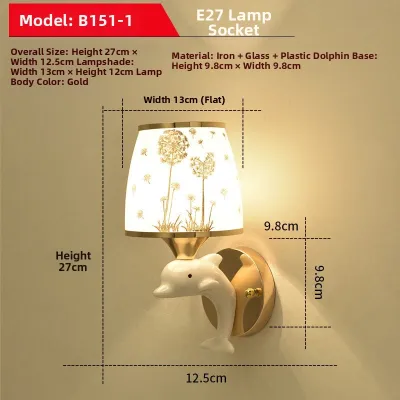
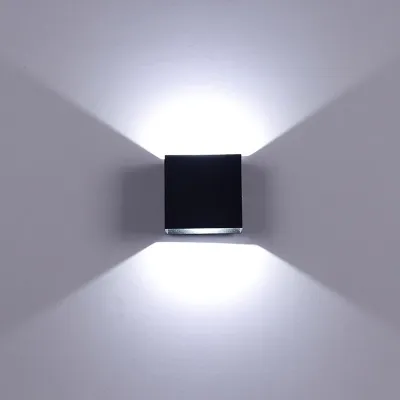
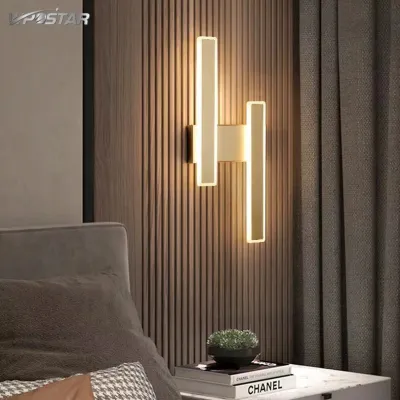
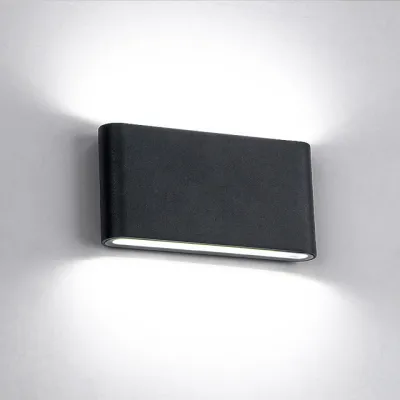
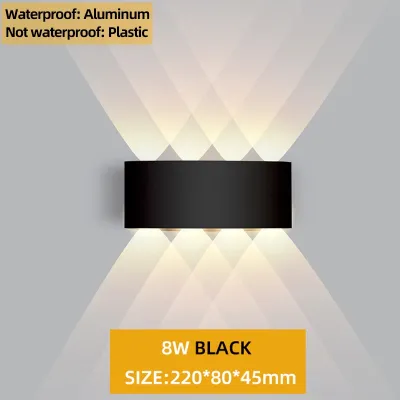
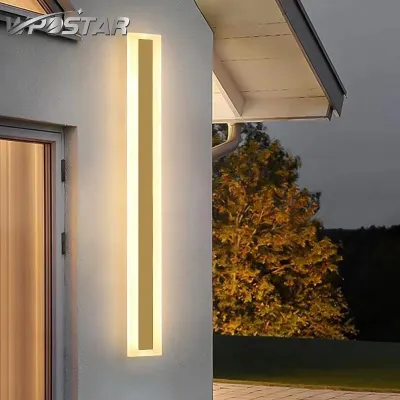
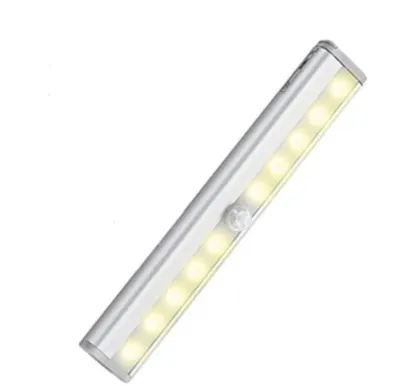
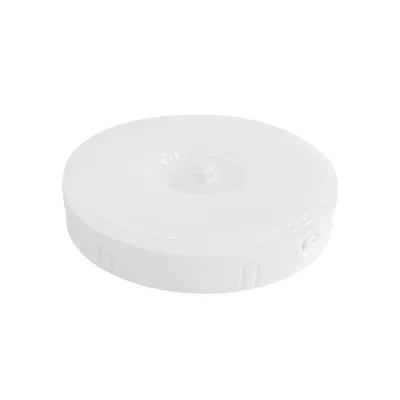
Prices are valid at publication and may change. Please refer to the product page for the latest price.
Another key indicator of reliability is the physical build quality and thermal management of the fixture. LEDs are highly efficient, but they still generate heat at their junctions. If this heat is not dissipated effectively, the LED chips will degrade rapidly, leading to a loss of brightness, color shifting, or premature failure. High-quality brands design their wall lights with robust heat sinks made from cast aluminum or specialized metal alloys that draw heat away from the sensitive electronics. In contrast, lower-grade products often rely on thin plastic housings that trap heat inside, drastically shortening the lifespan of the light. When evaluating a brand, inspect the material specifications and look for substantial metal construction in the chassis.
The warranty terms offered by a manufacturer provide a clear window into their confidence in the product’s longevity. A reliable brand typically offers a comprehensive warranty of at least two to five years. However, it is essential to read the fine print of these warranties. Some brands only cover the metal housing or the LED chips, while excluding the driver—the component most likely to fail. A trustworthy warranty should cover the entire fixture, including the internal driver, and outline a straightforward process for claims and replacements.
Finally, consider the design of the light’s internal components, specifically whether the fixture uses an integrated LED module or a replaceable driver. The LED driver converts the alternating current (AC) from your home’s wall into the direct current (DC) required by the LEDs. Because drivers contain capacitors and other sensitive electronic parts, they often fail long before the LED chips themselves reach the end of their rated lifespan. Brands that design their wall lights with accessible, standard-sized, and replaceable drivers offer a massive advantage in long-term maintenance. Instead of discarding the entire wall fixture when a driver fails, you can simply swap out the faulty component, saving money and reducing electronic waste.
Essential Technical Specifications to Check Before Buying
Before finalizing your purchase, you must ensure that the technical specifications of the wall LED light align perfectly with your home’s electrical system and environmental conditions. The first specification to verify is the voltage requirement. Singapore’s domestic electrical grid operates at a standard voltage of 230V AC with a frequency of 50Hz. While many modern LED drivers are designed with universal voltage inputs (ranging from 100V to 240V), some parallel-imported products may be rated strictly for 110V systems. Connecting a 110V fixture to a 230V supply will instantly destroy the driver and pose a severe safety hazard. Always check the product label to confirm compatibility with Singapore’s electrical standards.

The installation environment dictates the required Ingress Protection (IP) rating of the wall light. The IP rating consists of two digits: the first indicates protection against solid objects, and the second indicates protection against liquids. For dry indoor areas such as living rooms, bedrooms, and internal corridors, a standard IP20 rating is perfectly adequate. However, if you are installing wall lights in damp areas like bathrooms or covered balconies, you should look for a minimum rating of IP44 to protect the internal electronics from moisture and water splashes. For outdoor corridors, open patios, or perimeter walls exposed to Singapore’s intense tropical downpours, a minimum rating of IP65 is essential to ensure the fixture remains completely watertight and safe from electrical leakage.
Color temperature and lumen output are critical for achieving both the desired aesthetic effect and functional utility. Color temperature is measured in Kelvin (K) and determines the warmth or coolness of the light. Warm white (2700K to 3000K) is highly recommended for bedrooms and living areas, as it creates a cozy, relaxing ambiance. Cool white (4000K) provides a neutral, crisp light that is ideal for task-oriented spaces like study rooms, kitchens, and corridors. Daylight (6000K to 6500K) offers high contrast but can feel overly clinical in residential settings; it is best reserved for utility rooms or specific outdoor security lighting. Lumens measure the actual brightness of the light. For a bedside reading wall light, a soft output of 150 to 300 lumens is sufficient, whereas a corridor safety light or an outdoor accent light may require 500 to 800 lumens to illuminate the path effectively.
If you plan to install dimmable wall lights, you must verify the dimming technology supported by both the fixture and your wall switches. LED dimming is more complex than traditional incandescent dimming. Common residential dimming methods include Triac (phase-cut) dimming, 0-10V dimming, and digital protocols like DALI or smart wireless systems. A mismatch between the LED driver and the dimmer switch will result in annoying issues such as flickering, buzzing, or a limited dimming range. Reliable brands clearly specify the compatible dimmer models and technologies on their product datasheets, allowing you to coordinate your electrical components seamlessly.
Verifying Brand Authenticity and After-Sales Support
With the rise of online shopping, the market has been flooded with counterfeit products and unbranded lighting fixtures that bypass local safety regulations. To protect your investment and ensure home safety, it is crucial to verify the authenticity of the brand and the products you purchase. Whenever possible, buy directly from authorized physical showrooms or official brand stores on major e-commerce platforms. Established lighting hubs in Singapore, such as those along Balestier Road, Jalan Besar, and Geylang, allow you to inspect the physical build quality of the fixtures, interact with knowledgeable staff, and confirm that the products carry the necessary local certifications.
When shopping online, learn to spot common red flags that indicate low-quality or counterfeit goods. Unusually low prices that seem too good to be true are often the first sign of compromised safety standards. Other warning signs include missing or poorly printed certification labels, generic packaging without brand markings, and a lack of detailed technical specifications or installation manuals. Reliable brands take pride in their presentation, providing clear, professional documentation, comprehensive specifications, and robust packaging designed to protect the fixture during transit.
Securing valid warranty coverage is another essential aspect of verifying brand reliability. After purchasing your wall LED lights, always retain the original tax invoice or receipt, as this serves as your proof of purchase. Many reputable brands require you to register your product online within a specific timeframe (such as 14 or 30 days from purchase) to activate the warranty. Take the time to complete this step, as it ensures you are registered in the manufacturer’s database should you need to make a claim in the future.
Finally, evaluate the availability of local customer support and service centers. A brand with a physical presence or an authorized distributor in Singapore is infinitely more reliable than a foreign seller with no local footprint. If a driver fails or a component is damaged during installation, a local service center can provide immediate assistance, offer replacement parts, or handle warranty exchanges quickly. Relying on overseas sellers often means dealing with long shipping delays, communication barriers, and high return shipping costs, which can leave your home in the dark for weeks.
Installation Safety and Professional Boundaries
Installing wall LED lights involves working with electricity, which carries inherent risks of shock, fire, and injury. It is vital to understand the distinction between plug-in wall sconces and hardwired fixtures, as this determines the legal and safety requirements for installation. Plug-in models, which mount to the wall and plug into a standard electrical outlet, can generally be installed as a do-it-yourself (DIY) project, provided you are comfortable drilling holes and securing wall anchors. Hardwired fixtures, however, connect directly to your home’s internal electrical wiring. In Singapore, any installation, modification, or extension of fixed electrical wiring must be performed by a Licensed Electrical Worker (LEW) or a qualified electrician to comply with Energy Market Authority (EMA) regulations.
If you are performing basic maintenance or replacing an existing fixture, safety must always be your top priority. Before touching any wires, isolate the power supply by switching off the corresponding circuit breaker at your home’s main distribution board (DB box). Do not rely solely on the wall switch, as it may only cut the live wire while leaving the neutral wire active, or the switch itself could be miswired. Use a reliable, non-contact voltage tester to verify that the wires are completely dead before proceeding with any work.
Wall structural integrity is another critical consideration during installation. Singapore homes feature a variety of wall types, including solid concrete or brick walls in HDB flats and older properties, and drywall or partition walls in newer condominiums. Heavy wall fixtures require appropriate mounting hardware. Standard plastic wall plugs are suitable for concrete, but drywall installations require specialized toggle bolts or hollow-wall anchors to distribute the weight evenly and prevent the fixture from tearing out of the wall.
Knowing when to stop and call a professional is a hallmark of a safe homeowner. If you encounter outdated wiring with unfamiliar color codes, find that there is no earth wire (green and yellow) available for a metal-bodied fixture, or need to route new cables through solid concrete walls, do not attempt to proceed on your own. A licensed electrician has the training, tools, and expertise to handle complex routing, ensure proper grounding, and guarantee that your installation complies fully with local electrical safety codes.
Building Your Shortlist: A Step-by-Step Selection Process
To streamline your purchasing decision, you can follow a structured, step-by-step process to build a shortlist of reliable wall LED light brands and models. Begin by mapping out the specific lighting needs for each zone in your home. A wall light intended for corridor navigation at night requires a soft, non-glaring output and perhaps a motion sensor, whereas a bedside reading light needs a focused beam with an easily accessible switch. By defining the functional requirements of each space first, you can eliminate fixtures that do not meet your practical needs, regardless of how attractive they look.
Next, create a simple comparison matrix to evaluate your options. List the candidate brands and models along one axis, and compare them across key criteria: voltage compatibility, IP rating, lumen output, warranty duration, presence of the Safety Mark, and driver replaceability. This systematic approach allows you to compare products objectively, stripping away marketing hype and focusing purely on technical merit and safety compliance.
As you narrow down your choices, balance your aesthetic preferences with long-term maintenance ease. A highly decorative, intricate wall light may look stunning in a showroom, but it can accumulate dust quickly and prove difficult to clean in a busy household. Consider how easily you can access the internal components to clean the fixture or replace the driver if necessary. Opting for clean, accessible designs often leads to a more satisfying ownership experience.
Finally, base your decision on the total cost of ownership rather than just the initial purchase price. A cheaper, uncertified wall light may save you money upfront, but if it fails within a year, requires professional re-installation, or consumes excessive energy, it will quickly become more expensive than a high-quality, certified alternative. Factor in the cost of the fixture, potential installation fees by a licensed electrician, energy efficiency ratings, and the availability of affordable replacement drivers to make a financially sound and safe choice for your home.
Frequently Asked Questions (FAQ)
Do all wall LED lights require professional installation?
No, not all wall LED lights require professional installation. The requirement depends entirely on how the fixture connects to your home’s electrical system. Plug-in wall lights, which mount to the wall and plug directly into an existing wall socket, can be safely installed by homeowners who are comfortable with basic drilling and mounting. However, hardwired wall lights that connect directly to your home’s internal electrical wiring must be installed by a Licensed Electrical Worker (LEW) or a qualified electrician in Singapore. This ensures compliance with local safety regulations and prevents hazards associated with improper wiring.
How can I tell if an LED wall light is energy efficient?
To determine the energy efficiency of an LED wall light, you should check the lumens-per-watt (lm/W) ratio, which is typically listed on the product’s technical specification sheet. This ratio measures how much light (lumens) the fixture produces for every watt of electricity it consumes. A higher ratio indicates greater efficiency; look for fixtures that offer at least 80 to 100 lm/W. Additionally, look for recognized energy efficiency labels or certifications on the packaging, and avoid unbranded products that do not clearly state their wattage and lumen output, as they often use outdated, inefficient LED chips.

Community discussion
Share your experience or ask a question. Comments are reviewed before publication.