
Selecting the right living room wall light involves balancing aesthetic appeal with technical compatibility, especially within the unique context of Singapore’s residential spaces. Whether you are outfitting a cozy Housing & Development Board (HDB) flat, a modern condominium, or a spacious landed home, wall lights serve as crucial design elements that can elevate your interior architecture. Finding a reliable brand requires looking beyond surface-level designs to evaluate electrical safety, build quality, and local support. By understanding how to assess these factors, you can make an informed investment that enhances your home’s ambiance and stands the test of time.
Defining Your Living Room Lighting Needs
Before browsing through various lighting brands, you must define the primary role your living room wall light will play in your overall lighting scheme. Wall lights generally fall into three functional categories: ambient, accent, or task lighting. Ambient wall lights, such as uplights or fixtures with diffused shades, cast a soft glow across the walls to soften shadows and make the living room feel larger. Accent lights, like directional sconces or picture lights, highlight specific architectural features, artwork, or textures. Task lighting provides focused illumination for reading corners or workspace areas within the living room.
Measuring your available wall space is a critical step that prevents purchasing fixtures that are disproportionate or physically obstructive. Take note of existing furniture placements, such as the position of your sofa, shelving units, or television console. A fixture that protrudes too far from the wall can become a physical hazard in high-traffic walkways, particularly in narrower living room layouts. Ensure there is sufficient clearance around the light to allow for comfortable movement and to prevent accidental bumps.
Products mentioned in this guide
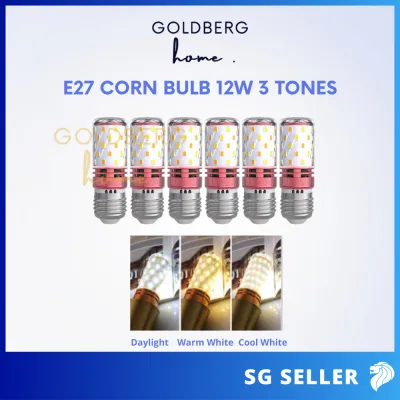
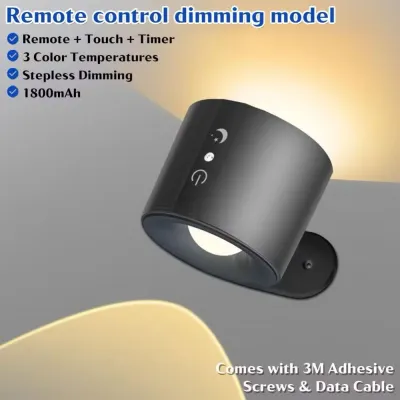
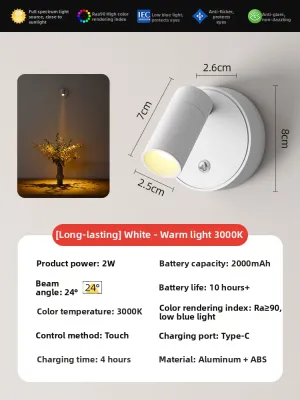
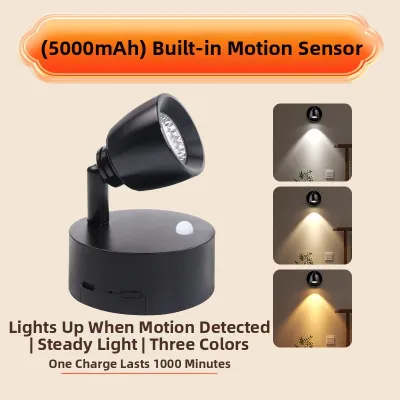
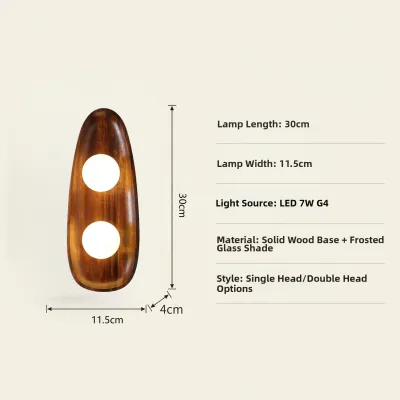
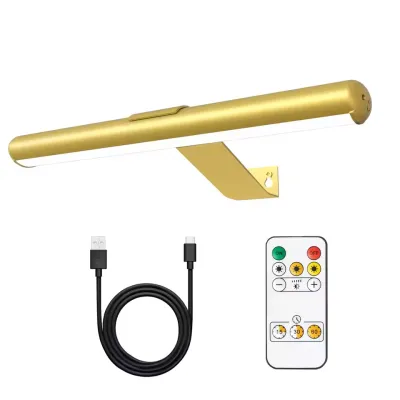
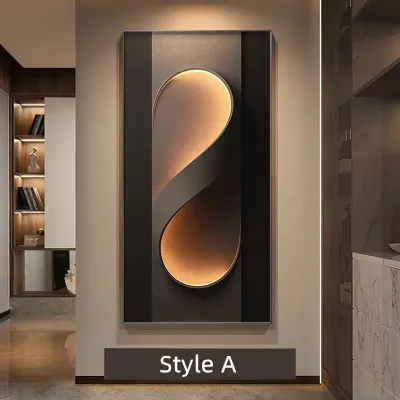
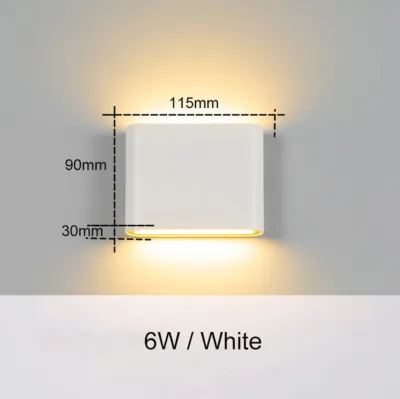
Prices are valid at publication and may change. Please refer to the product page for the latest price.
The desired mood and brightness level of your living area will dictate the technical specifications you should look for in a brand. If your living room is primarily used for relaxation and entertainment in the evening, you may prefer low-intensity, warm lighting. Conversely, if the space serves multiple purposes, including work or study, you will need a brand that offers high-lumen output options or dimmable fixtures. Mapping out these requirements beforehand ensures you select a brand whose product catalog aligns with your functional needs.
Additionally, consider how the wall lights will interact with natural light during the day. Singapore’s tropical climate often means bright, sunlit afternoons followed by rapid transitions to dusk. Wall lights that offer adjustable brightness or smart integration can help you transition smoothly from natural daylight to artificial evening light, maintaining a consistent and comfortable atmosphere throughout the day.
Evaluating Wall Light Brands for Quality and Reliability
When evaluating wall light brands, safety and electrical compliance must be your top priorities. In Singapore, electrical appliances and accessories must meet strict safety standards to prevent electrical hazards and fire risks. While fixed luminaires themselves may not always require a mandatory Safety Mark unless they are supplied with integrated drivers or plug-top adapters, choosing brands that voluntarily test their products to international standards like IEC (International Electrotechnical Commission) or possess recognized certification marks is highly recommended. Always verify that the brand’s products are compatible with Singapore’s standard voltage of 230V at a frequency of 50Hz.

A brand’s commitment to quality is often reflected in its warranty terms and the accessibility of its after-sales support. Look for brands that offer comprehensive warranties covering both the fixture housing and any integrated electronic components, such as LED drivers. A reliable brand should have an established local distributor or service center in Singapore, making it easier to claim warranties, source replacement parts, or seek technical assistance. Avoid brands that offer no clear warranty or require you to ship defective items overseas at your own expense.
The tropical climate of Singapore, characterized by high humidity and ambient warmth, demands durable build materials. Wall lights made from low-grade metals can corrode, rust, or discolor quickly when exposed to moisture, especially if your living room opens directly onto a balcony or semi-outdoor patio. Look for brands that utilize high-quality materials such as solid brass, anodized aluminum, stainless steel, or powder-coated metals. If the fixture is to be installed near open windows or semi-outdoor areas, check the Ingress Protection (IP) rating; an IP20 rating is standard for dry indoor areas, but semi-outdoor zones may require IP44 or higher to resist moisture and dust.
Another critical decision is choosing between integrated LED designs and fixtures with replaceable bulbs. Integrated LED wall lights allow for incredibly slim, minimalist profiles and high energy efficiency, but they require replacing the entire driver or fixture if the light source eventually fails. Brands that design fixtures with standard bulb bases, such as E27 or GU10, offer greater long-term maintenance flexibility, as you can easily swap out the bulbs yourself. Evaluate whether the brand provides clear instructions on driver replacement for their integrated models, or if they offer compatible replacement parts.
Furthermore, pay close attention to the dimming methods supported by the brand. If you plan to connect your wall lights to a dimmer switch, you must verify whether the fixture supports Triac, 0-10V, DALI, or smart wireless dimming protocols. Incompatible dimming systems can lead to annoying flickering, buzzing noises, or premature driver failure. Reliable brands will clearly state dimming compatibility and recommend specific dimmer switches that work seamlessly with their products.
Matching Design Aesthetics to Local Living Spaces
The architectural characteristics of Singapore homes should guide your aesthetic choices when selecting a wall light brand. Standard HDB flats and many modern condominiums typically feature ceiling heights ranging from 2.6 to 2.8 meters, which can make a room feel cramped if lighting is poorly planned. For these spaces, compact, low-profile wall lights or vertical sconces that direct light upward can create the illusion of height. Landed properties or double-volume loft apartments offer more freedom, allowing you to choose larger, more dramatic fixtures that serve as visual statement pieces.
Matching the brand’s design language with your existing interior decor is essential for a cohesive look. If your home follows a minimalist or Scandinavian aesthetic, look for brands that specialize in clean lines, matte finishes, and organic shapes. For industrial or loft-style living rooms, brands featuring raw metal finishes, exposed hardware, and Edison-style bulb configurations are ideal. Classic or transitional interiors benefit from brands that offer elegant fabric shades, brass accents, and symmetrical designs that add a touch of sophistication.
Consider the visual weight of the fixture to maintain balance within the room. A bulky, heavy-looking wall light can overwhelm a small living room, making the wall feel cluttered. Conversely, a tiny fixture might get lost on a large, expansive feature wall. A good rule of thumb is to choose a brand that offers various sizes within the same design family, allowing you to scale the fixture size to match the specific wall dimensions and surrounding furniture.
Color temperature plays a pivotal role in establishing the atmosphere of your living room. Most reputable brands offer fixtures in multiple color temperatures or support compatible bulbs across different spectrums. For a cozy, inviting living room, warm white light (typically 2700K to 3000K) is highly recommended as it complements natural wood textures and warm color schemes. If you prefer a modern, crisp look, a neutral white (around 4000K) can work well, but avoid cool daylight (6000K and above) for living room wall lights, as it can feel overly clinical and harsh in a relaxing space.
Navigating Installation and Electrical Safety
Installing a living room wall light requires careful preparation of your home’s electrical infrastructure. Before purchasing any fixture, you must verify the existing wiring in your living room. If you are replacing an old wall light, ensure the existing electrical point is positioned correctly and that the wiring is in good condition. If you are adding new wall lights where none existed before, you will need to plan how the wiring will reach the new locations, which may involve hacking the walls to conceal the conduits or using external trunking.
The structural composition of your living room walls determines the mounting method and the weight capacity for your fixtures. Many Singapore homes feature solid concrete or brick walls, which require heavy-duty masonry drilling and wall plugs to secure the mounting brackets. Other homes may have drywall or partition walls, which require specialized toggle bolts or anchoring into the metal studs to support the weight of the light. Always check the weight specifications of the wall light and ensure your wall type can safely support it without risk of sagging or falling.
Electrical safety must never be compromised during the installation process. Before any installation, testing, or maintenance work begins, the main power supply at the distribution board (DB box) must be completely isolated. While simple bulb replacements can be done safely by homeowners, any fixed wiring, structural drilling, or complex electrical connections should be handled by a qualified professional. In Singapore, it is highly recommended to engage a licensed electrical worker (LEW) or a certified electrician to ensure all wiring complies with local electrical standards and safety regulations.
When installing fixtures, always adhere strictly to the manufacturer’s installation instructions. Pay attention to the specified wattage limits of the fixture; installing a bulb that exceeds the recommended wattage can generate excessive heat, damaging the fixture housing, degrading the internal wiring, and posing a serious fire hazard. Proper grounding (earthing) is also essential for all metal fixtures to prevent electrical shocks in the event of an internal wiring fault.
Sourcing and Verifying Authentic Brands
To ensure you are purchasing genuine, high-quality wall lights, it is crucial to source them from authorized channels. Visiting physical showrooms and official brand stores in Singapore allows you to examine the build quality, material finishes, and actual light output in person. Reputable lighting hubs, such as those located along Balestier Road or Jalan Besar, house established dealers who can provide expert advice and demonstrate the fixtures’ dimming capabilities. Buying from authorized dealers also guarantees that you receive authentic products backed by official manufacturer warranties.
When shopping online, extra vigilance is required to avoid counterfeit or substandard lighting fixtures. Verify the seller’s credentials on e-commerce platforms and look for official brand flags or authorized distributor badges. Read through verified customer reviews, paying close attention to feedback regarding the product’s packaging, build quality, and whether the item arrived in good condition. Be skeptical of deals that seem too good to be true, as cheap imitations often compromise on internal wiring, driver quality, and safety standards.
Always check the return policies and post-purchase support options before finalizing your purchase on any online marketplace. A reliable seller should offer a clear return window for defective or damaged items and provide responsive customer service to address any installation queries. Confirm whether the online purchase includes local warranty coverage or if you will have to rely on international seller support, which can be difficult to navigate if issues arise later.
Be aware of the risks associated with parallel imports. While parallel imported fixtures may sometimes appear cheaper, they may not be configured for Singapore’s 230V electrical system or may lack the necessary safety certifications. Purchasing from local authorized distributors ensures that the products have been properly vetted for the local market and that you have immediate recourse if a component fails.
Frequently Asked Questions (FAQ)
Do wall lights need to match the ceiling lights?
Wall lights do not strictly need to match your ceiling lights, but they should share a cohesive design language to maintain visual harmony. You can achieve this by matching the metal finishes, such as using matte black or brushed brass across both types of fixtures, even if their shapes differ. Alternatively, you can mix styles if they are tied together by a common design element, such as using similar glass shades or aligning with a singular interior theme like modern minimalist or industrial.
What is the ideal height to install living room wall lights?
The ideal installation height for living room wall lights is generally around 1.5 to 1.8 meters above the finished floor level, which positions the fixture roughly at eye level. This height helps prevent direct glare from the bulb whether you are standing or seated in the living area. However, you should adjust this height based on your specific ceiling clearance, the height of nearby furniture, and the light distribution pattern of the fixture to ensure optimal illumination and visual comfort.

Community discussion
Share your experience or ask a question. Comments are reviewed before publication.