
When trying to make a small room feel more spacious, finding the right rotating mirror is less about memorizing a static list of popular brand names and more about understanding how to evaluate physical construction. In compact living environments, such as modern apartments or cozy studios, every square meter counts. A poorly constructed mirror can distort light or take up too much physical footprint, defeating its spatial purpose. By focusing on glass clarity, frame proportions, and the engineering of the rotation mechanics, you can identify high-quality brands and products that truly open up your living space.
Evaluating a mirror’s components allows you to make an informed decision regardless of which brand label is on the box. Many generic lists recommend brands based on popularity rather than structural suitability for small spaces. To achieve the illusion of a larger room, you need a mirror that maximizes light reflection, minimizes visual clutter, and operates smoothly within a tight radius. Understanding these core criteria ensures you invest in a piece that serves both a functional and aesthetic purpose in your home.
Key Design Features That Create the Illusion of Space
The primary way a mirror makes a room feel larger is by reflecting light and duplicating the visual field. However, not all glass is created equal. Standard mirror glass often contains a high level of iron, which gives the reflection a subtle green tint. This tint can absorb light and make the reflected space look slightly darker and more enclosed than it actually is. When evaluating mirror brands, look for those that specify the use of low-iron glass, often marketed as ultra-clear or high-definition glass. This material offers enhanced light transmission and color fidelity, ensuring that the reflected space looks bright, natural, and deep.
Products mentioned in this guide

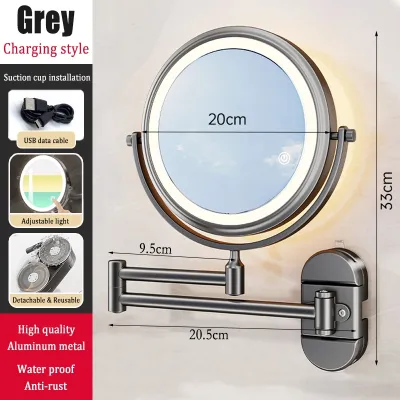
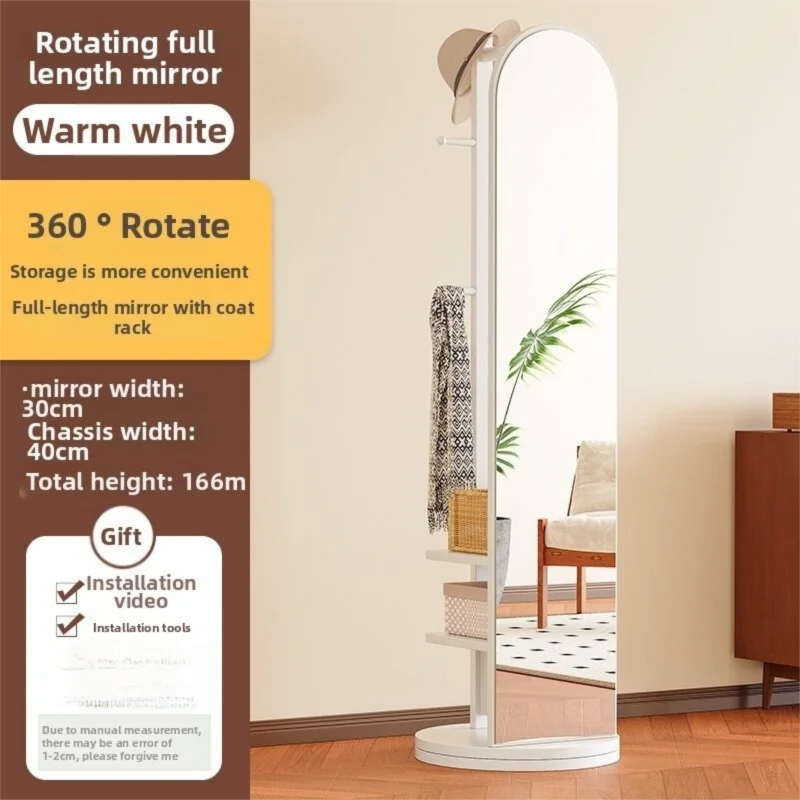
![[SG Stock]Full Body Mirror Mobile Standing Dressing Mirror Rotating Full-Length Mirror](https://img.lazcdn.com/g/p/4961eec0c231e8bc0d551dd762d909b0.jpg_400x400q80.jpg_.webp)
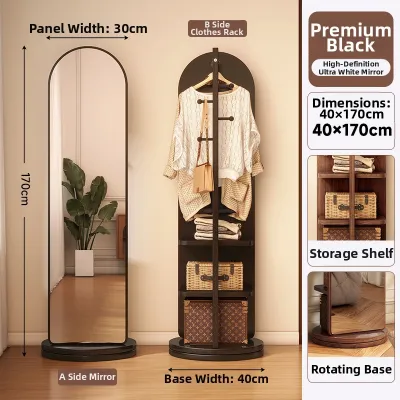
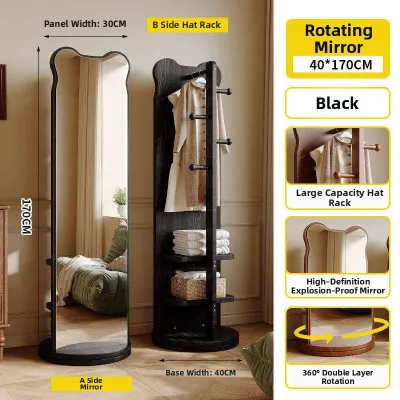
![[OKLIFE®]Full-length Mirror Minimalist Floor Mirror Dressing Mirror Wall-mounted Clothes Rack Home Dressing Mirror Coat Rack Rotating Mirror](https://img.lazcdn.com/g/p/2d74cc431c40cc76c5e7343c1d944800.jpg_webp_400x400q80.jpg_.webp)
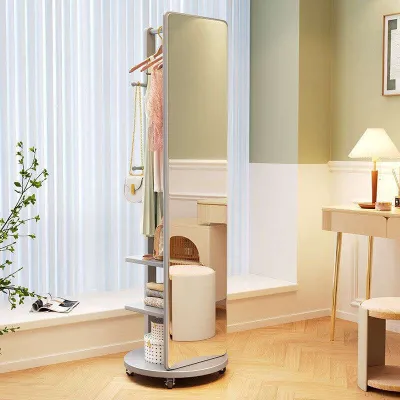
Prices are valid at publication and may change. Please refer to the product page for the latest price.
Frame thickness and profile also play a critical role in spatial perception. Bulky, ornate frames draw the eye directly to the boundaries of the mirror, emphasizing its physical limits and making the wall feel more crowded. For small rooms, minimalist frames—such as thin metal profiles, slim wooden borders, or even frameless designs—allow the reflection to blend seamlessly with the surrounding environment. This lack of visual interruption tricks the brain into perceiving the reflection as a continuous extension of the room rather than a flat object hung on a wall.
The rotating mechanism itself is a dynamic tool for small-space design. Unlike static wall mirrors that only reflect a single, fixed view, a rotating mirror introduces movement to the room. By pivoting the glass, you can actively capture light from different sources throughout the day, such as a nearby window in the morning or a floor lamp in the evening. This ability to redirect light paths helps illuminate dark corners, which instantly makes a compact room feel larger and more inviting. Furthermore, the movement allows you to shift the reflected perspective, preventing the room from feeling static and stagnant.
How to Evaluate Rotating Mirror Brands for Small Rooms
To find a reliable brand, you must look closely at their manufacturing standards and material specifications. High-quality brands typically use silver-backed mirrors with multiple protective layers to prevent oxidation. Oxidation causes unsightly black spots around the edges of the glass over time, a problem that is particularly common in humid climates. Ensure the brand uses copper-free silver mirrors, which are more resistant to moisture and environmental wear. Edge polishing is another indicator of quality; smooth, beveled, or rounded edges prevent chipping and ensure safety during rotation.

The stability and footprint of the rotating base or stand are crucial when floor space is limited. A freestanding rotating mirror must have a stable base, but a massive, bulky stand defeats the purpose of saving space. Evaluate brands based on their base engineering. Look for heavy, low-profile bases made of solid steel, weighted cast iron, or dense hardwood. These designs provide a low center of gravity, preventing tipping while occupying minimal floor area. Some innovative brands offer dual-purpose bases that incorporate small storage shelves, shoe racks, or coat hooks on the reverse side, maximizing utility without increasing the physical footprint.
Brand transparency is a key indicator of reliability. Reputable manufacturers do not hide behind vague marketing terms; they clearly state the materials used in both the frame and the rotating hardware. They should specify the maximum weight limits for any integrated hooks or shelves and provide clear assembly instructions. When shopping on online marketplaces or specialty decor sites, look for brands that offer downloadable PDF manuals and detailed technical drawings showing exact dimensions, including the clearance radius required for the mirror to rotate fully. This transparency allows you to plan your layout precisely before making a purchase.
Sizing and Placement Strategies for Compact Areas
Choosing the right size is a balancing act between maximizing reflection and maintaining physical clearance. A mirror that is too small will look lost and fail to bounce enough light, while an oversized mirror can overwhelm a tight space and make it feel cramped. As a general guideline, a floor-standing rotating mirror should occupy no more than ten to fifteen percent of the visible wall width it stands against. If you are placing it near furniture, ensure there is at least thirty centimeters of clearance on either side to allow for comfortable rotation without hitting obstacles.
To maximize the illusion of space, position the rotating mirror where it can reflect an outdoor view or a key architectural feature. Placing the mirror opposite or adjacent to a window allows it to capture natural light and bounce it deep into the room. Avoid positioning the mirror so that it directly reflects cluttered areas, such as an open wardrobe, a busy workspace, or a trash bin, as this will visually double the clutter and make the room feel more chaotic. Instead, aim the reflection toward clean lines, open pathways, or a piece of minimalist art.
The beauty of a rotating mirror lies in its adaptability throughout the day. During the morning, you can angle the mirror toward the primary window to maximize natural brightness. In the evening, you can pivot it toward a warm artificial light source, such as a soft table lamp or a floor lamp, to create a cozy, layered lighting effect. This dynamic control over depth perception allows you to alter the mood and perceived size of the room as the natural light changes, making the space feel active and responsive to your needs.
What to Check Before Buying a Rotating Mirror
The rotating joint or swivel mechanism is the most critical point of mechanical wear on these mirrors. Before purchasing, verify the materials used in the joint. Brass, stainless steel, or heavy-duty aluminum sleeves are preferred over plastic components, which can wear down, squeak, or crack under the weight of the glass. If you are considering a wall-mounted rotating mirror, ensure your wall type can support the weight, and always use appropriate anchors. For models with integrated lighting or fixed wiring, ensure you follow power-isolation protocols during installation, and consult a qualified professional if you are unsure about electrical safety.
Glass is inherently fragile, and shipping a large mirror carries risk. Check the retailer’s return policy specifically regarding transit damage. Reputable brands and platforms should offer robust shipping protections, including custom foam packaging and wooden crates for larger models. Verify if the warranty covers the rotating mechanism itself, as a mirror that no longer swivels loses its primary functional advantage. Budgeting for a high-quality, durable rotating mirror that balances safety, smooth mechanics, and clear glass is a worthwhile investment.
A rotating mirror requires a stable foundation to operate safely. If you have hardwood or laminate flooring, check if the base includes felt pads or rubber feet to prevent scratching during use. For carpeted floors, ensure the base is heavy enough to remain stable without wobbling when the mirror is turned. If the mirror is placed in a high-traffic compact area, non-slip pads are essential to keep the unit from shifting out of position. Taking these small precautions ensures your mirror remains a safe, functional, and beautiful addition to your home for years to come.
Frequently Asked Questions (FAQ)
Can a rotating mirror make a windowless room feel larger?
Yes, a rotating mirror can significantly improve the feel of a windowless room, such as a small bathroom, hallway, or basement study. While it cannot reflect natural sunlight, it can be positioned to capture and redirect artificial light from wall sconces, ceiling fixtures, or floor lamps. By angling the mirror to bounce light into dark corners, you eliminate shadows that make a room feel enclosed. To optimize this effect, pair the mirror with warm, diffused light sources rather than harsh, direct overhead bulbs, and rotate the mirror to find the angle that distributes the light most evenly.
Are freestanding rotating mirrors safe in homes with pets or children?
Freestanding rotating mirrors can pose a safety risk if they lack proper stability. When shopping for a home with active pets or children, prioritize models with a heavily weighted base and a low center of gravity to prevent accidental tipping. Check the manufacturer’s specifications for tilt limits and stability ratings. For maximum safety, consider wall-mounted rotating mirrors that can be securely anchored to wall studs, or look for freestanding models that include optional wall-tethering hardware to secure the frame while still allowing the mirror to rotate safely.

Community discussion
Share your experience or ask a question. Comments are reviewed before publication.