
Creating a cozy sanctuary in your home often means balancing the tropical heat outside with the cool, air-conditioned comfort of your living space. While many turn to fresh or citrusy scents to combat humidity, there is a growing appreciation for deep, comforting aromas that evoke warmth and nostalgia. Scented candles featuring warm buttery notes—often reminiscent of traditional butter lamps or rich, slow-cooked gourmand ingredients—offer a unique way to ground your space. These fragrances do not merely mimic a bakery; instead, they wrap your home in a soft, golden ambiance that feels both luxurious and deeply soothing. Finding the ideal butter lamp candle or buttery fragrance profile requires looking beyond basic marketing claims to understand the science of scent notes, wax performance, and safe burning practices.
Understanding Warm Buttery Notes and Butter Lamp Profiles
To appreciate these comforting fragrances, it helps to understand how perfumers construct buttery notes. In the world of scent formulation, buttery characteristics are rarely derived from actual dairy. Instead, they are built using lactonic compounds, which are organic molecules that mimic the creamy, smooth, and slightly sweet qualities of milk and butter. These lactonic nuances are often paired with rich gourmand elements and warm fatty accords to create a scent that feels thick, velvety, and physically comforting. When these notes are blended correctly, they evoke a sense of weight and warmth that immediately alters the perception of a room’s temperature and atmosphere.
The concept of a “butter lamp” adds another layer of depth to this fragrance profile. Historically and culturally, butter lamps—traditionally fueled by clarified yak butter or ghee—have been used in spiritual practices across various regions to symbolize clarity, focus, and warmth. In modern home fragrance, a “butter lamp candle” refers to a scent profile that captures this traditional essence: a rich, slightly oily, and deeply comforting aroma that burns steadily, offering a meditative and grounding presence. Unlike standard sweet candles, this profile leans into the savory, rich, and resinous qualities of melted butter rather than pure sugar.
Products mentioned in this guide
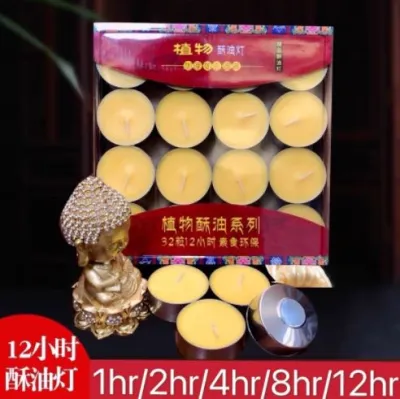
![[OKLIFE. SG]Natural Plant Ghee Candles Long Burning Prayer Butter Lamps Eco-Friendly Ghee Butter Candles](https://img.lazcdn.com/g/p/e512420eed20123acc7470954468a966.jpg_400x400q80.jpg_.webp)
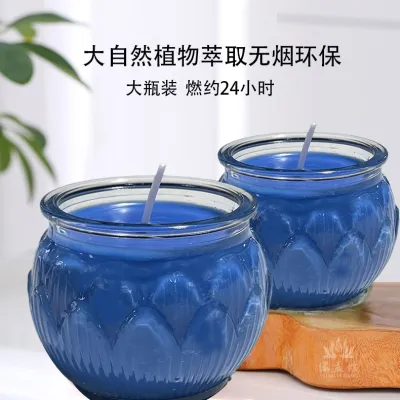
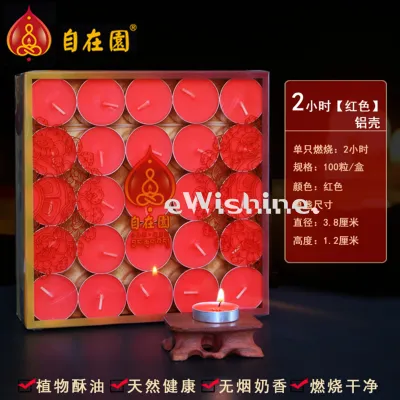

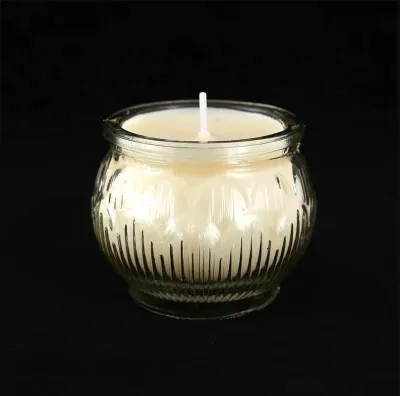
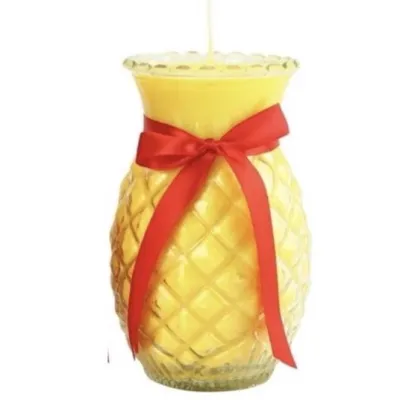
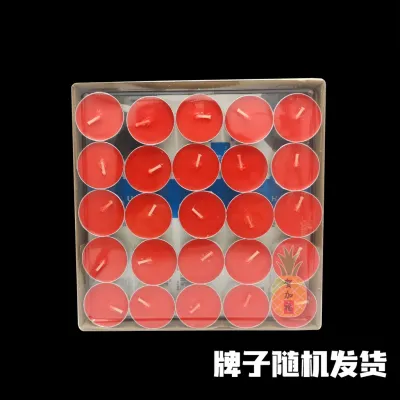
Prices are valid at publication and may change. Please refer to the product page for the latest price.
This distinction is crucial when selecting a candle for home ambiance. Many mass-market candles rely heavily on synthetic vanilla and ethyl maltol to create a sugary, cake-like aroma. While pleasant to some, these overly sweet bakery scents can quickly become cloying and overwhelming in enclosed, air-conditioned spaces. In contrast, a sophisticated buttery ambient fragrance focuses on the deep, warm, and slightly savory aspects of the note. By prioritizing depth over sweetness, these candles provide a subtle, continuous background warmth that enhances relaxation without dominating the room with a heavy, dessert-like cloud.
Identifying Fragrance Families That Deliver Buttery Warmth
When browsing candle collections, identifying the right fragrance families and supporting notes is key to finding that perfect buttery warmth. The foundation of any buttery candle typically lies within the gourmand family. Look for specific notes such as brown butter (often listed as beurre noisette), toasted caramel, vanilla bean, and tonka bean. Tonka bean is particularly valuable in these blends, as it naturally contains coumarin, which provides a warm, hay-like sweetness with distinct almond and buttery undertones. These ingredients work together to establish a rich, inviting base that mimics the comforting aroma of gently heated fats and sugars.

To elevate the fragrance from a simple kitchen scent to a sophisticated home accessory, look for candles that incorporate amber and resinous bases. Amber, benzoin, and labdanum add a resinous depth and a distinct “lamp-like” warmth to the overall profile. These base notes act as fixatives, slowing down the evaporation of the lighter top notes and ensuring the buttery aroma lingers in the air long after the flame is extinguished. The combination of rich lactones with warm resins creates a golden, glowing olfactory effect that perfectly complements soft, warm lighting in a living room or bedroom.
Finally, the most successful buttery fragrances are balanced by woody and spicy accents. Without these elements, the richness of the butter notes can feel flat or heavy. Sandalwood is an excellent partner, offering a creamy, milky woodiness that seamlessly blends with lactonic notes while adding a sophisticated, grounding structure. Spices like cardamom, nutmeg, or a touch of cinnamon provide a sharp, aromatic contrast that cuts through the density of the butter. This contrast keeps the fragrance dynamic and airy, allowing it to circulate beautifully throughout your home without causing sensory fatigue.
Evaluating Wax Blends and Burn Performance
The physical composition of a candle is just as important as its fragrance profile, as the wax and wick directly determine how effectively the scent is dispersed. When evaluating wax blends, you will commonly encounter soy, coconut, paraffin, and beeswax. Soy wax is highly favored for its clean, slow burn and excellent ability to hold fragrance, making it a reliable choice for delicate gourmand notes. Coconut wax, often blended with soy, has an even lower melting point, which allows for a rapid and robust scent throw—ideal for quickly filling a room with warm, buttery aromas. Paraffin wax offers a strong scent throw but may produce more soot if not formulated correctly, while beeswax provides a natural, honey-like sweetness that can beautifully complement buttery notes, though it is typically more expensive.
The choice of wick material also plays a significant role in the overall sensory experience. Traditional cotton wicks offer a steady, predictable flame and are easy to maintain. Wood wicks, on the other hand, produce a gentle crackling sound as they burn, mimicking the cozy ambiance of a miniature fireplace. This crackle adds a tactile and auditory dimension that pairs exceptionally well with the warm, comforting nature of a butter lamp candle. However, wood wicks require careful maintenance and may be more sensitive to drafts, so consider your room’s airflow before choosing.
To ensure you are getting a high-quality product, learn to read labels for fragrance load indicators and curing information rather than relying on generic marketing buzzwords like “all-natural” or “premium luxury.” High-quality candles typically have a fragrance load of between 8% and 12%. Anything lower may result in a weak scent throw, while a load higher than 12% can compromise the structural integrity of the wax, leading to oily residue on the surface or an uneven burn. Additionally, well-crafted soy and coconut candles are cured for several weeks before sale to allow the fragrance oils to bind completely with the wax molecules, ensuring a consistent scent from the first burn to the last.
Optimizing Ambiance and Burn Safety in Your Space
Once you have selected your ideal buttery candle, proper burning techniques are essential to maximize its performance and ensure safety, especially in typical Singaporean living spaces. The first burn is the most critical step in a candle’s lifespan. You must allow the candle to burn long enough for the melted wax to reach the very edges of the container, creating a full melt pool. For a standard jar, this usually takes between two to four hours. Failing to achieve a full melt pool on the first burn causes “tunneling,” where the wick burns straight down the center, leaving a ring of wasted wax along the sides and severely limiting future fragrance release.
Placement is another crucial factor, particularly in homes that rely on air conditioning, ceiling fans, or open windows to manage the tropical climate. Strong drafts disrupt the stability of the flame, causing it to flicker excessively, produce black soot, and burn through the wax unevenly. Drafts also scatter the rising fragrance molecules before they can properly disperse through the room. To optimize the scent throw, place your candle in a draft-free zone, away from direct air currents. If you are burning a candle in an air-conditioned room, consider placing it on a lower surface where the cool, sinking air can help circulate the rising warm scent.
Of course, fire safety should always be your top priority. Always trim the wick to about 5 millimeters before every single burn; this simple step prevents the flame from growing too large and producing excess smoke. Place your candle on a stable, heat-resistant surface—such as a ceramic coaster or a stone tray—to protect your furniture from heat damage. Never leave a burning candle unattended, and keep it well away from flammable decor, curtains, or drafty open windows. Finally, extinguish the candle once the wax pool reaches a depth of about 1 centimeter from the bottom of the jar to prevent the container from overheating and potentially cracking.
Building Your Shortlist and Shopping Strategy
Navigating the vast market of home fragrances requires a structured shopping strategy to ensure you invest in a candle that truly meets your expectations. Start by learning to read fragrance pyramids on brand websites or online marketplaces. A fragrance pyramid breaks down the scent into top, middle, and base notes. For a warm, buttery profile, you want to see lactonic or light spicy notes at the top, rich gourmand or buttery accords in the middle (the heart of the fragrance), and deep resins, woods, or vanilla at the base. If a candle’s description only lists sweet top notes without a solid, grounding base, it is likely to smell superficial and fleeting.
Before committing to a large, expensive jar, take advantage of sampling strategies. Many boutique candle makers offer discovery sets, wax melts, or mini travel sizes. Purchasing these smaller options allows you to test how the fragrance interacts with your specific home environment and personal scent preferences without a significant financial commitment. A scent that smells wonderful in a cold, air-conditioned boutique might behave differently in a humid, open-plan living area, so testing a small sample first is always a wise decision. When planning your budget, expect to invest around S$30 to S$70 for a high-quality, clean-burning candle that offers a reliable scent throw.
When shopping online, verify the authenticity of the seller and look closely at customer reviews. Pay attention to feedback regarding the “throw”—how far the scent travels—and the accuracy of the fragrance description. Look for reviews that mention whether the buttery notes smell authentic and warm or synthetic and overly sweet. Additionally, review the retailer’s return or exchange policies, especially regarding items damaged during transit, as the tropical heat during shipping can sometimes cause wax sweating or minor melting if not packaged securely.
Frequently Asked Questions (FAQ)
Why does my scented candle lose its buttery scent over time?
If you notice that your candle seems to have lost its rich, buttery aroma after a few hours of burning, you may be experiencing olfactory fatigue, commonly known as nose blindness. This is a natural physiological response where your brain temporarily filters out a continuous scent to remain sensitive to new environmental smells. To reset your sense of smell, try stepping out of the room or going outdoors for a few minutes, or smell something neutral like clean skin or coffee beans before returning.
To prevent the actual fragrance oils in the wax from degrading over time, proper storage is essential. Always store your candles in a cool, dark, and dry place, away from direct sunlight and extreme temperature fluctuations. Exposure to UV light and heat can cause the fragrance oils to break down or evaporate from the surface of the wax, dulling the scent. Keeping the lid on your candle jar when it is not in use also helps lock in the volatile fragrance notes, ensuring each burn is as aromatic as the first.
Can I mix a buttery candle with other home fragrances?
Yes, you can successfully layer a buttery candle with other home fragrances to create a customized and complex sensory experience. The key is to pair the heavy, warm gourmand notes of the buttery candle with lighter, contrasting scents that offer a refreshing counterpoint. For example, pairing a rich butter lamp candle with a subtle citrus, crisp eucalyptus, or fresh linen room spray can lift the overall atmosphere, preventing the room from feeling too dense or heavy.
When layering fragrances, it is best to space out your scent sources rather than clustering them in one spot. You might burn your buttery candle in the center of the living room while using a lighter reed diffuser near the entryway. Additionally, manage your burn times carefully; you do not need to run multiple strong fragrances simultaneously. Let the buttery candle establish a warm, comforting base, and then introduce a lighter mist or diffuser to add a breath of fresh air, maintaining a perfectly balanced and inviting home ambiance.

Community discussion
Share your experience or ask a question. Comments are reviewed before publication.