
Scented tea light candles offer a compact and versatile way to introduce warmth, light, and fragrance into your living space. To find the best options in Singapore, you must align your choice with your preferred fragrance notes—whether you favor refreshing citrus, calming florals, or grounding woody tones—while considering how these small candles perform in local environments. Because tea lights contain a limited volume of wax, factors like wax composition, wick quality, and room ventilation play a critical role in how effectively they disperse their aroma.
By understanding how fragrance oils behave in smaller formats and how to manage scent throw in different settings, such as air-conditioned rooms, you can curate a sensory experience tailored to your home. This guide will walk you through the essential steps to evaluate fragrance families, compare wax and wick materials, adjust usage for various room sizes, and verify product quality before making a purchase.
Identifying Your Preferred Fragrance Families
Selecting the right fragrance begins with understanding the primary scent families and how they translate into a small candle format. Fragrance notes are generally categorized into floral, woody, citrus, and earthy profiles, each bringing a distinct mood to a room. Floral notes like lavender, jasmine, and rose are highly popular for creating a serene, spa-like atmosphere. Woody notes, including sandalwood, cedarwood, and patchouli, offer a grounding, warm presence that adds depth to study rooms or cozy corners. Citrus notes such as bergamot, lemongrass, and sweet orange provide an immediate, uplifting burst of freshness, making them excellent for kitchens or entryways. Earthy and herbal notes like eucalyptus, sage, and amber bring a clean, natural balance that helps clear the mind.
Products mentioned in this guide
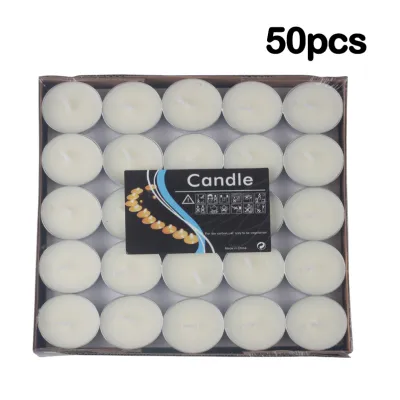
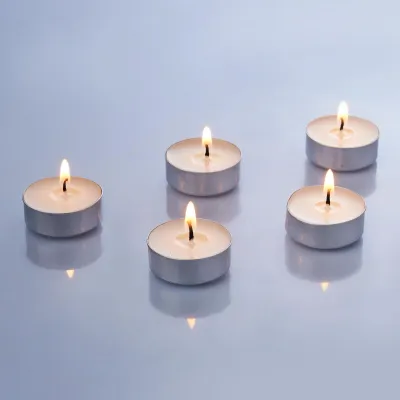
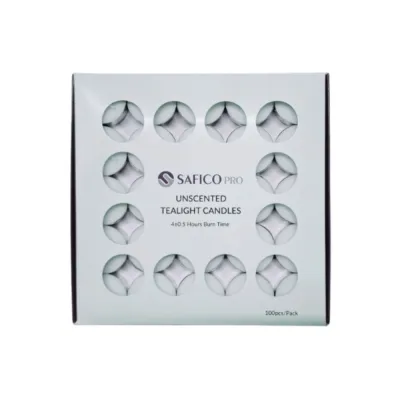
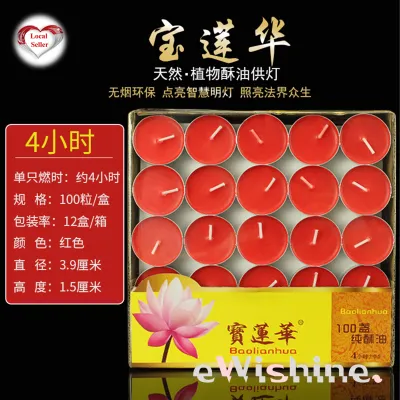
![[SG Stock] Premium Tealight Candle Buddha praying candle 100 pieces 4 hours](https://img.lazcdn.com/g/p/6b9bd993d86fafc4201d726c2f044079.jpg_400x400q80.jpg_.webp)
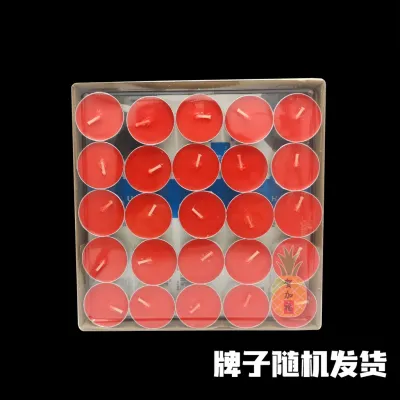
Prices are valid at publication and may change. Please refer to the product page for the latest price.
When dealing with tea light candles, it is important to recognize how fragrance oils interact with small wax volumes. A standard tea light typically holds between 10 to 15 grams of wax, which is significantly less than a large jar or pillar candle. Consequently, the “scent throw”—the distance and strength of the fragrance—is much more localized. While a large candle can fill an entire open-concept living room, a single tea light is designed to create a subtle “scent bubble” around its immediate vicinity. This makes the quality and concentration of the fragrance oils highly critical; low-quality oils in small wax volumes will quickly fade or fail to disperse altogether.
Another key consideration is managing personal scent triggers and avoiding olfactory fatigue. Olfactory fatigue occurs when your nose becomes desensitized to a continuous aroma, making it seem as though the candle has lost its scent. To prevent this, avoid burning the exact same fragrance day after day. Instead, rotate between different scent families depending on the time of day or your activities. For instance, you might choose an energizing citrus blend for the morning and transition to a soothing lavender or sandalwood note in the evening. This rotation keeps your senses sharp and allows you to fully appreciate the subtle nuances of each fragrance.
Comparing Wax Blends and Wick Materials
The performance of a scented tea light depends heavily on the type of wax used, as different materials melt at varying temperatures and release fragrance differently. Soy wax is a highly popular choice for scented candles because it is renewable, biodegradable, and burns at a lower temperature. This lower melting point allows the wax pool to liquefy quickly, which is essential for releasing the fragrance oils trapped within the small volume of a tea light. Coconut wax is another premium option, known for its incredibly smooth texture and outstanding scent throw, though it is often blended with soy or beeswax to increase its firmness and melting point.

Paraffin wax, a petroleum byproduct, is widely used in budget-friendly tea lights. While paraffin can hold a high concentration of fragrance and throw scent effectively, it tends to burn faster and can produce more soot if the wick is not perfectly calibrated. Beeswax is a luxurious, natural alternative that burns exceptionally clean and long, emitting a faint, sweet honey aroma. However, because beeswax has a high melting point and its own natural scent, it can sometimes mask or alter delicate added fragrance oils, making it less common for highly complex scented profiles.
Beyond the wax, the wick material is crucial for structural stability and a clean burn. Look for tea lights made with braided cotton or paper wicks, which are designed to burn evenly without producing excess smoke. Avoid wicks that contain metal cores, such as lead or zinc, which can release harmful particles into the air. A high-quality wick should remain centered throughout the burn; if a wick leans to one side, it will cause uneven heating, leading to wasted wax and a diminished scent throw.
Observing the melt pool consistency is the best way to evaluate a tea light’s performance. In a shallow tea light cup, the wax should melt completely across the surface to form a flat, liquid pool within 30 to 45 minutes of lighting. If the wick is too small or weak, the candle will experience “tunneling,” where the flame burns straight down the center, leaving a ring of hard wax around the edges. Tunneling not only wastes valuable scented wax but also drowns the wick, eventually extinguishing the flame prematurely.
Adjusting Scent Throw for Different Room Sizes
To get the most out of your scented tea lights, you must adapt their usage to the size and ventilation of the room you wish to scent. Because of their compact size, a single tea light is perfectly scaled for small, enclosed spaces. Bathrooms, small home offices, or personal reading nooks are ideal environments where a single candle can build up a noticeable, pleasant aroma without overwhelming your senses. In these confined areas, the air currents are minimal, allowing the delicate fragrance notes to linger gently.
For larger, open-plan spaces like living rooms, dining areas, or master bedrooms, a single tea light will likely be insufficient to distribute scent effectively. In these scenarios, you can manage the scent intensity by adjusting the number of active tea lights. Instead of placing multiple candles in a single cluster, space them out strategically across the room. For example, placing one tea light on a side table and another on a console across the room creates a balanced, multi-directional scent profile that envelops the space more cohesively.
In Singapore, many households frequently run air conditioning, which introduces unique variables to candle burning. Cold air naturally suppresses the volatilization of fragrance oils, meaning the scent throw of any candle will feel noticeably weaker in an air-conditioned room compared to a naturally ventilated one. To counter this effect, you may need to select tea lights with more robust, heavy base notes—such as amber, cedarwood, or rich vanilla—which carry better in cooler air. Alternatively, you can light an additional tea light to boost the fragrance concentration in the room.
Ventilation also plays a major role in scent preservation. While a gentle breeze can help circulate the aroma, strong drafts from ceiling fans, standing fans, or open windows will disperse the fragrance oils too quickly, preventing them from building up in your living space. Drafts also cause the candle flame to flicker wildly, which leads to rapid, uneven burning and increased soot production. For the best results, place your tea lights in areas that are free from direct drafts, allowing the flame to burn steadily and the scent to disperse naturally.
Verifying Product Claims Before Purchase
When shopping for scented tea lights on online marketplaces or in local home decor boutiques, it is essential to look past marketing buzzwords and verify product claims carefully. Start by reading the ingredient list to understand the source of the fragrance. High-quality candles often use a blend of natural essential oils and synthetic fragrance oils. Essential oils offer authentic aromatherapy benefits but can be highly volatile and sensitive to heat. Synthetic fragrance oils, when sourced from reputable manufacturers who adhere to international safety standards, are excellent for creating complex, long-lasting scents that are stable under high heat. Be cautious of products that do not disclose their wax or fragrance ingredients.
Another common claim to verify is the stated burn time. A standard-sized tea light containing roughly 15 grams of wax typically burns for 3 to 5 hours. If a product claims a significantly longer burn time, check the actual wax weight and the density of the wax blend. Soy and beeswax generally burn slower than paraffin, but physical limits still apply. If a manufacturer promises an unrealistic burn time for a standard cup size, it may indicate an undersized wick that will tunnel, leaving half the wax unburned.
Budgeting effectively in S$ requires comparing unit prices rather than just the total pack price. Scented tea lights are commonly sold in bulk packs ranging from 10 to 100 pieces. A pack of 50 basic paraffin tea lights might cost S$10 to S$15, while a pack of 10 premium, hand-poured soy wax tea lights might cost S$15 to S$25. While the upfront cost of premium candles is higher, they often deliver a much cleaner burn, stronger scent throw, and longer burn time per gram of wax. Calculate the cost per hour of burn time to determine the true value of your purchase.
Finally, always check the packaging for basic safety labels and manufacturer contact information. Reputable brands will print clear safety warnings, including instructions to keep the candle away from flammable materials, children, and pets. The presence of clear manufacturer details indicates accountability and adherence to quality control standards, giving you peace of mind that the materials used are safe for indoor burning.
Maintaining Scent Quality and Burn Safety
Proper storage and handling are vital to preserving the fragrance integrity of your tea lights and ensuring a safe burning experience. Singapore’s warm, humid climate can pose challenges for candle preservation. High ambient temperatures can cause the fragrance oils to separate from the wax and pool on the surface—a phenomenon known as “sweating.” To prevent this, store your unused tea lights in a cool, dry, and dark place, such as a closed cupboard or drawer, away from direct sunlight. Keeping them in airtight containers or zip-lock bags will also prevent the volatile fragrance oils from evaporating into the air over time.
When it comes to burning safety, never light a tea light directly on a vulnerable surface. Even though tea lights are housed in metal or plastic cups, the bottom of these containers becomes extremely hot during use and can easily scorch wood, melt plastic, or crack glass tables. Always place your tea lights inside designated, heat-resistant holders made of ceramic, thick glass, or heavy metal. These holders not only protect your furniture but also shield the flame from minor drafts, ensuring a more stable burn.
Maintain safe distances at all times when burning candles. Keep active tea lights at least 10 centimeters apart from one another to prevent mutual heat buildup, which can cause the wax in adjacent candles to melt too quickly or even ignite. Ensure there are no flammable materials—such as curtains, paper, dried flowers, or loose clothing—anywhere near the burning candle. Never place tea lights on low coffee tables where pets or young children can easily knock them over, and avoid placing them directly under low overhead shelves where rising heat could cause damage.
Lastly, practice safe extinguishing techniques to maintain a clean environment. Avoid blowing out the flame directly, as this action produces a sudden plume of black soot and can splatter hot liquid wax onto your surfaces. Instead, use a small metal candle snuffer to suffocate the flame, or use a metal tool to gently bend the wick into the melted wax pool to extinguish it instantly, then straighten the wick back up immediately. This method prevents smoking and keeps the wick primed with wax for an easier light next time.
Frequently Asked Questions (FAQ)
Do scented tea light candles produce more soot than unscented ones?
Yes, scented tea lights can produce slightly more soot than unscented ones. This occurs because the addition of fragrance oils alters the chemical composition of the wax, which can lower its combustion efficiency. When the flame burns these complex oils, any instability in the flame—such as that caused by drafts or an untrimmed wick—can lead to incomplete combustion, resulting in black soot. To minimize soot production, keep the wick trimmed to approximately 5 millimeters before lighting, and ensure the candle is burned in a draft-free area. If you notice a flickering flame or visible black smoke, extinguish the candle, trim the wick, and relocate it to a more stable environment.
Can I reuse the metal or plastic cups after the wax is gone?
Yes, you can reuse the cups if you clean them safely. To remove residual wax, wait for the cup to cool completely, then pour hot water into it to melt and float the remaining wax to the surface. Once the water cools, remove the hardened wax disc and wipe the inside of the cup with a paper towel. Metal aluminum cups are highly durable and can be repurposed for DIY wax refills or small craft projects. Plastic cups, typically made of polycarbonate, should only be reused if they are specifically labeled as flame-retardant and show no signs of heat damage or cracking. Always check your local recycling guidelines to see if clean aluminum cups are accepted in municipal recycling bins.

Community discussion
Share your experience or ask a question. Comments are reviewed before publication.