
Selecting the right silver photo frame for wall display requires looking beyond the finish to evaluate structural integrity, glazing quality, and hanging hardware. Since brand reputation in this category relies heavily on material transparency and manufacturing standards, identifying a high-quality frame involves understanding how different materials and construction methods perform over time. In Singapore’s humid climate, choosing a well-engineered frame is especially critical to prevent tarnishing and structural warping. By focusing on verifiable material specifications rather than marketing labels, you can select silver frames that offer both lasting beauty and secure wall mounting.
Key Criteria for Evaluating Silver Photo Frame Brands
Evaluating the reputation of a silver photo frame brand begins with analyzing the core materials used in the frame’s construction. High-end brands typically offer solid metal frames, such as sterling silver or silver-plated brass, which provide a distinct weight and a deep, lustrous shine. For larger wall displays where weight is a primary concern, reputable manufacturers often utilize anodized aluminum with a silver finish, offering excellent structural strength without excessive weight. Conversely, budget-friendly brands frequently use wood or medium-density fibreboard (MDF) wrapped in silver foil; while cost-effective, these require careful inspection to ensure the foil is perfectly sealed against moisture.
Glazing is another critical indicator of a brand’s commitment to quality. Standard float glass is common but highly reflective and heavy, which can distract from the artwork under bright indoor lighting. Premium framing brands offer advanced glazing options, such as anti-reflective (AR) glass or museum-grade acrylic, which minimize glare and maximize visual clarity. Furthermore, look for brands that provide UV-protective glazing, filtering out at least 97% of harmful ultraviolet rays to prevent your photographs from fading over time.
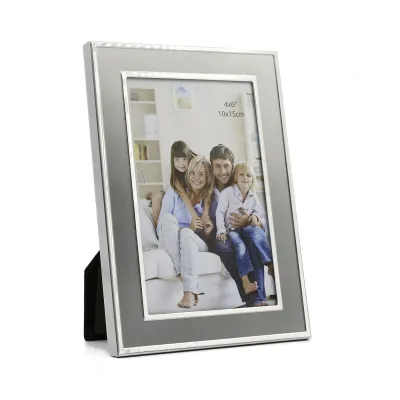
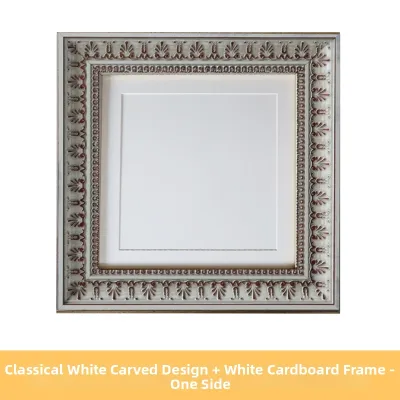
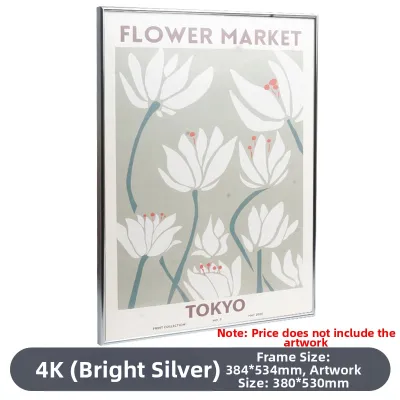
Products mentioned in this guide
![[SG Stock] Silver Nickel-Plated Photo Frame | Glass Panel | 4R-A4 | Wall Gallery Display | Desktop Decoration](https://img.lazcdn.com/g/p/730405b246397c3198b3f92fa5458fd7.jpg_400x400q80.jpg_.webp)
![S8R Aluminum Photo Frame [Gold/Silver/Black]](https://img.lazcdn.com/g/p/e28a3aca319e5f27057011c42a9f0955.jpg_400x400q80.jpg_.webp)


Prices are valid at publication and may change. Please refer to the product page for the latest price.
The internal components of the frame are just as important as the exterior. Reputable brands supply archival-grade, acid-free matboards made from cotton rag or alpha-cellulose, which protect the photograph from “acid burn”—a chemical reaction that causes paper to yellow and degrade. The backing board should also be made of acid-free barrier board or water-resistant materials rather than cheap, unsealed cardboard, which can absorb moisture and transfer impurities to your prints.
Finally, brand transparency serves as a reliable benchmark for quality. Trustworthy manufacturers provide clear documentation regarding their material sourcing, metal purity, and manufacturing standards. They openly state whether their silver finishes are lacquered to prevent oxidation and offer clear guidelines on care and maintenance. A brand that provides a solid warranty against manufacturing defects, joint separation, or finish degradation demonstrates long-term confidence in its products.
Material and Structural Considerations for Wall-Mounted Frames
When planning a wall-mounted display, the physical weight and depth of the frames must be carefully balanced against your wall’s capacity. Large or oversized frames require a deeper profile, known as the rabbet depth, to securely accommodate the thickness of the glazing, multi-layered mats, and backing board without bowing. Heavy sterling silver or brass frames require robust corner reinforcement to ensure the frame does not sag or warp under the constant downward pull of gravity.

The visual finish of the silver frame should be selected based on how it interacts with your room’s lighting. Polished silver finishes are highly reflective, creating sharp highlights that work exceptionally well in modern, minimalist interiors or as striking accent pieces. Brushed or satin silver finishes diffuse light more softly, offering a subtle, contemporary elegance that hides fingerprints and blends seamlessly with diverse decor styles. Antique or tarnished silver finishes feature darker, textured undertones in the recessed areas, providing a classic, warm aesthetic suitable for traditional or vintage spaces.
Singapore’s tropical climate, characterized by high relative humidity, poses a significant threat to silver finishes. Unprotected silver reacts with airborne moisture and sulfur, leading to rapid oxidation and unsightly black tarnish. To ensure longevity, select frames that have been treated with a high-quality, baked-on clear lacquer or protective polymer coating that seals the metal from the atmosphere. Additionally, high humidity can cause unsealed wood or MDF frames to swell and warp, which can split the corner joints over time; therefore, metal or fully sealed wood frames are highly recommended for local homes.
The construction of the corner joints is a primary factor in a frame’s structural stability. For metal frames, welded and polished corners provide a seamless appearance and maximum strength, ensuring the frame remains perfectly square. Wood and MDF frames typically rely on V-nails driven into the back of the mitered corners, reinforced with high-strength wood glue. Inspect these joints closely before hanging; they should be perfectly tight with no visible gaps, as even minor joint separation can compromise the safety of a wall-mounted display.
Hanging Systems and Wall Safety Checks
A secure mounting system is essential to prevent damage to your walls and your framed artwork. Reputable frames come equipped with heavy-duty D-rings screwed directly into the left and right sides of the frame moulding. D-rings are far superior to simple sawtooth hangers, which are only suitable for very light frames under 1 kg. For larger or heavier frames, a braided steel wire strung between the D-rings allows for easier leveling, though using two separate wall hooks spaced apart is recommended to prevent the frame from tilting forward or shifting out of alignment.
The choice of wall anchors must be precisely matched to the construction of your walls. In Singapore, residential walls are predominantly made of solid concrete, brick, or structural masonry. Mounting frames on these surfaces requires drilling a pilot hole with a rotary hammer drill, inserting a matching plastic wall plug, and driving in a secure screw. If you are mounting frames on internal partition walls made of drywall or gypsum board, standard plastic plugs will fail; instead, use specialized hollow-wall anchors, toggle bolts, or threaded drywall anchors that expand behind the board to distribute the weight safely.
Before hanging any frame, always verify its total weight using a digital scale. Compare this weight against the certified load capacity of both the frame’s hanging hardware and the wall hooks you plan to use. As a standard safety margin, select hardware that is rated for at least twice the actual weight of the fully assembled frame. This precaution accounts for dynamic forces, such as vibrations from nearby doors closing or minor structural settling over time.
For complex installations, knowing when to seek professional help is crucial. If you are planning a large gallery wall, mounting an oversized frame exceeding 90 cm on any side, or hanging a heavy frame weighing over 10 kg, consider hiring a qualified professional art installer. Professionals possess the specialized tools, such as laser levels, heavy-duty wall anchors, and structural detectors, required to ensure a perfectly level, secure, and permanent installation, eliminating any risk of falling hazards.
Sourcing and Verifying Photo Frame Brands Locally
To ensure you are purchasing a genuine, high-quality silver frame, consider visiting local home decor showrooms and specialty custom framing shops in Singapore. Physical showrooms allow you to inspect the build quality firsthand, feel the weight of the frame, and examine the tightness of the corner joints. Specialty framers can also provide invaluable guidance on selecting the appropriate glazing and archival backing materials tailored to your specific artwork or photographs.
When browsing online marketplaces or e-commerce platforms, verifying seller credentials is vital to avoid low-quality imitations. Look for official brand stores, authorized distributor badges, and clear return policies that protect you in case of transit damage. Be cautious of listings that use ambiguous terms like “silver-toned” or “metallic finish” without specifying the actual base materials. A reputable online retailer will always provide detailed product specifications, including the exact metal composition, dimensions, weight, and glazing type.
Analyzing customer reviews can reveal critical insights into a frame’s long-term durability and performance. Look past overall star ratings and search for specific feedback regarding wall-mounting stability, finish consistency, and packaging quality. Pay close attention to reviews mentioning whether the silver finish tarnished quickly, if the glass arrived scratched, or if the hanging hardware felt flimsy. Reviews that include photos of the installed frames can also give you a more accurate representation of how the silver finish looks under realistic home lighting.
For large-scale residential projects or extensive gallery walls, do not hesitate to request material samples or specification sheets from the retailer or manufacturer. Many high-end framing brands and custom shops can provide small corner samples, known as chevrons, of their silver mouldings. Testing these samples in your home allows you to verify how the silver tone and texture interact with your specific wall paint and lighting conditions before making a significant financial investment.
Frequently Asked Questions (FAQ)
How do I prevent silver photo frames from tarnishing on the wall?
To prevent silver photo frames from tarnishing, select frames that feature a factory-applied protective lacquer or polymer coating, which seals the metal from oxygen and moisture. When cleaning, use only a dry, ultra-soft microfiber cloth to gently wipe away dust; avoid liquid silver polishes, chemical sprays, or abrasive cleaners, as these can strip away the protective lacquer and expose the raw metal to oxidation. Additionally, avoid hanging silver frames in high-humidity zones like bathrooms, near kitchen cooking areas where airborne grease and steam accumulate, or in direct sunlight, which can degrade protective coatings over time.
What is the best way to arrange multiple silver frames on a wall?
Creating a balanced gallery wall with silver frames involves careful planning and visual contrast. Start by mixing different frame sizes and orientations while maintaining a consistent spacing of 5 to 8 cm between each frame to keep the arrangement cohesive. You can add visual depth by mixing textures, such as pairing highly polished silver frames with brushed or antique silver finishes. Before drilling any holes into your walls, cut out paper templates matching the size of each frame, arrange them on the wall using painter’s tape, and mark the exact hardware placement directly onto the paper to ensure a perfect layout.

Community discussion
Share your experience or ask a question. Comments are reviewed before publication.