
To choose the best smart LED light strips for a stylish girl’s room in Singapore, you must prioritize strips that offer high color rendering, seamless integration with your existing smart home ecosystem, and certified electrical safety. While aesthetic appeal is the primary goal, technical specifications like the difference between RGB and RGBIC technology, voltage requirements, and adhesive quality will ultimately determine the success and longevity of your installation. By focusing on these core performance metrics rather than brand names alone, you can create a safe, beautiful, and highly functional lighting design.
Transforming a bedroom with lighting is one of the most effective ways to personalize a space. Smart LED light strips have become a staple for girl room decoration, offering customizable colors, dynamic scenes, and app-based convenience. However, with countless options available on e-commerce platforms and in retail stores, selecting the right product requires looking beyond marketing claims. This guide helps you evaluate smart light strips based on visual features, ecosystem compatibility, electrical safety, and practical design strategies to build a reliable shortlist for your specific room layout in Singapore.
Key Visual and Technical Features for Aesthetic Room Lighting
Achieving the perfect mood in a bedroom requires understanding the different types of color technologies used in LED light strips. Standard RGB (Red, Green, Blue) strips mix these three primary colors to create a wide spectrum of shades. However, when you try to produce a clean white light with an RGB strip, the result often has a cold, bluish, or purple tint. This can make a bedroom feel clinical rather than cozy.
Products mentioned in this guide
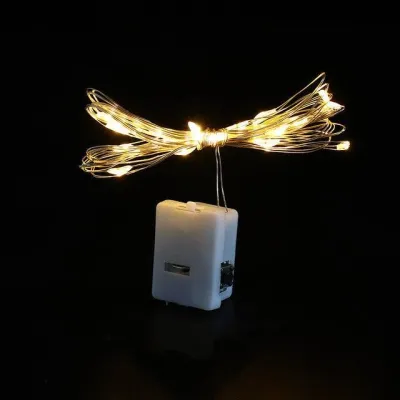
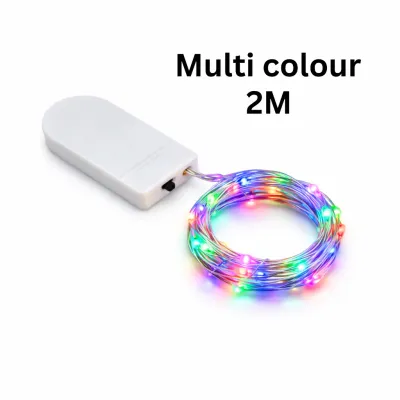
Prices are valid at publication and may change. Please refer to the product page for the latest price.
For a more versatile setup, look for RGBW strips, which feature a dedicated white diode alongside the red, green, and blue chips. This dedicated diode provides a true, warm white or cool white light, making the strip highly functional for daily tasks like reading or studying. If the room requires soft pastel aesthetics, such as lavender, blush pink, or mint green, RGBW strips excel at blending white light with colors to achieve these delicate, desaturated tones.
If dynamic, multi-colored effects are desired, RGBIC (Independent Control) technology is the ideal choice. Unlike standard strips where the entire length must display a single color at any given time, RGBIC strips feature built-in independent control chips. This allows different segments of the same strip to display different colors simultaneously, enabling beautiful rainbow gradients, flowing sunset effects, and active color transitions. However, keep in mind that RGBIC strips generally cannot be cut or extended because cutting disrupts the integrated circuit path; always verify the manufacturer’s specific instructions before attempting any modifications.
Brightness levels and dimming capabilities are equally important when planning your room layout. Brightness is measured in lumens, and for accent lighting behind a headboard or under a bed, a range of 200 to 400 lumens per meter is usually sufficient. If the light strip is intended to serve as task lighting over a study desk or vanity mirror, aim for a higher output of 500 to 800 lumens per meter. Ensure the smart controller supports smooth dimming down to 1% or 5% to allow the strip to function as a gentle night light that will not disrupt sleep.
Finally, pay close attention to the physical dimensions and customization limits of the strips. Standard reels are typically sold in lengths of 2, 5, or 10 meters. If you need to trim a strip to fit a specific piece of furniture, only cut along the designated cut lines, which are marked by copper solder pads. If you plan to connect multiple strips together, verify the maximum length supported by the controller and power adapter to avoid voltage drop, which causes the LEDs at the far end of the run to appear dim or display incorrect colors.
Choosing the Right Smart Ecosystem and App Controls
A smart light strip is only as good as the software that controls it. Before purchasing, evaluate how the light strip will integrate with the existing technology in your home. If you already use a smart home platform like Apple Home, Google Home, or Amazon Alexa, selecting a light strip that natively supports the same ecosystem allows you to control all your devices from a single interface and set up unified routines.

The companion app provided by the manufacturer determines how easily you can customize the lighting. Look for apps that offer a wide range of pre-set scenes, such as “Sunset,” “Forest,” or “Reading,” which automatically adjust the colors and brightness to match specific moods. A robust app should also allow you to create and save your own custom color palettes and dynamic transitions, giving you complete creative control over the room’s atmosphere.
Automation and scheduling features are highly beneficial for establishing healthy daily routines. You can program the light strip to mimic a natural sunrise by slowly brightening with warm, golden tones in the morning, helping you wake up gently. In the evening, a scheduled fade-out to a soft amber glow can signal to the body that it is time to wind down for sleep.
Consider the connectivity protocol of the light strip, as this affects both range and stability. Bluetooth-enabled strips are simple to set up and do not require a home network, but they can only be controlled when your smartphone is within close physical proximity. Wi-Fi models connect directly to your home router (typically requiring a 2.4GHz band) and allow you to control the lights from anywhere, even when you are away from home. For larger installations with multiple smart devices, Zigbee-compatible strips offer excellent stability and do not congest your home Wi-Fi network, though they do require a compatible smart hub to function.
Electrical Safety, Installation, and Power Requirements
While low-voltage LED strips are generally safe, proper electrical planning is essential to prevent overheating and ensure long-term reliability. Most residential smart LED strips operate on 12V or 24V direct current (DC). Never attempt to connect a bare LED strip directly to Singapore’s 230V mains power supply; always use the compatible power adapter or LED driver provided by the manufacturer to step down the voltage safely.
To ensure the power supply is adequate, calculate the total wattage of your installation. Multiply the wattage rating per meter of the LED strip by the total length of the run. When selecting a power adapter, ensure it has at least a 20% power headroom above this calculated total. Running a power adapter at its absolute maximum capacity for extended periods causes it to run hot, significantly shortening its lifespan and creating a potential safety hazard.
Proper surface preparation is key to preventing the light strip from peeling off over time. The double-sided adhesive tape on the back of the strip requires a clean, dry, and non-porous surface to form a strong bond. Before mounting, thoroughly clean the surface with isopropyl alcohol to remove any dust, oils, or moisture. Avoid sticking the adhesive directly onto textured plaster, raw wood, or peeling paint, as the strip will inevitably sag or fall off.
For a highly professional look and improved durability, install the LED strips inside aluminum profiles with frosted diffusers. These lightweight metal channels serve three important purposes: they protect the delicate circuit board of the strip from physical damage, they act as a heat sink to dissipate warmth and extend the life of the LEDs, and the frosted covers diffuse the individual bright dots of light into a smooth, continuous glow.
Always prioritize safety during installation. Before mounting, testing, or making any adjustments to the wiring, isolate the power supply by turning off the main circuit breaker. If your lighting design requires hardwiring the LED driver into an existing wall switch, running cables inside walls, or installing lights in damp environments like an en-suite bathroom, do not attempt a DIY installation. In Singapore, all fixed electrical wiring must be performed by a licensed electrical worker to ensure compliance with local safety regulations and prevent electrical fires.
Practical Placement Strategies for Girl Room Decoration
The key to a stylish, high-end look is using indirect lighting rather than exposing the bare LED diodes to direct view. Exposed LEDs can create harsh glare and look unfinished. By hiding the strips behind furniture or architectural features, you create a soft, diffused glow that makes the bedroom feel cozy and inviting.
One of the most popular placements is behind the bed headboard. Mounting a strip along the back of the headboard casts a beautiful halo of light onto the wall behind it, framing the bed as the focal point of the room. This setup provides excellent ambient lighting for relaxing in bed before sleep without the need for bright overhead lights.
For study areas, mounting an LED strip under a shelf or along the back edge of a desk washes the wall with light. This indirect illumination reduces eye strain by minimizing the harsh contrast between a bright computer screen and a dark room. If the room features a vanity mirror, placing a strip behind the mirror frame creates a soft, shadow-free illumination that is highly practical for daily grooming and styling routines.
Cove lighting is an excellent way to make a compact room feel larger and more open. If the room has a false ceiling or a curtain pelmet, tucking the LED strips inside these recesses directs the light upward, reflecting it off the ceiling and walls. This creates a gentle, floating ceiling effect that fills the entire space with a soft, even glow, which is particularly effective in typical Singaporean apartment layouts where maximizing the perception of space is a priority.
Do not overlook low-level lighting for functional nighttime safety. Mounting a low-brightness LED strip under the bed frame or along the bottom of a wardrobe creates a floating furniture effect. When paired with a smart motion sensor, these lights can turn on automatically at a very low, warm dimness when you step out of bed at night, guiding your path safely without waking you up fully or disturbing others.
Building Your Shortlist: A Brand Evaluation Checklist
When browsing online marketplaces or visiting local lighting showrooms in Singapore, it is easy to get overwhelmed by the sheer volume of options. To build a reliable shortlist, use a structured evaluation framework that focuses on safety, support, and real-world performance rather than marketing buzzwords.
First, verify the availability of local warranty terms and accessible after-sales support. Purchasing from brands that maintain a physical presence or authorized distributors in Singapore ensures that if a controller fails, a power adapter stops working, or a segment of the strip loses its color calibration, you can easily obtain a replacement or technical assistance without dealing with complex international shipping.
Second, check for recognized electrical safety certifications. Any power adapter or smart controller intended for use in Singapore should carry the Enterprise Singapore Safety Mark. This certification guarantees that the electrical components have undergone rigorous testing to meet local safety standards, protecting your home from short circuits, overheating, and potential fire hazards.
Third, filter user reviews on e-commerce platforms to identify potential long-term issues. Look past the initial five-star ratings and focus on reviews written after several months of use. Pay close attention to recurring complaints regarding app connectivity drops, color mismatches between different batches of strips, and adhesive failure. A product with a stable app and high-quality physical construction will save you significant time and frustration during both installation and daily use.
Frequently Asked Questions (FAQ)
Can smart LED light strips damage painted walls when removed?
Yes, the strong adhesive backing on LED strips can pull off paint or drywall paper during removal, especially on walls that were not primed properly or have older paint. To minimize damage, use a hairdryer on a low-heat setting to gently warm and soften the adhesive before slowly peeling the strip away at an angle. Alternatively, mounting the strips inside lightweight aluminum channels secured with removable mounting tape or small clips can protect your walls entirely.
Why do my smart light strips keep disconnecting from the app?
Frequent disconnections are usually caused by weak Wi-Fi signals, network congestion, or frequency band mismatches. Most smart LED strips only support the 2.4GHz Wi-Fi band; if your home router combines 2.4GHz and 5GHz into a single network name, the strip may struggle to stay connected. To resolve this, try separating the bands in your router settings, moving the smart controller closer to your router, or using a Wi-Fi range extender to ensure a stable, uninterrupted signal.

Community discussion
Share your experience or ask a question. Comments are reviewed before publication.