
Selecting the ideal Buddha lotus LED lamp for a home prayer altar in Singapore requires balancing religious reverence, visual harmony, and electrical safety. In Singapore’s typical high-rise apartments, where space on the altar is carefully curated, the right lamp should fit the physical dimensions of the setup while offering reliable, continuous illumination. To find the best option, you must evaluate key features like power source stability, material durability, and style preferences that complement your home’s spiritual space.
Key Features to Evaluate for Your Altar's Lotus Lamp
When choosing a lotus lamp, the light temperature and brightness play a significant role in setting the right spiritual tone. Warm white light, typically ranging from 2700K to 3000K, is highly favored for creating a serene, inviting, and peaceful atmosphere that aids in daily meditation and chanting. Some practitioners prefer traditional amber or red tones, which are often associated with specific deities or traditional altar aesthetics. Choosing a lamp with adjustable brightness or dimming capabilities allows you to customize the illumination level, ensuring the light is soft enough for evening prayers without causing harsh glare or distracting reflections on glass-framed pictures or polished statues.
The power source is another critical factor that dictates both the placement and the long-term reliability of your altar lamps. Plug-in models that connect directly to a wall outlet are the most reliable option for continuous, daily use, as they provide a steady stream of power without the risk of dimming over time. USB-powered lotus lamps offer modern flexibility, allowing you to power them using standard USB wall adapters or even portable power banks, which is highly convenient if your altar is located far from a wall socket. Battery-operated models provide a clean, wire-free look that eliminates cable clutter entirely, but they are generally best reserved for occasional festival use or short prayer sessions due to the ongoing cost and environmental impact of replacing batteries.
Products mentioned in this guide
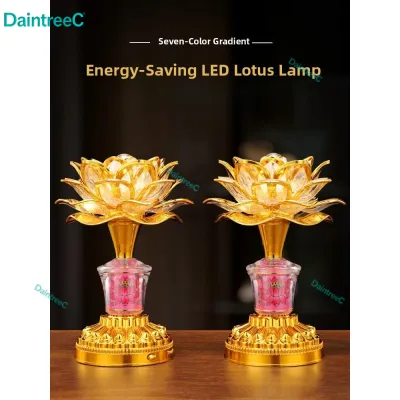
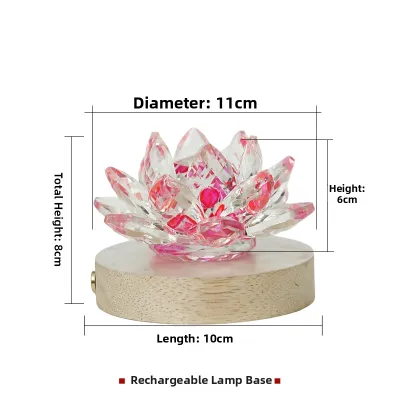
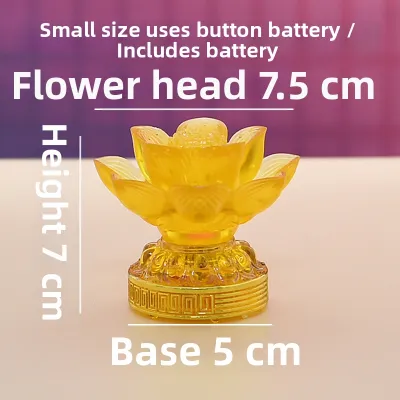
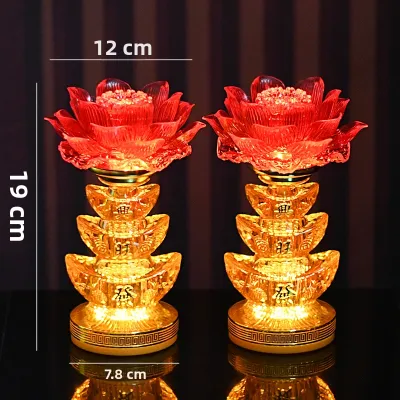
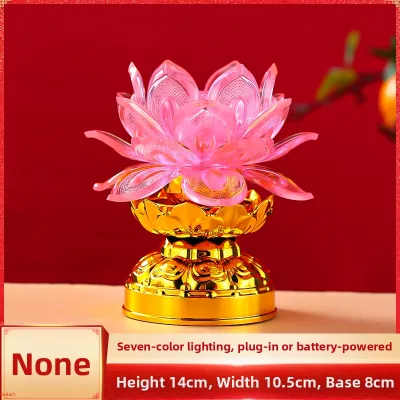
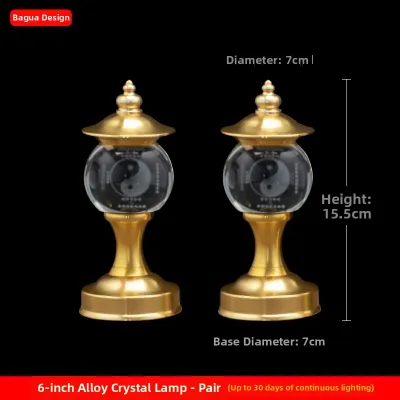
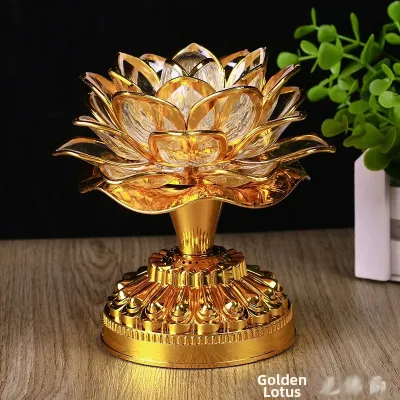
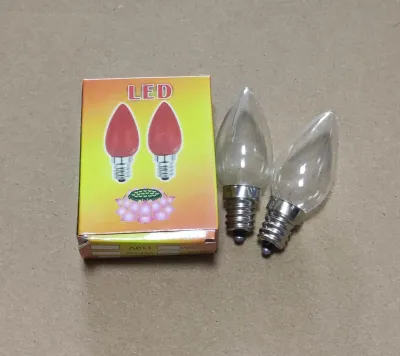
Prices are valid at publication and may change. Please refer to the product page for the latest price.
Material quality directly affects both the visual appeal and the safety of the lamp on a busy altar. Because home altars frequently feature burning incense, oil lamps, or candles, selecting a lotus lamp made from flame-retardant plastics or high-grade resin is essential to minimize fire risks. Glass and crystal lamps offer excellent heat dissipation and a premium, heavy feel, though they require careful handling to prevent chipping or breakage. Molded acrylic is a highly popular, lightweight alternative that mimics the look of crystal, but you must ensure it is kept at a safe distance from open flames to prevent warping or melting from rising heat.
Additionally, the stability of the lamp’s base is a crucial design feature that should not be overlooked. A weighted base, often made of metal or dense resin, ensures that the lamp remains firmly in place even if the altar is accidentally bumped during daily cleaning or offerings. This is particularly important for taller or multi-tiered lamps, which can become top-heavy if the base is too light. When evaluating a lamp, check that the bottom of the base features non-slip pads or a smooth, flat surface that will not scratch polished wood or marble altar tops.
Popular Styles of Buddha Lotus LED Lamps to Consider
Rotating lotus lamps are a popular choice for many Singaporean households, as the gentle, continuous movement of the petals symbolizes the turning of the Dharma wheel and the flow of positive energy. These lamps generally operate using either mechanical gears or magnetic rotation mechanisms. Mechanical geared models are widely available and budget-friendly, but they can develop a low, persistent humming noise over time as dust and incense ash accumulate in the gears. Magnetic rotation models, while often requiring a higher initial investment, offer a virtually silent operation that is highly conducive to quiet meditation and chanting spaces.

Static crystal or acrylic lotus lamps focus on the beauty of light refraction rather than physical movement. These lamps feature intricately faceted petals that catch the LED light from the base, casting beautiful, geometric light patterns onto the surrounding altar walls and ceiling. Because they have no moving parts, static lamps are exceptionally durable, highly reliable, and completely silent, making them an excellent low-maintenance option for minimalist or modern altar designs. The solid base of these lamps also provides superior stability, reducing the risk of the lamp tipping over if the altar is accidentally bumped.
Multi-tiered or large-scale lotus lamps feature multiple layers of blossoms arranged vertically on a single stem or base, creating a grand and majestic visual impact. These designs are highly suited for larger, dedicated prayer rooms or spacious, custom-built altar cabinets where they can serve as a central focal point. However, they require careful spatial planning to ensure they do not overcrowd other essential ritual items, such as offering cups, incense burners, and the main Buddha statue. Before purchasing a multi-tiered model, measure the vertical clearance of your altar carefully to ensure the top of the lamp does not sit too close to the ceiling or the upper shelves of the cabinet.
The color of the lotus petals themselves also carries symbolic meaning and should align with your personal practice. Pink lotus lamps are traditionally associated with the historical Buddha, Siddhartha Gautama, representing purity and devotion. Yellow or golden lotus lamps are often chosen to symbolize spiritual wealth, wisdom, and the warmth of the Dharma. Selecting a color that resonates with your specific spiritual focus can enhance the overall energy of your prayer space, making your daily rituals feel more grounded and meaningful.
Electrical Safety and Setup Checks for Home Altars
Electrical safety is paramount when integrating any electronic device into a home prayer altar, especially since these lamps are often left on for extended periods. In Singapore, the standard domestic electricity supply is 230V AC at 50Hz, so you must verify that any plug-in lamp or its accompanying power adapter is fully compatible with this voltage. Always look for recognized safety certifications, such as the SAFETY Mark issued by Enterprise Singapore, on the power adapter to ensure the product has undergone rigorous testing for electrical safety and insulation.
Proper cable management is essential to prevent physical hazards and protect the electrical integrity of your altar setup. Route all power cords neatly along the back or sides of the altar, keeping them completely clear of open flames, hot incense burners, and areas where oil or water offerings might spill. Use heat-resistant cable clips, ties, or adhesive wire organizers to secure the cables firmly, preventing them from hanging loosely where they could be accidentally snagged by family members or pets. This simple step greatly reduces the risk of a lamp being pulled off the altar, which could cause physical damage or electrical short circuits.
Avoid the temptation to daisy-chain multiple extension cords or overload a single power outlet with too many altar accessories. If your altar setup requires the addition of new electrical outlets or complex wiring hidden behind custom carpentry, do not attempt to perform this work yourself. Always isolate the power at your home’s main distribution board before undertaking any electrical modifications, and hire a licensed electrical worker (LEW) in Singapore to carry out the installation. A professional electrician will ensure that the wiring is properly rated for the load, safely insulated, and compliant with local building codes, giving you peace of mind that your sacred space is both beautiful and safe.
Where to Buy and What to Verify Before Purchasing
When sourcing a Buddha lotus LED lamp in Singapore, you can choose between specialized religious goods stores and general online marketplaces. Specialized physical stores, often located in cultural hubs like Waterloo Street, Chinatown, or heartland neighborhoods, allow you to inspect the lamps in person before buying. This hands-on experience is invaluable for assessing the true color temperature of the LEDs, checking the weight and stability of the base, and ensuring the materials meet your quality standards. Online marketplaces offer a wider variety of designs and the convenience of home delivery, but they require extra diligence to verify seller ratings and product specifications.
Upon receiving your lotus lamp, perform a thorough unboxing inspection before placing it on your altar. Carefully check the entire body of the lamp for physical defects, such as cracked acrylic petals, loose components, or chipped paint on the base. Plug the lamp in and let it run for a few minutes to check for flickering LEDs, uneven brightness, or unusual humming noises from the power adapter. Ensure that the power cord is completely intact with no signs of fraying or exposed copper wire, and verify that the plug fits snugly and securely into your wall socket without wobbling.
Because electronic religious items are often subjected to long hours of continuous use, it is wise to review the manufacturer’s or seller’s warranty and return policies before making a purchase. Reputable sellers should offer a clear return or exchange window, typically ranging from 7 to 30 days, to protect you against immediate electronic failures or manufacturing defects. Keep your purchase receipt and warranty card in a safe place, as this will make the exchange process much smoother if the lamp encounters any technical issues shortly after installation.
Routine Maintenance and Cleaning Guidelines
To keep your Buddha lotus LED lamp functioning beautifully and safely over time, regular cleaning and maintenance are essential. Over weeks of daily prayers, fine incense ash and household dust will inevitably settle on the delicate petals and crevices of the lamp. Before starting any cleaning, always turn off the lamp and completely unplug it from the power source to eliminate any risk of electrical shock. Use a soft, dry microfiber cloth or a clean, soft-bristled makeup brush to gently sweep away dust from the petals, base, and cable, taking care not to apply excessive pressure that could snap delicate acrylic or glass elements.
When cleaning your lamp, avoid using harsh chemical solvents, alcohol-based cleaners, or abrasive scrubbing pads, especially on acrylic, resin, or gold-plated plastic surfaces. These aggressive substances can chemically react with the materials, causing clear acrylic to become permanently cloudy, stripping away gold paint, or weakening the structural integrity of the plastic. If a deeper clean is necessary to remove stubborn incense residue, use a slightly damp cloth with a tiny amount of mild, diluted dish soap. Wipe the surfaces gently, and immediately follow with a dry cloth to remove any remaining moisture, ensuring that no liquid ever enters the electrical base, switch, or USB port.
Regularly inspect your lotus lamp for observable signs of wear and tear that indicate it may be reaching the end of its safe operating lifespan. If you notice the LEDs beginning to flicker constantly, the power adapter becoming unusually hot to the touch, or a persistent buzzing sound coming from the plug, these are clear warning signs of electronic degradation. For rotating models, a stiff rotation mechanism or a grinding noise from the motor suggests that internal wear has occurred. In any of these scenarios, you should discontinue use immediately and replace either the power adapter or the entire lamp assembly to prevent potential electrical hazards on your altar.
Frequently Asked Questions (FAQ)
Can I leave the Buddha lotus LED lamp on 24/7?
Many modern LED lotus lamps are designed to be left on continuously, but you must always verify this by checking the manufacturer’s specific guidelines. Because LEDs generate significantly less heat than traditional incandescent bulbs, they are much safer for long-term operation and carry a lower risk of overheating. However, running any electronic device 24/7 will naturally accelerate the wear on its internal driver and power adapter, potentially shortening its overall lifespan. To maximize safety and longevity, ensure the lamp is placed in a well-ventilated area on your altar, and consider turning it off when you are away from home for extended periods.
Do rotating lotus lamps require special maintenance?
Yes, rotating lotus lamps require a bit more attention than static models because their moving parts are highly susceptible to dust and incense ash accumulation. Over time, fine particles can settle into the rotating joints or motor housing, causing friction that leads to squeaking noises, uneven rotation, or motor burnout. To maintain smooth operation, periodically use a can of compressed air to gently blow away dust from the mechanical joints while the lamp is unplugged. Never apply liquid lubricants or wet cleaners near the rotation mechanism, as moisture can easily penetrate the motor casing and cause a permanent electrical short circuit.

Community discussion
Share your experience or ask a question. Comments are reviewed before publication.