
Finding a room freshener that maintains a consistent scent without evaporating in a matter of weeks requires looking past brand names and focusing on chemical composition and physical design. While many brands promise months of continuous fragrance, the actual lifespan of a reed diffuser depends on the carrier liquid, the physical properties of the reeds, and the environment in which it is placed. By understanding these variables, you can select a setup that delivers sustained scent throw without frequent, costly replacements.
Understanding What Actually Controls Reed Diffuser Longevity
The carrier liquid is the most critical factor in determining how quickly a diffuser empties. Alcohol-based solvents evaporate rapidly, offering a strong initial burst of fragrance but depleting the bottle quickly. In contrast, carrier oils—such as glycol ethers, fractionated coconut oil, or sweet almond oil—evaporate at a much slower, more controlled rate, significantly extending the diffuser’s lifespan.
Reed material also dictates both the intensity and the duration of the scent. Natural rattan reeds contain microscopic channels that draw liquid upward through capillary action. However, these natural fibers can become clogged by dust or heavy fragrance oils over time. Synthetic fiber reeds are engineered with uniform pores, allowing for faster absorption and a stronger scent throw, though they may draw liquid out of the bottle faster than rattan.
Products mentioned in this guide
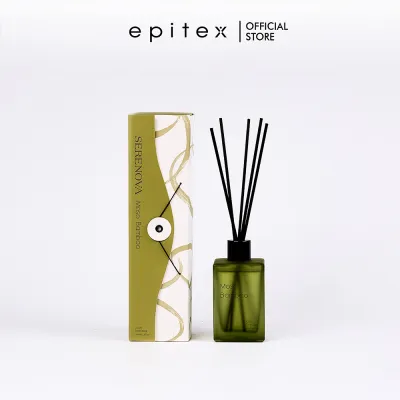
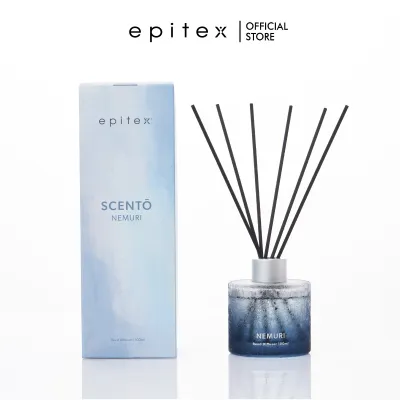
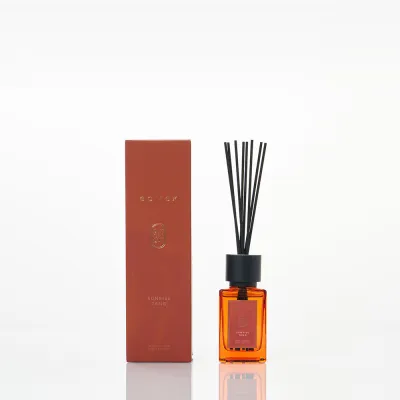
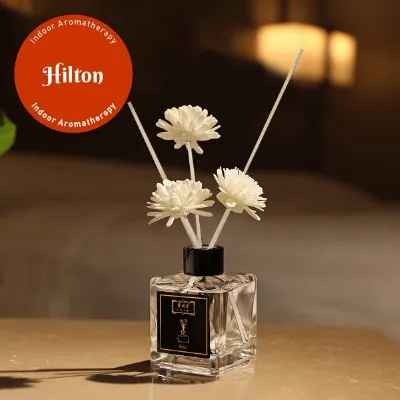
Prices are valid at publication and may change. Please refer to the product page for the latest price.
Bottle design plays a surprisingly large role in passive evaporation. A wide bottle neck increases the surface area of the liquid exposed directly to the air, accelerating evaporation. A narrow neck limits this direct exposure, ensuring that the liquid is primarily dispersed through the reeds rather than evaporating straight from the bottle opening.
How to Evaluate Longevity Claims on Product Labels
Do not rely solely on claims like “lasts up to three months” printed on the packaging. A standard 100 ml diffuser typically lasts between four to eight weeks, while a 200 ml bottle can last 12 to 16 weeks under optimal conditions. If a label promises several months of scent from a tiny 50 ml bottle, the formulation is likely highly diluted or the claim assumes minimal reed usage.

Look closely at the ingredient list to identify the carrier base and fragrance concentration. High-quality formulations often use non-hazardous, low-evaporation bases like isopropylidene glycerol or glycol ethers. The fragrance oil concentration should ideally fall between 15% and 25%, often labeled as fine fragrance or parfum. Lower concentrations require more reeds to achieve a noticeable scent, which in turn depletes the liquid faster.
Check if the product package includes adjustable components or accessories. A set that includes extra reeds allows you to customize the diffusion rate to your liking. Additionally, a secure, resealable cap or stopper is a valuable feature, enabling you to seal the bottle if you go away on holiday, preserving the remaining liquid for your return.
Matching Diffuser Formulations to Your Room Environment
In tropical climates, the choice of room environment dramatically affects evaporation rates. In a constantly air-conditioned room, the air is dry, which can accelerate the evaporation of water- or alcohol-based carriers while causing rattan reeds to dry out and clog. In naturally ventilated spaces with high humidity, the ambient moisture can slow down evaporation but may also damp down the scent throw, requiring a slightly stronger formulation.
Room size dictates how many reeds you must use, which directly impacts longevity. A large, open-plan living area requires a diffuser with a wider scent throw, meaning you will need to use more reeds or a formulation with a higher fragrance load. For compact, enclosed spaces like bathrooms or study rooms, a slow-release, oil-based diffuser with only two or three reeds is highly efficient and can last twice as long.
Temperature fluctuations and airflow are major drivers of liquid consumption. Placing a diffuser near windows, heat-emitting appliances, or in areas with direct sunlight increases the temperature of the liquid, lowering its viscosity and causing the fragrance to dissipate rapidly. Keeping the diffuser in a shaded, temperature-stable spot is essential for maximizing its lifespan.
Decision Framework: Choosing the Right Setup for Your Space
To make an informed decision, evaluate your space against a clear set of priorities. If your primary goal is to freshen a large, high-traffic living room with immediate impact, choose a diffuser with synthetic fiber reeds and a formulation containing a moderate solvent base that facilitates quick diffusion. Be prepared to replace this setup more frequently to maintain the desired scent level.
If you prioritize maximum longevity and value for money in a smaller, air-conditioned bedroom, opt for a slow-evaporating, glycol-ether-based carrier paired with natural rattan reeds. Start with just three reeds and only add more if the scent is too faint. Budget options under S$30 often use faster-evaporating bases, while premium options costing over S$80 typically utilize high-purity carrier oils that extend the product’s life.
Before purchasing highly concentrated formulas, verify the ingredients if you have pets, young children, or respiratory sensitivities. Certain essential oils and synthetic fragrance compounds can be irritating or toxic to domestic animals when dispersed in enclosed spaces. Always check the manufacturer’s safety data sheets or product labels for warnings regarding pet safety and skin contact.
Daily Habits to Maximize Your Diffuser's Lifespan
Flipping the reeds refreshes the scent throw, but doing it too often accelerates liquid consumption. Limit flipping to once every one to two weeks, or only when you notice the fragrance fading. When flipping, use a paper towel to handle the reeds to avoid getting concentrated oils on your skin or wooden furniture, which can cause damage to finishes.
Avoid placing your diffuser directly under air-conditioning vents, near ceiling fans, or beside open windows. The constant airflow draws the scent out of the reeds at an unsustainable rate, drying them out and forcing the bottle to empty prematurely. Instead, position the diffuser in a spot with gentle, natural air circulation, such as an entryway or a corner shelf.
Over time, reeds become clogged with dust and heavy fragrance molecules, preventing them from drawing up fresh liquid. If the bottle is still half-full but you can no longer smell the fragrance even after flipping, the reeds are likely saturated. Instead of buying a whole new diffuser set, simply purchase a pack of replacement reeds to restore the scent throw.
Frequently Asked Questions (FAQ)
Does adding more reeds make the scent last longer?
No, adding more reeds does not make the scent last longer; in fact, it has the opposite effect. Each additional reed acts as an extra straw, drawing more liquid out of the bottle and exposing a larger surface area to the air. While this increases the immediate intensity of the scent throw in your room, it accelerates the evaporation rate, causing the liquid to deplete much faster. To maximize longevity, start with a minimal number of reeds and gradually add more only if the fragrance is insufficient for the room size.
Why did my reed diffuser stop smelling even though there is liquid left?
This common issue is usually caused by reed clogging or olfactory fatigue. Over several weeks, airborne dust, pet dander, and heavy oil molecules accumulate on the surface of the reeds, blocking their microscopic channels and stopping the capillary action. Alternatively, your nose may have simply become accustomed to the constant scent. To resolve this, first try flipping the reeds or moving to another room to test your sensitivity. If the scent does not return, replace the old reeds with a fresh set of high-quality rattan or synthetic fiber reeds to restart the diffusion process.

Community discussion
Share your experience or ask a question. Comments are reviewed before publication.