
A black ceramic vase can suit almost any home decor aesthetic, but the ideal match depends on selecting the right combination of silhouette, surface finish, and texture. For minimalist and Scandinavian spaces, a smooth matte black vase with clean geometric lines acts as a sculptural focal point. In contrast, industrial lofts benefit from raw, unglazed, or distressed textures, while classic and traditional interiors are best complemented by high-gloss, symmetrical urn shapes that mimic polished stone. By matching these physical characteristics to your existing design elements, you can effortlessly integrate this versatile decor piece.
In the realm of interior design, the color black holds a unique position. It is not merely a color but a powerful visual tool that absorbs light, creates contrast, and defines spaces. In bright, sunlit homes—such as those commonly found in Singapore’s high-rise apartments—a well-placed black ceramic vase cuts through the glare of natural light, offering a resting point for the eyes and grounding the surrounding design elements. Whether your home features the warm timber tones of a Scandinavian interior or the raw concrete of an industrial loft, a black vase acts as an anchor that pulls the room together.
However, because black carries significant visual weight, choosing the wrong style can disrupt the balance of your room. A glossy, ornate black urn might feel out of place in a relaxed, bohemian living room, just as a rough, asymmetrical unglazed vessel might clash with a formal, traditional dining space. Understanding how different ceramic finishes, textures, and shapes interact with your existing decor is the key to making a successful choice. By examining the specific characteristics of each style, you can select a piece that feels intentional, harmonious, and tailored to your personal aesthetic.
Products mentioned in this guide
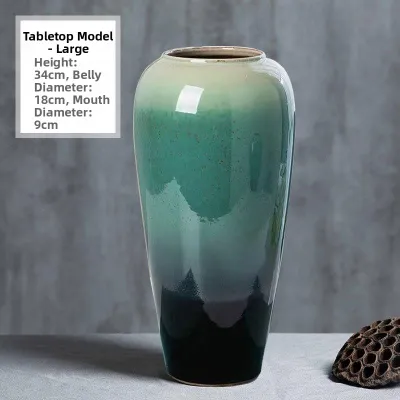
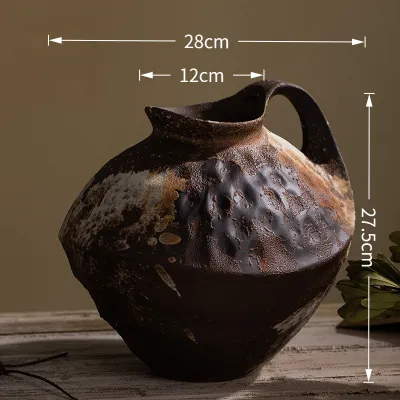
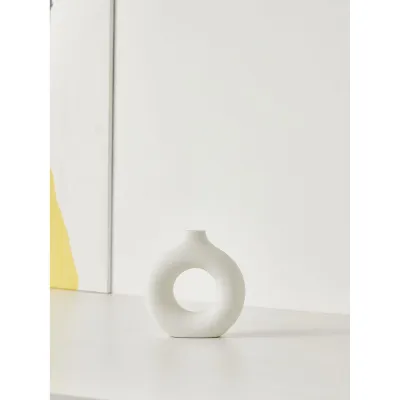
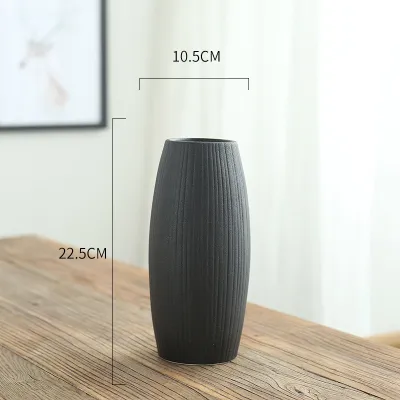
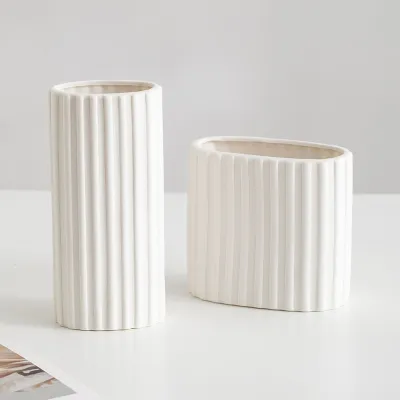
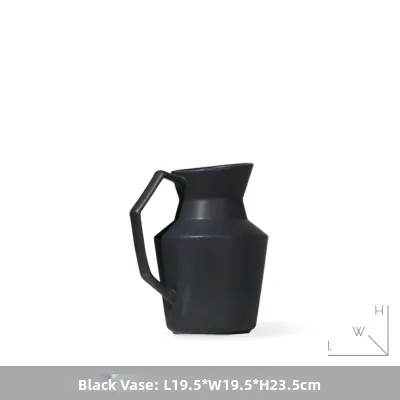
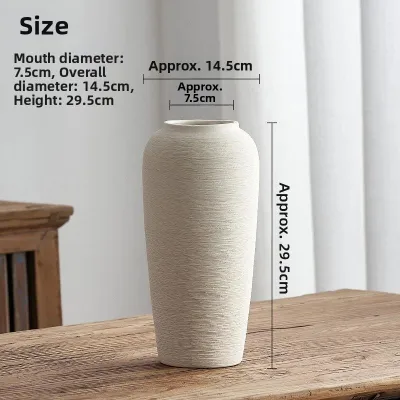
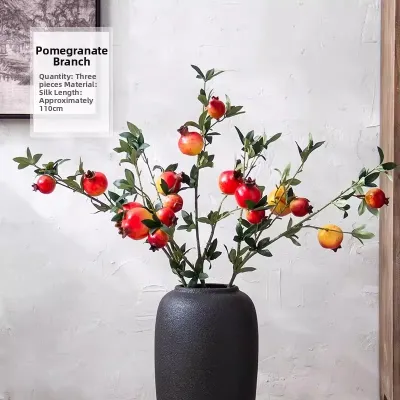
Prices are valid at publication and may change. Please refer to the product page for the latest price.
Quick Reference: Black Ceramic Vase Styles by Interior Aesthetic
Before exploring the nuances of ceramic finishes and styling techniques, use this quick-reference guide to match your home’s design aesthetic with its ideal black ceramic vase attributes. These recommendations serve as styling pathways rather than rigid rules, helping you identify the general shapes and finishes that harmonize with popular interior themes.
| Decor Style | Ideal Vase Shape | Best Finish (Matte/Glossy/Textured) | Key Design Features |
|---|---|---|---|
| Minimalist & Scandinavian | Geometric, cylinder, or donut shapes | Matte | Clean lines, seamless edges, focus on negative space |
| Industrial & Urban Loft | Asymmetrical, utilitarian, or heavy-bottomed | Textured or unglazed | Distressed surfaces, metallic accents, raw clay textures |
| Traditional & Classic | Symmetrical urns, fluted silhouettes, or ginger jars | High-Gloss | Polished finish, decorative handles, classical proportions |
| Bohemian & Organic Modern | Ribbed, bulbous, or hand-thrown organic shapes | Textured matte or raw clay | Visible brushstrokes, speckled glazes, tactile ridges |
| Mid-Century Modern | Tapered necks, atomic-age shapes, or hourglasses | Mixed matte and glossy | Bold geometric relief patterns, high-contrast details |
How Finish and Texture Change the Vibe of Black Ceramic
The transformative power of a black ceramic vase lies not only in its shape but also in how its surface interacts with light. The choice between a matte or glossy finish, or a smooth or textured surface, completely alters the vase’s aesthetic personality and determines how it fits into your home.

Matte vs. Glossy
Matte black finishes absorb light rather than reflecting it, creating a soft, velvety appearance that feels understated and modern. This light-absorbing quality allows a matte black vase to recede slightly into its surroundings, making it an excellent choice for calm, minimalist, or moody, dark-walled spaces where you want to avoid harsh glare. Glossy black finishes, on the other hand, reflect light sharply, creating high-contrast highlights and deep shadows. This reflective quality gives the vase a dynamic, energetic presence that resembles polished lacquer, obsidian, or fine porcelain, making it ideal for formal, traditional, or glamorous spaces that demand a touch of drama.
Textured vs. Smooth
The tactile quality of a ceramic surface also plays a major role in its visual warmth. A perfectly smooth, seamless surface emphasizes the pure silhouette of the vase, creating an architectural, clean feel that aligns with contemporary design. In contrast, textured surfaces—such as ribbed, pitted, speckled, or raw, unglazed clay—introduce organic warmth and physical depth. These textures catch light unevenly, creating a play of micro-shadows that softens the starkness of the black color. This makes textured black vases feel more approachable and artisanal, allowing them to blend beautifully into rustic, bohemian, or nature-inspired homes.
Glaze Variations
Beyond simple matte and glossy finishes, ceramicists use advanced glazing techniques to introduce subtle complexity to black ceramics. Reactive glazes react dynamically in the kiln, producing unpredictable surface patterns where undertones of charcoal gray, deep brown, or metallic blue peek through the black base. Ombre effects transition smoothly from a lighter charcoal or slate gray at the top to a solid, deep black at the base, adding a sense of movement and visual gradient. Additionally, metallic accents—such as hand-painted gold, bronze, or copper luster rims—break up the solid black surface, adding a luxurious touch that helps tie the vase to metallic fixtures, light fittings, or hardware in the room.
Which Black Ceramic Vase Style Fits Your Home?
Selecting the perfect black ceramic vase requires looking at your home’s dominant design themes and finding a piece that either complements or intentionally contrasts with those elements. Let’s explore how to choose and style the right black vase for five major interior design aesthetics.
Minimalist and Scandinavian Spaces
In minimalist and Scandinavian interiors—often blended into the popular “Japandi” style—every decor item must justify its presence through exceptional form or clean functionality. For these uncluttered spaces, look for a black ceramic vase with a strong, geometric silhouette, such as a perfect cylinder, a sharp cone, or a sculptural donut shape. A flawless matte finish is highly recommended, as it emphasizes the purity of the vase’s physical form without the distracting glare of reflections.
Avoid vases with ornate details, decorative handles, or heavy surface textures, as these elements clash with the clean-lined ethos of minimalist design. Instead, focus on how the vase’s silhouette interacts with the surrounding negative space on your shelf or sideboard. When styling, keep the arrangement incredibly simple. You can leave the vase entirely empty to let it stand as an independent sculptural object, or insert a single, dried architectural branch—such as a preserved palm spear, a eucalyptus stem, or a single monstera leaf—to create a striking, asymmetrical display.
Industrial and Urban Loft Interiors
Industrial design celebrates the raw, unpolished beauty of structural materials like exposed brick, weathered concrete, distressed wood, and black iron. To complement this rugged aesthetic, choose a black ceramic vase that looks as though it was hand-forged or unearthed rather than mass-produced. Look for unglazed exteriors, heavily textured or pitted surfaces, and utilitarian shapes that evoke factory gears, old laboratory bottles, or ancient pottery.
Vases featuring distressed finishes, iron-like metallic glazes, or heavy, grounded bases work exceptionally well in industrial settings because they echo the weight and texture of structural metals. When styling these vases, pair them with dried, structural botanicals that match the raw, unpretentious character of the space. Stems of dried cotton, wild thistles, or bare, gnarled branches look spectacular when placed in a heavy, textured black vase, adding a touch of natural texture without introducing overly delicate or colorful elements that might disrupt the industrial vibe.
Traditional and Classic Rooms
Traditional interiors rely on symmetry, balance, historical references, and a sense of formal elegance. In these classic settings, a black ceramic vase should exude refined craftsmanship and timeless sophistication. Opt for classic, time-tested silhouettes such as urns, amphoras, ginger jars, or fluted vases with symmetrical proportions. A high-gloss finish is particularly effective in traditional rooms, as it mimics the luxurious appearance of Chinese lacquerware or polished black marble, beautifully reflecting the warm glow of nearby table lamps.
Look for elegant details like symmetrical handles, delicate vertical fluting, or subtle gold leaf trim along the rim or base. These classical design elements allow the black vase to blend seamlessly with antique mahogany or walnut furniture, rich textiles like velvet and silk, and ornate brass fixtures. To style a traditional black vase, create a dense, symmetrical floral arrangement using classic blooms like white roses, hydrangeas, or deep red lilies, which will pop dramatically against the polished black surface.
Bohemian and Organic Modern Homes
Bohemian and organic modern homes prioritize comfort, natural materials, and a relaxed, lived-in atmosphere filled with plants and textiles. To prevent a solid black ceramic vase from looking too harsh or sterile in these bright, earthy spaces, look for handmade or hand-thrown pieces that exhibit clear signs of craftsmanship. Vases with visible throwing rings, ribbed surfaces, or slightly imperfect, bulbous shapes bring a warm, human touch to the decor.
Matte, speckled, or raw clay finishes are ideal for this aesthetic, as their natural variations soften the black color and prevent it from looking cold. To integrate the vase into a bohemian setting, pair it with soft, organic textures that contrast with the ceramic material. Fill the vase with fluffy pampas grass, dried bunny tails, or preserved eucalyptus, and place it near woven rattan baskets, linen drapes, or warm timber surfaces to create a balanced, cozy, and inviting vignette.
Mid-Century Modern Settings
Mid-century modern design is characterized by organic curves, clean geometric lines, and a playful yet highly functional approach to home decor. In these retro-inspired spaces, a black ceramic vase serves as an excellent grounding element against the warm teak, walnut, and oak woods typical of mid-century furniture. Look for retro-inspired shapes, such as atomic-age silhouettes, hourglass forms, or vases with narrow, tapered necks and wide bases.
Vases featuring bold geometric relief patterns—such as raised diamonds, concentric circles, or horizontal ridges—capture the playful graphic spirit of the mid-century era. A combination of matte and glossy finishes on a single piece can also highlight these geometric patterns beautifully. Position your black vase on a mid-century sideboard or coffee table, allowing its deep color to anchor the surrounding vibrant accents, such as mustard yellow, olive green, or burnt orange decor.
Sizing and Placement: Balancing the Visual Weight of Black
Because black absorbs all light, a black object carries more “visual weight” than a white or pastel object of the exact same size. This means that a black ceramic vase will naturally draw the eye and feel heavier and denser than its physical dimensions suggest. Understanding how to balance this visual weight is crucial when deciding on the size and placement of your vase, ensuring it enhances your space rather than overwhelming it.
When choosing a vase, always match its scale to its intended location. Tall floor vases—typically 50 centimeters or taller—require substantial, wide bases to ground them visually and physically. Place these larger pieces in empty corners, next to substantial furniture like a sofa or a sideboard, or in entryways where they can serve as a bold statement. For tabletops, sideboards, or wall shelves, stick to smaller or medium-sized vases (15 to 30 centimeters). If you plan to place a heavy ceramic vase on a floating wall shelf, always verify the shelf’s weight capacity and ensure it is securely anchored to the wall, especially in high-traffic areas where vibrations could cause it to shift.
Styling multiple vases together is an excellent way to create visual interest and balance the heavy look of black ceramic. When grouping vases, apply the interior design “rule of threes” or use odd numbers to create a natural, asymmetrical balance. Vary the heights and shapes of the vases within the group—for example, pair a tall, slender black cylinder with a medium-sized bulbous vase and a small, round vessel. To prevent the arrangement from looking too dark or heavy, mix your black ceramic pieces with other materials, such as clear glass, warm terracotta, or light-colored stoneware.
To make the silhouette of your black ceramic vase truly stand out, pay close attention to its background. Placed against a dark charcoal wall or a dark wood cabinet, a black vase will virtually disappear. Instead, position your black vase against light-colored backdrops, such as off-white, beige, or light gray walls. On furniture, place the vase on light oak, birch, or white marble surfaces. If your furniture is dark, you can create a contrasting layer by placing the vase on a light-colored linen runner, a white ceramic tray, or a pale woven trivet.
Cleaning and Caring for Black Ceramic Surfaces
Because of its dark color, a black ceramic vase shows dust, lint, fingerprints, and water spots much more easily than lighter ceramics. Maintaining its beautiful appearance requires regular care, but the specific cleaning methods you use must be tailored to the vase’s surface finish to avoid causing permanent damage.
For smooth, glossy black vases, use a dry, clean microfiber cloth to gently wipe away dust and fingerprints. Avoid rough cloths or paper towels, which can leave tiny, microscopic scratches on the polished glaze over time, eventually dulling its shine. For textured, matte, or unglazed black vases, a cloth may snag or leave lint behind in the crevices. Instead, use a soft-bristled brush—such as a clean makeup brush or a soft paint brush—to gently sweep dust out of the crevices, ribbed patterns, and raw clay pores.
If you use your black vase to hold fresh flowers, hard water minerals can leave unsightly white rings on both the interior and exterior. To safely remove these mineral deposits, mix a mild solution of equal parts warm water and white vinegar. Dampen a soft cloth with this solution and gently wipe the affected areas. For stubborn stains inside the vase, fill it with the water-vinegar mixture and let it sit for 10 to 15 minutes before rinsing thoroughly with clean water. Always dry the vase immediately with a soft towel to prevent new water spots from forming.
Protect your vase’s finish by avoiding abrasive cleaning tools and harsh chemicals. Never use steel wool, abrasive scrubbing sponges, or melamine foam cleaning erasers (commonly known as magic erasers), as these can permanently scratch glossy glazes or strip away the delicate top layer of matte finishes. Avoid harsh chemical cleaners, bleach, or highly acidic solutions that are not diluted, as they can chemically alter the glaze color or ruin unglazed surfaces.
In Singapore’s tropical, high-humidity climate, unglazed or raw clay ceramic finishes require extra care. Because unglazed ceramic is porous, it can absorb moisture from the air, which may lead to mold or mildew growth if left in damp, stagnant areas. Ensure your vase is placed in a well-ventilated room with proper airflow. If you use an unglazed vase to hold water for fresh flowers, always check the manufacturer’s care instructions first. If the interior is not fully glazed, place a watertight plastic or glass liner inside the vase to prevent water from seeping through the clay body, which can ruin your wooden furniture and cause mold.
Frequently Asked Questions (FAQ)
Can I use a black ceramic vase for fresh flowers?
Yes, you can use a black ceramic vase for fresh flowers, provided the interior is fully glazed to make it watertight. Always inspect the vase for any hairline cracks or glaze imperfections before filling it with water. If you are unsure whether the vase is completely watertight, or if it has an unglazed exterior, place a small plastic liner or a slim glass cup inside the vase to hold the water and stems, protecting both the vase and your wooden tabletop from moisture damage.
Does a black vase make a small room look smaller?
A black ceramic vase does not inherently make a small room look smaller. While dark colors do carry more visual weight, a single black vase can actually add depth and dimension to a compact space by creating a strong, deliberate focal point. The key is to avoid cluttering a small room with too many dark, heavy objects. Instead, use one or two well-placed black vases to draw the eye upward and anchor your design, keeping the surrounding decor light and airy.
How do I style a black vase without it looking too dark?
To prevent a black vase from looking too dark or gloomy, balance its visual weight with bright, light-reflecting elements. Fill the vase with vibrant green foliage, light-colored fresh flowers (such as white lilies or pale pink roses), or dried white botanicals like bleached bunny tails and pampas grass. Additionally, place the vase on a light-colored surface, such as a white marble countertop or a light wood sideboard, or layer it over a pale linen runner to create a beautiful, high-contrast display.

Community discussion
Share your experience or ask a question. Comments are reviewed before publication.