
Quick Answer: Sizing and Selecting Your Brass Plate
Selecting the ideal brass plate for your Hungry Ghost Festival altar depends on its intended ritual function and the physical limits of your altar space. For burning incense or holding small offerings, a compact plate measuring 10 to 15 centimeters in diameter provides a stable, space-saving base. If you plan to display food offerings like fruits or traditional cakes, a medium-sized flat or pedestal plate of 20 to 25 centimeters ensures stable arrangement without crowding. For containing ash or serving as a protective base under small burning vessels, a large, deep-rimmed plate of 30 centimeters or more is recommended to catch stray embers. Always measure your altar table beforehand, ensuring a clear safety buffer of at least 10 centimeters between the plate and any flammable items or table edges. Prioritize solid brass over thin plated alternatives for superior heat resistance, and verify that the plate has smooth, burr-free edges and a stable, raised base to protect your altar surface.
Matching Brass Plate Types to Ritual Purposes
The Hungry Ghost Festival, or Zhong Yuan Jie, involves distinct ritual acts that require different physical properties from your altar ware. Matching the structural design of your brass plate to its specific ceremonial role is essential for both ritual propriety and physical safety.

For tasks involving heat, such as holding burning incense coils, incense sticks, or acting as a catch-all for small joss paper embers, a deep-rimmed or lipped brass plate is indispensable. These plates feature raised, upturned edges that act as a physical barrier against wind and movement. The primary function of the lip is to contain loose ash and prevent glowing embers from rolling off onto the wooden altar or floor. When selecting a plate for heat-related tasks, look for a deep profile where the rim rises at least two to three centimeters above the base. This depth ensures that even if ash accumulates during longer prayer sessions, it remains safely confined within the metal boundary.
Products mentioned in this guide
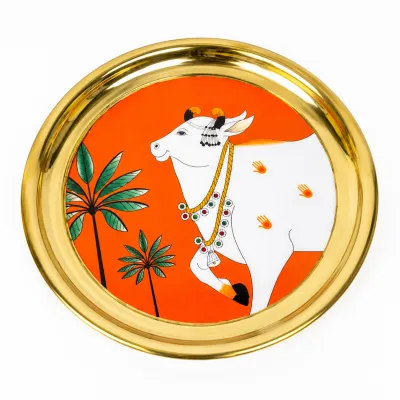
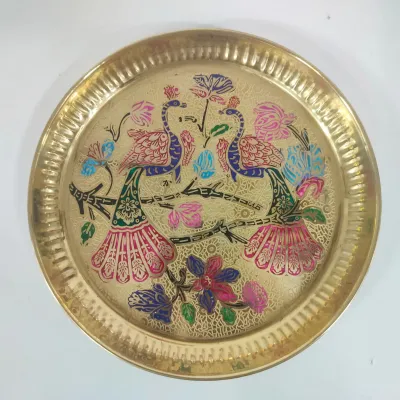
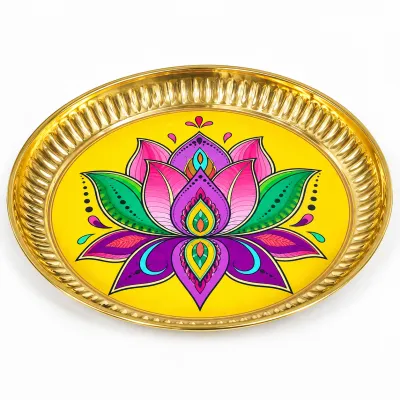
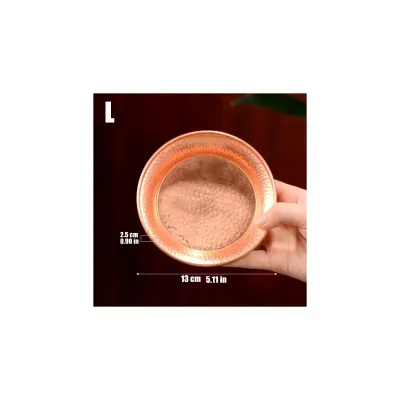
Prices are valid at publication and may change. Please refer to the product page for the latest price.
When displaying food, fruit, or tea offerings, the structural requirements shift from containment to stability and presentation. Flat brass plates or slightly raised pedestal plates, often referred to as tazza plates, are ideal for this purpose. A flat surface allows you to stack oranges, apples, or traditional pastries securely without them shifting or rolling toward the center. Pedestal plates elevate the offerings physically, which not only creates a clean visual hierarchy on a crowded altar but also makes it easier to lift and move the plates during setup and teardown. The raised base of a pedestal plate also minimizes the contact area with the altar table, reducing the risk of moisture rings or food stains damaging the underlying wood finish.
In more elaborate setups, you may need to coordinate a multi-tier arrangement that accommodates several deities, ancestors, and transient spirits simultaneously. Using varying sizes and depths of brass plates allows you to organize these offerings systematically without creating a cluttered, hazardous environment. For instance, you can place smaller, flat plates for tea cups and wine cups at the very front, medium pedestal plates for fruits and main dishes in the center, and larger, deep-rimmed plates for incense burners and candle holders toward the back. This stepped arrangement ensures that every item is clearly visible, easily accessible, and positioned safely away from active flames.
Determining the Right Size for Your Altar Space
Before purchasing any brass plate, you must accurately assess the physical dimensions of your altar table. A plate that is too large can overcrowd the space, making it difficult to maneuver around active flames, while a plate that is too small may fail to contain offerings or ash safely.
Begin by clearing your altar table and measuring the total usable surface area with a standard measuring tape. Note down the width and depth of the flat surface, keeping in mind that you must accommodate permanent fixtures such as deity statues, ancestral tablets, permanent incense burners, and flower vases. The remaining open space is your available footprint for temporary festival offerings. When planning the layout, avoid placing brass plates right up to the very edge of the table, as accidental bumps from family members or guests passing by can knock heavy metal plates and hot items onto the floor.
A critical step in sizing your brass plate is calculating a dedicated safety buffer zone around heat-generating items. Brass is an excellent conductor of heat, meaning a plate holding hot incense or placed near candles will quickly warm up. You must maintain a clear clearance zone of at least 10 to 15 centimeters between the edge of your brass plate and any highly flammable materials, such as paper joss houses, loose joss paper stacks, decorative fabric runners, or nearby window curtains. This buffer zone prevents radiant heat or stray sparks from igniting adjacent materials, ensuring your festival observances remain safe.
Proportional scaling is also vital for maintaining a respectful and balanced altar presentation. For compact household altars, which are common in modern apartments, a single large plate can visually overwhelm the space and restrict access to other ritual items. In these settings, opting for two or three smaller, coordinated plates (such as 12-centimeter and 18-centimeter sizes) is often much safer and more practical than trying to fit a single 30-centimeter plate. Conversely, on large, dedicated outdoor or communal altar tables, small plates can easily look lost and may not provide enough capacity for the volume of offerings required, making larger, heavy-duty brass platters the more appropriate choice.
Material, Finish, and Safety Checks Before Buying
With numerous decorative metal plates available on online marketplaces and in local specialty shops, verifying the material quality and safety features of your brass plate before finalizing your purchase is essential.
The first quality check is distinguishing genuine solid brass from brass-plated steel or zinc alloys. Solid brass is highly durable, possesses excellent corrosion resistance, and handles the thermal stress of hot incense and embers without warping or cracking. To verify this, check the product specifications for weight indicators; solid brass is significantly heavier than plated alternative metals of the same size. You can also perform a simple magnet test: pure brass is non-magnetic, so a magnet will not stick to it. If a magnet clings firmly to the plate, it is likely made of an iron or steel core with a thin brass coating, which may peel, rust, or discolor rapidly when exposed to heat and moisture.
Next, carefully inspect the edge finishing of the plate. High-quality brass plates undergo a deburring process during manufacturing to ensure all edges are smooth and rounded. Lower-quality alternatives often have sharp, unfinished metal edges along the rim or the underside of the base. These sharp burrs pose a direct cut hazard when you are washing the plate, carrying heavy offerings, or polishing the metal. Run your fingers cautiously along the entire perimeter and the bottom joints of the plate before use; if you detect any sharp spots, avoid using the plate or smooth them down carefully with fine-grit emery paper.
Finally, examine the design of the plate’s base to ensure it protects your altar furniture. A flat-bottomed metal plate placed directly on a polished wooden altar can easily trap moisture, cause scratches when slid across the surface, or transfer high temperatures directly to the wood grain. Look for brass plates that feature integrated raised feet or a recessed bottom rim that lifts the main body of the plate off the table surface. If you are using a flat-bottomed plate for non-heating purposes, such as holding dry fruits, you can apply small adhesive felt pads to the underside. However, for plates that will hold hot items, avoid felt or rubber pads, as they can melt or scorch; instead, place a heat-resistant ceramic tile, stone trivet, or specialized insulated mat beneath the brass plate.
Safe Placement and Maintenance During the Festival
Proper placement and ongoing maintenance of your brass plates during the Hungry Ghost Festival will preserve the beauty of your altar setup and prevent household accidents.
When arranging your altar, establish a logical placement order that prioritizes fire safety. Position your brass plates holding active incense, candles, or burning materials toward the center or back of the altar table, well away from the front edge where sleeves or hands might brush against them. Ensure that no overhead items, such as hanging lanterns, decorative paper banners, or low-hanging ceiling fans, are directly above the heat-generating plates. If your altar is located near a doorway, balcony, or open window, be mindful of wind drafts that could blow lightweight paper offerings toward the hot brass plate or scatter hot ash across the room.
Handling protocols for hot brass plates must be strictly observed by all family members. Because brass transfers heat rapidly, a plate that has held burning incense or hot offerings can remain dangerously hot long after the flame has died down. Never attempt to move, clean, or empty a brass plate immediately after use. Allow the plate to cool naturally for at least 30 to 45 minutes. If you must move a warm plate in an emergency, always use thick, heat-resistant silicone oven mitts or metal tongs, and place the hot plate immediately onto a heat-safe surface like a concrete floor or a metal tray.
Maintaining the appearance of your brass plate after the festival requires gentle, non-destructive cleaning methods. Accumulations of soot, wax drippings, and incense ash can dull the golden luster of brass and, if left untreated, can cause localized pitting or corrosion. Avoid using harsh chemical bleach, steel wool, or abrasive scouring powders, as these will scratch the soft brass surface and strip away protective finishes. Instead, wash the plate in warm water mixed with a few drops of mild dishwashing liquid, using a soft microfiber cloth or a non-scratch sponge to gently lift away soot and residue.
For stubborn wax drippings, do not scrape them off with sharp metal knives or screwdrivers, which will leave permanent gouges in the brass. Instead, pour hot water over the wax to soften it, or place the plate in a home freezer for an hour, which causes the wax to contract and pop off easily with light finger pressure. Once clean, dry the brass plate thoroughly with a soft towel to prevent water spots and tarnish. You can choose to polish the plate back to a mirror-like shine using a dedicated brass polish, or allow it to develop a natural, deep golden patina over time, which many practitioners prefer for its antique, traditional appearance.
Frequently Asked Questions (FAQ)
Can I use a regular dining plate instead of a dedicated brass plate?
While it may be tempting to use a standard ceramic or glass dining plate from your kitchen, it is not recommended for safety and structural reasons. Everyday ceramic, porcelain, and glass dinnerware are not designed to withstand the intense, localized thermal shock caused by direct contact with burning incense embers or hot charcoal. The extreme heat can cause standard household plates to crack, shatter, or split unexpectedly, potentially spilling hot ash and burning materials onto your altar table. Additionally, from a cultural perspective, dedicated brass plates are reserved exclusively for ritual purposes to maintain the purity and respect of the altar space, separating sacred offerings from everyday household dining activities.
How do I remove stubborn soot stains from the brass plate after burning joss paper?
To remove stubborn black soot stains without scratching your brass plate, create a gentle, natural cleaning paste using equal parts white vinegar, flour, and salt. Apply this paste to the affected areas of the plate and let it sit for approximately 10 to 15 minutes to break down the carbon deposits. Afterward, use a soft-bristled toothbrush or a microfiber cloth to gently scrub the stained areas in a circular motion. Rinse the plate thoroughly with warm water and dry it immediately with a clean towel. If you prefer to preserve the natural, aged patina of the brass, avoid acidic mixtures like vinegar and instead use a specialized, non-abrasive metal cleaner designed specifically to clean soot while preserving the underlying metal character.
Is it safe to place a brass plate directly on a wooden altar table?
Placing a brass plate directly on a wooden altar table is highly risky if the plate is being used to hold hot items like incense burners, candles, or burning joss paper. Brass is a highly conductive metal that transfers heat rapidly from the source to whatever surface it rests upon. This direct heat transfer can easily scorch, discolor, or crack the protective varnish and wood grain of your altar table. To prevent this damage, always use a protective barrier. Choose a brass plate with integrated raised feet to create an insulating air gap, or place a heat-resistant trivet, a ceramic tile, or a dedicated silicone heat mat underneath the plate to absorb the thermal energy and safeguard your wooden furniture.

Community discussion
Share your experience or ask a question. Comments are reviewed before publication.