
A well-chosen ceramic vase is more than a simple container for flowers; it is a sculptural element that can anchor a room’s design, introduce tactile variety, and reflect your personal taste. Selecting the perfect piece for your home requires a thoughtful approach that goes beyond merely picking an appealing shape on a shelf. To find a ceramic vase that truly complements your living space, you need to analyze your room’s existing design elements, understand how different ceramic finishes interact with your home’s lighting, and evaluate physical dimensions to ensure safety and balance.
Identify Your Current Home Decor Aesthetic
To establish a baseline for your selection, start by observing the dominant visual elements in your target room. Take note of the primary colors on your walls, the textures of your upholstery, and the structural lines of your furniture. For instance, a room filled with clean-lined, low-profile furniture presents a very different backdrop than one featuring plush, rounded seating and heavy wooden tables. In Singapore’s typical high-rise apartments, where natural light can vary significantly throughout the day, the way a vase interacts with both daylight and indoor lighting is a key consideration.
Next, distinguish between your primary design theme and any minor accent elements. If your living room is predominantly neutral but features subtle brass fixtures or green foliage, your ceramic vase can either reinforce the neutral foundation or echo those secondary accents. Finally, evaluate the overall mood of the space. A calm, airy room benefits from pieces that maintain a sense of lightness, whereas a warm, highly textured den can easily support a vase with significant visual weight and a rugged, tactile presence.
Products mentioned in this guide
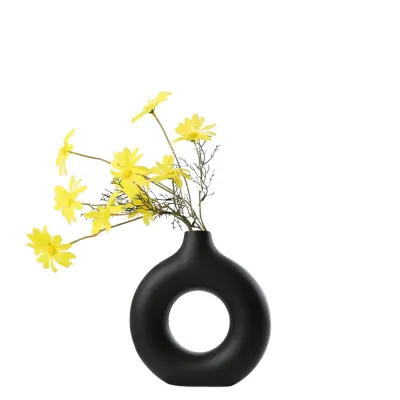
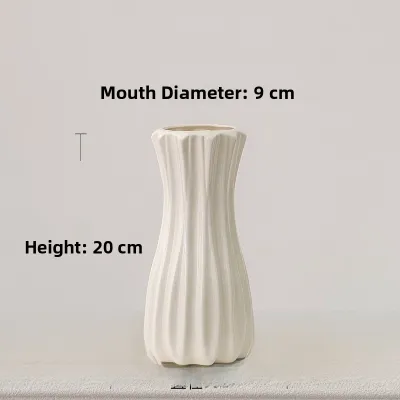
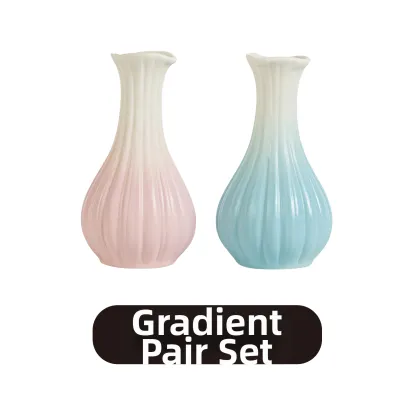
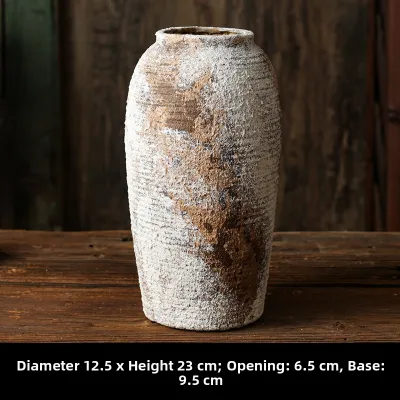
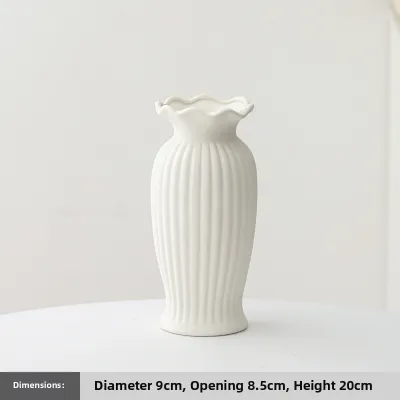
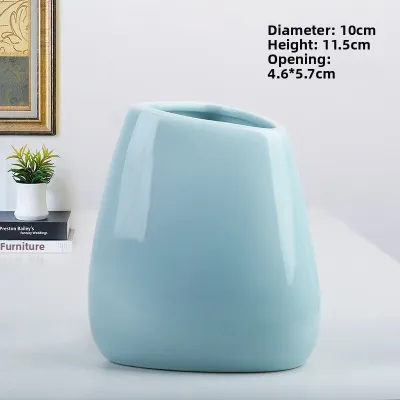
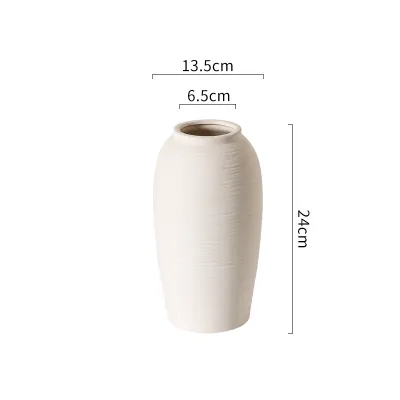
Prices are valid at publication and may change. Please refer to the product page for the latest price.
Match Ceramic Vase Styles to Your Interior Theme
Aligning a ceramic vase with your interior design theme involves understanding how its physical characteristics—specifically shape, glaze, and texture—dictate its stylistic identity. A sleek, high-gloss vase communicates a completely different design message than a rough, hand-thrown clay pot. By breaking down these physical traits, you can easily identify which pieces will harmonize with your existing decor.

It is important to remember that these stylistic categories are flexible guidelines rather than rigid rules. You do not need to match every item in your home to a single, strict design movement. In fact, mixing subtle elements from different styles often results in a more lived-in, personalized space. Use these categories as a framework to guide your choices, especially when decorating transitional spaces that bridge different rooms.
Minimalist and Modern Spaces
For clean, uncluttered environments, the ideal ceramic vase features geometric shapes, smooth finishes, and monochromatic or neutral glazes. Look for cylinders, spheres, or sharp angular forms that mirror the architectural lines of modern furniture. Matte black, stark white, or cool gray glazes work exceptionally well in these settings, as they emphasize form over surface detail. Avoid overly ornate patterns, intricate hand-painted scenes, or heavy, irregular textures that can disrupt the clean visual simplicity of a minimalist room. Instead, let the silhouette of the vase make the statement.
Rustic and Organic Interiors
If your home embraces warm, earthy, and highly textured design, look for ceramic vases that celebrate raw materials. Unglazed exteriors, exposed clay bodies, and rich, earthy tones like terracotta, ochre, and deep stone grays are perfect matches for this aesthetic. These spaces welcome asymmetrical shapes, visible throwing lines from the potter’s wheel, and handcrafted imperfections that add organic character. A rustic vase should feel connected to the earth, enhancing the cozy, tactile nature of wooden furniture, woven textiles, and natural fibers.
Scandinavian and Natural Themes
To complement light, functional, and nature-inspired interiors, prioritize ceramic vases with soft, muted colors and simple, organic silhouettes. Think matte whites, pale grays, soft sage greens, and gentle pastels that evoke a sense of calm. The shapes should be understated and soft, such as gentle teardrops or rounded bottles. In Scandinavian design, beauty and utility go hand in hand; therefore, ensure the vase feels functional rather than purely decorative. It should look just as beautiful holding a single dried botanical stem as it does standing empty on a light oak sideboard.
Oriental and Traditional Settings
Classic, heritage, or culturally inspired interiors call for ceramic vases with traditional silhouettes and rich, deep glazes. Consider classic forms like ginger jars, plum vases, or double-gourd shapes. These settings are ideal for showcasing deep celadon greens, rich oxblood reds, or classic blue-and-white hand-painted porcelain motifs. Because these vases often feature intricate details and vibrant colors, it is best to balance them with simpler surrounding furnishings. Placing a highly detailed traditional vase on a clean-lined wooden console prevents the display from feeling cluttered or overwhelming.
Evaluate Scale, Placement, and Functionality
Beyond aesthetics, the physical proportions and intended use of your ceramic vase are critical to its success in your home. Before purchasing, measure the display surface—whether it is a shallow floating shelf, a wide coffee table, or a narrow entryway console. A vase that is too large can make a shelf look cramped and pose a tipping hazard, while a vase that is too small will get lost among other decor items. As a general rule of thumb, the height of your vase should be in proportion to the furniture it sits on; a massive floor vase belongs on the ground, while a delicate bud vase is best suited for a bedside table or a small desk.
You must also consider how the vase will function. If you plan to use it to hold heavy, top-heavy floral arrangements or tall branches, you need a vase with a wide, heavy base to prevent tipping. For purely decorative, standalone displays, you have more freedom to choose delicate, top-heavy, or highly unusual sculptural forms. Additionally, pay attention to the visual weight of the glaze. High-gloss glazes reflect light, making the vase stand out and feel more prominent in the room. Matte glazes absorb light, offering a softer, more integrated look that blends easily into the background. If you plan to place a heavy ceramic vase on a high shelf or a wall-mounted ledge, always verify the shelf’s maximum weight capacity first to ensure safety.
Inspect Quality and Finish Before Buying
When selecting a ceramic vase, a close physical inspection ensures you are investing in a piece that is both durable and safe for your home. Begin by checking the entire body of the vase for hairline cracks, chips, or structural weaknesses. Run your fingers along the surface to detect any sharp, uneven glaze pooling or unexpected rough spots that could snag delicate fabrics or cut your hands during cleaning.
Next, turn the vase over to inspect the base. The bottom of a ceramic piece is often unglazed and can be highly abrasive. Ensure the base is perfectly smooth, or look for pieces that come with protective felt, cork, or silicone padding. If the base is rough, you will need to apply your own protective pads to prevent the ceramic from scratching your wooden, veneer, or glass furniture surfaces. Finally, test the weight distribution by placing the vase on a flat surface and gently nudging it. A stable vase should have its center of gravity near the bottom; if it wobbles easily or feels top-heavy when empty, it may not be suitable for high-traffic areas or homes with pets and young children.
Frequently Asked Questions (FAQ)
Can I mix different ceramic vase styles in one room?
Yes, you can successfully mix different ceramic vase styles in a single room by using a unifying element to tie them together. This could be a consistent color palette, similar clay bodies, or a shared matte finish across different shapes. Grouping your vases in odd numbers, such as clusters of three or five, creates a more natural and curated look than even pairings. By varying the heights and shapes within your group while keeping the color story cohesive, you can create an engaging display that feels intentional rather than chaotic.
Does the color of the ceramic vase need to match the wall paint?
No, your ceramic vase does not need to match your wall paint exactly. In fact, choosing a vase that matches your wall color too closely can cause it to disappear visually against the background. Instead, look for contrasting or complementary colors that create visual interest. A great strategy is to pull colors for your vases from secondary or accent tones already present in your room’s textiles, rugs, or artwork. This creates a cohesive, designer-led feel throughout the space without making the decor look overly matched or sterile.

Community discussion
Share your experience or ask a question. Comments are reviewed before publication.