
Choosing the right communion pack for your prayer altar requires balancing traditional ritual requirements with the physical constraints of your living space. A well-selected pack ensures that your daily devotions, festive observances, or specific deity venerations are conducted respectfully, safely, and without unnecessary clutter. By evaluating the specific items included, verifying material compatibility, and planning for the unique layout of your home, you can establish a harmonious worship practice that honors your traditions while maintaining a clean and safe environment.
Identify Your Worship Practice and Deity Requirements
Every spiritual tradition carries its own set of guidelines regarding offerings, colors, and materials. Before purchasing a pre-assembled communion pack, it is essential to identify the primary purpose of your altar. Daily veneration typically requires simpler, highly sustainable items such as basic incense sticks and small candles, whereas festive observances or major deity rituals often demand specialized offerings, specific colors of paper or cloth, and larger quantities of ceremonial items. Understanding these distinctions prevents the accumulation of unused materials and ensures you always have the correct items on hand for significant dates.
Consulting traditional guidelines, temple recommendations, or community elders is the most reliable way to determine the exact requirements for your specific practice. Certain deities may require vegetarian-only offerings, specific types of oil, or incense made from particular wood varieties like sandalwood or agarwood. Other practices might forbid specific colors or synthetic materials entirely. Checking these details beforehand helps you filter out packs that contain non-compliant items, saving you both time and resources.
Products mentioned in this guide
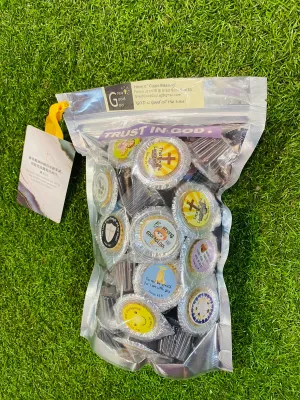
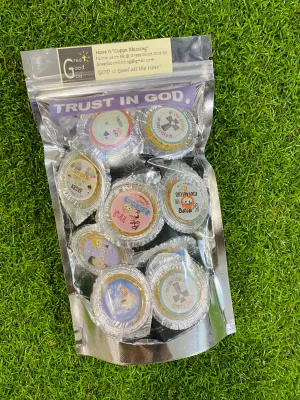

Prices are valid at publication and may change. Please refer to the product page for the latest price.
Additionally, pay close attention to any dietary or material restrictions associated with your worship. For instance, some communion packs include food offerings, oils, or wines that must meet specific purity or preparation standards. If you are unsure about the ingredients or manufacturing processes of the items in a pre-packaged set, look for options that allow you to verify the source or opt for customizable packs where you can select individual components that align perfectly with your spiritual obligations.
Evaluate Core Components of a Communion Pack
A standard communion pack typically bundles several essential items, but the quality and specifications of these components can vary significantly. Incense is often the centerpiece of daily worship, making it crucial to review the type, burn time, and smoke output of the sticks or coils included in the pack. If your altar is located in a space with limited airflow, high-smoke incense can quickly become overwhelming and leave residue on your walls and ceiling. Opt for packs that specify low-smoke or natural-ingredient incense to maintain a comfortable indoor environment.

Candles are another critical component that requires careful evaluation. Check the wax type—such as soy, beeswax, or paraffin—and the estimated burn duration to ensure they fit your ritual timeline. It is equally important to verify that the candle diameters and bases are compatible with your existing altar holders to prevent tipping hazards. For those seeking a modern, flame-free alternative, some contemporary packs feature electronic or LED candles; in these cases, always verify the voltage, battery requirements, and electrical certifications to ensure safe, long-term operation on your altar.
Beyond incense and candles, examine the auxiliary ritual items included in the pack, such as offering cups, prayer mats, or specialized cleaning cloths. The material quality of these items directly affects their durability and how easily they can be cleaned. For example, brass or ceramic offering cups are highly durable but require specific cleaning methods to prevent tarnishing or cracking. Ensure that any textile items, like prayer mats or altar cloths, are made from washable, heat-resistant fabrics that can withstand the occasional stray ash or wax spill.
Match the Pack to Your Altar Space and Safety Setup
The physical layout of your prayer altar dictates the size and quantity of the items you can safely display. Before unboxing a new communion pack, measure your altar’s surface area carefully. Overcrowding an altar with too many offering trays, incense burners, and candles not only disrupts the aesthetic harmony of the space but also increases the risk of accidental knocks or fires. Ensure there is ample clearance between active flame sources and any surrounding decorative elements.
Safety is paramount when dealing with open flames and high temperatures. Verify the heat resistance of your altar’s surface material, especially if you place incense burners or candle holders directly onto wooden or lacquered shelves. Using heat-resistant coasters, stone tiles, or metal trays beneath your burners can prevent scorching and heat damage. Additionally, maintain a safe clearance distance—ideally at least one meter—from combustible household items such as curtains, paper decorations, hanging scrolls, or wooden wall panels.
For residents living in high-density housing or enclosed apartments in Singapore, managing ventilation is a key consideration. Traditional burning practices can accumulate particulate matter indoors if airflow is restricted. Position your altar near a window or in a well-ventilated hallway where air can circulate freely. If natural ventilation is limited, consider using low-smoke incense variants or integrating a compact air purifier near the altar space to help capture airborne particles without disturbing the peaceful atmosphere of your prayers.
Plan for Restocking and Altar Maintenance
Maintaining a respectful and functional altar requires a consistent routine for restocking consumables and cleaning reusable items. Track the consumption rate of your incense, candles, and perishable offerings over a typical month. This allows you to schedule timely purchases of replacement communion packs or individual refills, ensuring you never run out of essential items right before a major festival or family prayer session.
Proper disposal of ritual waste is a fundamental aspect of altar upkeep. Follow manufacturer instructions and traditional guidelines for the safe disposal of cooled ash, wax residue, and leftover food or liquid offerings. Avoid pouring hot wax down household drains, as this can cause severe blockages. Instead, allow the wax to cool and solidify completely before scraping it into a designated waste bin.
Regularly inspect your reusable altarware, such as metal burners, ceramic cups, and decorative stands, for signs of wear, structural cracks, or tarnishing. Damaged items should be repaired or replaced promptly to maintain both the safety and the dignity of your worship space. Keeping a dedicated microfiber cloth and mild, non-abrasive cleaning agents near your altar makes daily maintenance quick and straightforward.
Frequently Asked Questions (FAQ)
Can I use a standard communion pack for multiple different deities?
Yes, general communion packs containing basic items like standard incense and neutral-colored candles are often suitable for daily worship across various traditions. However, specific deities or major festivals may require distinct offerings, unique incense scents, or specific candle colors that are not included in a generic pack. Always consult your specific tradition’s guidelines to determine when a specialized pack is necessary.
How do I safely manage incense smoke in a small apartment?
To manage incense smoke safely in a compact apartment, prioritize low-smoke or smokeless incense varieties. Ensure the altar is placed in an area with active cross-ventilation, such as near an open window or balcony door. Utilizing a home air purifier equipped with a HEPA and activated carbon filter near the worship space can also significantly reduce indoor smoke and odor accumulation.

Community discussion
Share your experience or ask a question. Comments are reviewed before publication.