
Choosing the ideal curtain lights for your bedroom window in Singapore requires balancing cozy aesthetics with practical safety and structural compatibility. Because bedroom windows serve as prominent focal points in many local apartments, the right lighting setup must fit the physical dimensions of your window frame, match your interior decor, and operate safely alongside fabrics like curtains or sheers. By focusing on key specifications such as color temperature, power source safety, and precise measurements, you can create a relaxing sanctuary without compromising on electrical safety or convenience.
Whether you live in a high-rise HDB flat, a condominium, or a landed home, the unique layout of your bedroom window will dictate the type of lighting that works best. Factors like tropical humidity, the proximity of electrical outlets, and the presence of air conditioning all play a role in how your lights perform over time. Taking a systematic approach to evaluating these products ensures that your investment not only looks stunning but also remains a safe, durable addition to your home.
Key Factors for Choosing Bedroom Curtain Lights
When selecting curtain lights for a bedroom, the primary goal is to create a soothing, comfortable environment that supports relaxation and sleep. The color temperature of the LEDs is one of the most critical factors influencing this atmosphere. Light color temperature is measured in Kelvin (K), with lower numbers representing warmer, more yellow light, and higher numbers representing cooler, bluer light. For a bedroom, warm white lights (typically between 2700K and 3000K) are highly recommended because they mimic the soft, gentle glow of sunset. This warm illumination helps signal to your body that it is time to wind down, supporting healthy sleep hygiene and melatonin production. In contrast, cool white lights (5000K and above) emit a crisp, bright light that can feel clinical or overly stimulating in a sleeping space, potentially disrupting your natural sleep cycle.
Products mentioned in this guide
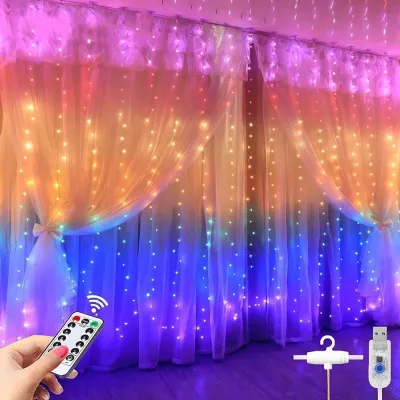
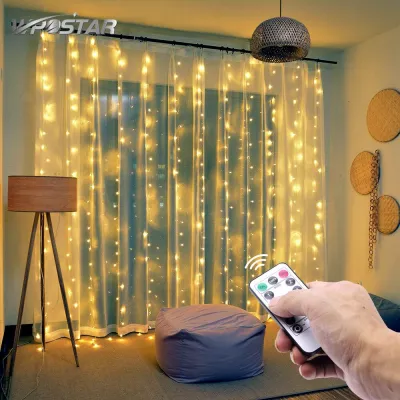
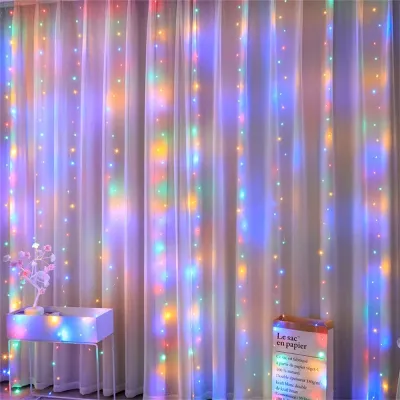
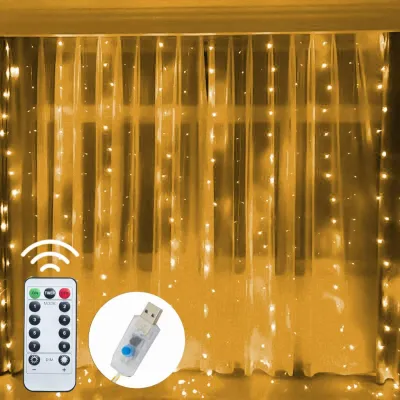
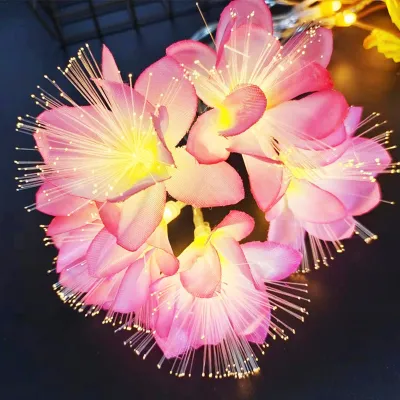
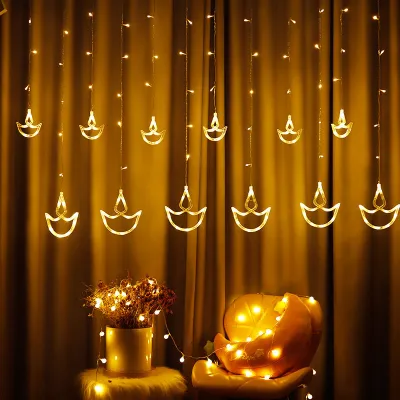
Prices are valid at publication and may change. Please refer to the product page for the latest price.
LED density and overall brightness also play a major role in the visual impact of your curtain lights. LED density refers to how closely the individual bulbs are spaced along each vertical strand, as well as how close the strands are to one another. A high-density setup creates a rich, continuous “wall of light” that looks luxurious and cohesive. However, if the individual bulbs are too bright, this dense arrangement can cause glare and eye strain, especially in a dark bedroom. To avoid this, look for curtain lights that offer adjustable brightness levels or have a lower lumen output per bulb. This allows you to customize the intensity of the light to suit different times of the evening, transitioning from a brighter setting for reading to a soft, low-level glow for winding down.
The variety of lighting modes and the presence of a memory function are additional features that affect daily usability. Many curtain lights come with controllers that offer multiple dynamic modes, such as steady-on, slow fade, twinkling, chasing, and rapid flashing. While dynamic modes can be fun for festive occasions, gentle fading or steady-on modes are generally the most suitable for a relaxing bedroom environment. A crucial but often overlooked feature is the memory function. Lights equipped with a memory chip will remember your last selected mode even after being turned off. Without this function, the lights will default to their factory setting—which is often a distracting, rapid flashing sequence—every time you turn them on, forcing you to manually cycle through the modes to find your preferred setting.
Matching Light Specs to Your Window Size and Decor
To achieve a polished, professional look, it is essential to match the physical specifications of the curtain lights to the dimensions of your bedroom window. Start by measuring the width of your window frame or curtain rod using a standard measuring tape. If you want a full, gathered look where the light strands drape closely together, select a main horizontal string that is slightly wider than your window. This allows you to gather the strands slightly, creating a richer visual effect. For a clean, modern, and minimalist look, choose a main string that matches the exact width of the window frame, ensuring the vertical strands hang straight down without overlapping.

Calculating the drop length, or the vertical height of the light strands, is equally important for both aesthetics and functionality. Measure the distance from your mounting point—whether that is the curtain rod, the window frame, or the ceiling—to the point where you want the lights to end. It is vital to ensure that the strands do not drag or pool on the floor or windowsill. Excess wire resting on surfaces can accumulate dust, get tangled in vacuum cleaners, or present a tripping hazard. Ideally, the vertical strands should hover a few centimeters above the floor or windowsill. This spacing also ensures that the lights do not obstruct window handles, latches, or sliding mechanisms, allowing you to open and close your windows easily.
The color of the wire holding the LEDs is another design element that significantly impacts how the setup looks during the day when the lights are turned off. Clear or silver copper wires are highly versatile and blend seamlessly with sheer white curtains, light-colored walls, and modern decor. White insulated wires work exceptionally well against white window frames or light-colored blinds, making the wiring almost invisible. If you have dark-colored drapes, industrial-style metal window frames, or a moody bedroom color scheme, dark green or black wires are the best choice to ensure the installation looks neat and integrated rather than messy and distracting.
Power, Safety, and Installation Checks for Indoor Use
Electrical safety should always be your top priority when installing decorative lighting in a bedroom. In Singapore, the standard domestic voltage is 230V at a frequency of 50Hz, utilizing Type G three-pin plugs. When shopping for curtain lights, always verify that the power adapter is designed to handle this voltage and matches the local plug standard. Avoid using uncertified travel adapters or daisy-chaining multiple extension cords, as these practices can lead to loose connections, short circuits, and potential electrical hazards.
The choice of power source—whether USB-powered, plug-in, or battery-operated—depends on the layout of your bedroom and your cable management preferences. USB-powered curtain lights are highly popular because they operate on low voltage (typically 5V) and can be powered by standard USB wall chargers, power banks, or even smart plugs. This low-voltage operation makes them exceptionally safe for indoor use. Plug-in models connected directly to mains power generally provide more consistent brightness over long periods but require a nearby wall outlet. If your window is far from an outlet, you may need to run extension cords, which can look untidy. Battery-operated sets offer maximum portability and eliminate trailing cables entirely, but they require frequent battery replacements if you plan to use the lights daily, making them less environmentally friendly and more expensive to maintain over time.
Before purchasing, verify that the product carries recognized safety certifications. In Singapore, mains-powered electrical controllers and adapters should ideally carry the Enterprise Singapore Safety Mark, which indicates that the product has been tested and certified safe for local domestic use. Because curtain lights are often placed in direct contact with or close proximity to flammable fabrics like curtains, blinds, and bedding, checking heat emission limits is crucial. High-quality LED lights are highly efficient and emit virtually no heat, making them safe to touch and safe to use alongside fabrics. However, always ensure that the product specifications explicitly state low-voltage operation and low heat emission to guarantee peace of mind.
Planning a damage-free hanging method is essential, especially if you are renting your home or want to protect your paintwork and window frames. To avoid drilling into concrete walls or wooden frames, use high-quality adhesive hooks designed for indoor use. Before applying the adhesive, clean the surface thoroughly with rubbing alcohol and allow it to dry completely to ensure a strong bond. For a completely tool-free and hardware-free installation, you can wrap the main horizontal string of the curtain lights around your existing curtain rod, or use a lightweight tension rod mounted inside the window recess to hang the lights independently of your curtains.
Building Your Shortlist: How to Evaluate and Shop
When you are ready to build your shortlist and shop for curtain lights, a structured evaluation process will help you avoid low-quality products and ensure you get exactly what you need. Start by checking the Ingress Protection (IP) rating of the lights. Although these lights are intended for indoor use, bedroom windows in Singapore are frequently left open to enjoy natural ventilation. This exposes the lights to high humidity, condensation from air conditioning, and occasional rain splashes during sudden tropical downpours. An IP44 rating is highly recommended for window-mounted lights, as it indicates protection against solid objects larger than 1mm and water splashes from any direction, ensuring the lights remain durable and safe in a humid environment.
Always verify the actual LED count and the physical spacing of the strands against the seller’s description. Some low-cost options may look dense in promotional photos but turn out to be sparse and poorly distributed in reality. A high-quality set of curtain lights will clearly state the number of vertical strands, the number of LEDs per strand, and the exact spacing between them. Reading customer reviews and looking at user-uploaded photos on online marketplaces is an excellent way to verify these details and assess the true build quality of the wires and connectors before making a purchase.
When browsing online marketplaces or visiting local lighting retailers, pay close attention to the seller’s rating, return policies, and warranty terms. A reputable seller should offer a clear return window and a warranty of at least a few months, which protects you in case the lights have defective LEDs or a faulty controller. Avoid buying from unverified sellers with extremely low prices and no return policy, as these products often lack basic safety features and may fail after only a few uses.
Finally, consider whether you want to integrate your curtain lights into a smart home ecosystem or use automated scheduling. If you prefer a simple setup, look for lights with a built-in timer function, which typically keeps the lights on for 6 hours and off for 18 hours on a repeating daily cycle. For more advanced control, choose smart-enabled curtain lights that connect to your home Wi-Fi or Bluetooth. These models allow you to adjust brightness, customize color patterns, and set precise schedules using a smartphone app or voice commands through compatible smart home assistants, making it easy to integrate your window lighting into your daily morning and bedtime routines.
Frequently Asked Questions (FAQ)
Can I leave curtain lights on overnight?
It is generally not recommended to leave curtain lights on overnight while you are sleeping, even though high-quality LED lights emit very little heat. Adhering to manufacturer guidelines for unattended use is a fundamental safety practice. Continuous operation over many hours can put unnecessary strain on the power adapter and controller, increasing the risk of electrical malfunction. To enjoy the ambient glow as you fall asleep without leaving the lights on all night, utilize the built-in timer function found on many modern curtain light controllers. Setting the timer to automatically turn the lights off after two to six hours ensures safety, conserves energy, and extends the overall lifespan of your LED bulbs.
How do I clean curtain lights without damaging the wires?
Cleaning your curtain lights regularly prevents dust buildup, which can dim the light output and look unsightly. Before performing any maintenance, always unplug the lights from the power source or remove the batteries to eliminate any risk of electrical shock. Use a dry, soft microfiber cloth or a clean, soft-bristled brush to gently wipe down the wires and individual LED bulbs. Never use liquid cleaners, wet wipes, or chemical sprays, and never submerge any part of the lights, controller, or adapter in water, as moisture can easily penetrate the wire seals and cause permanent damage or short circuits. If there are stubborn spots, a slightly damp cloth may be used on the exterior plastic parts only, ensuring the lights are completely dry before plugging them back in.
Are curtain lights safe to use with sheer curtains?
Yes, curtain lights are generally safe to use with sheer curtains, provided you follow basic safety precautions and use high-quality LED lights. LEDs are highly efficient and produce minimal heat compared to traditional incandescent bulbs, making them safe to place near lightweight fabrics. However, because sheer curtains are often made of highly flammable synthetic materials like polyester, it is crucial to maintain a small air gap between the light strands and the fabric to allow for proper air circulation and heat dissipation. Always ensure that the lights are operating on a low-voltage system (such as 5V USB or a certified 24V/31V adapter) and avoid using damaged wires or bulbs that could spark.

Community discussion
Share your experience or ask a question. Comments are reviewed before publication.