
When selecting a diya (oil lamp) for a Buddhist home altar in Singapore, the ideal choice balances fire safety, ease of maintenance, and the physical constraints of modern high-rise living. For most households, a solid brass diya or a high-temperature borosilicate glass diya with a wide, heavy base represents the most practical and safe option. These materials withstand the heat of daily use, are straightforward to clean, and offer the physical stability required in compact living spaces.
Setting up a home altar is a deeply personal process, but it also requires careful practical planning. In Singapore’s typical residential layouts, such as Housing & Development Board (HDB) flats and condominiums, managing open flames, heat, and smoke is just as important as preserving the aesthetic harmony of your sacred space. By understanding how different materials, sizes, and designs perform, you can choose a diya that enhances your daily practice while keeping your home safe.
Understanding the Role of the Diya in Buddhist Offerings
In Buddhist practice, the offering of light holds profound symbolic meaning. The flame of the diya represents the light of the Dharma, symbolizing wisdom (prajna) and the dispelling of the darkness of ignorance (avidya). As the oil and wick are gradually consumed, the burning lamp also serves as a visual reminder of impermanence (anicca), encouraging practitioners to reflect on the transient nature of all conditioned things.
Products mentioned in this guide
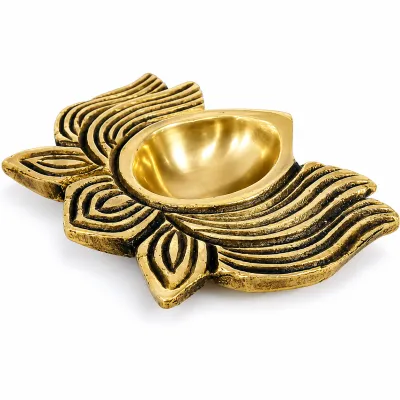
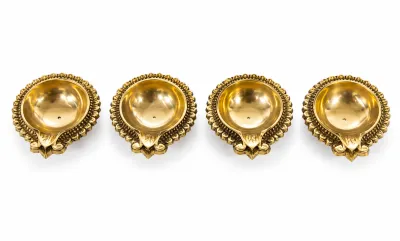
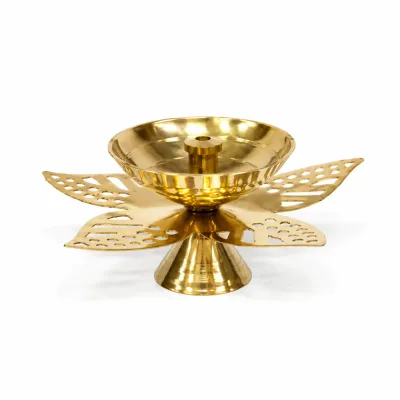
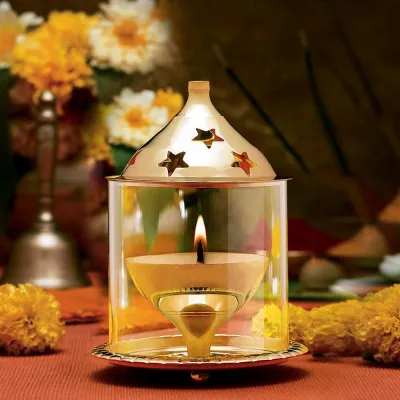
![Partyforte Deepavali 9 PCS Red Clay Diya (5 CM) [LOCAL SELLER FAST DELIVERY!] Great for Diwali and Prayers!](https://img.lazcdn.com/g/p/61badae45e509f7c4bf171dd2af536d0.jpg_400x400q80.jpg_.webp)
Prices are valid at publication and may change. Please refer to the product page for the latest price.
While traditional texts emphasize the purity and sincerity of the offering, they do not dictate a single rigid material or design for the vessel. This allows modern practitioners to choose a diya that aligns with their personal aesthetic preferences and practical household needs. Whether you prefer a minimalist contemporary look or a highly ornate traditional design, the primary focus should remain on the safety and cleanliness of the setup.
Your daily worship routine will largely dictate the type of diya you need. If your practice consists of lighting the lamp only during morning or evening chanting sessions, a small, temporary offering vessel is highly suitable. Conversely, if you wish to maintain a continuous light during auspicious days or festivals, you will require a specialized, high-capacity vessel designed for long-term, unsupervised burning.
Comparing Diya Materials for Durability and Maintenance
Brass and Copper
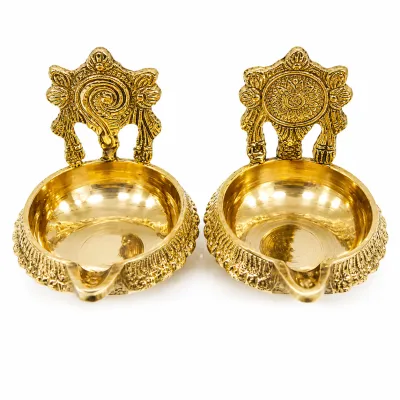
Brass and copper are the most traditional metals used for Buddhist altar implements. They offer a classic, warm aesthetic that complements traditional statues and offering bowls. Brass is highly durable and resistant to cracking, making it an excellent long-term investment for a home altar.

Over time, both brass and copper naturally develop a dark patina due to exposure to air, heat, and oil. While some practitioners appreciate this aged look, maintaining a bright, reflective shine requires regular polishing. You will need to clean these metals periodically using specialized metal polishes or traditional natural mixtures, such as tamarind paste or lemon juice mixed with salt. Additionally, metal conducts heat rapidly, so you must ensure the diya has a thick, insulated base or sits on a heat-resistant coaster to protect your altar surface.
Ceramic and Clay
Clay diyas, often made of terracotta, are widely available and offer a rustic, grounded appearance. However, unglazed clay is highly porous and will absorb oil over time. This absorbed oil can seep through the bottom of the vessel, staining your altar wood and creating a potential fire hazard as the entire vessel becomes saturated with fuel.
Glazed ceramic diyas solve this issue by providing a non-porous barrier that prevents oil absorption. They are available in a wide variety of colors and designs, making it easy to match your altar’s color scheme. The main drawback of ceramic is its fragility; a single drop can chip or shatter the vessel. Furthermore, low-quality ceramics may crack under the intense localized heat of a flame if the glaze is unevenly applied.
Glass and Crystal
Glass and crystal diyas have become increasingly popular in modern Singaporean homes due to their clean, minimalist aesthetic. The primary practical advantage of glass is transparency, which allows you to monitor the oil level at a glance. This prevents the wick from burning dry, which can damage the wick holder and produce heavy black soot.
When choosing a glass diya, it is critical to verify that the material is high-temperature borosilicate glass. Standard glass can easily shatter due to thermal shock when exposed to an open flame. Borosilicate glass resists thermal expansion, offering the safety and durability required for daily use. Glass is also exceptionally easy to clean, as oil residue and carbon buildup can be wiped away easily with warm water and mild soap.
Material Verification
Before purchasing any diya, check the manufacturer’s labels or product specifications to verify material purity. Avoid cheap metal alloys that may contain lead or toxic surface coatings, as these can release harmful fumes when heated by the flame. Ensure that any painted or glazed finishes are rated as heat-resistant and safe for indoor use.
Sizing the Diya for HDB and Condo Altar Spaces
Measuring Your Altar Space
Singaporean apartments often feature compact living areas, meaning home altars are frequently integrated into built-in wall niches, mounted shelves, or compact cabinets. Before selecting a diya, measure the available shelf space carefully. Pay close attention to vertical clearance; an open flame requires a safe distance from overhead structures to prevent heat damage.
As a general safety guideline, maintain at least 30 to 50 cm of clear vertical space above the flame. This area must be completely free of wooden cabinets, plaster ceilings, hanging scrolls, or decorative fabrics. If your altar is housed inside a recessed cabinet, a low-profile diya with a short flame height is essential to prevent heat buildup within the enclosed space.
Balancing Oil Capacity and Burn Time
The physical size of the diya directly determines its oil capacity, which in turn dictates how long the lamp will burn. A small diya holding 10 to 20 ml of oil is perfect for a short daily chanting session, typically burning for 1 to 2 hours before naturally extinguishing. This is highly practical for busy households where the flame should not be left unattended.
If you prefer a lamp that burns for an extended period, you will need a larger vessel holding 50 to 100 ml of oil. However, larger capacities mean a larger physical footprint on your altar. You must balance your desire for a longer burn time with your willingness to supervise the flame and the physical space available on your altar shelf.
Visual Proportion and Layout
Your diya should harmonize visually with the other items on your altar. It should not dwarf your central Buddha statue or image, nor should it be so small that it is obscured by water offering cups or incense burners. A balanced layout typically places the diya symmetrically in front of or alongside the central image.
In compact HDB altar setups, a single, medium-sized diya placed centrally often looks more balanced than a pair of large lamps. For larger, dedicated altar rooms in condominiums or spacious flats, a matching pair of taller, chalice-style brass or glass diyas can create a beautiful, formal frame for the central deity.
Indoor Safety, Stability, and Cleaning Routines
Ensuring Physical Stability
When burning oil indoors, preventing accidental tipping is the single most important safety consideration. Evaluate the base width and center of gravity of any diya before buying. The base of the lamp should be wide, flat, and heavy, ideally matching or exceeding the diameter of the oil reservoir.
Avoid top-heavy designs or those with narrow, spindly pedestals, especially if your altar is located in a high-traffic area of the home. If you have active family members, frequent visitors, or live in an area prone to minor vibrations, a low-profile, heavy brass or solid glass diya offers the best physical stability.
Minimizing Smoke, Soot, and Spills
To keep your home clean and maintain healthy indoor air quality, look for diyas designed to minimize smoke and oil spillage. A well-designed diya features a secure, central wick holder that keeps the wick perfectly upright and centered. If the wick drifts to the side, it can overheat the vessel wall, causing uneven burning, heavy soot, and potential cracking in glass or ceramic.
Some modern diyas include a built-in outer rim or a matching under-tray. This tray catches any accidental oil drips during refilling or minor spills if the lamp is bumped, protecting your altar wood from permanent oil stains. To minimize soot, ensure the wick is trimmed to a short length (around 3 to 5 mm) before lighting.
Step-by-Step Cleaning Routine
Regular cleaning is essential to prevent the buildup of sticky, rancid oil residue and black carbon on your diya. Follow these steps to clean your vessel safely:
- Cooling: Allow the diya and any remaining oil to cool completely before handling.
- Disposal: Pour any leftover oil into a designated waste container. Never pour oil down your kitchen sink, as it will solidify and cause severe plumbing blockages in your home.
- Wiping: Use a dry paper towel to wipe away loose carbon buildup from the wick holder and the interior walls of the vessel.
- Washing: Wash the vessel with warm water and a mild, grease-cutting dishwashing liquid. Use a soft sponge; avoid abrasive scouring pads, which can scratch glass, rub off ceramic glazes, or dull polished brass.
- Drying: Dry the diya thoroughly with a soft cloth before refilling it with oil. Moisture left inside the reservoir can cause the oil to sputter and pop when lit.
When to Replace Your Diya
Inspect your diya regularly for signs of wear and tear. You must stop using the vessel and replace it immediately if you detect any hairline cracks in glass or ceramic, severe pitting or corrosion in metal, or if the wick holder becomes loose and can no longer hold the wick securely upright. Operating a damaged diya significantly increases the risk of oil leaks and fire.
Aligning the Diya With Your Daily Worship Routine
Short-Burn Daily Offerings
For practitioners who light a lamp only during morning or evening prayers, a small, shallow brass or glazed ceramic diya is highly practical. These designs hold a small amount of oil, meaning the flame will extinguish naturally shortly after you complete your practice. They cool down rapidly, allowing you to clean and reset the altar quickly before leaving for work or going to bed.
Long-Burn and Festival Setups
If you wish to keep a lamp burning for several hours during special occasions, such as Vesak Day or lunar calendar feast days, select a deep, high-capacity glass or heavy brass chalice-style diya. These lamps should feature a protective glass chimney (windshield). The chimney protects the flame from indoor drafts caused by ceiling fans or air conditioning units, ensuring a steady, safe burn and preventing accidental drafts from blowing the flame onto nearby objects.
Adapting for Households with Children and Pets
If you have young children or free-roaming pets, such as cats, an open flame on an accessible altar poses a significant safety hazard. In these environments, you must take extra precautions. Consider placing your diya inside a secure, well-ventilated glass lantern box that prevents direct contact while still allowing the light to shine through.
Alternatively, evaluate whether switching to a high-quality, realistic LED diya is a safer option for daily use. Many modern Buddhist families in Singapore utilize LED candles or lamps for their daily altar setup to eliminate fire risks entirely, reserving traditional oil-burning diyas for special, highly supervised ritual occasions.
Frequently Asked Questions (FAQ)
Can I use standard cooking oil or ghee in any diya?
No, you should not use any oil without checking your diya’s design and wick specifications. Ghee (clarified butter) is highly traditional and offers a pleasant aroma, but it solidifies at room temperature, especially in air-conditioned Singaporean homes. To burn ghee successfully, you need a thicker cotton wick and a vessel that can withstand the heat required to keep the ghee liquefied around the flame.
Standard vegetable oils, such as canola or peanut oil, burn well but can produce more soot and leave a sticky residue that is difficult to clean. Liquid paraffin (lamp oil) burns very cleanly with minimal smoke, but it has a lower viscosity and requires a specialized, non-porous glass or metal diya with a precise wick holder. Always check the manufacturer’s guidelines to ensure your chosen fuel is compatible with your specific diya design.
How do I safely extinguish a diya without damaging the wick or vessel?
To extinguish your diya safely, use a small metal wick snuffer or a pair of metal tweezers to gently submerge the burning tip of the wick into the oil pool, then immediately pull it back up into an upright position. This action extinguishes the flame instantly without producing smoke, soot, or unpleasant odors, and it primes the wick with oil for its next use.
Avoid blowing out the flame directly. Blowing on the lamp can cause hot oil droplets to splatter onto your face, hands, or the altar surface, creating a safety hazard and staining your decor. It also scatters fine soot into the air and can damage the structure of the wick, making it difficult to relight. Always allow the vessel and the remaining oil to cool completely before touching, cleaning, or refilling the lamp.

Community discussion
Share your experience or ask a question. Comments are reviewed before publication.