
Choosing the right downlights for your home involves matching specific technical parameters—such as beam angle, color temperature, brightness, and moisture resistance—to the unique function of each room. Rather than installing a single type of ceiling light throughout your entire layout, selecting tailored specifications for your living spaces, kitchens, bathrooms, and bedrooms ensures optimal comfort and utility. By learning to read manufacturer labels and understanding how these factors interact with your home’s architecture, you can create a safe, efficient, and visually balanced lighting scheme.
Decoding Downlight Specifications for Your Ceiling Lighting
To select the correct ceiling lights, you must first understand the technical specifications printed on product packaging. These metrics dictate how the light behaves, how much energy it consumes, and where it can be safely installed.
The beam angle determines how widely the light spreads from the fixture. A narrow beam angle (typically between 15 and 30 degrees) concentrates light into a tight, focused spotlight, which is effective for highlighting specific features or tasks. A wide beam angle (60 degrees or more) disperses light across a broader area, making it suitable for general ambient illumination.
Products mentioned in this guide
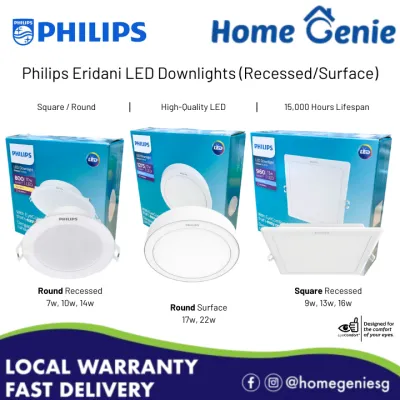
![[Climate Voucher] PHILIPS 3 Color Meson LED Downlight 5.5W 9W 13W 17W Tri Tone Scene Switch for False Ceiling Local Warranty](https://img.lazcdn.com/g/p/4f25f6fa6bf4fcf754b08b97b4102da3.jpg_400x400q80.jpg_.webp)
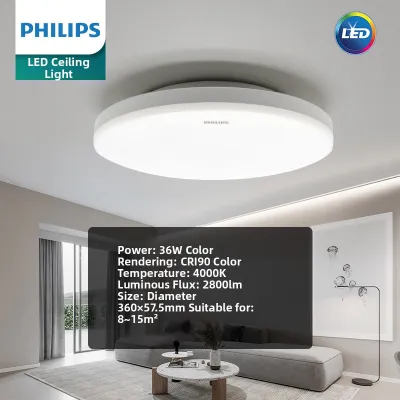
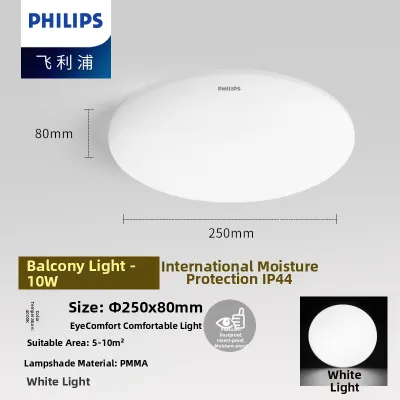
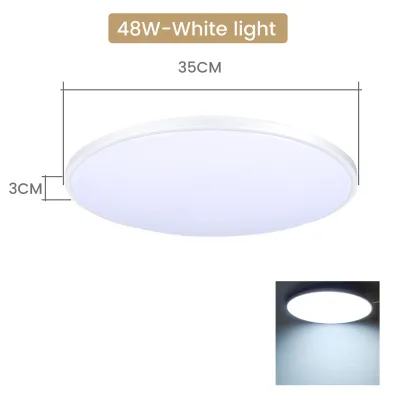
Prices are valid at publication and may change. Please refer to the product page for the latest price.
Color temperature is measured on the Kelvin (K) scale and describes the warmth or coolness of the light. Lower numbers, such as 2700K to 3000K, produce a warm, yellowish glow that mimics traditional incandescent bulbs. Higher numbers, such as 4000K to 6500K, emit a cool, bluish-white light that resembles daylight and enhances alertness.
Brightness is indicated by lumen output rather than wattage. While wattage measures electrical power consumption, lumens measure the actual amount of visible light emitted. When comparing modern LED ceiling lights, looking at the lumen-to-watt ratio helps you identify energy-efficient options that deliver sufficient brightness for your space.
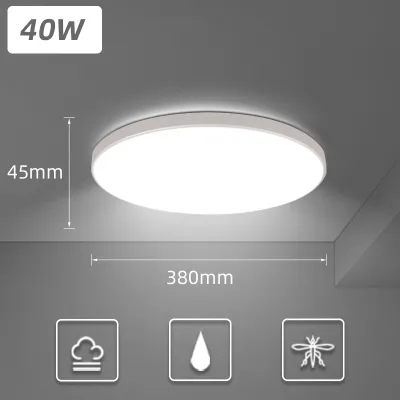
Ingress Protection (IP) ratings indicate how well the fixture resists dust and moisture. An IP rating consists of two digits: the first represents protection against solid objects, and the second represents protection against liquids. For standard dry rooms, a basic IP20 rating is common, whereas wet areas require higher liquid protection levels specified by local building guidelines.
Living Rooms and Bedrooms: Prioritizing Comfort and Ambiance
Living rooms and bedrooms serve as spaces for relaxation, socializing, and winding down. The ceiling lights in these areas should support a calm atmosphere while remaining adaptable to different times of day.

Warm color temperatures, typically ranging from 2700K to 3000K, are highly suited for these resting areas. This warm spectrum helps create a cozy, inviting environment that signals the body to relax in the evening.
To achieve even, shadow-reducing ambient lighting, opt for downlights with wide beam angles of 60 degrees or more. Spacing these fixtures evenly across the ceiling prevents harsh glare and ensures the entire room feels consistently illuminated without dark corners.
You can also incorporate narrower beam angles strategically to add depth and visual interest. Positioning a few focused downlights near artwork, textured feature walls, or bookshelves highlights these architectural elements without overpowering the room’s relaxed mood.
Always check product specifications for dimmable compatibility before purchasing. Dimmable downlights allow you to adjust the brightness levels to suit different activities, from hosting guests to watching a movie, provided you pair them with a compatible dimmer switch recommended by the manufacturer.
Kitchens and Dining Areas: Balancing Task and Ambient Light
Kitchens and dining areas require a careful balance of high-visibility task lighting for food preparation and softer, more comfortable lighting for enjoying meals.
For task-heavy zones like countertops, sinks, and cooking ranges, neutral to cool color temperatures between 4000K and 5000K are beneficial. This range enhances visibility, improves contrast, and helps you accurately assess food freshness and color during preparation.
Position downlights with medium to narrow beam angles directly over work surfaces to minimize shadows. Placing these fixtures strategically above your kitchen island or prep counters ensures that your body does not block the light while you work.
When planning the brightness of these work areas, consult the manufacturer’s guidelines for recommended lumen outputs. Task areas generally require higher lumen levels per square meter than general living spaces to ensure safe knife handling and precise cooking.
In adjacent dining zones, transition to softer, wider-beam ambient lighting with warmer color temperatures. This separation of lighting zones allows you to maintain a bright, functional workspace in the kitchen while keeping the dining experience relaxed and comfortable.
Bathrooms and Wet Areas: Navigating Moisture and Safety
Bathrooms present unique challenges due to high humidity, steam, and direct water exposure. Selecting downlights for these spaces requires strict adherence to safety standards and moisture-resistance ratings.
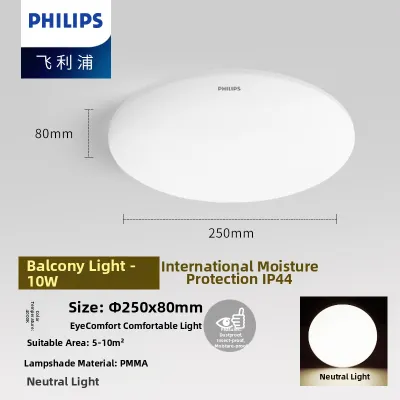
Before purchasing, verify the required IP rating on the product label for the specific zone of your bathroom. Areas directly above a shower or bathtub typically require a minimum of IP44 or IP65 protection to prevent water ingress from steam or splashes.
Always consult the manufacturer’s instructions for explicit installation limits, clearance requirements, and structural compatibility. High-humidity environments can accelerate wear on electrical components if the fixtures are not rated for damp locations or if insulation clearances are ignored.
For any fixed wiring, structural modifications, or if you are uncertain about wet-area compliance, stop and consult a qualified electrician. Professional installation ensures that your ceiling lights comply with local electrical safety codes and prevent hazardous short circuits.
To balance safety with utility, choose a neutral color temperature around 4000K for grooming areas near mirrors. This provides clear, natural light for shaving or applying makeup, while warmer ambient downlights can be used on a separate switch to create a spa-like atmosphere during a bath.
Cross-Room Compatibility and Smart Lighting Integration
When planning a whole-home lighting project, you must decide whether to use a unified downlight model throughout the house or customize fixtures for each room.
Using a single, uniform downlight specification across all rooms simplifies procurement and ensures visual consistency in your ceilings. However, this approach often sacrifices the functional benefits of room-specific tuning, such as having brighter, cooler light in the kitchen and warmer, softer light in the bedroom.
Smart downlights offer a versatile solution by allowing you to adjust color temperature and brightness via an app or smart home system. Before investing in smart fixtures, check their compatibility with your existing wall switches, dimmers, and electrical wiring, as some smart bulbs require continuous power and do not function correctly with traditional dimming switches.
Review the product manuals carefully to understand any hub requirements, network conditions, or app integration limits. Some smart systems rely on a central bridge or a robust Wi-Fi network to function reliably, which is an important consideration for larger homes or concrete-walled apartments.
Adjustable color temperature models, often called tunable white downlights, provide high flexibility for multi-use spaces. However, consider the operational trade-offs, such as higher initial costs and the complexity of managing settings, to determine if these systems align with your daily routine.
Frequently Asked Questions (FAQ)
How Many Downlights Do I Need per Room?
To determine the number of downlights needed, use your room’s square footage and ceiling height as baseline variables. Higher ceilings generally require fixtures with narrower beam angles or higher lumen outputs to project light effectively to the floor.
Always check the manufacturer’s spacing guidelines to ensure uniform light distribution. A common rule of thumb is to space downlights approximately half the distance of your ceiling height apart, adjusting the layout to avoid casting shadows in corners or over key furniture pieces.
Finally, adjust the total quantity based on other light sources in the room. If you plan to use floor lamps, wall sconces, or pendant lights, you can reduce the number of ceiling downlights to avoid over-illuminating the space.
Can I Use the Same Downlights for Ceilings and Walls?
You must check the product label and user manual to verify if a downlight is approved for wall mounting. Standard ceiling downlights are designed for horizontal installation, and mounting them vertically can affect their thermal dissipation and structural stability.
Beam angles and light spread behave differently on vertical surfaces. A fixture designed to cast light downward may create harsh glare or uneven hot spots when mounted on a wall, disrupting the visual comfort of the room.
Additionally, verify the IP ratings and thermal requirements if you plan to wall-mount a fixture in a wet area or outdoors. Wall-mounted installations are often more exposed to direct moisture and dust, requiring higher protection levels than standard ceiling-mounted units.

Community discussion
Share your experience or ask a question. Comments are reviewed before publication.