
Selecting the perfect E27 ceiling holder is more than a matter of finding a socket that matches your light bulb. The right holder ensures your lighting fixture remains structurally secure, aligns with your room’s spatial proportions, and operates safely within your home’s electrical limits. By evaluating your ceiling height, structural constraints, and specific light distribution needs, you can easily identify whether a low-profile flush mount, an elegant hanging pendant, or a highly adjustable track adapter will serve your space best.
Before purchasing any new lighting hardware, always check the applied product’s label and the treated item’s manufacturer instructions. If instructions conflict, the item is unidentified, or the use is not covered, stop and consult the manufacturer or a qualified professional. Taking a systematic approach to your room’s layout and electrical requirements will save you time, prevent installation hazards, and ensure your space is beautifully illuminated.
Assess Your Room Layout and Ceiling Constraints
Your physical environment is the most critical starting point when choosing an e27 ceiling holder. The height of your ceiling directly dictates how much vertical clearance you have to play with. In standard Singapore apartments, such as HDB flats, ceiling heights typically hover around 2.6 metres, which severely limits the drop length of hanging fixtures. Conversely, older apartments, condominiums, or landed properties with ceilings exceeding 2.8 metres offer much more flexibility for dramatic, suspended designs.
Products mentioned in this guide
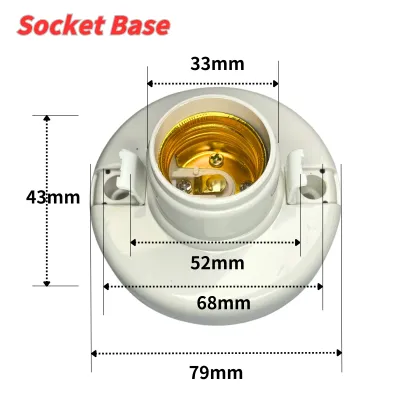
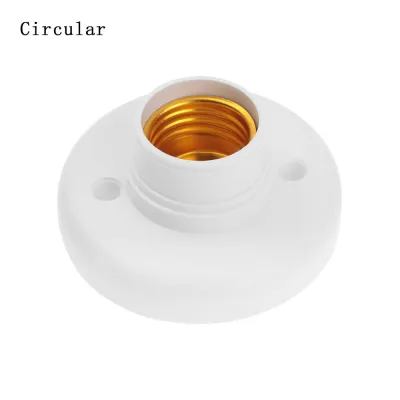
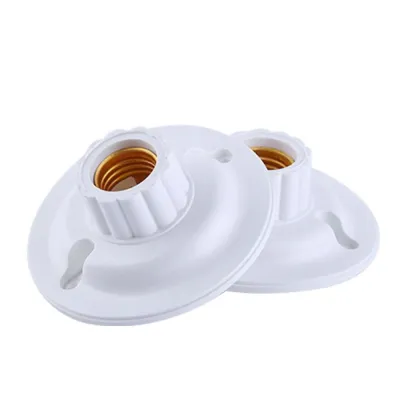
![[BUNDLE DEAL] E27 B22 light bulb holder / ceiling light bulb battern holder](https://img.lazcdn.com/g/ff/kf/S8b3ac8a69d254209b2307a4740eb27262.jpg_400x400q80.jpg_.webp)
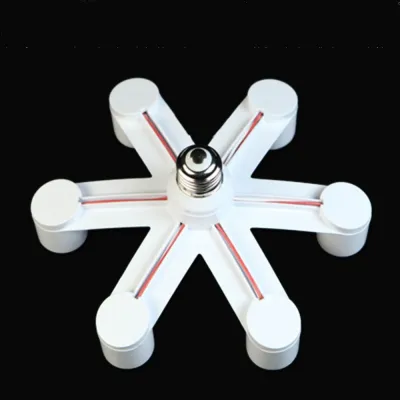
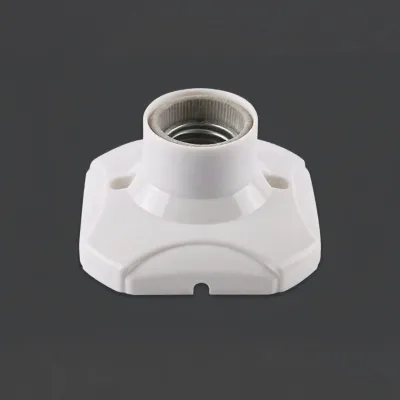
Prices are valid at publication and may change. Please refer to the product page for the latest price.
Measuring your ceiling height accurately prevents physical hazards and visual crowding. In high-traffic zones like hallways or living room walkways, the bottom of any light fixture should ideally sit at least 2.1 metres above the finished floor to prevent taller individuals or carried objects from striking the light. For installations directly over fixed furniture, such as dining tables or kitchen islands, you can safely lower this clearance to around 75 to 90 centimetres above the tabletop, as there is no risk of foot traffic underneath.
Beyond height, the physical structure of your ceiling determines the weight capacity and mounting style of your holder. Concrete ceilings, which are standard in local structural slabs, require masonry plugs and impact drilling to mount even lightweight holders securely. If your room features a plasterboard false ceiling, you must identify where the internal metal or timber support joists run. While a lightweight, single-bulb thermoplastic holder can often be secured using standard hollow-wall toggle anchors, heavy multi-light setups or metal fixtures must be anchored directly into the structural joists to prevent sagging or sudden collapse.
Finally, locate your existing ceiling rose and wiring outlet before committing to a fixture design. If the current electrical point is off-centre from your dining table or seating area, you do not necessarily need to hack the concrete to relocate it. You can opt for a swag-style pendant setup where a long, flexible cord runs from the original ceiling rose, supported by decorative ceiling hooks, to hang precisely where you need it. Alternatively, a surface-mounted conduit can bridge the gap, though this requires careful planning to blend with your interior aesthetic.
Match the Holder Type to Your Lighting Needs
Every room serves a different purpose, and your choice of E27 holder should support the specific activities taking place within that space. Matching the physical style of the holder to your functional goals ensures you achieve the ideal balance of ambient, task, and accent lighting.

Pendant Holders for Task and Accent Lighting
Hanging pendant holders are designed to direct focused light downward, making them highly effective for task-oriented areas. They are most commonly installed over dining tables, kitchen islands, and bedside tables where concentrated illumination is required for eating, food preparation, or reading.
- Adjustable Cord Lengths: Look for pendant sets that feature adjustable fabric or PVC cords. This allows you to customize the drop height during installation to perfectly match your furniture scale.
- Canopy Space: Ensure the ceiling canopy (the cup covering the electrical connection) has sufficient internal space to neatly conceal any excess cord you choose not to cut.
- Shade Compatibility: Verify if the holder includes a threaded shade ring. This is essential if you plan to attach a glass, metal, or paper shade to diffuse the bulb's light.
Flush Mount Holders for Low Ceilings and General Light
When vertical clearance is limited, flush or semi-flush E27 holders are the safest and most visually clean option. These holders sit directly against the ceiling surface, keeping the light source high and out of the line of sight.
- Broad Illumination: Because they sit close to the ceiling, flush mounts allow light to spread widely across the room, making them excellent for general ambient lighting.
- Space Optimization: These holders are ideal for small, utilitarian spaces such as bomb shelters, utility rooms, bathrooms, and narrow hallways where hanging cords would cause obstruction.
- Low Maintenance: Flush mounts are less prone to gathering dust along hanging cables, making them easier to clean over time in high-dust environments.
Suspended and Track Adapters for Flexible Setups
If you require a lighting setup that can adapt to changing room layouts or highlight specific design features, modular E27 systems offer the perfect solution.
- Track Light Adapters: These specialized holders click directly into standard lighting tracks, allowing you to slide, reposition, and aim individual E27 bulbs along a single electrical run.
- Multi-Pendant Ceiling Roses: Often referred to as spider pendants, these systems feature a single central ceiling rose with multiple outgoing cords that can be pinned to different parts of the ceiling.
- Zoned Control: Track systems are highly useful in open-plan living and dining areas, as well as home galleries, where you may want to shift the focus of your lighting as furniture is rearranged.
Check Electrical Compatibility and Safety Specifications
Electrical safety must always take priority over aesthetics when selecting lighting accessories. Choosing an incompatible or poorly rated holder can lead to premature bulb failure, electrical shorts, or severe fire hazards.
First, verify that the holder is rated for your local electrical grid. In Singapore, the standard mains supply operates at 230V AC with a frequency of 50Hz. Ensure any imported or online-purchased ceiling holder is explicitly rated for 220V–240V operation. Using a holder designed exclusively for lower-voltage regions (such as 110V systems) can result in insulation breakdown and dangerous electrical faults.
Second, carefully check the maximum wattage rating of the holder. This limit represents the maximum amount of heat and electrical current the holder’s internal brass contacts and housing material can safely handle. While modern LED bulbs typically consume very low power (often between 5W and 15W), traditional incandescent or halogen bulbs generate substantial heat and can easily draw 60W to 100W. Exceeding the holder’s rated wattage will cause the housing to degrade, melt, or ignite.
Third, consider the material composition of the holder based on your intended bulb usage. Thermoplastic or Bakelite holders are lightweight and cost-effective, but they have lower heat tolerances and can become brittle over time when exposed to high temperatures. Ceramic or porcelain holders offer exceptional heat resistance and are highly recommended for high-wattage bulbs or enclosed fixtures where heat dissipation is limited. Metal holders (such as brass, copper, or aluminum) provide a premium, industrial look but must be properly earthed (grounded) to your home’s earthing system to prevent the outer casing from becoming electrically live in the event of a wiring fault.
Fourth, if you intend to dim your lights, ensure your entire setup is compatible. The E27 holder itself is a passive socket and does not interfere with dimming, but any integrated switches, inline controllers, or smart modules must be rated for dimming. Furthermore, you must ensure that both your wall dimmer switch and the E27 bulb you choose are fully compatible (such as matching dimmable LED bulbs with trailing-edge LED dimmers) to prevent annoying flickering, buzzing, or driver damage.
Diagnose Your Current Setup: Upgrade or Replace?
Before purchasing a brand-new ceiling holder, take a moment to evaluate your existing installation. Determining whether you need a complete replacement or a simple cosmetic upgrade can save you unnecessary labor and expense.
Inspect your current ceiling holder for physical signs of wear and tear. If you notice any discoloration (such as yellowing, browning, or blackening around the socket), brittleness in plastic parts, visible cracks, frayed fabric cords, or loose screw terminals, a complete replacement is mandatory for safety. Similarly, if your lights flicker constantly or make a faint buzzing sound when turned on, the internal metal contacts may have lost their tension or oxidized, indicating the holder has reached the end of its safe operational lifespan.
If your existing holder is structurally sound and electrically safe but simply looks outdated, you can often refresh its appearance without touching the mains wiring. Many standard utility holders can be fitted with decorative silicone sleeves, metal cover-ups, or clip-on shades that instantly modernize the look. Alternatively, adding a threaded shade ring allows you to suspend a new lightweight shade directly from the existing socket, transforming the room’s aesthetic in minutes.
If your primary complaint is poor light quality, the issue may lie with the bulb rather than the holder itself. Before replacing the entire fixture, experiment with different E27 bulbs. Swapping a narrow-beam bulb for an omnidirectional LED can instantly improve ambient light spread, while adjusting the color temperature (such as switching from a stark 6500K daylight bulb to a cozy 2700K warm white bulb) can dramatically change the feel of your room without the need for electrical work.
Installation Boundaries and When to Call a Professional
Working with electrical wiring carries inherent risks of shock, fire, and structural damage. Understanding the boundaries of safe DIY work and knowing when local regulations require professional intervention is essential for every homeowner.
Basic like-for-like replacement of an existing ceiling holder is generally manageable for individuals with basic DIY experience and a solid understanding of electrical safety. Before starting, always isolate the power to the lighting circuit at your home’s main Consumer Unit (DB box) by switching off the relevant circuit breaker. Never rely solely on the wall switch to cut the power. Use a reliable, non-contact voltage tester directly at the ceiling wires to double-check that the line is completely dead before touching any copper conductors.
However, you must stop and hire a licensed professional for more complex tasks. In Singapore, any electrical work that involves laying new cables, extending existing circuits, adding new ceiling points, or modifying the distribution board must legally be performed by an Energy Market Authority (EMA) licensed electrical worker (LEW). Attempting to run new wiring through concrete slabs or false ceilings without proper licensing is not only illegal but also poses severe long-term safety risks and can void your home insurance policy.
Additionally, always hire a professional if you are installing fixtures in damp zones, such as bathrooms or outdoor balconies, where moisture ingress can easily trigger ground faults. When purchasing your new E27 ceiling holder, look for recognized local safety compliance marks, such as the Safety Mark in Singapore, to guarantee the product has undergone rigorous testing for insulation quality, heat resistance, and mechanical stability under local grid conditions.
Frequently Asked Questions (FAQ)
Can I use a smart bulb with any E27 ceiling holder?
Yes, standard smart bulbs are designed to fit into any standard E27 ceiling holder. However, you must ensure the holder is connected to a standard, non-dimming wall switch. Connecting a smart bulb to a circuit controlled by a traditional wall dimmer switch can starve the bulb’s internal electronic driver of voltage, leading to constant flickering, connectivity drops, or permanent damage to the smart bulb.
Do I need an electrician to change a ceiling holder in Singapore?
While a homeowner is permitted to perform basic, like-for-like replacements of existing light fittings and holders, any work involving new wiring runs, relocating ceiling points, installing track systems, or mounting fixtures in wet areas like bathrooms must be completed by an EMA licensed electrical worker (LEW). This ensures compliance with local CP5 safety standards and guarantees your home’s electrical system remains safe and fully insured.

Community discussion
Share your experience or ask a question. Comments are reviewed before publication.