
Selecting the right lotus prayer lamp for your home altar requires balancing spiritual reverence with practical safety, material durability, and spatial harmony. As a focal point of daily devotion, these lamps do more than illuminate; they symbolize wisdom, purity, and continuous blessings. To find a pair that serves your household reliably for years, you must evaluate their material composition, physical dimensions relative to your altar space, electrical safety configurations, and the finer details of their craftsmanship.
By focusing on these practical aspects, you can avoid common pitfalls such as purchasing lamps that are too large for your shelf, choosing materials that degrade under heat, or selecting poorly wired units that pose safety risks. Taking a systematic approach to your purchase ensures that your altar remains a peaceful, beautiful, and secure space for reflection.
Evaluate Material and Craftsmanship Quality
The material of your lotus prayer lamp dictates its longevity, weight, and resistance to the heat generated by nearby incense or internal light sources. Common materials include ceramic, glass, metal, and synthetic resins, each offering distinct physical properties. Ceramic and porcelain lamps provide a classic, substantial feel and excellent heat resistance, making them highly stable on any flat surface. Glass and crystal options offer beautiful light refraction, casting a warm, ambient glow across the altar, though they require careful handling to prevent chipping.
Products mentioned in this guide
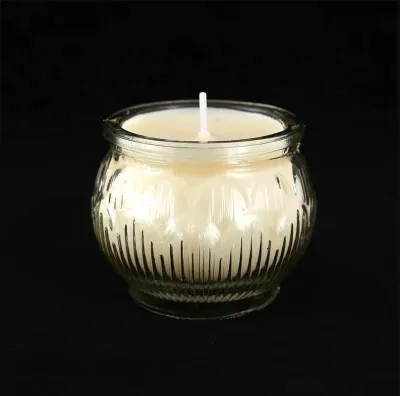
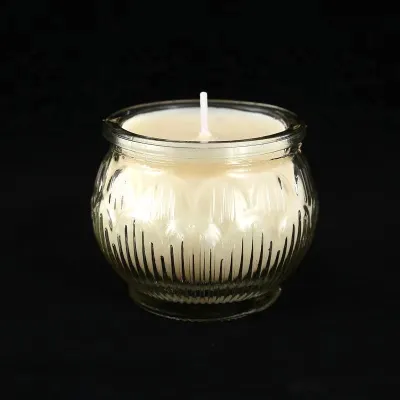
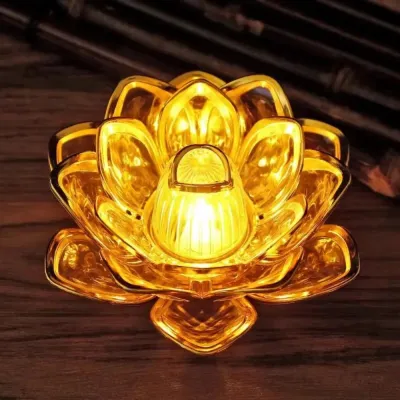
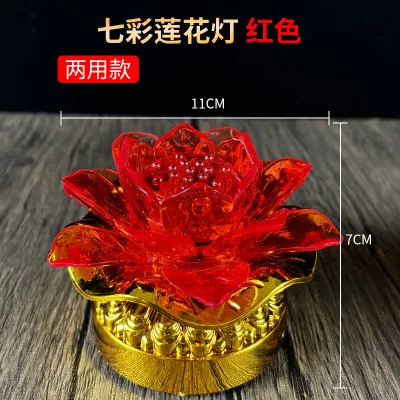
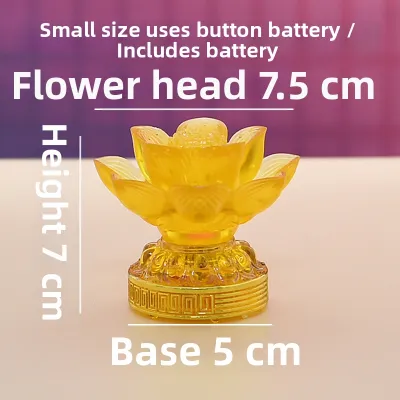
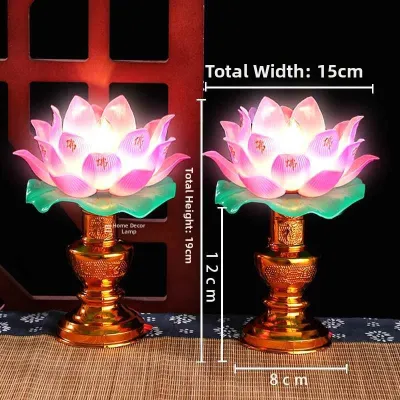
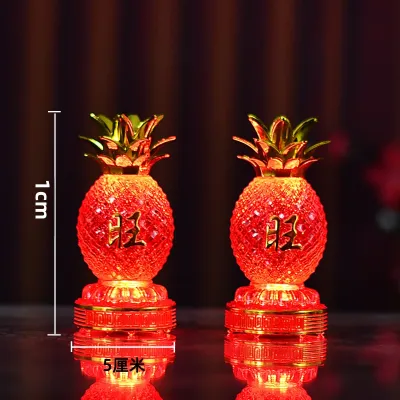
Prices are valid at publication and may change. Please refer to the product page for the latest price.
Metal lamps, often constructed from brass or zinc alloys, provide exceptional durability and a traditional aesthetic. If you select metal, verify that the surface has been treated with a protective lacquer to prevent tarnishing or corrosion in humid environments. Synthetic resin is a popular, budget-friendly alternative that allows for intricate, highly detailed petal designs. However, resin is lighter and less heat-resistant than ceramic or metal, meaning it must be kept at a safe distance from open flames or high-wattage bulbs.
When inspecting craftsmanship, pay close attention to the symmetry of the lotus petals and the smoothness of the seams. High-quality lamps feature clean joints where the petals meet the stem or base, with no visible glue residue or sharp plastic flashing. Run your fingers along the edges to check for uniform thickness and smooth finishes. The paint, gold gilding, or colored glaze should be applied evenly across the entire surface, without bubbles, thin patches, or peeling sections.
Base stability is a critical safety factor that prevents accidental tipping during daily offerings. Turn the lamp over to inspect the bottom of the stand; it should be perfectly flat and wide enough to support the weight of the lotus head. Look for models equipped with non-slip padding, such as felt or silicone feet, which protect your altar’s wooden surface from scratches and provide extra grip to keep the lamp securely in place.
Determine the Right Size for Your Altar
Before purchasing a pair of lotus lamps, you must measure the physical limits of your altar space to ensure a proper fit. Use a measuring tape to record the available height, width, and depth of the specific shelf or table where the lamps will stand. Remember to account for any overhanging decorative trim, wall-mounted cabinets, or ancestral tablets that might restrict the vertical space above the lamps.

Visual proportion is key to maintaining a balanced and respectful altar presentation. A lamp that is too tall can dominate the space, drawing attention away from central deity statues or ancestral tablets, while lamps that are too small may look cluttered and insignificant. Ideally, the height of the lotus lamps should align harmoniously with your central statues, typically standing slightly shorter than the main figures but taller than the front-row offering cups.
Clearance is equally important for safety and ease of movement during daily rituals. Ensure there is at least 5 to 10 cm of open space around each lamp to allow for easy cleaning, changing of light bulbs, and safe movement of your hands when lighting incense or placing offerings. If your altar is located in a compact niche or a wall-mounted cabinet, compact or slim-profile lotus lamps are generally more practical than wide, sprawling designs.
Select a Safe Light Source and Power Setup
The choice between traditional incandescent bulbs and modern light-emitting diode (LED) options significantly impacts both safety and energy consumption. Traditional incandescent bulbs emit a classic, warm glow, but they generate substantial heat during continuous operation. This heat can dry out nearby wooden altar panels, melt synthetic resin components, or pose a burn hazard if touched accidentally.
In contrast, LED lotus lamps run cool to the touch, making them an exceptionally safe choice for continuous or long-term illumination. LEDs consume a fraction of the electricity of traditional bulbs, helping to manage household energy costs when lamps are kept lit for many hours a day. Additionally, LEDs boast a significantly longer lifespan, reducing the frequency of bulb replacements and minimizing maintenance hassle.
When evaluating the electrical setup, verify that the lamp’s voltage matches your local household grid, which is typically 220V-240V in Singapore. Check the plug type to ensure it fits your wall outlets without requiring unstable adapters. The power cord should be long enough to reach your outlet comfortably without being stretched taut, which can create a tripping hazard or pull the lamps off the altar.
Always look for recognized electrical safety certification marks on the product packaging, power adapter, or inline switch. These marks indicate that the electrical components have undergone testing to resist short circuits and overheating. Because home altars are often exposed to fine incense ash and smoke, choose lamps with sealed light compartments or protective covers that prevent dust and debris from settling directly onto the electrical contacts.
Inspect the Lamp Upon Delivery
When your lotus prayer lamp arrives, conduct a thorough physical inspection before placing it on your altar. Carefully remove all packaging materials and examine the lamp body under bright light. Check for any hairline cracks in ceramic or glass models, chips along the delicate petal edges, or scratches in the painted finish that may have occurred during transit.
Next, inspect the entire length of the power cord and the plug assembly. Run your fingers along the cable to ensure there are no nicks, cuts, or exposed copper wires. Test the inline power switch by toggling it back and forth several times; it should click firmly into place without feeling loose, sticky, or unresponsive.
Perform an initial test run by plugging the lamp into a safe, visible wall outlet away from the altar. Leave the lamp turned on for approximately 15 to 30 minutes while monitoring its performance. Watch for any flickering, dimming, or unusual humming sounds, which can indicate a faulty driver or loose internal wiring. Gently touch the power adapter and the lamp base to verify they remain cool or only mildly warm to the touch.
If you detect any defects, such as flickering lights, excessive heat buildup, or physical damage, do not use the lamp on your altar. Keep all original packaging, receipts, and user manuals intact. Contact the retailer immediately to initiate a return or exchange, referencing the specific defects observed during your initial inspection.
Maintain and Operate the Lamp Safely
Regular maintenance preserves the beauty of your lotus prayer lamp and ensures its safe operation over time. Before performing any cleaning, always turn off the power switch and unplug the lamp from the wall outlet. Allow the lamp to cool down completely if it has been illuminated, as sudden temperature changes can crack glass or ceramic components.
Use a dry, soft microfiber cloth to gently wipe away accumulated dust, soot, and yellow incense residue from the petals and base. Avoid using harsh chemical solvents, abrasive scrubbing pads, or excessive water, which can strip away gold paint, damage delicate glazes, or seep into the electrical housing. If a deeper clean is necessary, use a slightly damp cloth, followed immediately by a dry cloth to remove all moisture.
Establish clear safety boundaries on your altar to prevent fire hazards. Keep all combustible materials, such as paper offerings, decorative fabrics, oil cups, and burning incense sticks, at a safe distance from the lamps and their power cords. Ensure that falling incense ash cannot land on the power cable or the plug connection.
If you plan to travel or leave your home unoccupied for an extended period, it is best practice to unplug the lamps entirely. Finally, remain vigilant for warning signs of electrical wear. If you ever notice a burning plastic smell, see sparks when plugging the lamp in, or observe discolored plastic near the bulb socket, cease use immediately and consult a qualified professional or replace the unit.
Frequently Asked Questions (FAQ)
Can I leave my lotus prayer lamp on 24/7?
While many households prefer to keep their altar lamps illuminated continuously for spiritual reasons, doing so requires careful safety considerations. If you plan to run your lamps 24/7, you should exclusively use high-quality LED models, as they generate minimal heat and are designed for long-term operation. Traditional incandescent bulbs should never be left on unattended for long periods due to the high heat they emit, which increases the risk of scorching nearby materials.
Even with LED lamps, continuous operation subjects the internal power adapter and LED driver to constant electrical wear. To extend the lifespan of your lamps and ensure home safety, consider turning them off when the household is asleep or away for extended periods. Alternatively, you can connect the lamps to a mechanical timer that automatically switches them off for a few hours each night to allow the electrical components to cool down.
Does the color of the lotus lamp hold specific meanings?
Yes, the colors of lotus prayer lamps carry traditional symbolic meanings across various cultural and spiritual practices. Red and pink lamps are highly popular as they represent joy, celebration, and active energy, making them common choices for main deity altars. Yellow or gold lamps symbolize wealth, earth elements, and neutrality, often chosen to bring a sense of grounded peace and prosperity to the home.
White or clear crystal lamps represent purity, clarity of mind, and peace, making them particularly suitable for ancestral altars or quiet meditation spaces. Ultimately, while these traditional associations can guide your decision, your choice should align with your specific family traditions, personal devotion, and the overall aesthetic harmony of your home altar setup.

Community discussion
Share your experience or ask a question. Comments are reviewed before publication.