
Selecting the right Philips downlights for your Singapore home requires matching the specific environmental conditions of each room with the correct technical specifications. Rather than searching for a single, universal model to install across your entire property, a successful lighting plan evaluates the distinct functional demands of each space. By assessing factors such as moisture exposure, ceiling depth, and task requirements, you can verify that each chosen Philips downlight delivers safe, efficient, and visually comfortable illumination.
In Singapore, residential properties—ranging from high-rise HDB flats with concrete ceilings to condominiums and landed homes with plasterboard false ceilings—present unique structural and electrical conditions. Navigating these variables means looking closely at product labels, understanding physical dimensions, and aligning fixture capabilities with the daily activities in each room. This guide outlines the essential steps to evaluate your spaces, verify product specifications, and ensure a compliant, high-performing installation.
Core Lighting Requirements by Room
Before purchasing any lighting fixtures, you must identify how each room functions and the physical constraints of your ceilings. Living rooms and bedrooms serve primarily as areas for relaxation, requiring soft, glare-free ambient lighting that spreads evenly across the space. In contrast, kitchens, home offices, and bathrooms demand focused task lighting to support activities like food preparation, reading, and grooming, where shadows can cause inconvenience or safety hazards.
Products mentioned in this guide
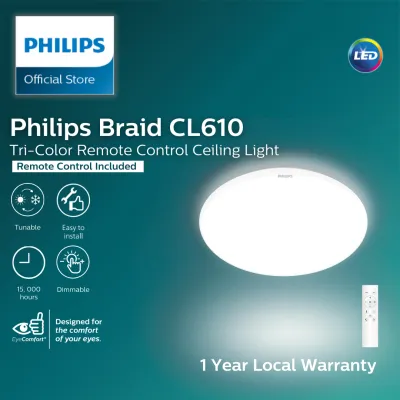
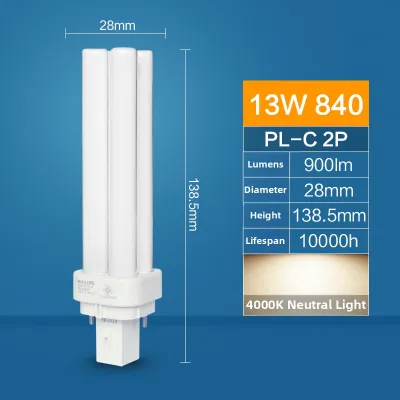
Prices are valid at publication and may change. Please refer to the product page for the latest price.
Environmental factors also dictate the type of downlight required. Bathrooms and wet kitchen zones experience high humidity, steam, and potential water splashes, which can damage standard indoor fixtures and create electrical hazards. For these areas, you must select downlights specifically engineered to resist moisture penetration, protecting both the internal LED components and your home’s electrical circuit.
Physical ceiling constraints are particularly critical in Singapore apartments. Many homes feature false ceilings with limited void depth, while others have concrete soffits that require surface-mounted downlights or shallow recessed profiles. You must also account for the placement of metal ceiling joists and the dimensions of existing cutouts, as these structural elements limit where fixtures can be placed and how deep they can sit.
Essential Philips Downlight Specifications to Verify
To ensure your chosen Philips downlights perform safely and effectively, you must carefully verify several technical specifications on the product packaging or official specification sheets before making a purchase. The first key metric is color temperature, measured in Kelvin (K). Warm white options (typically 2700K to 3000K) create a cozy, relaxing atmosphere, neutral white (around 4000K) offers a balanced and clean look, while cool daylight (6500K) provides crisp, high-contrast light suitable for detailed tasks.

Lumen output and beam angle are equally important for achieving adequate coverage. Lumens measure the total amount of visible light emitted by the fixture, which you must match to the room’s size and function. The beam angle determines how wide the light spreads; a wider beam angle (such as 100 degrees or more) is ideal for general ambient lighting, whereas a narrower beam (around 36 to 40 degrees) concentrates light on specific work surfaces.
For wet or damp locations, you must verify the Ingress Protection (IP) rating of the downlight. Standard indoor downlights often carry an IP20 rating, which is suitable for dry living areas but insufficient for bathrooms. For spaces exposed to steam or water splashes, look for fixtures with a higher rating, such as IP44 or IP65, to ensure long-term safety and durability.
Dimmability and control compatibility must also be checked prior to installation. If you plan to adjust your light levels throughout the day, you must verify that the specific Philips downlight model is explicitly labeled as dimmable. Furthermore, you must ensure compatibility between the downlight, your wall dimmer switches, and any smart home hubs or transformers, as mismatched components can lead to flickering, buzzing, or premature driver failure.
Matching Downlight Features to Specific Living Spaces
Living Room and Bedroom: Comfort and Ambiance
For living rooms and bedrooms, the primary goal is to establish a warm, inviting, and glare-free environment. Selecting Philips downlights with a warm white color temperature (2700K to 3000K) helps promote relaxation and aligns with natural circadian rhythms, making it easier to wind down in the evening. If you prefer a slightly brighter, more modern aesthetic for daytime activities, a neutral white (4000K) option can provide a clean look without feeling clinical.
To prevent harsh glare when sitting on a sofa or lying in bed, choose downlights with wide beam angles and recessed diffusers. These design features soften the light output and distribute it evenly across the room, reducing high-contrast shadows. Integrating dimmable Philips downlights or smart lighting options allows you to transition seamlessly from bright general lighting to low-level ambient illumination for movie nights or bedtime routines.
Kitchen and Bathroom: Task Lighting and Moisture Resistance
Kitchens and bathrooms require a highly functional approach to lighting design, prioritizing visibility, safety, and durability. In the kitchen, food preparation areas, stovetops, and sinks demand bright, high-contrast illumination. Selecting neutral white (4000K) or cool daylight (6500K) downlights with higher lumen outputs ensures you can see clearly while handling sharp utensils or reading recipes, while strategic fixture placement directly above workspaces prevents your body from casting shadows on the countertops.
In the bathroom, moisture resistance is the single most critical factor. You must verify that any downlight installed in damp zones—especially directly above the shower or bathtub—carries an appropriate IP rating, such as IP44 or higher, to prevent steam and water droplets from compromising the electrical components. Combining these moisture-resistant fixtures with cooler color temperatures near vanity mirrors will also provide accurate, shadow-free lighting for grooming and applying makeup.
Installation Safety and Electrical Compliance
Installing or replacing downlights involves working directly with your home’s electrical system, which requires strict adherence to safety standards and local regulations. In Singapore, you must verify that all electrical products carry the appropriate safety certifications, such as the local Safety Mark, and are rated for the standard domestic voltage of 230V at 50Hz. Ensuring the product label matches these electrical parameters is essential to prevent equipment damage or electrical hazards.
Before undertaking any inspection, cleaning, or replacement of a downlight, you must isolate the electrical circuit. Turn off the main power supply at your home’s distribution board (DB box) rather than relying solely on the wall switch, as wall switches may not completely cut off the live current. Use a reliable voltage tester to confirm the wires are entirely dead before touching any connections.
You must recognize the limits of do-it-yourself work and know when to stop. While replacing a simple plug-and-play downlight bulb or fixture on an existing, compatible connector is manageable for many homeowners, any task involving new ceiling cutouts, structural modifications, or alterations to the fixed electrical wiring must be handled by a licensed electrician. If you encounter degraded wiring, unknown circuit configurations, or lack the proper testing tools, halt the work immediately and consult a qualified professional.
Finally, you must ensure adequate thermal clearance around and above the downlight housing within the ceiling void. Heat buildup can significantly shorten the lifespan of LED drivers and components, and in worst-case scenarios, pose a fire hazard if the fixture is in direct contact with thermal insulation or wooden joists. Always refer to the manufacturer’s installation manual to verify the required clearance distances and confirm whether the specific Philips model is rated for insulation contact (IC-rated) before covering it.
Frequently Asked Questions (FAQ)
Can I use the same Philips downlight model for the entire house?
Using a single downlight model throughout your entire home is generally not recommended due to the vastly different environmental conditions and functional needs of each room. A standard downlight designed for a dry living room lacks the necessary IP rating to safely withstand the high humidity and steam of a bathroom, which could void the manufacturer’s warranty and create electrical risks. Additionally, the warm, low-lumen lighting that creates a cozy atmosphere in your bedroom will prove insufficient for detailed tasks in the kitchen, leading to poor visibility and eye strain.
How do I know if my existing ceiling cutouts will fit new Philips downlights?
To determine if a new Philips downlight will fit your existing ceiling, you must take precise physical measurements before purchasing. Carefully remove one of your current fixtures and use a measuring tape to find the exact diameter of the circular hole in the plasterboard, which is the cutout size. You must also measure the available vertical clearance inside the ceiling void, from the bottom of the plasterboard to the concrete slab or any structural obstructions above. Cross-reference these measurements with the official cutout diameter and recessed depth specifications listed on the Philips product packaging to ensure a secure and flush fit.

Community discussion
Share your experience or ask a question. Comments are reviewed before publication.