
Selecting a pooja stand for your home is a deeply personal decision that bridges spiritual practice with daily domestic life. A well-chosen altar serves as a serene focal point, accommodating sacred idols, oil lamps, and offering plates while harmonizing with your living space. To find the right fit, you must look beyond aesthetics and systematically evaluate physical dimensions, material durability, and functional layouts. By taking a structured approach to these practical factors, you can ensure your prayer space remains safe, respectful, and easy to maintain for years to come.
Assessing Your Space and Size Requirements
Before browsing designs, you must precisely measure the physical area where you plan to position the pooja stand. In compact urban homes, such as apartments in Singapore, floor space is often at a premium. Begin by measuring the designated floor or wall area, ensuring you account for the necessary clearance around the stand. You will need comfortable physical space to stand, sit, or kneel during daily prayers, as well as room to move around without accidentally bumping into the altar.
Next, estimate the footprint required for your sacred items. Take inventory of your largest deity idols, picture frames, oil lamps, and offering plates. Measure their bases and heights to ensure the shelves offer adequate depth and spacing. Placing heavy brass or stone idols on a shelf that is too narrow can create a tipping hazard, so the surface area must comfortably accommodate every ritual object with room to spare.
Products mentioned in this guide
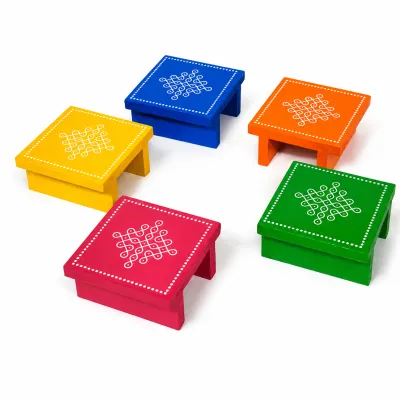
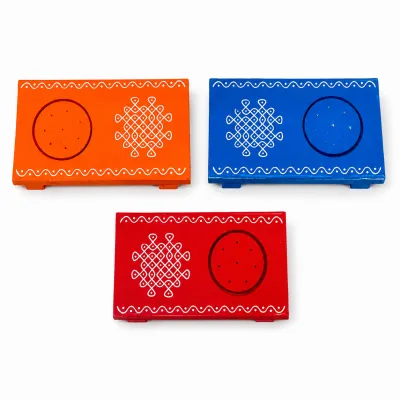
Prices are valid at publication and may change. Please refer to the product page for the latest price.
Vertical clearance is another critical factor that is easily overlooked. If you are considering a pooja stand with a traditional top dome, a tiered canopy, or hanging elements like bells, verify your ceiling height. For wall-mounted units, ensure the stand is positioned at an ergonomic height—accessible for daily offerings but high enough to remain respectful and out of the reach of toddlers or pets.
Evaluating Material Options and Maintenance Needs
The material of your pooja stand dictates both its longevity and the amount of upkeep it will require. Solid wood, such as teak, sheesham, or rosewood, is a traditional favorite valued for its natural grain and structural strength. However, solid wood is sensitive to environmental changes and can warp or crack in high-humidity climates unless properly seasoned and sealed.

Engineered wood, such as medium-density fibreboard with wood veneers, offers a more budget-friendly and warp-resistant alternative. While engineered wood handles humidity variations well, it is generally more vulnerable to direct water exposure. If water from daily offerings or cleaning seeps into unsealed joints, the material can swell and degrade. Metal frames, such as brass, copper, or powder-coated steel, provide a highly durable, modern alternative, though they require specific polishes to prevent tarnishing over time.
Regardless of the material, you must check the surface finishes for resistance to heat and moisture. Daily rituals involve open flames from oil lamps, hot embers from incense, and liquid offerings. Ensure the manufacturer specifies a heat-resistant and water-resistant protective coating. Additionally, always review the manufacturer’s weight capacity specifications. Heavy stone, marble, or solid brass idols require robust structural support, and exceeding the recommended weight limit can cause shelves to sag or collapse.
Reviewing Design and Functional Features
A functional pooja stand should seamlessly support your daily worship routines. Evaluate the storage layout, looking for dedicated drawers, pull-out trays, and cabinet spaces. A pull-out tray is exceptionally useful for holding active oil lamps or offering plates during prayers, saving valuable shelf space. Drawers and cabinets keep essential supplies—such as incense packets, matchboxes, cotton wicks, camphor, and prayer books—organized, dry, and dust-free.
The design of the back panel also influences where you can place the stand. A solid, finished back panel allows the unit to function beautifully as a room divider or stand independently in an open-plan living area. Conversely, a simple, unfinished back panel is designed to sit flush against a wall. If you choose a wall-mounted model, verify that the back panel and mounting brackets are engineered to distribute weight safely across your wall type.
If you plan to illuminate your altar, look for integrated functional features like pre-drilled cable management holes or heat-resistant backing. When installing internal lighting, electrical safety is paramount. Verify that any integrated LED lights or light fixtures match your local household voltage and carry recognized electrical safety certifications. For any fixed wiring, installation in damp areas, or complex electrical setups, always isolate the power supply and consult a qualified professional to prevent fire or shock hazards.
Aligning the Pooja Stand with Your Interior Style
Your prayer altar should feel like an organic extension of your home’s overall design narrative. Traditional pooja stands often feature intricate hand-carved motifs, ornate pillars, and rich, dark wood stains that evoke a sense of heritage. These designs pair beautifully with classic decor styles but can sometimes feel visually heavy in a highly modern, minimalist home.
For contemporary interiors, look for clean lines, light wood finishes, or sleek white lacquer. Modern designs often incorporate geometric cutouts or frosted glass panels that allow light to filter through softly, creating a peaceful ambiance without overwhelming the room. Consider how the color stains, paint finishes, and hardware of the stand interact with your existing furniture and the ambient lighting of the room.
Keep in mind that intricate carvings and deep crevices require significantly more cleaning effort. In dust-prone areas, dust and incense ash can quickly accumulate in detailed woodwork, requiring meticulous brushing to maintain. If you prefer a low-maintenance routine, opt for smooth, flat surfaces and simple profiles that can be wiped clean in a single pass.
Final Verification Checklist Before Purchase
Before finalizing your purchase, perform a thorough logistical check to avoid delivery or installation issues. Cross-reference the product’s exact external dimensions with your physical space measurements. Do not forget to measure your home’s entryways, corridors, elevator doors, and stairwells. A large, fully assembled wooden temple must be able to navigate these tight spaces safely during delivery.
Clarify the assembly requirements before the unit arrives. Determine whether the pooja stand is delivered fully assembled or requires flat-pack assembly. Wall-mounted units, exceptionally heavy solid wood structures, or models with complex overhead canopies often require professional installation to ensure they are anchored securely to the wall studs.
Finally, review the retailer’s specific return policy, warranty coverage, and delivery timelines. Because religious items are highly personal and structurally significant, you want to ensure you can easily address any shipping damage, manufacturing defects, or structural issues. Confirm what recourse you have if the material arrives with cracks, chips, or misaligned doors.
Frequently Asked Questions (FAQ)
Can I place a pooja stand in the bedroom or kitchen?
While dedicated prayer rooms are ideal, spatial constraints in modern apartments often require placing the pooja stand in multi-purpose rooms. If you place it in a bedroom or kitchen, prioritize maintaining a respectful, clean, and undisturbed environment. In the kitchen, position the stand away from direct cooking zones to protect it from grease, cooking residue, high heat, and heavy humidity. In a bedroom, consider a model with doors that can be closed during sleeping hours to maintain a clear boundary between active worship and rest.
How do I clean and maintain a wooden pooja stand?
Always consult the manufacturer’s specific care label before applying any commercial polishes, oils, or chemical cleaners, as some finishes can react poorly to harsh chemicals. For daily maintenance, use a dry, soft microfiber cloth to gently dust the surfaces and delicate carvings. To address soot or oil residue from lamps, use a slightly damp cloth with a mild, pH-neutral soap, drying the wood immediately afterward to prevent moisture damage. Regularly inspect the joints and surfaces for signs of wear or heat exposure near where lamps are lit.
Is it necessary to have doors on a pooja stand?
Having doors on a pooja stand is a matter of personal preference and household environment rather than a strict requirement. Enclosed cabinets with doors offer effective protection against dust, incense ash, and cooking grease, keeping your sacred items clean. They also provide safety if you have curious pets or young children who might reach for delicate idols or lit lamps. On the other hand, open-tiered displays offer immediate accessibility and a more spacious, welcoming visual presence, which works well in quiet, low-traffic households.

Community discussion
Share your experience or ask a question. Comments are reviewed before publication.