
Selecting the right praying joss stick is an essential step in creating a respectful, serene, and safe environment for Buddhist and Taoist worship. While the act of offering incense is deeply rooted in tradition, modern living conditions—particularly in high-rise apartments and urban homes—require a thoughtful approach to choosing incense. The ideal choice balances spiritual significance, traditional customs, and practical considerations such as indoor air quality, ventilation, and altar safety. By understanding the physical and aromatic properties of different joss sticks, you can select the most appropriate option for daily rituals, major festive celebrations, and solemn ancestral memorial services.
Understanding Key Attributes of Praying Joss Sticks
Before matching incense to specific occasions, it is important to understand the core attributes that differentiate one praying joss stick from another. These attributes directly affect how the incense burns, how it smells, and how it interacts with your living space.
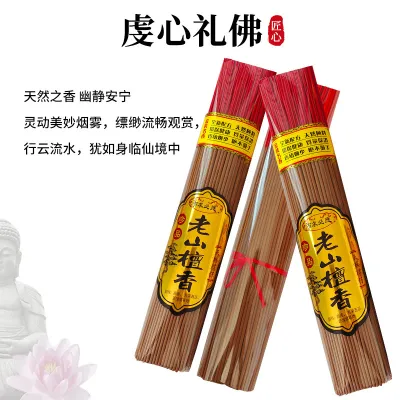
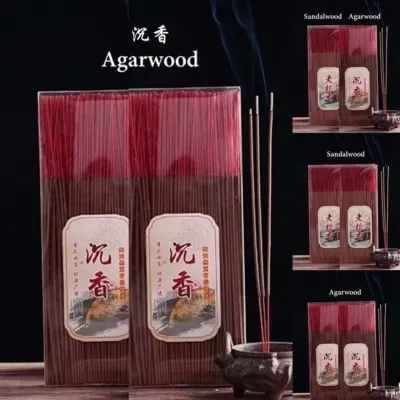
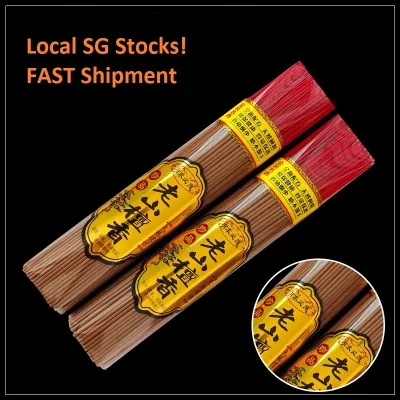
The first key attribute is the ingredient composition and scent profile. Traditional joss sticks are crafted from natural wood powders, with sandalwood and agarwood being the most highly regarded. Sandalwood offers a warm, bright, and woody aroma, while agarwood provides a deeper, more complex, and sweet scent. Many modern options also feature floral or herbal infusions. When purchasing, it is crucial to check the packaging for indicators of synthetic additives, chemical binders, or artificial dyes. High-quality, natural joss sticks generally produce a cleaner, more authentic aroma, whereas synthetic alternatives may emit a harsh, chemical scent that can cause throat irritation or headaches in enclosed spaces.
Products mentioned in this guide
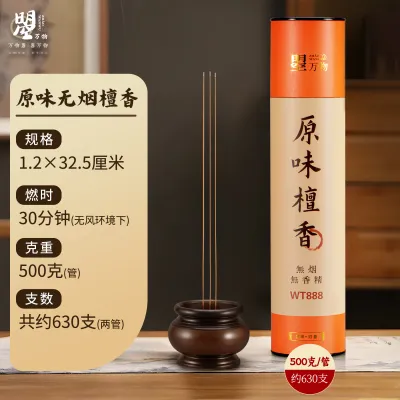
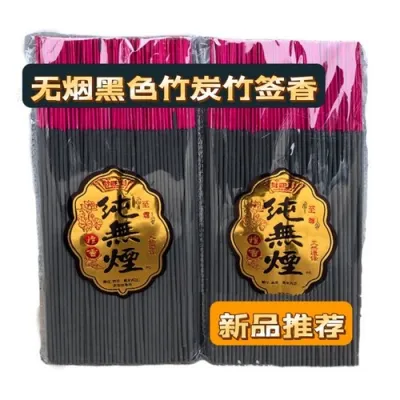
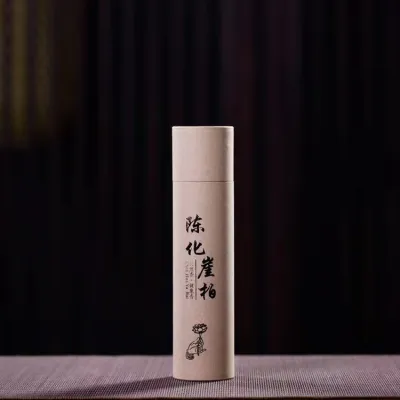
Prices are valid at publication and may change. Please refer to the product page for the latest price.
The second attribute is smoke emission. Traditional joss sticks produce a visible plume of smoke, which is symbolically seen as a medium carrying prayers to the heavens. However, for indoor environments, particularly air-conditioned rooms or compact apartments, high smoke levels can quickly compromise indoor air quality. Manufacturers now offer low-smoke, micro-smoke, and even smokeless varieties. These are formulated using specialized carbonization techniques or high-purity wood powders that burn with minimal visible emissions, making them highly suitable for modern indoor altars.
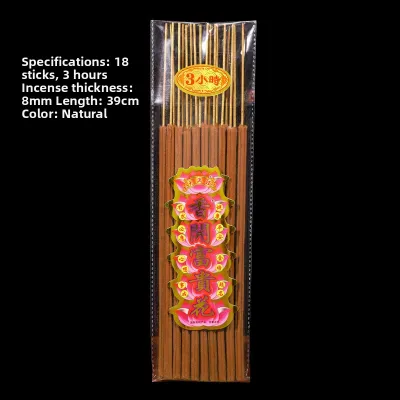
The third attribute involves the physical dimensions and burning time of the sticks. Joss sticks come in various lengths, typically ranging from short versions of around 21 centimeters to standard lengths of 32 to 39 centimeters, and even larger ceremonial sizes. The thickness of the stick also determines its burning duration; thin sticks may burn for 20 to 30 minutes, while thicker ceremonial sticks can burn for several hours. When selecting a size, you must evaluate your altar’s physical clearance, the height of the ceiling, and the capacity of your incense burner. A stick that is too tall for the burner can tip over, creating a serious fire hazard, while a stick that burns too long might leave the altar unattended for unsafe periods.
Matching Joss Sticks to Specific Prayer Occasions
Different religious occasions and rituals dictate varying requirements for smoke, scent, and burning duration. Matching the right praying joss stick to the specific event ensures that your offerings are both culturally respectful and practically suited to the setting.

Daily Home Worship
For routine, everyday prayers at a home altar, the primary focus should be on maintaining a healthy and comfortable indoor environment. Because daily worship occurs consistently, burning heavy, smoky incense twice or thrice a day can lead to significant soot accumulation on walls, ceilings, and nearby decor. Therefore, prioritizing low-smoke and mild-scent options is highly recommended for daily home rituals.
Standard short or medium-length joss sticks with a burning time of 20 to 30 minutes are ideal for daily routines. This duration allows you to complete your prayers and observe the incense while it burns down, minimizing the risk of leaving a burning ember unattended. Mild sandalwood or unscented varieties are excellent choices, as they provide a subtle spiritual presence without overpowering the household.
Before establishing a regular daily burning routine, always check your household ventilation. Ensure that windows near the altar can be opened slightly to facilitate airflow. Additionally, verify the clearance above the altar; there should be no hanging curtains, wooden cabinets, or electrical wiring directly in the path of the rising heat and smoke.
Major Festivals and Chinese New Year
Major festive occasions, such as Chinese New Year, the Jade Emperor’s Birthday, or the Mid-Autumn Festival, are celebratory events that often involve more elaborate rituals and a higher volume of prayers. During these times, families may choose to burn longer, thicker, or more decorative joss sticks to symbolize prosperity, longevity, and grand respect.
For these high-frequency or continuous prayer sessions, joss sticks with extended burning times are often preferred. Thicker sticks that can burn steadily for an hour or more help maintain the ceremonial atmosphere throughout the festive day. Some families also prefer traditional, richly scented sandalwood to evoke a sense of warmth and festive nostalgia.
However, burning multiple or larger sticks simultaneously increases the risk of indoor smoke accumulation. To balance tradition with safety, ensure that your home is exceptionally well-ventilated during festive prayers. Open multiple windows to create a cross-breeze. Furthermore, verify the stability of your incense burner; a heavier, wider burner filled with clean incense ash or specialized sand is necessary to support thicker, top-heavy festive sticks without tipping. Keep all festive paper decorations, banners, and tablecloths well away from the altar area.
Ancestor Veneration and Memorial Days
Solemn occasions such as the Qingming Festival, the Hungry Ghost Festival, or family death anniversaries require a respectful and reflective approach to selecting incense. These rituals are dedicated to honoring ancestors and departed loved ones, where traditional scent profiles play a significant role.
Sandalwood and agarwood are the traditional preferences for memorial rites, as their deep, grounding aromas are culturally associated with peace, transition, and remembrance. The choice of joss stick, however, must be adapted based on where the prayers are conducted. For ancestor worship at a home altar, low-smoke, high-quality natural wood sticks remain the safest and most comfortable choice for the family.
If you are conducting prayers at an outdoor cemetery, columbarium, or temple, the environmental constraints change. Outdoor settings allow for larger, traditional-smoke joss sticks. However, many modern columbariums and managed temples now enforce strict rules regarding permitted smoke levels, maximum stick lengths, and designated burning zones to manage air quality and fire safety. Always check the specific venue guidelines before purchasing or lighting your joss sticks, as many facilities require visitors to use only provided incense or restrict burning to centralized outdoor burners.
Safety, Environment, and Altar Maintenance
Safely burning a praying joss stick is just as important as choosing the right type. Proper altar setup and maintenance protect your home from fire hazards and preserve the beauty of your religious decor.
First, establish safe clearances around the altar. There must be a clear vertical space of at least one meter above the tips of the burning joss sticks, free from wooden shelves, hanging decorations, or ceiling fans that could create turbulent air currents. If your altar features integrated electrical wiring, such as LED dome lights or decorative red lamps, ensure all cables are neatly routed, insulated, and kept far away from open flames and falling ash. For any fixed electrical installations or modifications near the altar, always consult a qualified professional to prevent short circuits or fire risks.
Second, manage ash collection diligently. A high-quality incense burner should be wide enough to catch all falling ash, preventing hot embers from landing on the altar surface. To clean ash and residue without damaging the altar’s finish, wait until the burner has cooled completely. Use a soft, dry microfiber cloth to wipe down wooden or lacquered surfaces. Avoid using harsh chemical cleaners or excessive water, which can warp wood or strip decorative gold leafing. If you need to clear accumulated ash from the burner, use a small sifter to remove unburnt stick ends while keeping the remaining ash smooth and level.
Finally, prioritize environmental safety and health. If you notice that burning incense consistently triggers your home’s smoke detectors, or if family members experience persistent coughing or watery eyes, stop burning immediately. This is a clear sign of inadequate ventilation or excessive smoke accumulation. Consider switching to ultra-low-smoke or smokeless varieties, or transition to electronic LED incense sticks for daily use, reserving traditional burning only for well-ventilated outdoor spaces or major occasions.
Frequently Asked Questions (FAQ)
Can I use the same joss stick for both Buddhist and Taoist deities?
Yes, in most general household practices, you can use the same high-quality joss sticks for both Buddhist and Taoist deities. Both traditions highly value natural wood ingredients like sandalwood and agarwood, which symbolize purity, devotion, and the purification of the mind and space. However, specific temples, lineages, or family elders may hold strict traditional preferences regarding the color, length, or number of sticks offered to specific deities. If you are practicing within a highly traditional household or preparing for a specific temple ritual, it is always best to consult your family elders or temple administrators for localized guidelines.
How do I properly dispose of unburnt or broken joss sticks?
Properly disposing of damaged, broken, or unused joss sticks should be done with respect and care, in line with cultural norms. Broken sticks should not be thrown carelessly into household trash bins alongside wet waste. Instead, gather the unused or broken pieces, wrap them neatly in clean red paper or a clean paper envelope, and place them in a designated disposal bin or bring them to a local temple’s communal burner if permitted. To prevent any fire hazards, always double-check that no part of the discarded incense is smoldering or hot before wrapping and disposal.

Community discussion
Share your experience or ask a question. Comments are reviewed before publication.