
Entering a home that smells inviting instantly elevates the living experience, transforming a standard residential layout into a personal sanctuary. In Singapore, where high humidity and warm tropical temperatures are the norm, indoor spaces can easily trap stale air, cooking odors, or moisture. A high-quality room fragrance does more than mask these unwanted scents; it enhances the overall ambiance of your HDB flat or condominium while reflecting your personal style.
Finding the right room fragrance brand requires looking beyond beautiful packaging and appealing marketing. With a vast array of options available locally, making an informed choice involves evaluating ingredient safety, understanding scent delivery methods, and matching specific scent profiles to the unique conditions of your living spaces. By focusing on quality and verification, you can select a brand that offers both sensory delight and peace of mind.
How to Evaluate Room Fragrance Brands
Prioritizing ingredient transparency is the first and most crucial step when evaluating any room fragrance brand. Because Singaporean homes often rely heavily on air conditioning, sprayed particles and vaporized oils remain in closed, recirculated air for extended periods. Look for brands that clearly list their ingredients and explicitly state formulations free from phthalates, parabens, and formaldehydes. High-quality brands often highlight compliance with international safety standards, such as those set by the International Fragrance Association (IFRA), ensuring the synthetic or natural compounds used are safe for regular inhalation.
Products mentioned in this guide
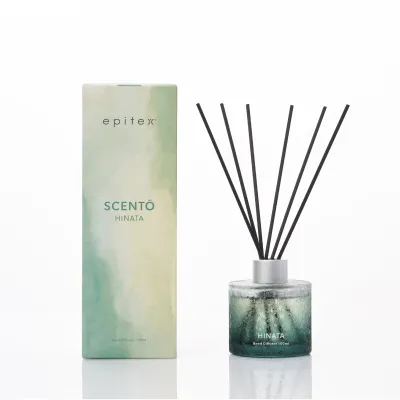
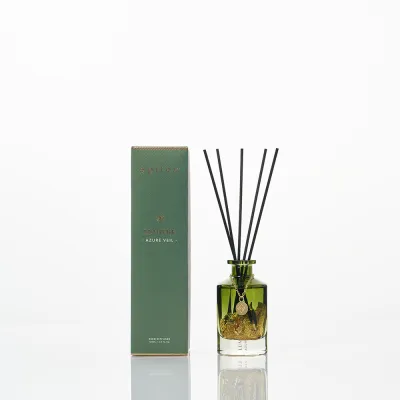
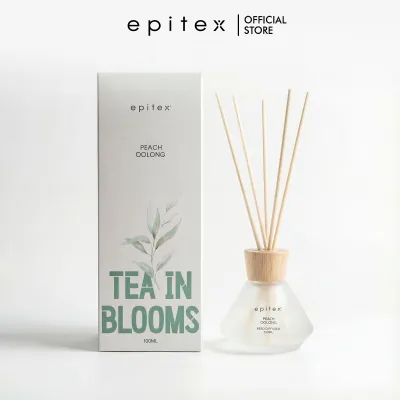
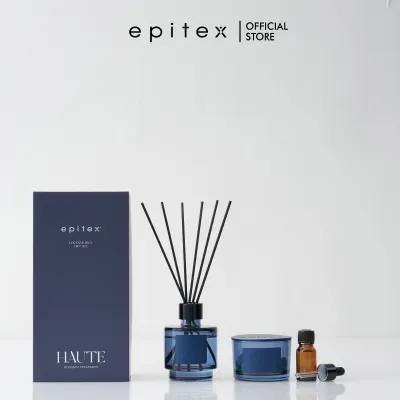
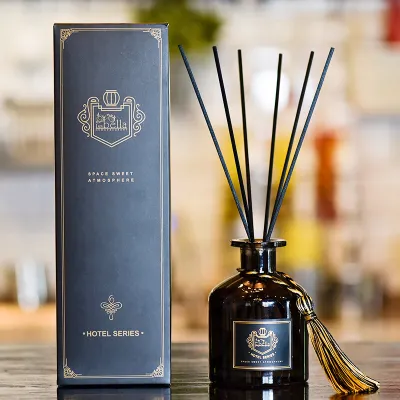
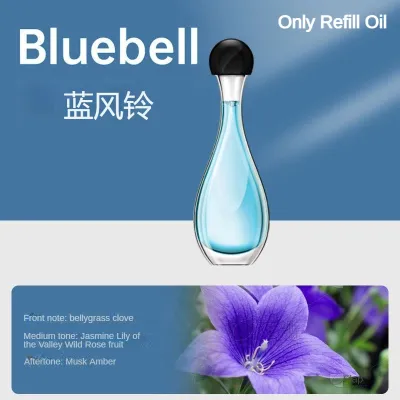
![(80+ Selections) Shangri-La Hotel/ Hilton Hotel/ Westin Hotel/ Lavender/ Jasmine/ Gardenia/ Ocean/ Bluebell/ Rose/ Osmanthus/ English Pear Freesia scent Premium Home Fragrance Reed Diffuser (50ml/ 180ml) / Reed Refill (60ml) Essential Oil [Re.D]](https://img.lazcdn.com/g/p/3531ee3b6bef554bf3880b269eb596d5.jpg_400x400q80.jpg_.webp)
![[KIRONA SCENT] Fragrance Spray 100ml | Use for Pillow Mist Room Linen & Fabric Spray | Luxurious Hotel Mall & Perfume Scent Gifts](https://img.lazcdn.com/g/p/0d4e43bb264fceec323854ddf7d8324f.png_400x400q80.png_.webp)
Prices are valid at publication and may change. Please refer to the product page for the latest price.
Understanding the difference in scent throw and longevity among various product types will help you set realistic expectations. Room sprays offer an immediate, concentrated burst of fragrance, making them excellent for rapid odor elimination or quick atmospheric shifts. Reed diffusers provide a continuous, passive scent throw that works silently in the background, though their evaporation rate increases in warm or highly ventilated areas. Scented candles rely on heat to melt wax and release fragrance, offering a localized, cozy throw that is highly dependent on the quality of the wax and wick material.
Evaluating a brand’s commitment to packaging and sustainability is also essential for long-term value and environmental responsibility. Many premium and artisanal brands now package their products in recyclable, heavy-duty glass bottles rather than single-use plastics. Additionally, look for brands that offer concentrated refill options for their diffusers and sprays. Purchasing refills allows you to reuse your original vessels, reducing packaging waste and lowering your ongoing cost per milliliter over time.
Exploring Brand Categories Available in Singapore
The room fragrance market in Singapore is highly diverse, ranging from budget-friendly mass-market options to ultra-luxury niche imports. Navigating this landscape requires understanding what different brand tiers offer in terms of ingredient complexity, packaging quality, and price points. Expect prices to range from under S$20 for basic commercial sprays to well over S$100 for luxury international creations, with each category serving distinct consumer preferences.

Homegrown and Local Artisans
Singapore-based artisanal fragrance brands have grown significantly in popularity, offering unique scent profiles tailored specifically to regional sensibilities. These local creators often draw inspiration from tropical botanicals, local heritage, and regional ingredients, featuring notes like pandan, lemongrass, orchid, ginger, or white tea. Because these products are formulated locally, they are often designed to perform optimally in humid climates, ensuring the scents remain fresh and airy rather than becoming heavy or cloying.
These homegrown brands are typically found in local lifestyle boutiques, design markets, and curated concept stores in neighborhoods like Tiong Bahru, Joo Chiat, or Orchard Road, as well as on their official websites. When purchasing from local artisans, verify their credibility by checking for official business registrations with the Accounting and Corporate Regulatory Authority (ACRA). Reading authentic customer reviews on independent platforms can also provide valuable insights into the longevity and actual performance of their scent formulations.
International and Niche Perfumery
For those seeking highly complex and sophisticated scent profiles, international and niche perfumery houses offer an unparalleled sensory experience. These established global brands typically employ master perfumers to design intricate scent pyramids, where the fragrance evolves beautifully over hours from top notes to deep base notes. The packaging is often a design statement in itself, featuring minimalist glass bottles, custom-designed spray mechanisms that produce an ultra-fine mist, and premium presentation boxes.
These premium brands are widely available at high-end department store counters along Orchard Road, dedicated brand boutiques, and authorized luxury beauty retailers. To ensure you are purchasing genuine products, avoid buying from unauthorized third-party sellers on online marketplaces, where counterfeit goods are common. Look for official distributor seals, or purchase directly from the brand’s physical store or authorized online portal to guarantee product authenticity.
Matching Scent Profiles to Your Living Spaces
Selecting a room fragrance is not just about personal preference; it is about matching the scent to the function, size, and ventilation of each room. In Singapore’s compact residential layouts, a scent that works beautifully in a spacious living room can easily overwhelm a small study or bedroom.
In living rooms and common areas, the goal is to create a welcoming, balanced atmosphere. Citrus notes like bergamot, grapefruit, and mandarin provide an uplifting, clean feel, while light woody notes like cedarwood or bamboo add grounding sophistication. These profiles keep the common areas feeling airy and bright, even when the windows are closed and the air conditioning is running.
For bedrooms and rest areas, opt for calming, low-throw scent profiles that promote relaxation and sleep without stimulating the senses. Lavender, chamomile, soft musks, and warm vanilla are excellent choices. Because bedrooms are often closed and air-conditioned overnight, a subtle, low-intensity fragrance is crucial to prevent waking up with a headache or respiratory discomfort.
Bathrooms and utility spaces are prone to high humidity, dampness, and lingering odors, requiring crisp, clean, and highly refreshing profiles. Eucalyptus, peppermint, rosemary, and fresh linen scents work exceptionally well here. A reed diffuser is often the best choice for bathrooms, providing a constant baseline of freshness, supplemented by a quick room spray when needed.
To achieve the perfect fragrance balance, consider layering different formats. For instance, place a low-intensity reed diffuser in a corner for a continuous background scent, and use a matching room spray to boost the fragrance intensity just before guests arrive. Always adjust the frequency of your sprays based on the room’s square footage and ventilation; well-ventilated rooms with open windows will require more frequent application than closed, air-conditioned spaces.
Where to Buy and What to Verify Before Purchasing
When shopping for room fragrances in Singapore, choosing the right purchasing channel is key to ensuring product safety and quality. Official brand boutiques and authorized department stores allow you to experience the scent in person before buying, which is highly recommended since fragrance is highly subjective. Reputable e-commerce platforms and official brand websites offer convenience, but require extra vigilance.
Be on the lookout for red flags that indicate low-quality or counterfeit products. Unusually low prices for premium brands, missing or incomplete ingredient lists, and a lack of manufacturer contact information are major warning signs. Cheap, unbranded room sprays often contain industrial-grade solvents or synthetic musks that can cause headaches, skin irritation, or respiratory issues when aerosolized.
Before finalizing your purchase, perform a few essential checks. Verify the product’s batch code and expiration date, particularly if you are buying natural essential oil blends, which can degrade and oxidize over time. Check the retailer’s return and exchange policies, especially for online orders, in case the product arrives with a defective spray nozzle, a broken seal, or leaks during transit.
Safety should always be a priority, especially in households with vulnerable members. If you have pets, be aware that many common essential oils—including tea tree, eucalyptus, citrus, and peppermint—are highly toxic to cats and dogs, even when dispersed in the air. Look for brands that explicitly label their products as pet-safe, or consult your veterinarian. For households with infants, elderly family members, or individuals suffering from asthma or allergies, opt for fragrance-free alternatives or extremely mild, natural formulations, and always ensure the space is well-ventilated during and after use.
Frequently Asked Questions (FAQ)
How long does a standard room spray typically last?
The longevity of a room spray’s scent depends on several environmental factors, including room size, ventilation, ambient humidity, and the concentration of fragrance oils in the formula. In a typical Singaporean home, the immediate top notes of a room spray will be highly noticeable for the first 15 to 30 minutes. As these lighter molecules evaporate, the heavier middle and base notes will linger in the air and on nearby surfaces for anywhere from one to four hours.
To extend the life of your room spray, avoid spraying it directly into empty air where the mist will quickly settle onto the floor and be swept away. Instead, lightly mist household fabrics such as curtains, cushions, fabric sofas, or rugs. The porous fibers of these textiles will trap the fragrance molecules and release them slowly over a longer period. Always test the spray on an inconspicuous patch of fabric first from a distance of about 30 centimeters to ensure the oils do not cause staining or discoloration.
Can I use room sprays around pets and children?
Using room sprays around pets and children requires careful consideration of ingredients and application methods. Many popular room fragrances contain essential oils or synthetic chemical compounds that can be harmful to sensitive respiratory systems. Cats and dogs have a much highly developed sense of smell than humans, making strong scents overwhelming for them, and their livers lack the enzymes needed to metabolize certain essential oils like tea tree, pennyroyal, wintergreen, and pine.
Before purchasing, carefully read the product labels to check for explicit pet-safe or child-safe certifications, or contact the manufacturer directly to verify their ingredient safety profiles. When applying room sprays, ensure the room is well-ventilated by turning on a ceiling fan or opening a window slightly. Never spray the product directly near pet beds, toys, high chairs, or baby cribs, and always store the bottles securely on high shelves or in closed cabinets out of reach of curious children and pets.

Community discussion
Share your experience or ask a question. Comments are reviewed before publication.