
Selecting the right scented candle tea light involves matching the fragrance family to your immediate environment, mood, or activity. Because these compact candles have a smaller wax pool and shorter burn time than larger jars, their scent throw is intimate and localized, making them ideal for targeted atmosphere-building. By understanding how different scent profiles interact with your senses and learning how to safely position them, you can easily curate a personalized sensory experience for relaxation, focus, or hosting.
Unlike larger candles that can dominate an entire home with fragrance, tea lights allow for subtle, localized scenting. This makes them highly versatile, as you can place different scents in different rooms or change them frequently to suit the time of day. To get the most out of these miniature mood-setters, it helps to understand the core fragrance families and how they influence the ambiance of your living space.
Understanding Fragrance Families for Mood Matching
Fragrance families are broad categories used to group scents based on their dominant olfactory characteristics. Recognizing these families allows you to predict how a candle tea light will make a room feel before you even light the wick.
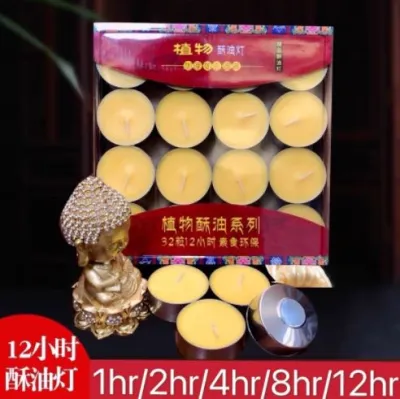
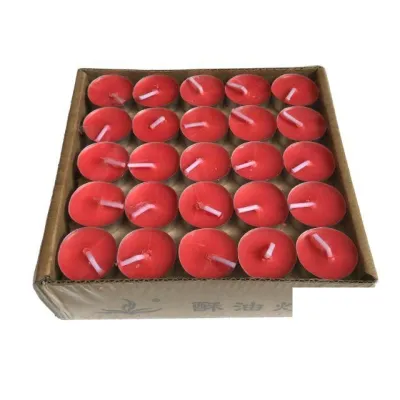
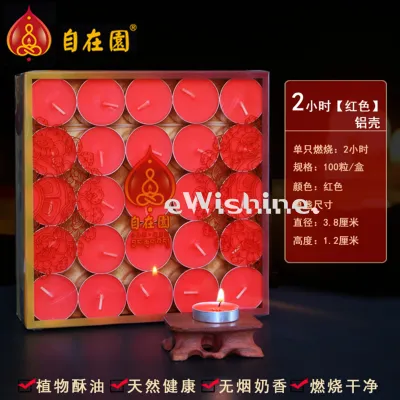
Products mentioned in this guide
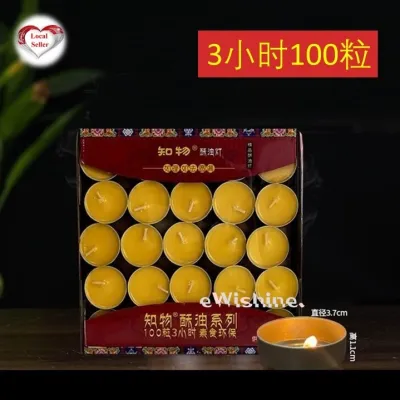
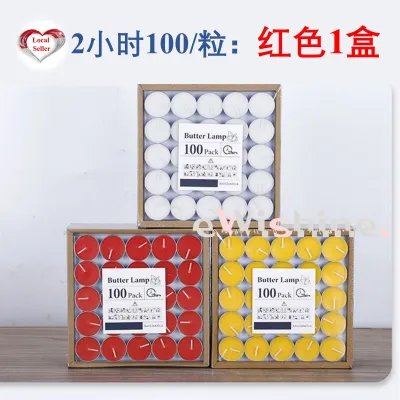

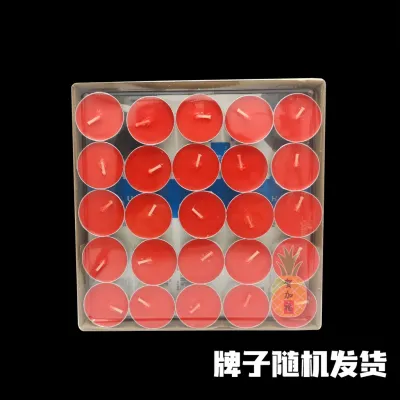
Prices are valid at publication and may change. Please refer to the product page for the latest price.
Floral notes, such as rose, jasmine, ylang-ylang, and peony, are classic choices for creating a romantic, elegant, or soothing environment. These scents tend to be soft and sweet, mimicking the natural aroma of fresh blossoms. They are highly effective at softening the atmosphere of a bedroom or living area, making the space feel more welcoming and serene.
Woody and earthy bases, including sandalwood, cedarwood, patchouli, and amber, provide a grounding and warm presence. These fragrances evoke the quiet stillness of a forest or the cozy warmth of a fireplace. Because they are less sweet and more robust, they are frequently chosen to establish a calm, focused, and deeply comforting environment.
Citrus and fruity accords, featuring notes of lemon, bergamot, grapefruit, and mandarin, are widely used for their energizing and uplifting qualities. These bright, crisp scents stimulate the senses and help clear mental fatigue. They are excellent for morning routines or spaces where you want to encourage activity, freshness, and a sense of renewal.
Herbal and fresh profiles, such as lavender, eucalyptus, rosemary, mint, and sea salt, are the traditional go-to options for relaxation and space-clearing. These clean, botanical aromas help mimic a professional spa environment at home. They are particularly suited for winding down after a long day or refreshing a room’s overall energy.
Matching Scents to Specific Occasions and Moods
Selecting a fragrance is not just about personal preference; it is also about matching the scent to the specific activity or time of day. Different scenarios call for different olfactory backdrops to enhance the experience without causing distraction.

For evening routines aimed at winding down before sleep, herbal profiles like lavender and chamomile are popular choices. When purchasing tea lights for this purpose, check the product labels for calming claims and verify if they contain genuine soothing extracts. Creating a quiet ritual of lighting a tea light an hour before bed can signal to your mind that it is time to rest.
When you need to support concentration during home office hours or quiet reading sessions, look for sharp, clarifying scent families. Rosemary, peppermint, and eucalyptus are excellent for maintaining focus and mental clarity. These herbal notes help keep you alert without the overstimulating effect that some heavy synthetic fragrances might cause.
Ambiance-building for dinner parties or hosting guests requires a delicate touch, as strong scents can interfere with the taste of food and drink. Opt for subtle, warm fragrances like light vanilla, fig, or soft woody notes, and avoid heavy florals or intense musks. Placing a few unscented or lightly scented tea lights along a dining table provides a warm glow without overpowering the culinary aromas.
To refresh spaces after cooking or to clear out dampness in utility areas, crisp or neutralizing scent profiles are highly effective. Lemongrass, citrus, and fresh linen scents help mask lingering odors and leave a clean impression. Using tea lights in these areas provides a quick, localized burst of freshness where it is needed most.
Practical Tips for Using Scented Tea Lights Effectively
Because of their small size, candle tea lights require specific handling to maximize their scent throw and ensure they burn safely from start to finish.
A single tea light has a limited wax pool, which restricts its scent coverage to a relatively small radius. In larger rooms or air-conditioned spaces where air currents quickly disperse the fragrance, you may need to place multiple units strategically to achieve an even scent distribution. Grouping them in safe clusters or spacing them out across a room can help build a more noticeable fragrance profile.
To ensure an even burn, allow the tea light to remain lit until the wax melts completely across the top surface, which prevents tunneling. Keep the wick trimmed to approximately 5mm before lighting to minimize soot and prevent the flame from flickering excessively. When you are ready to extinguish the candle, use a candle snuffer rather than blowing it out, as blowing can produce smoke that replaces the pleasant fragrance with a burnt smell.
Safety is paramount when dealing with open flames, especially with tea lights that sit low to surfaces. The metal or plastic cups holding the wax can become extremely hot during use, risking damage to the furniture underneath. Always place tea lights on heat-resistant surfaces, such as ceramic coasters, glass trays, or dedicated candle holders. Never leave a burning candle unattended, and ensure they are kept far away from drafts, flammable materials, pets, and children.
Evaluating Quality and Ingredients on the Label
Understanding what goes into your candle tea light is essential for both performance and household safety. Reading the product label carefully helps you make an informed decision before bringing a fragrance into your home.
The type of wax base used significantly affects how clean the candle burns and how well it carries scent. Common options include paraffin, soy, beeswax, and coconut wax, with many brands utilizing proprietary blends. Soy and beeswax are generally appreciated for producing less soot and burning more slowly, while paraffin is often selected for its strong immediate scent throw. Check the packaging to verify the wax composition to ensure it aligns with your preferences.
Labels will also indicate whether the candle uses synthetic fragrance oils or natural essential oils. Synthetic fragrance oils offer a wider variety of complex, long-lasting scents that remain stable over time. Essential oils provide a more subtle, natural botanical aroma, though they can be more sensitive to heat and light, potentially reducing their shelf life. Choosing between them depends on whether you prefer a strong, consistent scent or a mild, plant-derived fragrance.
Before lighting any scented product, perform a quick safety check regarding the members of your household. Certain essential oils and synthetic fragrances can trigger sensitivities or respiratory discomfort in pets, pregnant individuals, or those with asthma. If anyone in your home experiences irritation, headaches, or coughing, stop using the scented tea lights immediately and switch to unscented alternatives.
Frequently Asked Questions (FAQ)
Can I mix different scented tea light fragrances in the same room?
Yes, you can combine different scented tea lights to create a custom fragrance blend, provided the scent families complement one another. For example, pairing a woody sandalwood tea light with a bright citrus or a soft vanilla can create a warm, complex atmosphere. To avoid olfactory conflict or overwhelming the space, limit your blend to two or three complementary scents and avoid mixing heavy, clashing profiles like intense florals with strong spices.
How long does a standard scented tea light typically burn?
A standard candle tea light typically burns for approximately 3 to 5 hours. This duration can vary based on several factors, including the type of wax used, the size of the wick, and environmental conditions such as room temperature and drafts. To ensure you have enough burn time for your planned event or routine, always verify the specific burn-time estimates provided by the manufacturer on the product packaging.
Are scented tea lights safe to use in bathrooms or humid areas?
Scented tea lights can be used in bathrooms to create a relaxing environment, but high humidity and moisture can affect how the wick burns, sometimes causing sputtering or uneven melting. For safety, never place open flames near towels, shower curtains, or other flammable materials, and ensure the candle is placed on a stable, heat-resistant surface far from water sources. Always maintain proper ventilation in damp areas to prevent smoke buildup, and never leave a burning candle unattended.

Community discussion
Share your experience or ask a question. Comments are reviewed before publication.