
Choosing the right pooja table for your home is a deeply personal decision that harmonizes spiritual devotion with practical interior design. To select the perfect size and style, you must carefully evaluate your available household space, measure your sacred items, and choose durable materials that can withstand daily rituals. Balancing these elements ensures your prayer altar serves as a serene, beautiful focal point without cluttering your living environment or disrupting the flow of your home.
Assess Your Available Space and Placement Options
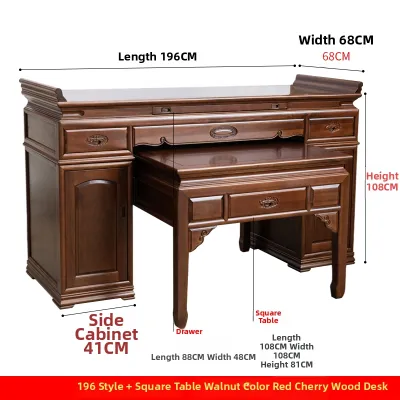
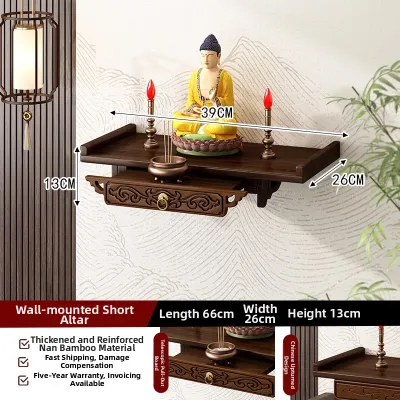
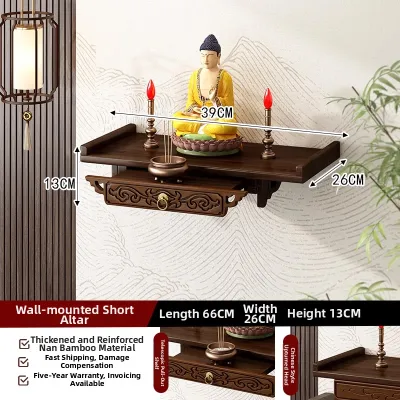
Before browsing designs, you must identify where the pooja table will reside and measure the area precisely. In many modern apartments or compact homes, floor space is at a premium, making wall-mounted altars or corner units highly efficient choices that keep the floor clear. If you have a dedicated prayer room or a spacious alcove, a freestanding floor-standing table can establish a grander, more traditional presence.
Traditional placement guidelines often dictate the orientation of the altar to foster positive energy. Many households prefer placing the pooja table in the northeast corner of the home, or positioning it so the worshipper faces east during prayers. You should verify these directional preferences with your family’s specific cultural practices before finalizing the location, as this will influence which wall or corner you use.
Products mentioned in this guide
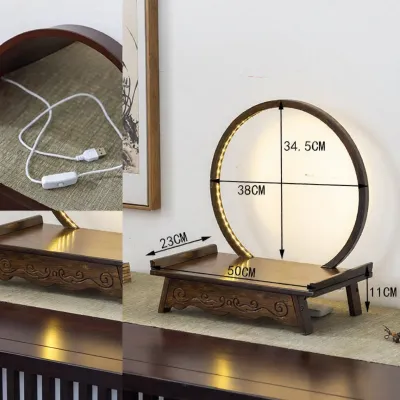
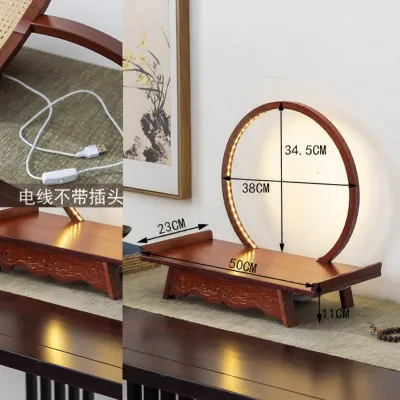
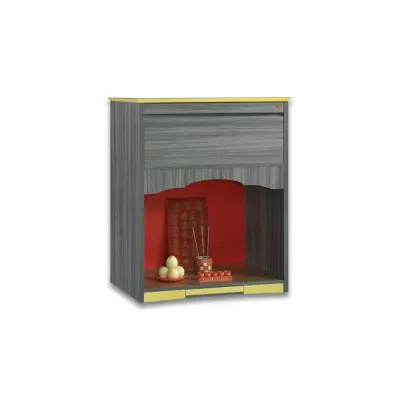
Prices are valid at publication and may change. Please refer to the product page for the latest price.
Do not forget to account for physical clearance around the unit, including the swing path of nearby doors and cabinets. Daily prayers often involve sitting on the floor, kneeling, or standing for extended periods, which requires dedicated room. Ensure there is at least 60 to 90 centimeters of open space in front of the table to accommodate floor mats, cushions, and comfortable movement without blocking main household walkways.
Determine the Right Dimensions for Your Ritual Items
The physical dimensions of your pooja table must directly accommodate your collection of sacred items to prevent a cluttered appearance. Begin by gathering all the idols, framed pictures, traditional lamps, and offering brassware you plan to display. Measure the collective footprint of these items on a flat surface to determine the minimum width and depth required for the main tabletop.

Overcrowding a sacred space can make daily rituals cumbersome and increase the risk of accidental spills or fire hazards. Ensure there is at least a few centimeters of breathing room between each item so you can easily lift and clean them. If you plan to use large brass lamps or heavy stone idols, verify that the table surface is deep enough to keep these items safely away from the front edge.
Height is another critical factor that depends entirely on your style of worship and physical comfort. If you prefer to sit on the floor during prayers, a lower table height of 30 to 45 centimeters keeps the deities at an appropriate eye level. For standing worship, a table height of 75 to 90 centimeters is more ergonomic, preventing the need to bend constantly during rituals.
Additionally, consider vertical clearance if your chosen design features multiple tiers, steps, or an overhead canopy. A traditional dome or gopuram structure adds significant height to the unit, which can clash with low ceilings or wall-mounted shelves. Ensure your wall space or ceiling height can accommodate this vertical profile, especially if you are mounting the table on a wall.
Choose a Design That Fits Your Practices and Home Decor
The visual design of your pooja table should complement your home’s existing aesthetic while supporting your daily spiritual routines. Open-shelf designs offer immediate accessibility and a light, airy feel, making them ideal for quick daily prayers and easy maintenance. However, they expose your sacred items to dust and require frequent tidying to maintain a serene look.
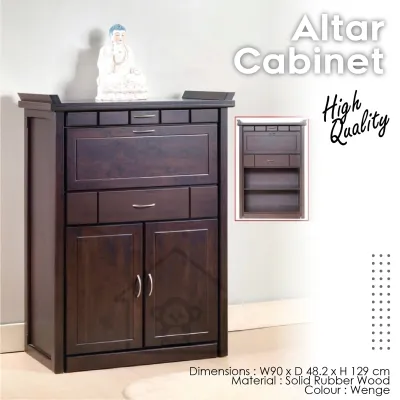
Enclosed cabinets with doors provide a sense of privacy and allow you to conceal the altar when it is not in use. This is particularly useful if your pooja table is located in a multi-purpose room like a living area, dining space, or study. Some modern designs feature folding, pocket, or sliding doors that tuck away neatly during prayer times to save space.
Aesthetic integration is key to making the altar feel like a natural extension of your home rather than an afterthought. If your living space features modern, minimalist decor, look for a pooja table with clean lines, light wood finishes, or sleek marble surfaces. For homes with a more traditional or classic interior style, intricately carved wooden motifs, ornate pillars, and rich, dark wood stains can create a beautiful, authentic atmosphere.
Evaluate Materials, Storage, and Practical Features
Selecting the right material is vital for both the longevity of the pooja table and the ease of its daily maintenance. Solid woods like teak or sheesham are highly durable and offer a classic, warm aesthetic, though they require periodic polishing to maintain their shine. Engineered wood or MDF options are lighter and more budget-friendly, but you must ensure they have a high-quality, moisture-resistant finish to protect against water damage.
Daily rituals often involve liquids, oils, and burning incense, which can easily stain or damage unprotected surfaces. Consider choosing a table with a glass, metal, or marble inlay on the main shelf to make cleaning oil spills and soot effortless. Marble and stone tables are exceptionally durable and resistant to heat, but they are heavy and require sturdy floor support or professional wall-mounting.
Integrated storage is a highly practical feature that keeps your prayer space organized and clutter-free. Look for designs that include drawers or lower cabinets to store matchboxes, incense sticks, extra wicks, prayer books, and holy water vessels. A pull-out tray or drawer is also incredibly useful for holding offering plates or hot lamps temporarily during rituals.
Always verify the structural stability and weight capacity of the shelves, especially if you plan to display heavy brass or stone deities. Wall-mounted units must be secured with appropriate heavy-duty anchors and brackets suitable for your wall type, whether concrete or drywall. If you are unsure about the load-bearing capacity of your walls or the mounting hardware, consult a professional installer to prevent dangerous falls.
Plan for Lighting and Electrical Safety
Proper illumination enhances the serene ambiance of your pooja space, but it must be planned with safety as a top priority. If you use traditional oil lamps or candles, ensure there is ample vertical clearance above the flame to prevent scorching the wood or canopy. Never leave open flames unattended, and keep flammable items like incense packets, matchboxes, and cotton wicks at a safe distance.
For modern, low-maintenance lighting, integrated LED strips or small spotlights are excellent choices. LEDs emit minimal heat, are energy-efficient, and can be tucked away discreetly under shelves to create a soft, warm glow. When choosing electrical fixtures, ensure they carry recognized local safety marks and certifications to guarantee they are safe for continuous indoor use.
If your pooja table requires hardwiring or complex electrical installations, always isolate the power supply before handling any wires and hire a qualified electrician to complete the work. Ensure all power cables are routed neatly behind the unit to prevent tripping hazards or damage from pinching. If you are using wall-mounted units, plan the placement near an existing electrical outlet to avoid running unsightly and hazardous extension cords across your walls.
Frequently Asked Questions (FAQ)
Can I place a pooja table in a shared living area or bedroom?
Yes, you can place a pooja table in a shared living area or bedroom, provided you make a few practical adjustments to maintain a respectful and peaceful environment. In a shared living room, using a cabinet-style design with doors allows you to close the altar when hosting guests or during non-prayer hours. If placing the table in a bedroom, position it away from the foot of the bed and consider using a small room divider, curtain, or folding screen to separate the sacred space from your sleeping area.
How do I maintain and clean a wooden pooja table safely?
To maintain a wooden pooja table, wipe it down regularly with a soft, dry microfiber cloth to remove dust and incense ash. For stubborn oil spills or wax residue, use a slightly damp cloth with a mild, pH-neutral soap, and dry the surface immediately to prevent moisture from warping the wood. Avoid using harsh chemical cleaners, abrasive scrubbing pads, or excessive water, as these can strip the protective sealant and damage the natural wood grain over time. Applying a specialized wood polish once or twice a year can help preserve its luster.

Community discussion
Share your experience or ask a question. Comments are reviewed before publication.