
Singapore’s Housing & Development Board (HDB) flats are designed for structural efficiency, safety, and community living. However, when an unexpected power outage occurs, the unique architectural features of these public housing units can present distinct challenges. From windowless bathrooms to reinforced household shelters, navigating a darkened flat requires a reliable, well-chosen emergency light. Selecting the right model from a versatile brand like Sofirn involves more than simply picking the brightest option available on an online marketplace. It requires a systematic evaluation of your flat’s layout, a clear understanding of manufacturer specifications, and a practical approach to battery maintenance and safety. This guide provides a comprehensive framework to help you identify the most suitable emergency lighting solutions tailored to the specific needs of your HDB home.
Assessing Emergency Lighting Needs for Your HDB Layout
To build an effective emergency lighting plan, you must first analyze the physical layout of your HDB flat. Modern Build-To-Order (BTO) flats and older generation units alike feature specific zones that are highly vulnerable to complete darkness. The household shelter, constructed with thick, reinforced concrete walls and a heavy steel door, is a prime example. If a power failure occurs while you are inside or if you use this space for storage, natural light cannot penetrate it. Similarly, many HDB layouts place bathrooms deep within the floor plan, leaving them entirely windowless. A sudden blackout in a wet, tiled bathroom creates an immediate slip-and-fall hazard, making localized backup lighting in these zones an absolute priority.
Next, consider the transitional spaces within your home. Narrow corridors connecting bedrooms to the living area can become hazardous obstacles in the dark, especially for households with young children or elderly family members. The main living and dining areas, being larger and more open, require a different lighting strategy altogether. While a narrow corridor benefits from a directional beam that guides movement, a spacious living room requires broad, ambient illumination that allows the entire family to gather comfortably without feeling confined to a single spot.
Products mentioned in this guide
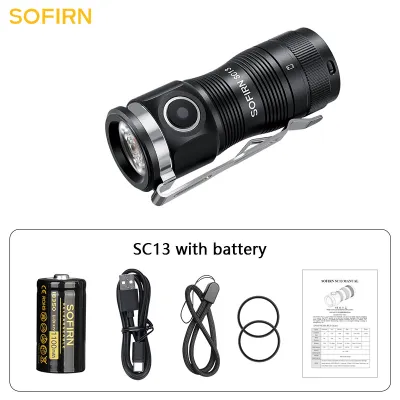
Prices are valid at publication and may change. Please refer to the product page for the latest price.
The physical dimensions and interior finishes of your flat also play a significant role in light distribution. Standard HDB ceiling heights typically range from 2.6 to 2.8 meters. Light-colored walls, which are common in Singaporean homes to maximize the sense of space, act as natural reflectors. If your flat features white or light beige walls, a light source with a wide beam angle can bounce off these surfaces, effectively illuminating the entire room even at lower brightness levels. Conversely, if your home features darker accent walls or heavy wooden cabinetry, you will need to account for higher light absorption and potentially select a model with a higher lumen output to achieve the same level of visibility.
Finally, distinguish between your need for portable task lighting and fixed area illumination. Portable lighting, such as a compact flashlight, is essential for active tasks like navigating to the main electrical distribution board (DB box) to check circuit breakers. Fixed area illumination, such as a stationary lantern or a wide-angle panel light, is designed for hands-free use, allowing you to illuminate a room continuously while keeping your hands free for emergency tasks, reading, or caring for family members.
Key Specifications to Check on Sofirn Product Labels
When evaluating Sofirn emergency lights, reading the manufacturer’s product labels and technical specifications carefully is crucial to ensure the device meets your expectations. The first specification to analyze is the lumen output, which measures the total amount of visible light emitted by the source. It is common to see high maximum lumen ratings advertised, but these peak outputs often run on a temporary “turbo” mode that drains the battery rapidly and generates significant heat. Instead, look at the continuous lumen ratings on the product label. For general area lighting in an HDB living room, a continuous output of 150 to 300 lumens is generally sufficient, while a smaller space like a bathroom or utility closet can be comfortably illuminated with 50 to 100 lumens.

Along with lumens, examine the beam angle and beam distance specifications. A wide beam angle, often achieved through a frosted diffuser or a dedicated lantern design, spreads light evenly across a wide area, reducing harsh shadows and glare. A narrow beam angle, typical of standard flashlights, concentrates the light into a tight spotlight, which is excellent for long-distance visibility but less effective for illuminating a shared room.
Battery capacity and runtime are equally critical. Look for the battery capacity stated in milliampere-hours (mAh) on the packaging. To understand how long the light will actually last during an outage, locate the runtime table on the manufacturer’s label. This table details the estimated operating hours for each brightness level. A reliable emergency light should be capable of running for at least 6 to 8 hours on a medium setting, ensuring it can last through a typical overnight power disruption. Avoid relying solely on the maximum runtime specification, as this is calculated using the lowest “eco” or “moonlight” setting, which may not provide enough light for practical use.
Ingress Protection (IP) ratings must be verified to ensure the light can withstand the environmental conditions of specific rooms. The IP rating consists of two digits: the first indicates protection against solid particles like dust, and the second indicates protection against liquids. For emergency lights intended for use in humid HDB kitchens or bathrooms, look for an IP rating of at least IPX4, which certifies protection against splashing water from any direction. If you anticipate using the light near wet areas, a higher rating such as IPX6 or IPX7 provides greater peace of mind against water ingress.
Lastly, evaluate the color temperature options specified by the manufacturer, measured in Kelvin (K). Cool white light, typically ranging from 5000K to 6500K, provides high contrast and clarity, making it ideal for task-oriented activities or searching through storage. Warm white light, ranging from 2700K to 3500K, emits a softer, yellowish glow that is much gentler on the eyes. During a stressful power outage, warm white light can help maintain a calm, comfortable atmosphere in the home, reducing eye strain during extended periods of use.
Matching Sofirn Form Factors to HDB Room Configurations
The physical design, or form factor, of an emergency light determines how effectively it integrates into your HDB flat’s layout and daily storage routines. Compact flashlights equipped with magnetic tail caps are exceptionally versatile for public housing units. In most HDB flats, the electrical distribution board (DB box) is housed behind a metal door or located near the entrance. A flashlight with a strong magnetic base can be securely attached directly to the metal DB box door or any other magnetic surface, pointing downward to provide hands-free illumination while you inspect the circuit breakers or wait for power to be restored.
For open-plan living and dining areas, lantern-style or panel-style lights are highly effective. These models typically feature a wide, stable base that allows them to sit securely on dining tables, coffee tables, or kitchen countertops without the risk of tipping over. Many lanterns also incorporate integrated hanging hooks or folding handles, enabling you to suspend them from ceiling fan hooks, picture rails, or wall pegs to cast light downward, mimicking the natural overhead lighting of the room.
If you prefer a semi-permanent setup, consider wall-mounted or fixed emergency units. Before installing these, verify the mounting hardware requirements and weight limits specified by the manufacturer. HDB walls are typically constructed of solid concrete or precast panels, which require appropriate wall plugs and masonry drill bits for secure mounting. Ensure that any wall-mounted light has sufficient clearance from nearby curtains, shelving, or overhead cabinets to prevent obstruction and allow easy access when you need to retrieve the unit.
Multi-functional designs offer additional utility during prolonged outages. Some larger Sofirn models are designed to double as portable power banks, featuring USB output ports that allow you to charge mobile phones or other small electronic devices. When selecting a multi-functional model, check the output specifications to ensure compatibility with your devices. Keep in mind that using the light to charge a phone will draw significant power from the internal battery, thereby reducing the remaining runtime available for illumination.
Managing Power, Charging, and Battery Longevity
To ensure your emergency light is ready when you need it most, proper power management and battery care are essential. Most modern Sofirn models utilize standard USB-C charging interfaces, which align perfectly with the common charging cables used for modern smartphones and tablets in Singapore households. While this convenience is highly beneficial, always verify the input voltage and current requirements (such as 5V/1A or 5V/2A) printed on the light’s housing or in the user manual. Using an incompatible or low-quality charging adapter can lead to inefficient charging or potential damage to the internal charging circuitry.
The majority of high-performance emergency lights rely on rechargeable lithium-ion battery chemistry, typically in standard sizes like 18650 or 21700 cells. While lithium-ion batteries offer excellent energy density and low self-discharge rates, they require specific care to maintain their longevity. Storing these batteries at absolute maximum charge or allowing them to drain completely to 0% for extended periods can accelerate capacity degradation. To optimize battery health, manufacturer guidelines generally recommend storing the light at approximately 50% to 80% charge in a cool, dry place, and performing a maintenance top-up charge every three to six months.
Understanding the indicator lights and smart features of your device is also key to effective maintenance. Look for models that feature clear, multi-stage battery level indicators, such as a series of small LEDs or a digital percentage display. This allows you to quickly assess the remaining power during an outage or check the charging progress. Additionally, verify if the model includes built-in safety features such as overcharge protection, which automatically stops the flow of current once the battery is fully charged, and low-voltage warning systems that alert you when the battery is nearing depletion.
Safety Clearances and Installation Boundaries
Operating high-output LED emergency lights safely within an HDB flat requires adherence to specific physical and electrical boundaries. High-power LEDs can generate substantial heat at the light head during continuous operation on high settings. To prevent overheating, always maintain adequate safety clearances around the light housing. Avoid placing an active high-output light inside enclosed wooden cabinets, on cluttered shelves, or near flammable materials such as paper, cardboard, or synthetic fabrics. Check the manufacturer’s instructions to see if the model features automatic thermal regulation, which reduces brightness dynamically to protect the internal components from heat damage.
Electrical safety during the charging process is another critical consideration. Always connect your emergency light’s charging cable to a high-quality USB wall adapter that carries the local safety certification mark (such as the Safety Mark in Singapore). Avoid daisy-chaining multiple extension cords or overloading power strips with multiple high-draw devices while charging your emergency lights, as this can lead to electrical faults or fire hazards.
Finally, understand the boundaries between portable emergency lighting and fixed, hardwired systems. Portable or plug-in emergency lights are highly convenient and sufficient for typical residential power outages. However, if your specific layout or household needs require a permanent, hardwired emergency backup system connected directly to your flat’s consumer unit, do not attempt to install this yourself. Any modifications to fixed electrical wiring must be carried out by a licensed electrical worker to ensure compliance with local electrical safety standards and building regulations.
Frequently Asked Questions (FAQ)
Can I use a Sofirn emergency light in my HDB bathroom?
Yes, you can use a Sofirn emergency light in your HDB bathroom, provided you verify that the specific model carries an appropriate Ingress Protection (IP) rating. Look for a rating of at least IPX4 on the product label, which indicates the device is protected against splashing water and high humidity. Avoid placing the light directly in wet zones, such as inside the shower cubicle or next to the basin, and always dry the exterior of the unit thoroughly with a clean cloth after use in damp environments to prevent moisture from entering the charging port.
How long will the battery last if left unplugged in a closet?
Rechargeable lithium-ion batteries naturally experience a slow loss of charge over time, even when the light is turned off, due to self-discharge. Typically, a healthy battery stored in a cool, dry closet can retain a functional charge for several months. However, to ensure the light is fully operational during an unexpected blackout, you should establish a routine testing schedule. It is highly recommended to retrieve the light every three months to check the battery indicator, perform a brief test run, and top up the charge according to the manufacturer’s storage guidelines.

Community discussion
Share your experience or ask a question. Comments are reviewed before publication.