
Selecting a statue base requires balancing physical stability with visual harmony. A well-chosen base anchors the sculpture, prevents accidental tipping, protects delicate tabletop surfaces, and elevates the artwork to its proper viewing angle. Whether displaying a heavy bronze sculpture, a delicate porcelain figurine, or a modern abstract piece, the base serves as both a structural foundation and an aesthetic frame. By understanding how to measure your piece, evaluate material compatibility, and secure the installation, you can create a safe and visually striking display that complements your home’s interior design.
Assess Your Statue's Dimensions and Weight
To ensure a secure display, you must first determine the physical load-bearing and dimensional requirements of your statue. Begin by measuring the exact footprint of the sculpture at its widest and deepest points. This is not always as simple as measuring the bottom of the stand; some statues have limbs, drapery, or structural elements that extend far past the actual contact patch. Measuring the absolute maximum width and depth establishes the minimum surface area your base must cover to prevent the piece from looking crowded or top-heavy.
Next, evaluate the statue’s center of gravity. An asymmetrical sculpture, a top-heavy figure, or a piece with a very narrow stance presents unique stability challenges. For example, a tall, slender bronze figure might have a high center of gravity, making it highly susceptible to tipping if the base is too light or narrow. If the statue leans in one direction, the base must provide counter-ballasting weight or extend further in the direction of the lean to distribute the physical load evenly.
Products mentioned in this guide
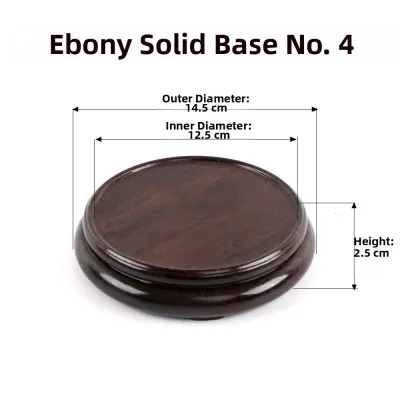
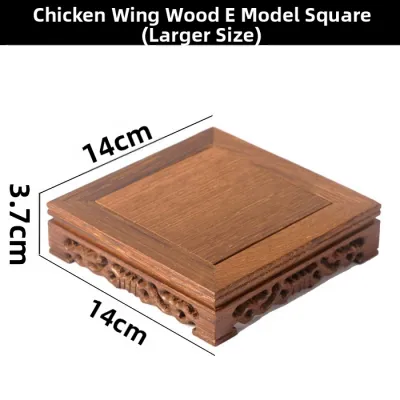
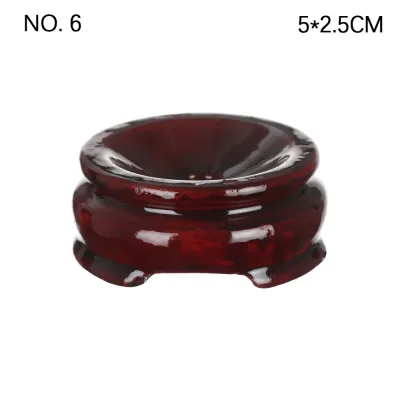
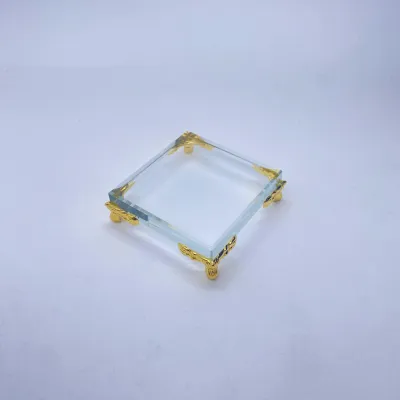
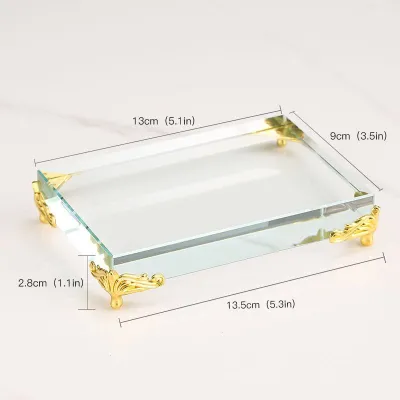
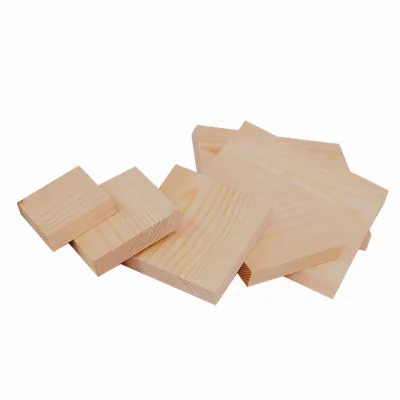
Prices are valid at publication and may change. Please refer to the product page for the latest price.
Before purchasing a base, check the weight of your statue against the material strength indicators of potential supports. Heavy stone, marble, or bronze sculptures require dense, solid bases like granite, heavy hardwood, or reinforced metal. Lightweight acrylic or hollow wood bases may warp, crack, or bow under excessive weight over time. In Singapore’s humid climate, certain composite materials can also lose structural integrity if subjected to constant heavy loads in non-air-conditioned spaces, making solid, moisture-resistant materials a safer choice.
Finally, establish a clear visual margin rule. A statue should never sit flush with the very edge of its base, as this creates a cramped, unstable appearance. As a general guideline, allow a margin of at least two to five centimeters of exposed base surface around the entire perimeter of the statue’s footprint. This border acts as a visual buffer, framing the artwork while physically lowering the risk of a corner strike if the display is bumped.
Match the Base Style to Your Statue and Space
Selecting the right style involves finding a material, shape, and finish that complements the statue’s artistic style while integrating smoothly with your room’s decor. Common base materials include solid wood, metal, acrylic, and stone, each offering distinct tactile and visual properties. Solid wood bases, such as walnut or mahogany, add warmth and organic texture, making them ideal for classical sculptures, clay pieces, or traditional wood carvings. Acrylic bases offer a clean, minimalist aesthetic, virtually disappearing under the statue to make lightweight glass or modern resin figurines appear as if they are floating.

The geometric shape of the base should harmonize with both the statue’s silhouette and the surrounding furniture lines. Square and rectangular bases provide strong, structured lines that work well with architectural or highly geometric sculptures, aligning neatly with the edges of bookshelves, mantels, or console tables. Circular or oval bases, on the other hand, soften the presentation and are highly effective for organic, flowing figures or classical busts, allowing the viewer’s eye to glide around the piece without being stopped by sharp corners.
Color and finish contrasts dictate whether the base acts as a subtle support or a dramatic framing element. A dark, matte black wooden base can create a striking contrast beneath a white marble or light ceramic statue, drawing attention directly to the artwork. Conversely, matching the base color closely to the statue’s material—such as placing a bronze figurine on a dark bronze-finished metal plate—creates a seamless, monolithic look. Ensure the finish does not compete with the art; highly polished, glossy bases can distract from the intricate details of a matte-finished sculpture by casting unwanted reflections.
Consider the visual weight of the base material to maintain proper proportions. A delicate, thin-walled porcelain figurine will look overwhelmed by a massive, chunky block of rough-hewn granite. Similarly, a heavy, dark bronze statue will look physically and visually unstable if placed on a thin, transparent acrylic sheet. The base should always look capable of supporting the weight of the statue, providing a sense of visual grounding and permanence.
Consider the Display Environment and Placement
The physical location of your display dictates the appropriate height and proportions of both the statue and its base. Applying eye-level placement principles ensures that the artwork can be appreciated from the most comfortable viewing angle. For floor-standing displays, taller pedestals or columns are necessary to bring smaller or medium-sized statues up to eye level, preventing viewers from having to look down at the piece. Conversely, for statues placed on eye-level shelves, fireplace mantels, or low coffee tables, a flat, low-profile base is often chosen to keep the artwork from towering awkwardly over the room.
Spatial clearance is another critical factor, especially when displaying art in compact urban living spaces, such as Singapore apartments. Measure the combined height and width of both the statue and the proposed base to ensure they fit comfortably within the designated nook, alcove, or shelving unit. Leave at least ten to fifteen centimeters of empty space above the top of the statue to prevent the display from looking cramped or squeezed into the shelving.
Lighting conditions significantly affect how the base material behaves in your space. If your display is positioned near a window with bright natural light or directly under a spotlight, highly reflective materials like polished brass, stainless steel, or high-gloss acrylic can create harsh glares that obscure the details of the statue. Matte or satin finishes on wood, stone, or brushed metal absorb and diffuse light more evenly, maintaining a consistent appearance throughout the day.
Finally, assess the background contrast of your display area. A dark wood base placed against a dark mahogany bookcase can cause the bottom of your display to disappear into the shadows, making the statue look unsupported. In such cases, choosing a lighter stone or metallic base helps separate the display from the background, ensuring the entire composition remains distinct and visually engaging against the wall or shelving backing.
Step-by-Step Guide to Selecting and Securing the Base
Executing a successful display setup requires a systematic approach to selection and installation. Before browsing online marketplaces or local home decor boutiques, compile a comprehensive measurement and weight checklist. Note down the statue’s weight, the exact dimensions of its footprint, the maximum width of the sculpture, and the available clearance height of your display space. Having these figures on hand allows you to quickly filter out bases that are too light, too small, or too tall for your specific setup.
Once your chosen base arrives, inspect it thoroughly for structural integrity before placing your artwork on it. Check for any warping along the bottom surface, sharp edges that could scratch your furniture, or uneven feet that might cause the base to wobble. Place the base on a completely flat surface and press down on its corners; if there is any movement, use adhesive felt pads on the underside to level it out and protect your tabletop from scratches.
To prevent accidental damage from household activity, vibrations, or minor tremors, select an appropriate, reversible securing method. For stone, ceramic, or glass statues on smooth bases, museum wax or museum gel provides an excellent, residue-free hold that can be easily removed or adjusted without damaging the artwork’s finish. For wooden or painted surfaces, non-slip silicone pads or removable mounting putty offer a secure grip without leaving oily stains or stripping away delicate paint. Avoid permanent adhesives, epoxy, or heavy-duty double-sided tapes, as these can permanently bond the statue to the base, destroying its value and making future cleaning or relocation impossible.
Always monitor for specific stop conditions during the setup process. If the statue continues to wobble even after applying securing putty, or if you notice the base material bowing, cracking, or showing signs of stress under the weight, stop immediately. These signs indicate that the base is structurally inadequate or that the surface beneath it is uneven. In such cases, remove the statue safely and consult a professional framer or structural specialist, or select a heavier, more robust base to ensure long-term safety.
Frequently Asked Questions (FAQ)
Can I use a smaller base if my statue is lightweight?
Weight alone does not determine the safety or suitability of a statue base. Even if a figurine is exceptionally light, its center of gravity and overall footprint are the primary factors that dictate stability. A tall, lightweight plastic or resin statue can easily tip over if its base is too small, as any minor vibration, draft, or accidental bump can disrupt its balance. Furthermore, a base that is smaller than the widest point of the statue creates a top-heavy visual imbalance, making the display look precarious and unfinished. Always select a base that extends beyond the statue’s widest dimensions to ensure physical stability and visual proportion.
How do I prevent the statue from slipping off a smooth base?
Securing a statue on a low-friction surface, such as polished marble, glass, or lacquered wood, requires non-destructive friction-enhancing materials. Reversible, residue-free adhesives like museum wax or clear display gel are highly recommended for non-porous surfaces, as they grip firmly but release easily with a gentle twist. For porous materials or delicate finishes, placing thin, self-adhesive felt rings or discreet silicone non-slip pads under the statue’s contact points provides excellent grip without chemical adhesives. Never use permanent glues, hot melt adhesives, or industrial tapes, as these can permanently mar the finish of both the statue and the base.

Community discussion
Share your experience or ask a question. Comments are reviewed before publication.