
Choosing the perfect vase for a plant is a balancing act between biological necessity and aesthetic design. While a vessel’s color and texture contribute to your interior decor, its physical shape directly influences soil aeration, moisture retention, and structural stability. Matching the right container shape to your specific plant type—whether it is a drought-tolerant succulent, a cascading vine, or a delicate cut flower—is essential for preventing root issues and ensuring the display remains upright and secure.
Understanding the Relationship Between Vase Proportions and Plant Health
To select an appropriate vessel, you must first understand how different plants occupy underground space. Some species develop deep taproots that require vertical clearance, while others spread fibrous roots horizontally near the soil surface. Placing a shallow-rooted plant in an excessively deep container often leads to a zone of stagnant, unused soil at the bottom, which retains moisture and invites fungal pathogens.
Visual weight is another critical factor. A top-heavy plant with dense foliage requires a vase with a broad, heavy base to lower the overall center of gravity. If the vessel is too light or narrow at the bottom, the physical leverage of the plant’s upper growth can easily cause the entire arrangement to tip over, risking damage to both the plant and your home surfaces.
Products mentioned in this guide
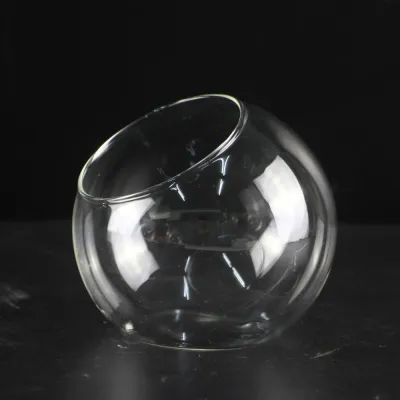
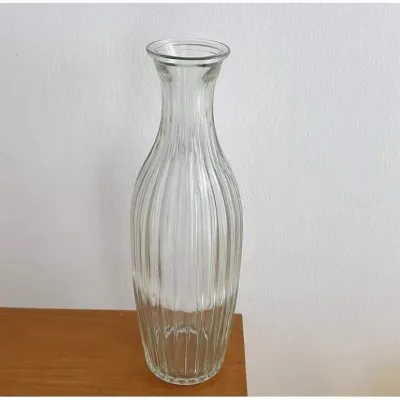
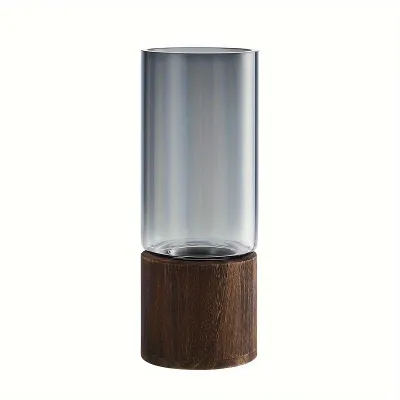
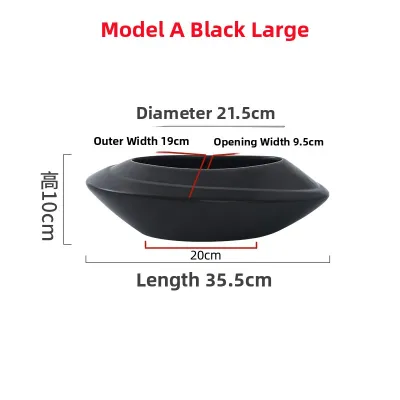
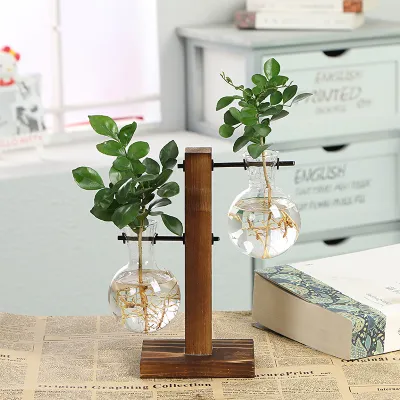
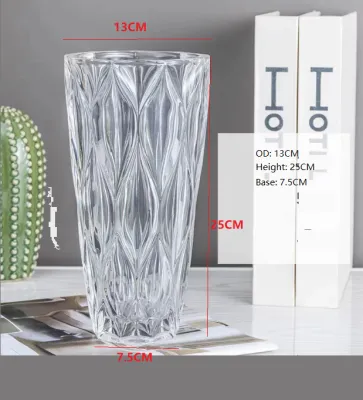
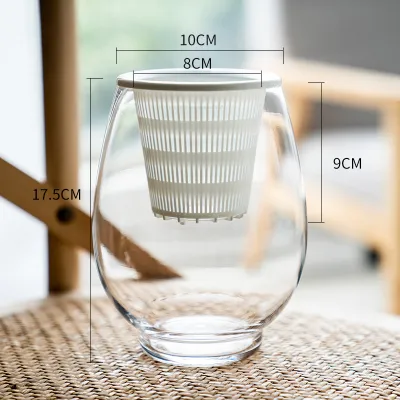
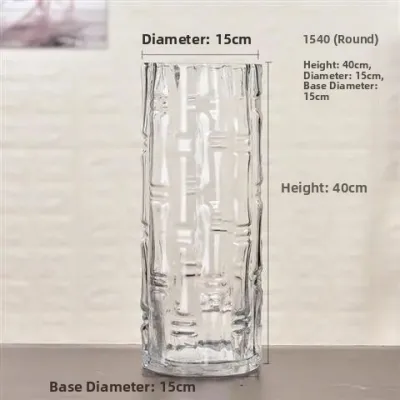
Prices are valid at publication and may change. Please refer to the product page for the latest price.
Always check the manufacturer’s specifications regarding weight limits and installation environments. This is particularly vital for wall-mounted or hanging vessels, where the combined weight of the pot, wet soil, and growing plant can quickly exceed standard mounting hardware capacities. For outdoor or balcony settings, ensure the material is rated to withstand local environmental factors like intense sunlight or heavy rain.
Vase Shapes for Succulents and Shallow Root Systems
Succulents and cacti are adapted to arid environments where water is scarce and soils drain rapidly. Consequently, their root systems are typically shallow and highly sensitive to prolonged moisture. The ideal vase for these plants is a wide, shallow bowl or trough that mimics their natural habitat by allowing the soil to dry out quickly.

A wide opening maximizes the surface area of the soil exposed to the air, which significantly accelerates evaporation. This design prevents water from pooling around the delicate root collar. Conversely, deep or narrow-necked vessels should be avoided for succulents; these shapes trap humid air inside the container, creating a damp microclimate that rapidly triggers root rot and stem collapse.
When selecting a shallow vessel, verify whether it features built-in drainage holes. If you prefer a decorative piece without drainage, plan to use it as an outer cover (a cachepot) for a slightly smaller, draining nursery pot. This setup allows you to remove the succulent for watering, let the excess moisture drain away completely, and then return it to its decorative display container.
Vase Shapes for Trailing and Cascading Plants
Trailing and cascading plants, such as pothos, English ivy, or string of pearls, require vessels that accommodate downward growth while maintaining physical stability. Because these plants naturally drape over the edges of their containers, they are best suited for elevated positions. Pedestal vases, wall-mounted planters, and hanging baskets are excellent choices that allow vines to descend without restriction.
As trailing vines grow longer and denser, they exert a significant downward pull on one side of the vessel. To prevent the container from tipping off a shelf or mantel, choose a vase with a heavy, wide base that counterbalances this shifting center of gravity. Ceramic, stone, or heavy terracotta vessels provide the necessary ballast to keep the arrangement secure.
Pay close attention to the design of the vase’s rim. A sharp, thin, or unglazed edge can act like a blade under the weight of heavy, water-filled vines, potentially crimping or slicing through the stems. Opt for vessels with rounded, smooth, or flared rims that gently support the draping stems as they transition over the edge.
For suspended installations, safety is paramount. Hanging planters and wall-mounted vases constitute suspended loads that require secure anchoring. Always verify the weight capacity of your ceiling hooks or wall anchors, ensuring they are rated for the maximum expected weight of the fully watered plant. If you are installing heavy ceramic or stone vessels at height, or if you are unsure of your wall’s structural integrity, consult a qualified professional to handle the mounting and ensure a secure installation.
Vase Shapes for Cut Flowers and Tall Stems
Unlike potted plants, cut flowers do not have root systems to support them, meaning the vase must provide all the structural reinforcement necessary to keep the stems upright and hydrated. The relationship between the height of the vase and the length of the stems is a fundamental principle of floral design. A reliable guideline is the classic golden ratio, where the vase height should represent approximately one-third to one-half of the total height of the floral arrangement.
The shape of the vase’s neck determines how the flowers will cluster and present themselves. Cylinder vases are ideal for tall, straight-stemmed flowers like calla lilies or gladiolus, as the straight walls keep the stems parallel and upright. For heavy-headed blooms like hydrangeas, peonies, or roses, an hourglass or trumpet-shaped vase is highly effective. The narrow neck groups the stems closely together to provide mutual support, while the flared top allows the blossoms to spread out naturally without crowding.
Top-heavy floral displays are highly susceptible to tipping, especially as the water level in the vase evaporates over time. Ensure the base of the vase is wide or heavily weighted—often achieved with thick glass bases or solid ceramic construction. This weight distribution keeps the entire arrangement stable, even when supporting large, dense bouquets.
Evaluating Materials and Drainage for Long-Term Plant Care
The material of your vase plays a major role in regulating moisture levels and determining the overall ease of plant care. Porous materials, such as unglazed terracotta or natural stone, allow air and moisture to pass through the vessel walls. This breathability is highly beneficial for plants that prefer dry conditions, as it helps prevent the soil from remaining waterlogged.
Non-porous materials, including glass, glazed ceramic, metal, and plastic, trap all moisture inside the vessel. While these materials are excellent for cut flowers or moisture-loving plants like ferns, they require much more precise watering management when used for potted plants. Without a clear path for evaporation through the walls, any excess water will collect at the bottom, making drainage holes absolutely essential.
Always inspect the base of a potential planter for pre-drilled drainage holes. If a decorative vase lacks drainage, you must use a catch tray or saucer beneath a draining inner pot to protect your furniture from water damage. Additionally, review the manufacturer’s care instructions for material vulnerabilities. Some ceramics are prone to cracking from thermal shock or frost in outdoor settings, while certain plastics and glazes may fade or degrade under prolonged exposure to ultraviolet (UV) light.
Frequently Asked Questions (FAQ)
Can I use a vase without drainage holes for live plants?
Yes, you can safely use a non-draining decorative vase by employing the double-potting method. Keep your plant in a standard plastic nursery pot that has drainage holes, and place this assembly inside the decorative vase. When it is time to water, remove the inner plastic pot, water the plant thoroughly over a sink, and allow all excess water to drain out completely before placing it back into the decorative vase. This technique prevents water from pooling at the bottom of the sealed vessel, protecting the roots from rot while allowing you to use any decorative container you prefer.
How do I clean a narrow-necked vase used for cut flowers?
Cleaning the interior of a narrow-necked vase can be challenging, but keeping it free of bacterial buildup is essential for extending the life of future floral arrangements. To clean hard-to-reach areas, fill the vase halfway with warm water and a few drops of mild dish soap, then add a tablespoon of uncooked rice or coarse salt. Gently swirl the mixture around the inside of the vase; the abrasive particles of rice or salt will scrub away organic residue and mineral deposits without scratching the glass or ceramic surface. Avoid using harsh chemical bleach or stiff wire brushes, which can damage delicate glazes or leave micro-scratches that harbor bacteria.

Community discussion
Share your experience or ask a question. Comments are reviewed before publication.