
Selecting the perfect vases and vessels for your home is more than a matter of finding a container for flowers; it is an exercise in spatial harmony and visual curation. To choose a style that elevates your living space, you must first evaluate the dominant design language of your room, assess the visual weight of your existing furniture, and understand how different materials interact with light and structure. By aligning the silhouette, texture, and scale of your decorative vessels with your home’s overarching theme, you transform simple tabletop accessories into deliberate sculptural statements that anchor your interior design.
Whether you are decorating a compact high-rise apartment or a spacious open-plan condominium, the right vessel bridges the gap between functional utility and artistic expression. A thoughtful choice respects the architectural lines of your home, while an mismatched piece can create visual friction. Understanding how to analyze your space and match it with compatible vase characteristics is the key to creating a cohesive, balanced environment.
Identify Your Current Home Decor Theme
Before purchasing new vases and vessels, you must conduct a visual audit of the room where they will reside. Observe the dominant furniture silhouettes in the space. Are your tables, shelves, and seating characterized by sharp, clean angles, or do they feature soft, rounded curves? Next, identify the primary color palette of the room. Note whether your walls and large furniture pieces lean toward muted neutrals, warm earth tones, cool grays, or highly saturated accent colors. Finally, examine the prevailing textures, such as polished marble, raw concrete, rustic timber, or plush textiles, as these elements dictate the tactile environment of the room.
Products mentioned in this guide
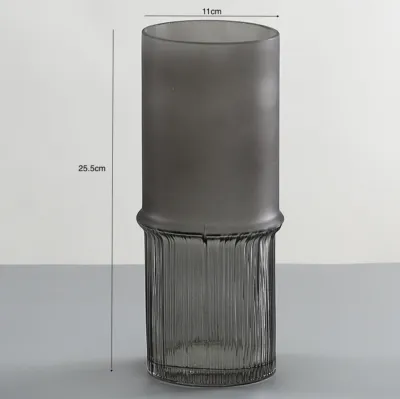
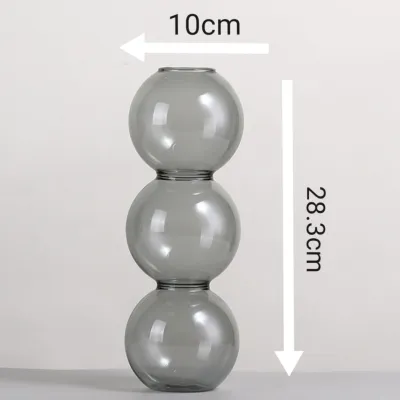
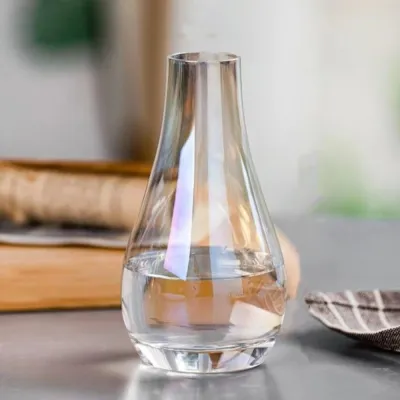
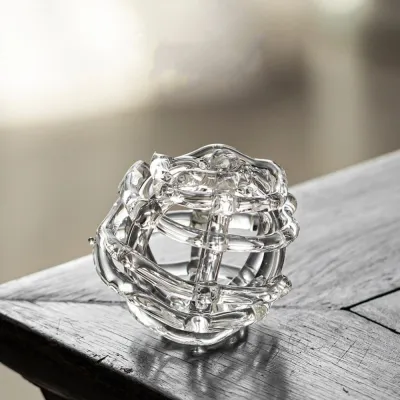
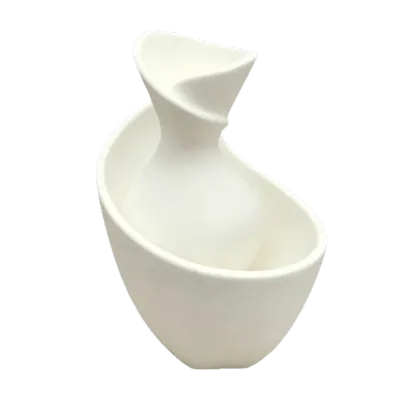
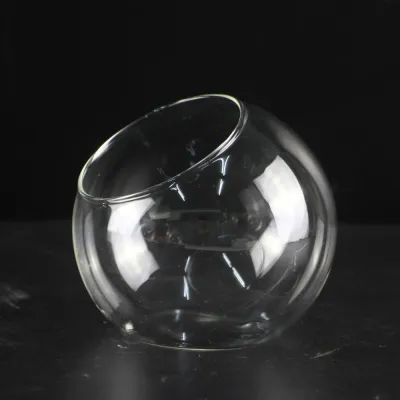
Prices are valid at publication and may change. Please refer to the product page for the latest price.
It is equally important to distinguish between your dominant interior theme and minor accent styles. Most homes do not adhere strictly to a single design catalog; instead, they feature a primary style that occupies roughly 70% of the visual space, with the remaining 30% dedicated to personal accents. For instance, your living room might have a dominant mid-century modern foundation, but feature subtle industrial accents. When choosing a vase, decide whether you want it to reinforce the dominant theme for a seamless look, or serve as one of the minor accents to introduce a pleasant point of contrast.
Evaluating the visual weight of your current decor will guide the scale and material of your chosen vessel. Visual weight refers to how heavy an object feels to the eye based on its color, material, and density. A room filled with dark, solid teak furniture and heavy upholstery has high visual weight and requires substantial, grounded vessels—such as thick stoneware or solid brass—to avoid looking insignificant. Conversely, a space characterized by light woods, slender metal frames, and sheer curtains possesses a light, airy aesthetic that is best complemented by delicate glass, slender ceramic bottles, or pale, minimalist forms.
Match Vase Characteristics to Your Decor Style
Once you have diagnosed the visual characteristics of your room, you can map them directly to specific vase styles. Different design movements favor distinct silhouettes, finishes, and materials that evoke specific moods.

Minimalist and Scandinavian Interiors
Minimalist and Scandinavian design principles prioritize simplicity, functionality, and an abundance of natural light. To complement these uncluttered spaces, look for vases with exceptionally clean lines, smooth profiles, and matte or satin finishes that diffuse light softly rather than reflecting it harshly. Muted tones, soft pastels, and classic neutrals—such as off-white, beige, charcoal, and soft taupe—work best to maintain a serene atmosphere.
Shape is paramount in minimalist settings; organic yet simple silhouettes are highly effective. Consider smooth cylinders, perfect spheres, or gentle teardrop curves that eschew any surface ornamentation or intricate patterns. For materials, look to unglazed ceramics with a refined, smooth clay body, light-colored woods like ash or beech, and frosted or sandblasted glass. These materials absorb light gently, reinforcing the calm, understated elegance of a Scandinavian-inspired home.
Bohemian and Eclectic Spaces
Bohemian and eclectic interiors celebrate rich textures, global influences, and layered, lived-in warmth. In these relaxed environments, vessels should showcase highly textured surfaces, warm earthy tones, and handcrafted details that tell a story. Look for rich terracotta, deep ochre, sienna, and warm sandy shades that evoke a connection to the natural world.
Materials such as raw clay, hand-thrown stoneware, woven rattan, and natural fibers are ideal for bohemian spaces. Embrace asymmetry and irregular, free-form silhouettes that highlight the beauty of human imperfection rather than factory precision. A vase with a bumpy, hand-pinched surface or a vessel wrapped in woven seagrass adds immediate tactile interest and visual depth, harmonizing beautifully with potted plants, dried palms, and layered textiles.
Contemporary and Modern Homes
Contemporary and modern design settings are characterized by bold architectural lines, sleek surfaces, and a forward-looking aesthetic. Vases destined for these spaces should feature strong geometric shapes, such as sharp cubes, faceted prisms, or dramatic, asymmetrical polygons. High-gloss glazes, polished metallic finishes, and striking contrasting colors—such as deep cobalt blue, stark monochrome black, or reflective chrome—make a powerful visual statement.
For materials, select polished stainless steel, brass, tinted architectural glass, or high-shine glazed ceramics. In a contemporary home, vessels often function best as independent sculptural art pieces rather than mere containers for flora. A large, faceted glass vessel in a bold amber or smoke-gray hue can sit entirely empty on a concrete sideboard, capturing and refracting light to serve as a captivating focal point.
Traditional and Classic Settings
Traditional and classic rooms rely on symmetry, refined elegance, and historical continuity. Vases for these spaces should exhibit classic proportions and balanced, symmetrical silhouettes, such as urns, amphoras, or traditional ginger jars. Ornate hand-painted details, delicate floral motifs, and rich, deep colors—such as emerald green, navy blue, burgundy, and gold trim—help these pieces fit seamlessly into formal settings.
Excellent material choices for traditional spaces include fine porcelain, lead crystal, and polished brass. These refined materials complement heavy wood furniture, such as mahogany or walnut dining tables, as well as classical wall moldings and structured drapery. A pair of matching porcelain ginger jars placed symmetrically on a fireplace mantel or entryway console reinforces the sense of order and timeless sophistication that defines classic design.
Evaluate Vase Materials, Shapes, and Proportions
Beyond matching a specific decor style, you must evaluate the physical attributes of a vessel to ensure it functions well and maintains visual balance. The shape of a vase directly dictates how it can be styled. Tall, narrow cylindrical vases provide excellent structural support for long-stemmed flowers, such as lilies, monstera leaves, or decorative branches, keeping them upright and elegant. Short, bulbous, or fishbowl-shaped vessels are better suited for dense, low-cut floral arrangements, compact bouquets, or single floating blossoms, as they allow the stems to splay outward naturally.
Proportion is critical when placing a vase on a piece of furniture. As a general rule of thumb, follow the golden ratio of design: the vase should occupy roughly one-third to one-half of the total vertical height of the space it sits in, while the floral arrangement itself should be approximately 1.5 to 2 times the height of the vase. A tiny bud vase will look lost and insignificant on a massive dining table, while an oversized, heavy ceramic urn will overwhelm a delicate glass-topped side table. Ensure the scale of the vessel matches the scale of the supporting surface.
Material selection also carries practical implications, particularly in humid tropical climates like Singapore. High ambient humidity can affect porous, unglazed earthenware or raw wood vessels over time. If you plan to fill a porous ceramic vase with water for fresh flowers, ensure the interior is fully glazed to prevent moisture from seeping through the clay body, which can damage wooden tabletops or cause mold. Always check the manufacturer’s care instructions to verify if a vessel is water-tight, moisture-resistant, or intended strictly for dry decorative use.
Safety is another crucial consideration when styling your home. Tall, top-heavy, or highly fragile glass and crystal vessels should always be placed on stable, flat surfaces away from high-traffic edges, narrow corridors, or low coffee tables where they could easily be tipped over by children, pets, or passing guests. For added security, you can apply a small amount of removable museum wax or non-slip adhesive pads to the base of valuable or top-heavy vessels to anchor them securely to the surface.
Practical Tips for Styling and Placement
To create visually compelling displays, apply the rule of thirds and group your vessels in odd numbers. A single vase can look beautiful, but a grouping of three vessels of varying heights and shapes creates a dynamic visual triangle that is naturally pleasing to the eye. When grouping, ensure the pieces share at least one unifying characteristic—such as a similar color family or material—while varying in height and silhouette to maintain visual interest.
Always consider sightlines when placing vases in functional areas of the home. A tall, dramatic floral arrangement in the center of a dining table or on a coffee table directly between facing sofas can obstruct face-to-face conversation or block the view of a television screen. For these interactive areas, opt for low-profile bowls, shallow vessels, or small bud vases that keep the overall height of the display well below eye level when seated.
To make a collection of smaller vases look intentional rather than cluttered, use a tray, a marble plinth, or a wooden pedestal to anchor them. Placing a group of vessels on a shared tray unifies them into a single, cohesive vignette. This technique is particularly effective on large surfaces like console tables, kitchen islands, or deep shelving units, as it prevents individual pieces from looking scattered.
Finally, remember to leave ample negative space around your vases. It can be tempting to fill every corner of a shelf or table, but crowding a beautiful vessel robs it of its visual impact. Give your statement vases room to breathe by leaving the immediate surrounding area clean and uncluttered. This negative space draws the eye directly to the silhouette of the vessel, allowing its design, texture, and craftsmanship to be fully appreciated.
Frequently Asked Questions (FAQ)
Can I mix different vase styles in the same room?
Yes, you can successfully mix different vase styles in the same room by establishing a unifying element. To prevent visual chaos, ensure the disparate vessels share a common color palette, a similar material finish, or a consistent scale. A practical approach is to keep one style dominant—such as modern minimalist—and introduce a single, highly textured bohemian or traditional vessel as an intentional, eye-catching accent piece.
How do I choose the right vase size for a large dining table?
For a large dining table, avoid using a single, massive vase that blocks sightlines and dominates the room. Instead, use a series of three to five medium-sized vessels lined up down the center of the table, or opt for a single low, wide decorative bowl. Ensure that the combined height of the vessels and any floral arrangements remains below eye level when guests are seated, allowing for unobstructed conversation.
What is the best way to clean and maintain delicate ceramic vessels?
For routine cleaning, hand-wash delicate ceramic vessels using mild dish soap, lukewarm water, and a soft microfiber cloth. Avoid using abrasive scrubbing pads, steel wool, or harsh chemical cleaners, as these can scratch glazes or strip away delicate finishes. If you are cleaning antique, unglazed, or heavily textured clay vessels where water absorption or surface flaking is a risk, stop immediately and consult the manufacturer’s care instructions or a professional conservator.

Community discussion
Share your experience or ask a question. Comments are reviewed before publication.