
Finding the perfect wabi-sabi floor lamp brand for a Singapore living room requires looking beyond superficial design labels. True wabi-sabi is about finding beauty in imperfection, transience, and natural simplicity. In a fast-paced, high-density urban environment, the contrast between a bustling city and a serene, softly lit home is incredibly grounding. The right lighting brand must not only capture this quiet, organic aesthetic but also offer materials and electrical components that can withstand local tropical humidity and meet strict safety standards. By focusing on brands that prioritize authentic craftsmanship, natural materials, and robust build quality, you can transform your living space into a peaceful sanctuary.
To make an informed decision, you must understand how authentic design philosophies translate into physical lighting fixtures. Many mass-produced items claim the wabi-sabi label but fail to deliver the tactile warmth and atmospheric depth of genuine artisanal pieces. Evaluating brands based on their material choices, manufacturing ethics, and structural integrity ensures your investment brings lasting beauty and safety to your home.
Defining Authentic Wabi-Sabi in Floor Lamp Design
Authentic wabi-sabi design is rooted in three fundamental principles: nothing lasts, nothing is finished, and nothing is perfect. When applied to floor lamps, this philosophy manifests in the use of organic, minimally processed materials that showcase their natural origins. Look for brands that utilize handmade washi paper, raw or lightly treated timber, unglazed ceramics, and hand-forged metals. These materials do not hide their natural variations; instead, they celebrate them. A wooden stem might feature visible knots and grain patterns, while a ceramic base might display the rough, tactile texture of the clay from which it was thrown.
Products mentioned in this guide
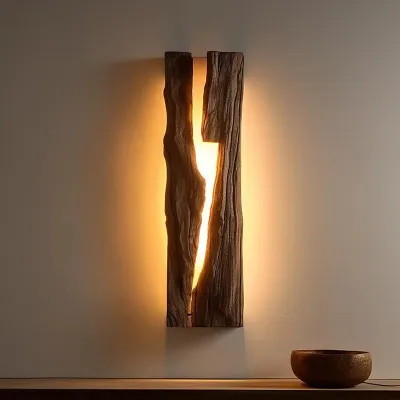
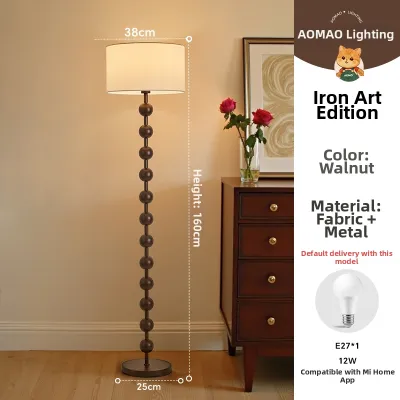
![[Exclusive Online Deals] Nordic Retro Wabi Sabi Hemp Rope Fabric Shade Led Floor Lamp Living Room Home Decor Bedroom Sofa Corner Bedside Standing](https://img.lazcdn.com/g/p/c16c1b3aa9f7644a7b0d0fe70cf1961b.jpg_400x400q80.jpg_.webp)
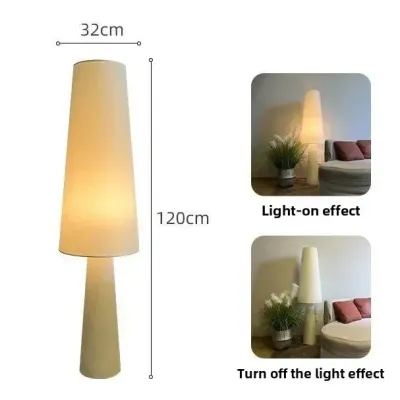
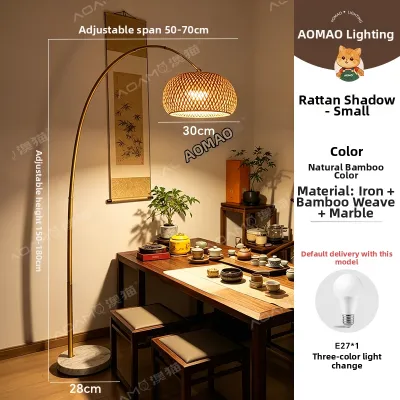
Prices are valid at publication and may change. Please refer to the product page for the latest price.
Handmade paper shades, particularly those crafted from traditional mulberry bark, are a hallmark of authentic wabi-sabi lighting. The fibers within the paper are distributed unevenly, creating a beautiful, organic pattern when light passes through them. This uneven density diffuses the light in a way that machine-made paper or synthetic fabrics cannot replicate, casting soft, warm shadows that instantly calm a room. The slight asymmetry in the shape of the shade or the frame further emphasizes the human hand involved in its creation, moving away from the sterile perfection of industrial manufacturing.
In contrast, mass-produced “wabi-sabi style” lamps often use synthetic substitutes, such as plastic-lined shades printed with faux paper textures or composite wood finished with a uniform laminate. While these alternatives may mimic the look from a distance, they lack the tactile warmth, breathability, and soul of genuine materials. Ultra-modern minimalist designs focus on sharp angles, hidden seams, and flawless, reflective surfaces like chrome or polished lacquer. Authentic wabi-sabi embraces the opposite: soft curves, visible joinery, matte finishes, and textures that invite touch, creating a sense of quiet humility rather than ostentatious luxury.
Key Criteria for Evaluating Wabi-Sabi Lighting Brands
When researching brands, the first point of evaluation should be their commitment to artisanal production methods and material sourcing transparency. Reputable brands often collaborate directly with traditional craftspeople, preserving heritage techniques such as hand-weaving, wood-turning, or paper-making. They should provide clear information about where their materials are sourced and how they are processed. A brand that openly shares the story of its artisans and the origin of its raw materials is far more likely to deliver an authentic product than one that hides behind vague marketing jargon.

Consistency in design language across a brand’s collections is another strong indicator of authenticity. A brand truly dedicated to the wabi-sabi philosophy will design products that feel cohesive, reflecting a deep understanding of restraint and simplicity. If a portfolio is cluttered with highly polished, trend-chasing designs alongside a few token “rustic” pieces, the wabi-sabi elements may simply be a superficial marketing angle. Look for design houses that consistently prioritize organic forms, muted earth tones, and natural textures across their entire lighting range.
Furthermore, consider how the brand’s materials are designed to age. True wabi-sabi objects are meant to develop a beautiful patina over time, reflecting the passage of years. Raw brass will oxidize and darken, untreated wood will deepen in tone, and handmade paper will acquire a subtle, warm amber hue. High-quality brands embrace this evolution and often provide detailed guides on how to care for these living materials as they age. They do not treat aging as a defect, but rather as the ultimate completion of the object’s design journey.
Adapting Wabi-Sabi Ambiance to Singapore Living Rooms
Integrating a wabi-sabi floor lamp into a Singapore living room requires careful consideration of spatial scale and architectural proportions. Many local homes, such as high-rise HDB apartments and condominiums, feature standard ceiling heights of around 2.6 to 2.8 meters and compact, open-plan layouts. A massive, sprawling floor lamp can easily overwhelm these spaces, making the room feel cramped. Instead, look for brands that offer slender, vertical profiles or delicate, tripod-style bases that draw the eye upward without consuming excessive floor area. A tall, narrow paper lantern lamp, for instance, provides a striking sculptural presence while maintaining a minimal physical footprint.
Color harmony is equally vital when introducing these organic fixtures to modern urban interiors. Singaporean homes often feature neutral color palettes, light wood vinyl flooring, or polished porcelain tiles. A wabi-sabi lamp should act as a softening agent against these hard, reflective surfaces. To achieve this, pair the lamp with a warm-toned LED bulb, ideally between 2200K and 2700K. This color temperature mimics the gentle glow of candlelight, softening the harshness of overhead downlights and creating a cozy, intimate zone within an open-plan living and dining area.
Managing the transition between natural daylight and artificial evening light is another unique challenge in tropical climates. During the day, Singapore’s intense, bright sunlight can wash out delicate textures and make paper shades look flat. A well-designed wabi-sabi lamp must function as a beautiful, silent sculpture during the day, relying on its form and texture to add visual interest. As dusk falls, the lamp should seamlessly transition the room’s mood. By turning off bright ceiling lights and relying primarily on the diffused, localized glow of the floor lamp, you can create a soothing evening ritual that signals the mind to unwind.
How to Build and Verify Your Brand Shortlist
To build a reliable shortlist of wabi-sabi floor lamp brands, begin by analyzing their official portfolios, lookbooks, and design catalogs. Look past highly stylized, computer-generated renders and focus on real-world photography. Authentic brands will showcase their lamps in natural light settings, allowing you to observe the true texture of the paper, the grain of the wood, and the subtle imperfections of the ceramic bases. Pay close attention to close-up shots of joints, seams, and material transitions, as these details reveal the true quality of the craftsmanship.
Next, verify the retail availability and shipping logistics for your shortlisted brands in Singapore. Because many premium wabi-sabi lighting brands originate from Japan, Scandinavia, or Europe, check if they have authorized local distributors or physical showrooms. Visiting a local showroom allows you to experience the lamp’s scale, material texture, and light diffusion firsthand. If purchasing online, carefully review the brand’s shipping policies, packaging standards, and return conditions. Fragile materials like handmade paper shades require specialized, high-density packaging to survive international transit without creasing or tearing.
Finally, analyze user feedback and community discussions, focusing specifically on how the materials perform in real home environments. Search for reviews from buyers living in warm, humid climates. High humidity can cause low-quality paper shades to sag, mold, or discolor prematurely, and poorly seasoned wood to warp or crack. Look for feedback regarding the durability of the frame, the stability of the electrical connections, and whether the actual light output matches the atmospheric, diffused quality promised in the brand’s marketing materials.
Electrical and Safety Checks Before Purchasing
Before finalizing your purchase, you must verify that the floor lamp meets Singapore’s electrical and safety standards. Singapore operates on a 230V supply voltage at a frequency of 50Hz, utilizing Type G (three-pin) plugs. Many imported lamps, particularly those from North America or parts of East Asia, are wired for different voltages or use different plug configurations. Ensure the brand offers localized wiring options or that the lamp is certified for use with 230V systems. Avoid using bulky, uncertified step-down voltage converters, as they can pose significant electrical and fire hazards in the home.
Look for products that carry recognized electrical safety certifications, such as the Enterprise Singapore Safety Mark or equivalent international standards like the CE or CB scheme. These certifications ensure that the internal wiring, socket, switch, and plug have been rigorously tested for insulation, heat resistance, and electrical safety. Additionally, verify the bulb socket type (commonly E27 or E14 in Singapore) and the maximum allowable wattage. Exceeding the recommended wattage limit can cause excessive heat buildup, which is particularly dangerous for delicate materials like paper, fabric, or wood.
Physical stability is another critical safety factor, especially in active households with children, pets, or robotic vacuum cleaners. Wabi-sabi floor lamps often feature top-heavy organic shapes or delicate shades mounted on slender stands. Ensure the lamp’s base is sufficiently weighted—ideally constructed from solid stone, cast iron, or heavy ceramic—to prevent accidental tipping. Finally, plan your cord management carefully. Position the lamp close to an electrical outlet to avoid stretching cords across high-traffic walkways, and keep the fixture away from open balcony doors or air conditioning vents where sudden tropical downpours or condensation could introduce moisture to the electrical components.
Frequently Asked Questions (FAQ)
Can wabi-sabi floor lamps provide enough light for reading?
Wabi-sabi floor lamps are primarily designed to provide ambient, diffused lighting that enhances the overall atmosphere of a room. Because their shades are often made of textured paper, fabric, or opaque materials, they soften and scatter the light rather than directing a concentrated beam downward. Consequently, they are generally not suitable as standalone task lights for intensive reading or detailed work. To maintain the serene aesthetic of your living room while ensuring functional illumination, consider layering your lighting. You can pair a beautiful wabi-sabi ambient lamp with a dedicated, adjustable reading light nearby, or choose a wabi-sabi model that features a dual-bulb configuration where one bulb can be directed downward for task lighting.
How do I maintain natural materials like handmade paper or raw wood?
Natural, untreated materials require gentle, specialized care to preserve their integrity, especially in Singapore’s humid climate. For handmade paper shades, never use water, damp cloths, or liquid cleaning sprays, as moisture will weaken the fibers, cause staining, or lead to mold growth. Instead, use a clean, dry feather duster, a soft-bristled brush, or a gentle canister of compressed air to remove dust. For raw or oil-finished wooden components, wipe them regularly with a dry, lint-free microfiber cloth. Avoid placing these natural materials in direct sunlight, which can cause wood to warp and paper to become brittle. Always consult the manufacturer’s specific care guidelines before applying any waxes, oils, or cleaning agents to your lamp.

Community discussion
Share your experience or ask a question. Comments are reviewed before publication.