
Singapore’s tropical climate presents a unique set of challenges for outdoor illumination. With sudden, heavy downpours and sustained high humidity throughout the year, choosing a reliable solar powered light requires a careful evaluation of waterproof capabilities and construction quality. While many products claim to be weather-resistant, the intense rainstorms characteristic of the region can quickly penetrate poorly sealed fixtures, leading to premature battery failure, corroded circuitry, and dimming LEDs. To find the best options for your garden, patio, or balcony, you must look beyond marketing buzzwords and focus on objective technical specifications, material durability, and robust physical seals.
By understanding how to evaluate these key factors, you can confidently select outdoor fixtures that will withstand the local elements. This guide provides a practical framework for assessing waterproof ratings, inspecting physical build quality, matching specifications to your specific garden layout, and identifying reliable brand signals. With the right approach, your outdoor spaces can remain beautifully illuminated night after night, regardless of the weather.
Decoding IP Ratings for Outdoor Solar Powered Lights
To determine how well a solar powered light can resist water, you must look at its Ingress Protection (IP) rating. This standard classification system, defined by international electrical standards, uses a two-digit code to indicate the level of protection a fixture offers against solid objects and liquids. The first digit, ranging from 0 to 6, measures protection against solids like dust and dirt. The second digit, ranging from 0 to 9, measures protection against liquids. For outdoor garden lighting in a wet climate, the second digit is the most critical factor to analyze before making a purchase.
Products mentioned in this guide
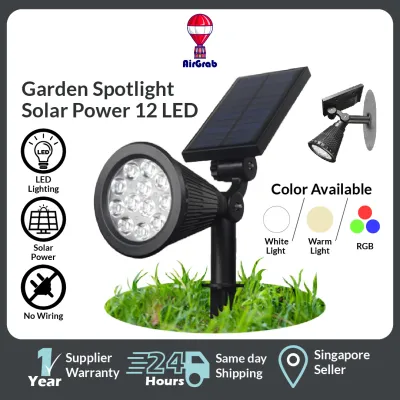
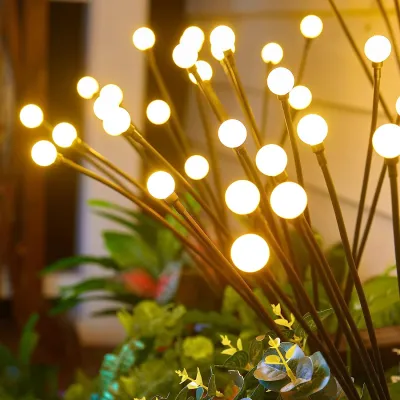
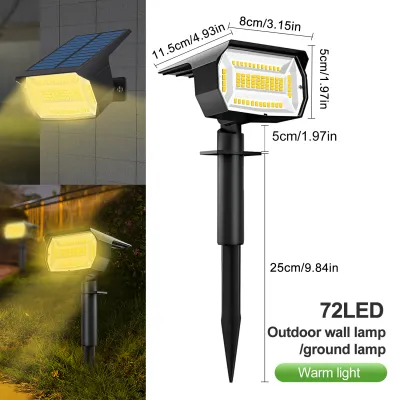
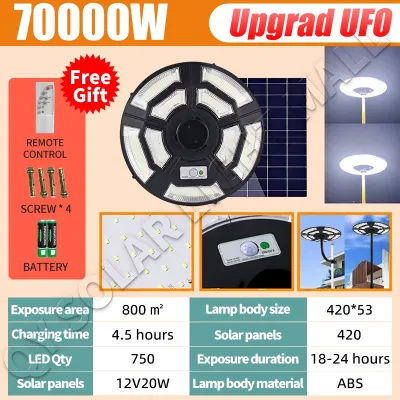
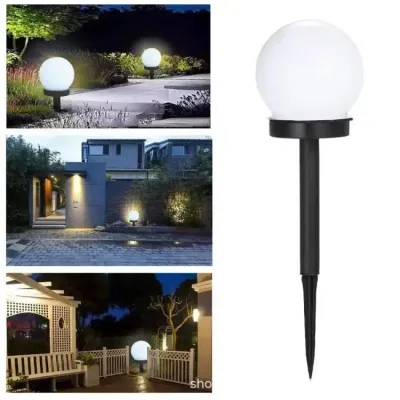
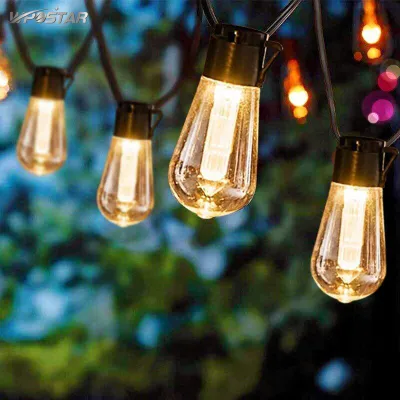
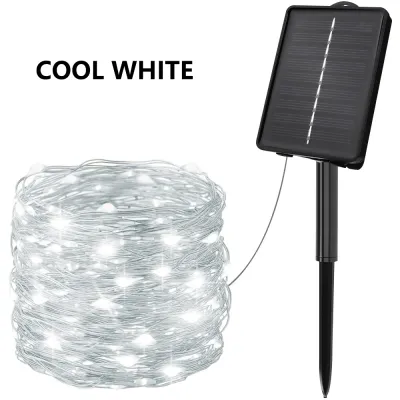
Prices are valid at publication and may change. Please refer to the product page for the latest price.
A minimum rating of IP44 is often considered the baseline for general outdoor use, meaning the fixture is protected against solid objects larger than 1 millimeter and splashes of water from any direction. However, for intense monsoon seasons and heavy downpours, an IP44 rating may not provide sufficient protection for exposed areas. For path lights, ground stakes, or wall-mounted fixtures that have no overhead shelter, aiming for a rating of IP65 or higher is highly recommended. An IP65 rating indicates that the light is completely dust-tight and can withstand low-pressure water jets from any angle, making it far more resilient against driving rain.
If you plan to install lights near water features, low-lying garden beds prone to temporary pooling, or areas where water runoff is heavy, you should look for IP67 or IP68 ratings. An IP67 rating means the fixture can survive temporary immersion in water up to 1 meter deep for 30 minutes, which is ideal for ground-level lights during sudden flash floods. IP68 offers even greater protection, allowing for continuous immersion under specified conditions. When shopping, always verify these ratings on the product packaging, user manual, or the manufacturer’s official specification sheets rather than relying solely on generic “waterproof” claims on retail listings.
Inspecting Build Materials and Seal Integrity
The materials used to construct a solar powered light play a vital role in how well it maintains its waterproof seal over time. High humidity and intense sunlight can accelerate the degradation of inferior materials, causing them to crack, warp, or rust. When evaluating fixtures, prioritize housing materials that are specifically engineered for harsh outdoor environments. For metal fixtures, look for marine-grade stainless steel, powder-coated aluminum, or brass, as these materials offer excellent resistance to corrosion and rust. Avoid cheap, untreated metals that will quickly deteriorate when exposed to constant moisture.

If you prefer plastic fixtures, ensure they are made from high-quality, UV-stabilized plastics such as ABS (Acrylonitrile Butadiene Styrene) or polycarbonate. Standard plastics can become brittle and crack under prolonged exposure to ultraviolet rays, which directly compromises the physical integrity of the light and allows water to seep inside. UV-stabilized materials retain their strength and flexibility, ensuring that the outer shell remains a protective barrier against heavy rain and high ambient humidity.
Beyond the outer housing, the integrity of the internal seals is what ultimately keeps water away from sensitive electrical components. When inspecting a solar powered light, pay close attention to the joints where different parts of the fixture meet. High-quality lights feature thick, flexible silicone or rubber gaskets at critical entry points, such as around the battery compartment, the solar panel seam, and the lens cover. These gaskets should fit snugly without any gaps or protrusions. Check for visible signs of poor manufacturing, such as uneven seams, excess glue, or loose-fitting panels, as these are common entry points for moisture.
The integration of the solar panel itself is another common vulnerability. In many budget fixtures, the solar panel is simply glued onto the top of the plastic housing, creating a seam that can easily degrade under heat and rain. Look for designs where the solar panel is seamlessly integrated or sealed with a durable, weather-resistant resin. This prevents water from pooling around the edges of the panel and slowly seeping into the battery compartment below, extending the overall lifespan of your outdoor lighting system.
Matching Specifications to Your Garden Environment
Selecting the right solar powered light involves matching its physical design and technical specifications to the specific layout of your garden or outdoor space. Different mounting styles perform differently under wet conditions. For instance, ground stake lights are highly popular for pathways, but they must be installed in well-draining soil. In areas where water tends to pool during heavy rain, ground stakes can become waterlogged, increasing the risk of moisture ingress through the bottom of the stake. For these damp zones, consider elevated path lights or wall-mounted fixtures that keep the electrical housing well above the ground level.
Solar panel placement is another critical consideration, particularly in tropical regions where cloud cover can be frequent and unpredictable. To ensure your lights charge effectively, the solar panel must receive direct sunlight for several hours each day. If your garden has dense foliage, overhanging trees, or high walls, look for solar powered lights that feature adjustable solar panels. This allows you to angle the panel toward the sun’s path while keeping the light fixture itself positioned exactly where you need illumination. Alternatively, systems with a detached solar panel connected by a waterproof cable allow you to place the panel in a sunny spot while keeping the lights in shaded areas.
You should also evaluate the brightness, measured in lumens, and the sensor specifications to ensure the light meets your practical needs. For ambient garden lighting, a lower brightness of 10 to 50 lumens is usually sufficient to create a warm, inviting atmosphere. For security or pathway safety, look for fixtures that offer 100 to 300 lumens or more. Many high-quality outdoor lights incorporate motion sensors or dusk-to-dawn sensors. These sensors must be housed behind waterproof covers to prevent moisture from disrupting their sensitivity. Ensure that the sensor lenses are tightly sealed and made of durable materials that will not cloud over time due to humidity.
Assessing Brand Warranties and Reliability Signals
When independent testing data is limited, evaluating a brand’s warranty terms and customer support structure is one of the most effective ways to gauge product reliability. A manufacturer that offers a comprehensive warranty is demonstrating confidence in their product’s ability to withstand outdoor conditions. When reviewing warranty policies, look specifically for clauses that cover water damage, battery degradation, and housing corrosion. A standard one-year or two-year warranty that explicitly includes water ingress protection is a strong signal that the brand uses high-quality seals and materials.
Be cautious of warranties that contain vague language or exclude water damage entirely, as this often indicates that the fixtures are only designed for light splashes rather than heavy tropical downpours. Additionally, check if the brand or authorized retailer has an established customer service presence. Having a local distributor or a responsive online support channel makes it significantly easier to process returns, ask technical questions, or obtain replacement parts, such as new rechargeable batteries or mounting stakes, without incurring high shipping fees.
User reviews can also provide valuable insights into how a solar powered light performs in real-world conditions over an extended period. When browsing reviews on online marketplaces or home decor forums, filter for feedback from buyers who have used the products for at least six months to a year. Look for specific mentions of how the lights handled heavy rainstorms, whether condensation formed inside the lens, and if the battery life remained stable over time. Consistent complaints about water leakage, rusted battery contacts, or lights failing after a few heavy rains are clear warning signs to avoid that particular model.
Installation and Care to Maintain Water Resistance
Proper installation is essential to preserving the factory-sealed waterproofing of your solar powered lights. When installing ground stake lights, never force the stake directly into hard, dry soil, as the excessive pressure can crack the plastic housing or damage the internal seals. Instead, loosen the soil beforehand with a garden trowel or water the area to soften the ground, then gently insert the stake. For wall-mounted or post-mounted fixtures, ensure that all mounting screws are tightened securely but not overtightened, which could warp the housing and create gaps in the rubber gaskets.
Routine maintenance is equally important to keep your lights functioning optimally and prevent water-related issues. Over time, dust, pollen, and bird droppings can accumulate on the solar panel, reducing its ability to absorb sunlight and charge the battery. Clean the panels regularly using a soft, damp microfiber cloth and plain water. Avoid using high-pressure water hoses, pressure washers, or harsh chemical cleaners, as these can degrade the protective resin coating on the solar panel or force water past the rubber seals.
After a major storm or a period of continuous heavy rain, it is wise to conduct a quick visual inspection of your outdoor lights. Look for any visible condensation or water droplets inside the light lens or battery compartment. If you notice moisture ingress, turn off the light, remove the battery, and allow all components to dry completely in a shaded, well-ventilated area before reassembling. Checking the battery contacts for early signs of rust or corrosion and wiping them clean can prevent permanent electrical damage and extend the lifespan of your fixtures.
Frequently Asked Questions (FAQ)
Can solar powered lights survive continuous heavy rain?
Yes, high-quality solar powered lights with an appropriate IP rating, such as IP65 or IP67, are designed to survive continuous heavy rain. However, prolonged wet weather and heavy cloud cover will temporarily affect their performance. Because solar lights rely on sunlight to charge, consecutive overcast or rainy days mean the battery may not fully charge, resulting in shorter operating times or dimmer light output at night. Once the weather clears and the solar panel receives direct sunlight again, the battery will recharge fully, and the light should return to its normal performance levels.
Should I remove solar garden lights during severe weather?
For standard tropical rainstorms, high-quality waterproof lights can remain outdoors without issue. However, during extreme weather events such as severe storms with high winds, risk of localized flooding, or heavy debris fall, it is highly recommended to temporarily remove and store your lights. Ground-level lights in low-lying areas should be taken indoors if there is a risk of prolonged submersion beyond their IP rating limits. Before reinstalling them, ensure the fixtures are clean and dry, and check that the mounting areas are stable and free of standing water.

Community discussion
Share your experience or ask a question. Comments are reviewed before publication.