
Finding the right portable table lamp for studying in Singapore requires balancing eye comfort, physical stability, and reliable power options. With many students working in shared study zones, university dorms, or compact home desks, a portable light must deliver focused illumination without causing eye strain or cluttering your workspace. Instead of relying on brand names alone, the most effective way to choose a lamp is to evaluate key technical specifications, physical build quality, and safety certifications that suit your specific study habits.
In Singapore, study environments range from air-conditioned libraries to naturally ventilated study corners at home. A versatile portable lamp should adapt to these changing conditions, providing consistent, high-quality light wherever you choose to set up your study station.
Core Specifications to Compare for Eye Comfort and Brightness
To protect your eyes during long study sessions, look closely at the manufacturer’s specifications for adjustable color temperature and brightness levels. Color temperature is measured in Kelvins (K) and determines the warmth or coolness of the light. For active studying, reading, and tasks requiring high focus, a cool white light between 4000K and 5000K is highly recommended as it mimics natural daylight and helps maintain alertness. Conversely, a warmer light around 3000K is gentler on the eyes during late-night review sessions and helps your mind wind down before sleep.
Products mentioned in this guide
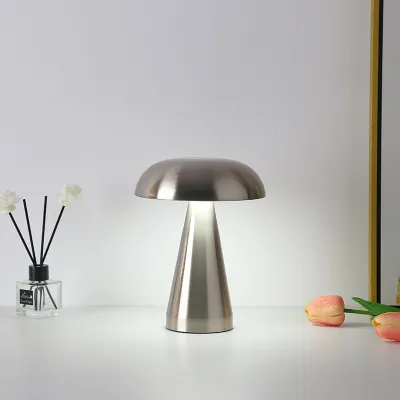
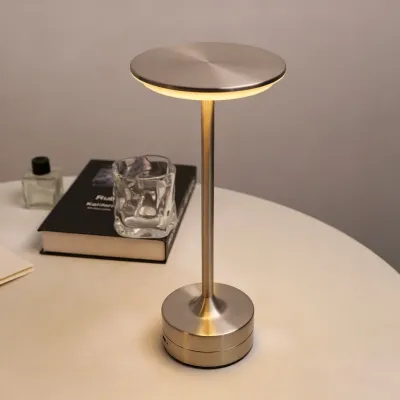
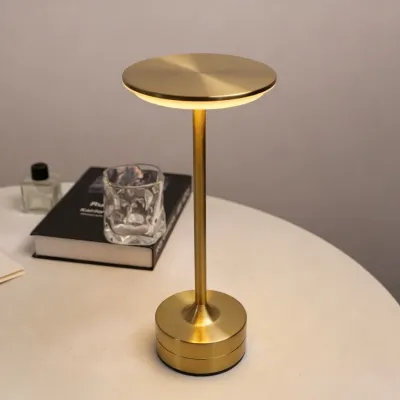
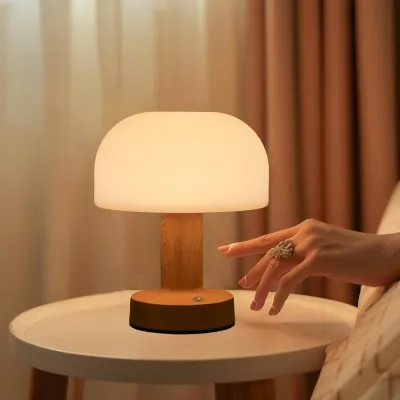
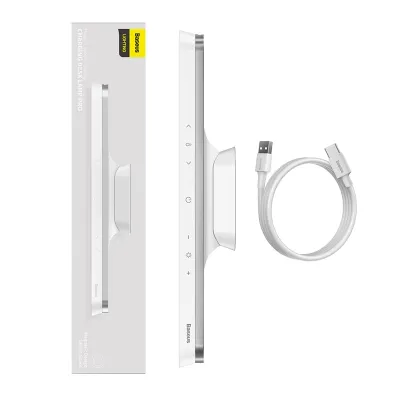
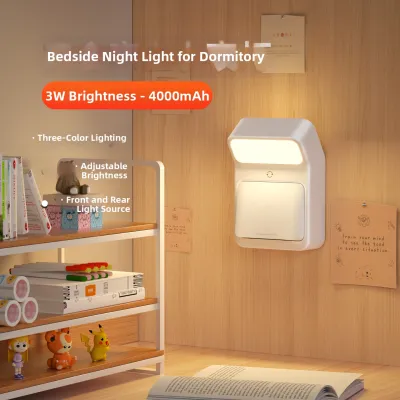
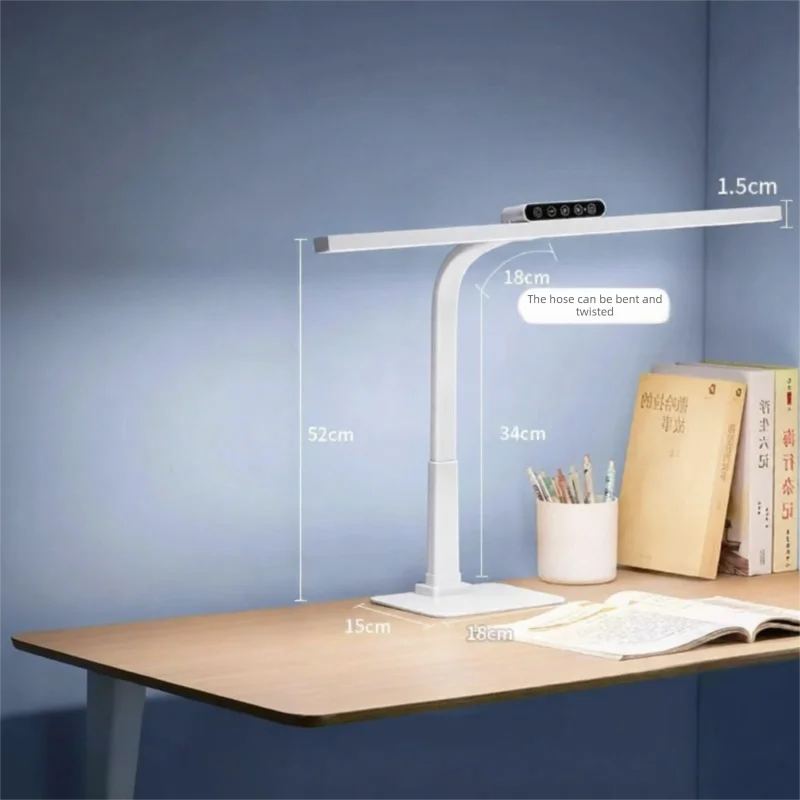
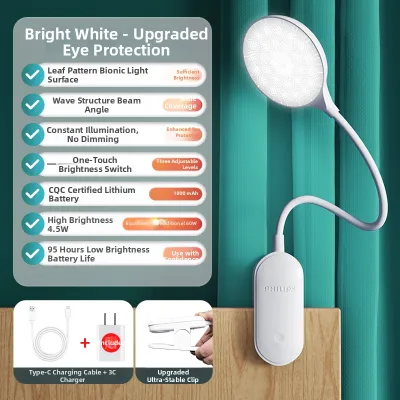
Prices are valid at publication and may change. Please refer to the product page for the latest price.
Choosing a lamp with step-less dimming or multiple preset brightness levels allows you to adapt the illumination to the ambient light in your room. This adjustability is crucial because a light that is too bright in a dark room can cause glare, while a light that is too dim forces your eyes to strain to read small text. Look for models that offer intuitive touch controls or physical dials that let you fine-tune the brightness smoothly.
Verifying eye comfort claims requires checking the product packaging or official specifications for specific certifications. Look for labels indicating flicker-free technology and low blue light emission, which help reduce eye fatigue, headaches, and sleep disruption. High-quality portable lamps often list a Color Rendering Index (CRI or Ra) of 90 or higher, ensuring that colors appear natural and text remains highly legible on the page.
The beam angle and light distribution also play a critical role in eye comfort. A lamp with a wide, even light distribution prevents harsh shadows and reduces contrast on your desk. If you work on a laptop or tablet, look for designs that direct light downward onto your workspace rather than reflecting directly off your screen.
Evaluating Portability, Build Quality, and Power Options
A portable lamp must be physically stable and easy to adjust without tipping over. When examining different models, evaluate the hinge mechanisms and joints to ensure they hold their angle securely over time. Loose joints cause the lamp head to droop, requiring constant readjustment. A heavier base provides essential stability for standalone desk lamps, preventing them from tipping over if bumped.

For clip-on models, the strength of the clamp is paramount. Look for a strong, spring-loaded clamp with rubberized padding on the inside. This padding protects your furniture from scratches and provides the necessary friction to keep the lamp firmly in place on desk edges, bed frames, or shelf lips.
Battery performance is critical if you plan to study away from a power outlet, such as in libraries or cafes. Check the packaging for the battery capacity, measured in milliampere-hours (mAh), and compare the expected runtime claims at different brightness levels. Running a lamp at maximum brightness drains the battery significantly faster than using a medium setting.
The charging interface determines how easily you can keep the lamp powered. Modern portable lamps typically use a USB-C port, making them compatible with standard phone chargers and power banks. Verify whether the lamp supports pass-through charging, which allows you to use the light while it is plugged in, rather than waiting for it to fully recharge.
Comparing Common Portable Lamp Designs for Students
Foldable standalone lamps offer an excellent balance of stability and a compact footprint. These designs typically feature a weighted base with an adjustable arm that folds down completely when not in use. This makes them highly packable for students who carry their light in a backpack, while still providing a wide, stable light source when unfolded.
Clip-on lights provide high flexibility for shared spaces, bunk beds, or small desks where surface space is limited. These compact units clamp onto the edge of a table, a bed headboard, or even a shelf. However, note the weight limits of these models, as a heavy lamp head on a weak clip can cause the light to droop.
Multi-functional designs often combine the light source with built-in features like phone stands or pen holders. While these features help declutter a small desk, they sometimes come with trade-offs in build quality or battery life. Ensure that the primary lighting components and battery capacity have not been compromised to accommodate these extra accessories.
Some portable lamps feature flexible gooseneck arms instead of rigid hinges. Goosenecks allow you to twist and direct the light in any direction, which is highly useful for highlighting specific areas of your notes. However, lower-quality goosenecks can lose stiffness over time, so look for models with durable, silicone-coated metal cores that retain their shape.
Verifying Safety and Performance Claims Before Purchase
Before purchasing any portable lamp in Singapore, verify its electrical safety and compliance. Look for recognized safety marks or international compliance labels, such as the CE mark, FCC certification, or local safety registration marks on the device or packaging. These labels indicate that the product has undergone testing to meet basic electrical safety standards.
You can perform a simple visual check for high-frequency flicker using your smartphone camera. Turn the lamp on, open your phone’s camera app, and look at the light source through the screen. If you see moving dark bands or rapid strobing, the lamp may have a high flicker rate, which can cause eye strain during prolonged study sessions.
Additionally, review the warranty terms and return policies offered by local retailers or official brand stores. A reliable manufacturer typically provides a warranty period of at least six months to a year, covering manufacturing defects or battery failure. Purchasing from reputable local sellers ensures you have a clear path for returns if the lamp fails.
Be cautious of generic, unbranded lamps sold on online marketplaces that lack clear safety labeling. While these options may be inexpensive, they often use low-quality lithium-ion batteries that can overheat during charging or fail quickly. Investing in a lamp from an established brand with clear safety documentation is a safer approach for long-term study use.
Decision Framework: Matching the Right Lamp to Your Study Routine
To find the ideal portable lamp, match the design to your daily study habits. If you have a dedicated study desk at home and require a wide, even beam of light for reading and writing, a heavy-base foldable lamp is generally the most stable choice. This design ensures the light remains steady and covers your entire working area.
If you study in shared spaces, libraries, cafes, or dorm beds, a lightweight clip-on model offers excellent portability. These compact lights are easy to slip into a bag and can be attached to almost any nearby surface, allowing you to set up a focused study zone without disturbing others.
Before making a final decision, verify whether you require advanced smart features or wireless app connectivity. While features like automatic dimming can be convenient, they often consume additional standby power and drain the battery faster. For most students, a straightforward lamp with reliable physical buttons and a high-capacity battery offers excellent utility.
Finally, consider your typical study duration when choosing battery capacity. If you regularly study for four or more hours away from a power outlet, prioritize lamps with a battery capacity of 2000mAh or higher. If you almost always study near a wall outlet, a smaller battery capacity is entirely acceptable and makes the lamp lighter to carry.
Frequently Asked Questions (FAQ)
Can I use a portable table lamp while it is plugged in?
Yes, many portable table lamps support pass-through charging, allowing you to use the light while it is connected to a power source. However, you should always check the manufacturer’s manual to confirm this feature is supported. Simultaneous charging and use can generate extra heat, so ensure the lamp is placed in a well-ventilated area to protect the battery lifespan.
How do I clean the light diffuser without damaging it?
To clean the light diffuser, turn off and unplug the lamp, then gently wipe the surface with a dry or slightly damp microfiber cloth to remove dust and fingerprints. Avoid using harsh chemical cleaners, alcohol, or abrasive pads, as these can scratch or cloud the plastic diffuser, permanently reducing and distorting the light output.
Does a higher wattage always mean better lighting for studying?
No, a higher wattage does not guarantee better lighting or eye comfort. Wattage measures electrical power consumption, whereas light output is measured in lumens, and desk illuminance is measured in lux. For studying, look for a lamp that distributes light evenly and offers adjustable brightness levels, rather than simply choosing the model with the highest power draw.

Community discussion
Share your experience or ask a question. Comments are reviewed before publication.